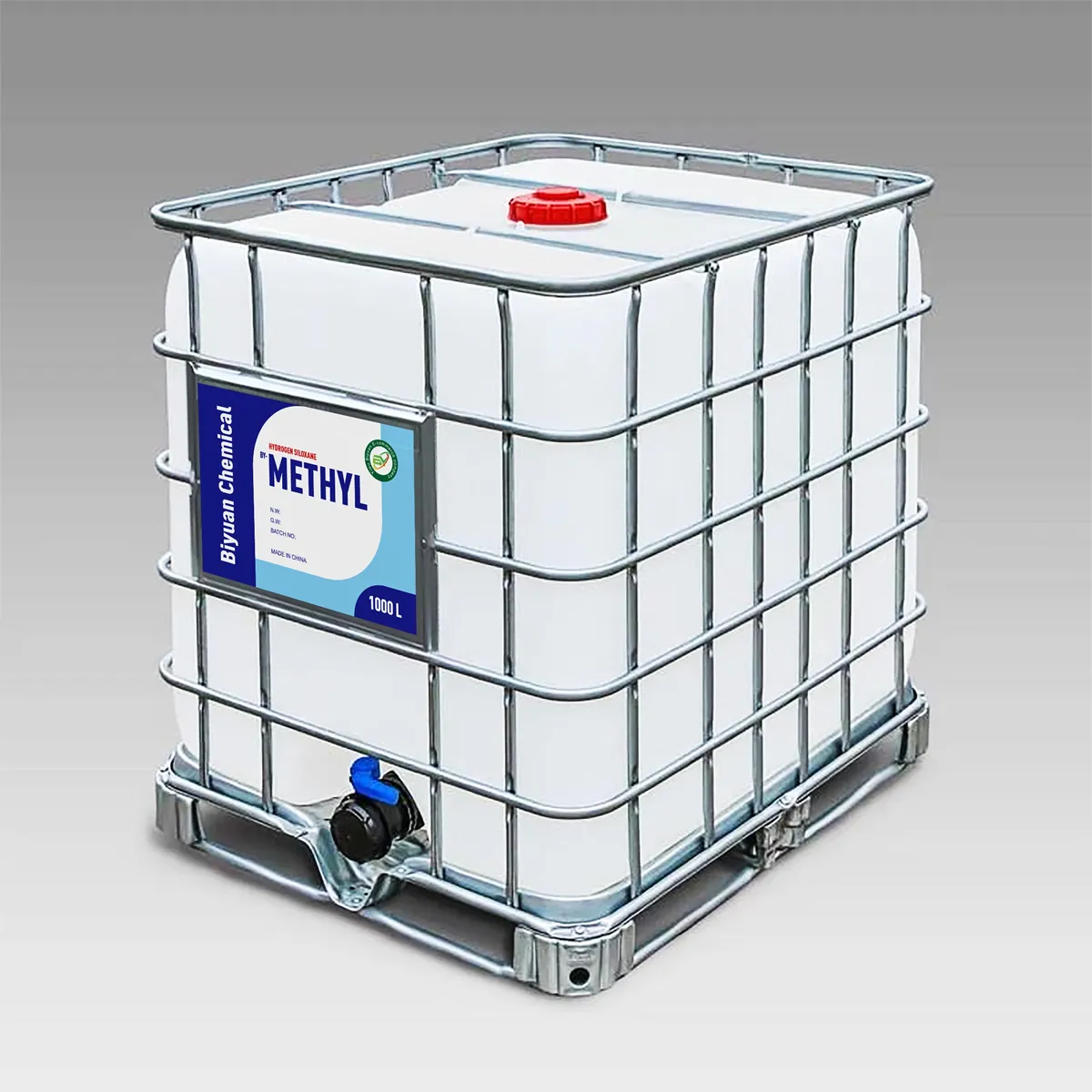

Methyl hydrogen siloxane serves as a multifunctional additive that significantly improves processing characteristics and final properties in silicone rubber applications. This specialized silicone fluid features reactive Si-H groups that enable efficient cross-linking through hydrosilylation reactions with vinyl-functionalized silicone rubbers.
.
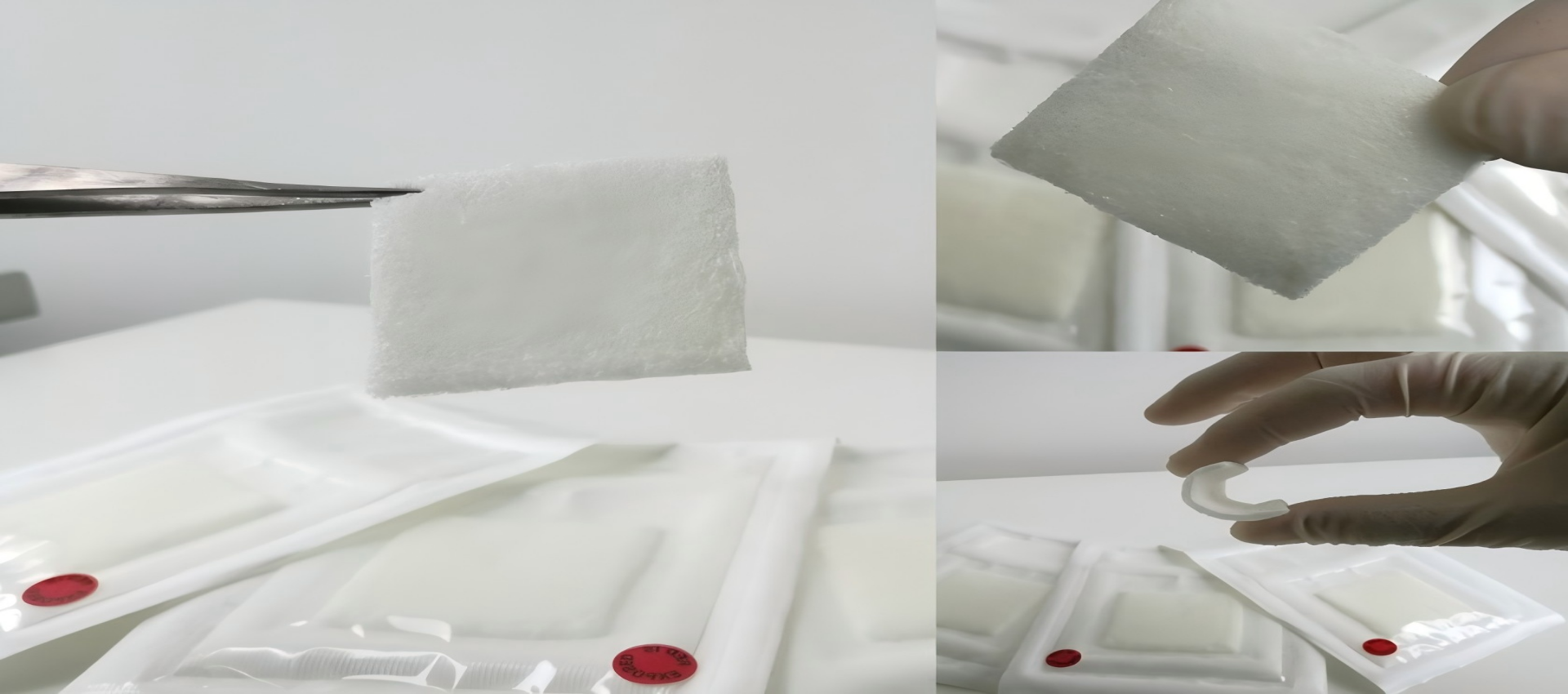
Medical-grade Methyl hydrogen siloxane serves as a versatile functional material in healthcare applications, combining high purity with reactive Si-H groups for enhanced performance. This specialized silicone fluid enables precise cross-linking in implantable devices, provides controlled drug release matrices, and creates anti-fouling surface coa.
Methyl hydrogen siloxane serves as a versatile functional additive in personal care products, leveraging its unique Si-H reactivity and silicone properties to deliver enhanced performance across various applications. This specialized material acts as an effective cross-linker in hair care products, creating durable yet flexible films that provide.
Methyl hydrogen siloxane serves as a innovative processing aid that enhances both the efficiency of leather manufacturing and the quality of finished products. This reactive silicone fluid improves leather softness and flexibility through effective fiber lubrication and molecular-level modification. Its unique chemical properties enable superior .
About Methyl Hydrogen Silicone Fluid
Biyuan Methyl Hydrogen Silicone Fluid Factory was established in 2007. It adheres to the development strategy of new unique and technological innovation, BiYuan Methyl Hydrogen Siloxane is a premium reactive silicone fluid. Engineered for exceptional versatility, it empowers industries from silicone rubber manufacturing to personal care. This innovative fluid boosts mechanical resilience in seals and electronic encapsulants while creating impermeable waterproof barriers on textiles and construction materials. Its unique grafting capability facilitates the development of durable antibacterial coatings for medical devices and advanced hydrophilic formulations for skincare, seamlessly merging functionality with biocompatibility.
Contact BiYuan today to elevate your formulations with the transformative power of Methyl Hydrogen Siloxane.
Quality Assurance
Strict quality control at every production stage
Innovation
Continuous R&D for cutting-edge products
Global Reach
Export to over 50 countries worldwide
Customer Focus
Dedicated to meeting customer needs

Methyl Hydrogen Silicone Fluid Factory
Equipped with cutting-edge technology and operated by skilled professionals, our factories ensure the highest quality standards for every product we manufacture.
Everything you need to know about Methyl Hydrogen Silicone Fluid
Key Factors Influencing Methyl Hydrogen Silicone Fluid Adhesion and Performance
Methyl Hydrogen Silicone Fluid represents a specialized category of silicone polymers characterized by reactive silicon-hydrogen (Si-H) bonds within their molecular structure. This unique chemical composition provides both the stability of conventional methyl silicone oils a.
Testing the Waterproofing Efficiency of MH Silicone Fluid: Methods, Standards, and Industry Applications
In industries ranging from textiles and electronics to construction and automotive, methyl hydrogen silicone fluid (PMHS) is a critical material renowned for its exceptional waterproofing capabilities. As a key component in coatings, sealants, and.
In the intricate science of silicone material engineering, achieving predictable performance, durability, and thermal resilience hinges on the precise architecture of crosslinked networks. For formulators developing addition-cure silicone rubbers, high-performance adhesives, protective coatings, and specialized encapsulants, the selection of a crosslinking.
In the relentless pursuit of materials that deliver superior performance, durability, and adaptability across demanding applications, methyl hydrogen siloxane has emerged as a cornerstone of modern industrial innovation. This unique organosilicon compound, characterized by its reactive Si-H bonds, is transforming the way industries approach material design.
In the advanced chemistry of silicone materials, achieving predictable mechanical properties, thermal resilience, and long-term durability is fundamentally a process of controlled molecular architecture. For formulators developing addition-cure systems—from medical-grade gels and flexible adhesives to high-temperature seals and durable composites—the cross.
Key Applications of Methyl Hydrogen Silicone Fluid Across Industries
Methyl Hydrogen Silicone Fluid (MH Silicone Fluid) has emerged as a versatile and high-performance material, driven by its unique chemical structure and reactive properties. Its ability to form durable hydrophobic coatings, enhance thermal stability, and improve material compatibility.
In the world of industrial materials, cost-effectiveness is not just about the initial price tag—it’s about performance, durability, and return on investment. Methyl Hydrogen Silicone Fluid (MH Silicone Fluid) has emerged as a standout solution across multiple industries, but how does it truly measure up against alternatives when all factors are cons.
Understanding the Reaction Mechanism of Methyl Hydrogen Silicone Fluid with Alkenes
Methyl Hydrogen Silicone Fluid (MHFS), a specialized silicone polymer containing reactive Si-H bonds, exhibits unique reactivity with alkenes, making it indispensable in industrial applications. This article explores the chemical interactions, catalytic requirements, an.
Can MH Silicone Fluid Be Mixed with Other Silicone Fluids?
Methyl Hydrogen Silicone Fluid (MH Silicone Fluid), a specialized silicone product with reactive Si-H bonds, is widely used in industries like coatings, textiles, and mold-making. A common question arises: Can it be safely mixed with other silicone fluids? The answer depends on chemical com.
In the intricate chemistry of silicone material engineering, achieving the perfect balance between flexibility, strength, and thermal stability requires precise control over crosslink formation. For formulators developing addition-cure silicones, adhesives, coatings, and encapsulation materials, the choice of a crosslinking agent isn’t just another c.
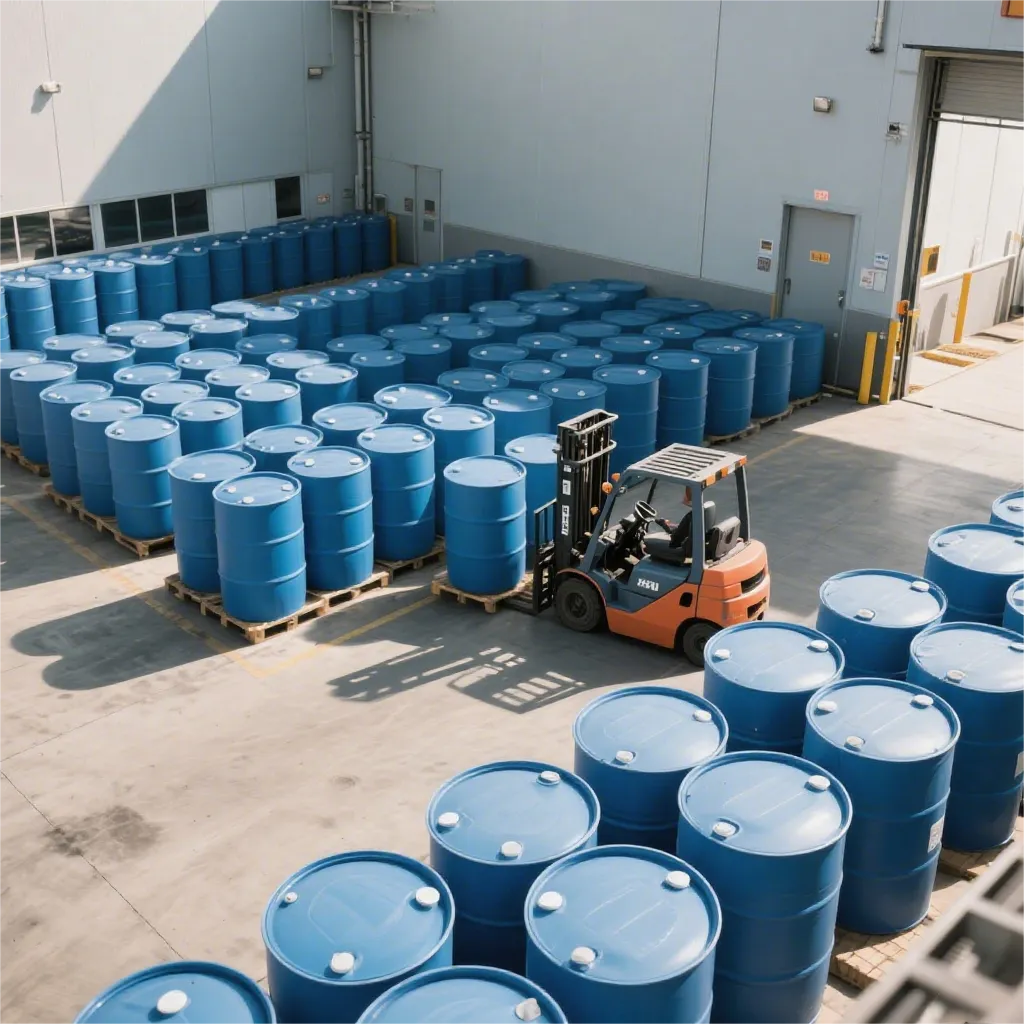
Methyl Hydrogen Silicone Fluid, a versatile compound widely used in industries such as textiles, construction, and cosmetics, requires specialized packaging to ensure safety, stability, and compliance. Understanding the available packaging options and their applications is critical for manufacturers, distributors, and end-users. Below, we explore tailored .
Hybrid Formulations Combining MH Silicone Fluid with Other Polymers
Methyl Hydrogen Silicone Fluid (MH Silicone Fluid), also known as polymethylhydrosiloxane, is a versatile silicone oil recognized for its reactive Si-H bonds, which make it an exceptional candidate for creating advanced hybrid polymer materials. These combinations are revolutionizing pr.
How Hydrogen Content Affects Functionality in Industrial Materials and Fluids
The Critical Role of Hydrogen in Material Performance
Hydrogen content plays a crucial role in determining the functionality and reliability of industrial materials and specialty chemicals. While hydrogen is the smallest element, its presence and concentration can dramatica.
In the world of specialty chemicals, methyl hydrogen silicone fluid stands out as a remarkably versatile polymer with unique properties that make it indispensable across numerous industries. While several factors contribute to its performance characteristics, viscosity emerges as perhaps the most critical parameter influencing how this material behaves in .
The Strategic Role of Methyl Hydrogen Silicone Fluid in Advancing Solar Panel Production
In the rapidly evolving solar energy sector, material innovation is key to enhancing efficiency, durability, and cost-effectiveness. Among these advanced materials, Methyl Hydrogen Silicone Fluid (Polymethylhydrosiloxane, or PMHS) has emerged as a critical high-p.
Understanding Hydrogen Content in Methyl Hydrogen Silicone Fluids
Methyl Hydrogen Silicone Fluids (MH Silicone Fluids) are specialized polymers widely recognized for their unique balance of stability and reactivity. A critical parameter defining their performance is hydrogen content, which directly influences their chemical behavior, application scope.
In the rapidly evolving green energy sector, innovation often comes from unexpected places. One such material poised to make significant contributions is Methyl Hydrogen Silicone Fluid (MH Silicone Fluid). This specialized silicone fluid is increasingly recognized as a critical enabler across multiple sustainable technologies, from energy storage to effici.
Methyl Hydrogen Silicone Fluid vs. Dimethyl Silicone Oil: A Comprehensive Comparison for Industrial Applications
In the world of industrial silicones, two prominent materials stand out for their unique properties and applications: Methyl Hydrogen Silicone Fluid (PMHS) and conventional dimethyl silicone oil. While both share some silicone characteristics.
How Temperature Influences Methyl Hydrogen Silicone Fluid Performance
Methyl Hydrogen Silicone Fluid (MH Silicone Fluid) is a specialized synthetic polymer renowned for its versatility in industrial and commercial applications. Its unique molecular structure—combining methyl groups (-CH₃) and reactive silicon-hydrogen (Si-H) bonds—enables exceptional t.
In the highly competitive textile dyeing and printing industry, manufacturers are constantly seeking advanced chemical auxiliaries to enhance fabric quality, improve processing efficiency, and meet increasingly stringent environmental and performance standards. Among the various functional additives available, silicone-based softeners and finishing agents .
Sustainable Innovation: The Growing Market for Biodegradable PMHS Formulations
In recent years, the global push for sustainability has catalyzed significant advancements in polymer science, particularly in the development of biodegradable polymer materials. Among these, Methyl Hydrogen Silicone Fluid (PMHS) has emerged as a key player, with innovative f.
Methyl Hydrogen Silicone Fluid: The Unsung Hero Transforming Waterproofing in Textiles and Construction
In industries where durability and performance are non-negotiable—textiles and construction—waterproofing has long been a challenge. Traditional solutions often fall short: coatings peel, treatments wash out, or materials become brittle over time. Ent.
Introduction to the PMHS Landscape in China
The Chinese poly(methylhydrosiloxane) (PMHS) market has evolved into a global powerhouse, driven by robust manufacturing capabilities and growing demand across diverse industries. Known commercially as Methyl Hydrogen Silicone Fluid, this specialized silicone intermediate has become indispensable in sectors ra.
The global chemical industry is undergoing a transformative shift toward sustainable manufacturing, and suppliers of Polymethylhydrosiloxane (PMHS), commonly known as Methyl Hydrogen Silicone Fluid, are at the forefront of this change. Through strategic localization of production and technological innovation, these companies are significantly reducing thei.
Methyl Hydrogen Silicone Fluid: The Ultimate Plastic Processing Aid for Enhanced Performance
In the dynamic world of plastic manufacturing, achieving optimal product quality, durability, and process efficiency is paramount. Among the array of additives available, methyl hydrogen silicone fluid has emerged as a game-changing solution. This versatile c.
Polymethylhydrosiloxane (PMHS), commonly known as Methyl Hydrogen Silicone Fluid, plays a critical role in enhancing the performance and stability of modern cosmetic and pharmaceutical products. This specialized silicone derivative offers unique chemical properties that make it particularly valuable in formulations where pH stability is essential for maint.
The Pivotal Role of Platinum Catalysts in PMHS Cross-Linking: Technology, Applications, and Market Trends
Introduction to Platinum-Catalyzed PMHS Cross-Linking
The cross-linking of poly(methylhydrosiloxane), commonly known as methyl hydrogen silicone fluid (MH fluid), represents a sophisticated chemical process where platinum catalysts play an indi.
In the rapidly evolving global chemical industry, Methyl Hydrogen Silicone Fluid (PMHS) stands as a critical material with diverse applications across textiles, automotive, construction, and personal care sectors. As we approach 2026, the market for PMHS is projected to reach USD 0.36 billion, growing at a CAGR of 9% between 2025 and 2034. This growth traj.
Asian Methyl Hydrogen Silicone Fluid Exports to Europe: Market Dynamics and Future Outlook
Introduction: The Growing Transcontinental Trade
The export flow of Methyl Hydrogen Silicone Fluid from Asia to Europe represents a critical segment of the global specialty chemicals trade, characterized by evolving supply chains, stringent regulatory framework.
The convergence of Industry 4.0 and advanced materials like Methyl Hydrogen Silicone Fluid (PMHS) is revolutionizing the waterproofing industry. This transformation is driven by the integration of cyber-physical systems, IoT, and data analytics into manufacturing and application processes, leading to unprecedented levels of efficiency, quality, and sustain.
Global Surge in Methyl Hydrogen Silicone Fluid Demand Driven by Green Technology and Electronics
The global market for Polymethylhydrosiloxane (PMHS), commonly known as Methyl Hydrogen Silicone Fluid, is experiencing a significant upswing in 2025. This versatile organic silicone polymer, renowned for its exceptional thermal stability, chemical inertness.
Polymethylhydrosiloxane (PMHS), commonly known as Methyl Hydrogen Silicone Fluid, and dimethyl silicone oil are two important organosilicon compounds with distinct properties and applications. While they share a basic silicone-oxygen backbone, the presence of reactive silicon-hydrogen (Si-H) bonds in PMHS fundamentally differentiates its performance and fu.
Executive Summary
The global methyl hydrogen silicone fluid market is experiencing significant transformation, with China emerging as the dominant force in production and supply chain dynamics. This versatile material, known for its exceptional thermal stability, water repellency, and lubrication properties, has become indispensable across diverse indus.
Methyl Hydrogen Silicone Fluid: Certifications and Compliance for Sustainable Construction
Introduction to Green Building Materials and PMHS
The global construction industry is undergoing a fundamental transformation toward sustainability, driven by increasingly stringent environmental regulations and growing consumer demand for eco-friendly building.
Methyl Hydrogen Silicone Fluid in Medical Device Coatings: Ensuring Safety and Efficacy
Introduction
The use of Methyl Hydrogen Silicone Fluid (PMHS) in medical device coatings represents a significant advancement in healthcare technology, combining unique material properties with critical safety considerations. This specialized silicone fluid has ga.
Unlocking Precision Manufacturing: The Role of Methyl Hydrogen Silicone Fluid in 3D Printing and Electronics
In advanced manufacturing, material innovation often drives breakthroughs in product performance and process efficiency. Among the unsung heroes of modern industry, methyl hydrogen silicone fluid (also referred to as methylhydrogen polysiloxane.
How the Pandemic Reshaped Medical Packaging: The Rise of Methyl Hydrogen Silicone Fluid
The COVID-19 pandemic served as a pivotal moment for the global healthcare industry, triggering unprecedented demand for advanced medical packaging solutions. At the heart of this transformation lies Methyl Hydrogen Silicone Fluid (PMHS), a specialized silicone polym.
Understanding PMHS Viscosity: Selecting the Optimal Grade for Industrial Applications
Introduction
Polymethylhydrosiloxane (PMHS), commonly known as Methyl Hydrogen Silicone Fluid, is a versatile organosilicon compound with unique properties that make it invaluable across numerous industries. The viscosity of PMHS plays a crucial role in determining .
Methyl Hydrogen Silicone Fluid: 2025 Market Analysis and Price Forecast
Executive Summary
The global methyl hydrogen silicone fluid market is poised for significant growth in 2025, driven by expanding demand from key industries including textiles, construction, electronics, and personal care. With technological advancements and sustainability initiat.
Title Interpretation & Executive Summary
The search for reliable PMHS (Polymethylhydrosiloxane) suppliers in North America requires a comprehensive understanding of both the technical specifications of Methyl Hydrogen Silicone Fluid and the stringent quality standards demanded by the automotive industry. This article explores how leading suppliers a.