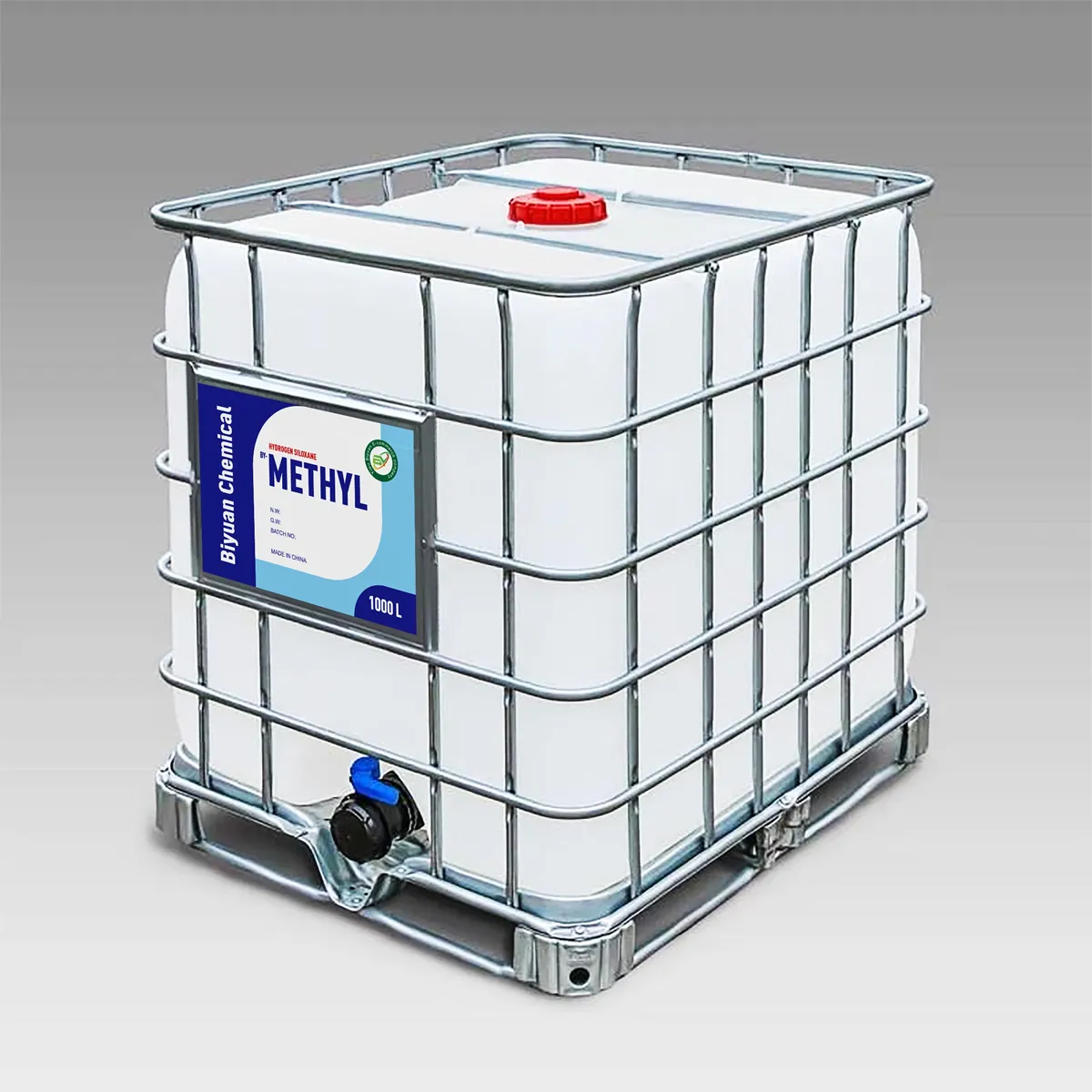
What are the risks of over-application? - Methyl Hydrogen Silicone Fluid Factory
Methyl Hydrogen Silicone Fluid Factory
Methyl Hydrogen Silicone Fluid
Information Center
Everything you need to know about our products and company
Mitigating Risks in Industrial Applications: The Hidden Costs of Over-Application
In industrial and commercial sectors, the pursuit of efficiency often leads to over-reliance on chemical solutions—a practice that can backfire dramatically. Methyl Hydrogen Silicone Fluid, a versatile silicone-based compound, exemplifies this dilemma. While it offers exceptional waterproofing, crosslinking, and modification capabilities, improper usage or over-application can result in compromised performance, increased operational costs, and long-term sustainability challenges. Below, we dissect the risks of over-application and provide actionable insights for optimizing its use.
1. Technical Risks: Compromised Material Integrity
Over-application of Methyl Hydrogen Silicone Fluid can disrupt the structural balance of treated materials. For instance:
Excessive Waterproofing: In textile manufacturing, overuse may lead to stiffness or reduced breathability, negating the benefits of hydrophobic treatment .
Curing Issues: In silicone rubber formulations, excessive Si-H bonds can interfere with crosslinking reactions, causing brittleness or uneven curing .
Residue Buildup: Over-saturation in construction materials like gypsum or cement may trap moisture, accelerating degradation over time .
Solution: Adopt a precision dosing strategy. Partner with suppliers like Biyuan to conduct lab-scale trials, ensuring optimal application rates tailored to specific material compositions.
Downtime: Unplanned maintenance due to residue buildup or equipment clogging disrupts production cycles .
Case Study: A textile mill reduced fluid consumption by 22% after switching to Biyuan’s tailored dosing systems, saving $150K annually in material costs.
3. Environmental and Regulatory Risks
Over-application poses compliance and ecological challenges:
Toxicity Concerns: Residual silicone compounds in wastewater may violate environmental regulations, especially in regions with strict discharge limits .
Carbon Footprint: Overproduction of Methyl Hydrogen Silicone Fluid contributes to greenhouse gas emissions, aligning with global scrutiny on chemical manufacturing .
Mitigation: Opt for biodegradable alternatives or closed-loop systems. Biyuan’s eco-friendly formulations meet REACH and EPA standards, minimizing compliance risks.
4. Operational Inefficiencies
Incompatible Formulations: Over-mixing with other additives (e.g., surfactants) can destabilize silicone emulsions, rendering them ineffective .
Storage Challenges: Bulk storage of unused fluid risks contamination or viscosity changes, particularly in humid climates .
Best Practices:
Implement IoT-enabled inventory systems to track usage and avoid overstocking.
Collaborate with suppliers like Biyuan for just-in-time delivery and formulation guidance.
5. Brand Reputation and Customer Trust
Over-application can erode client confidence:
Product Failures: Overly treated fabrics may shrink or lose elasticity, leading to returns and reputational damage .
Sustainability Backlash: Consumers increasingly favor brands that prioritize resource efficiency.
Strategy: Highlight transparency in sourcing and application. Biyuan’s ISO-certified processes ensure traceability, aligning with ESG-driven consumer expectations.
Optimize Your Workflow with Biyuan
As a trusted Methyl Hydrogen Silicone Fluid supplier, Biyuan delivers:
Customized Solutions: From 20% to 60% active Si-H content, our grades cater to textiles, construction, and cosmetics .
Technical Support: On-site consultations to refine application methods and avoid overuse pitfalls.
Bulk Procurement: Competitive pricing for manufacturers and distributors, with flexible MOQs .
By partnering with Biyuan, industries can mitigate over-application risks while enhancing product performance and sustainability.
Final Note
The key to avoiding over-application lies in balancing innovation with practicality. Whether you’re a textile manufacturer or a chemical distributor, investing in precise formulation strategies and reliable suppliers like Biyuan ensures long-term efficiency and profitability.
Methyl Hydrogen Silicone Fluid (MH Silicone Fluid) has emerged as a critical material in industries ranging from textiles to electronics due to its unique properties, such as thermal stability, water repellency, and chemical inertness. However, concerns about volatile organic compound (VOC) emissions during its production, application, and disposal have sp.
Measuring Surface Tension of Methyl Hydrogen Silicone Fluid: Methods and Applications
Understanding Methyl Hydrogen Silicone Fluid
Methyl Hydrogen Silicone Fluid, also known as polymethylhydrogensiloxane, is a versatile organosilicon compound where some methyl groups in dimethyl silicone oil are replaced by hydrogen atoms. This chemical modification .
Enhancing Coating Adhesion: The Critical Role of Methyl Hydrogen Silicone Fluid
In the realm of industrial coatings, achieving robust adhesion between the coating layer and substrate is paramount for durability, weather resistance, and aesthetic longevity. Methyl Hydrogen Silicone Fluid (MHFS), a versatile organosilicon compound, has emerged as a game-.
Key Factors Influencing Methyl Hydrogen Silicone Fluid Adhesion and Performance
Methyl Hydrogen Silicone Fluid represents a specialized category of silicone polymers characterized by reactive silicon-hydrogen (Si-H) bonds within their molecular structure. This unique chemical composition provides both the stability of conventional methyl silicone oils a.
How Temperature Influences Methyl Hydrogen Silicone Fluid Performance
Methyl Hydrogen Silicone Fluid (MH Silicone Fluid) is a specialized synthetic polymer renowned for its versatility in industrial and commercial applications. Its unique molecular structure—combining methyl groups (-CH₃) and reactive silicon-hydrogen (Si-H) bonds—enables exceptional t.
MH Silicone Fluid in Medical Implants: A Comprehensive Analysis
Methyl Hydrogen Silicone Fluid (MH Silicone Fluid) has emerged as a significant material in various industrial applications, but its potential use in medical implants requires careful examination. This article explores the properties, regulatory considerations, and practical implications of.
In industries ranging from construction to textiles, Methyl Hydrogen Silicone Fluid (MH-SF) has emerged as a critical material for applications requiring water repellency, flexibility, and thermal stability. As demand grows, businesses increasingly seek suppliers capable of not only delivering high-quality products but also providing robust technical su.
Key Applications of Methyl Hydrogen Silicone Fluid Across Industries
Methyl Hydrogen Silicone Fluid (MH Silicone Fluid) has emerged as a versatile and high-performance material, driven by its unique chemical structure and reactive properties. Its ability to form durable hydrophobic coatings, enhance thermal stability, and improve material compatibility.
Catalyst Selection for Methyl Hydrogen Silicone Fluid: Key Considerations and Applications
Methyl hydrogen silicone fluid (MH Silicone Fluid), a specialized siloxane polymer with reactive Si-H bonds, plays a pivotal role in industries ranging from adhesives to personal care. The choice of catalyst for its applications is critical to achieving optimal p.
How Methyl Hydrogen Silicone Fluid is Engineered: Processes and Applications
Methyl Hydrogen Silicone Fluid (MH Silicone Fluid), a specialized silicone polymer, plays a pivotal role in industries ranging from textiles to electronics. Its unique properties—such as hydrophobicity, thermal stability, and cross-linking capabilities—make it indispensable fo.
In the world of specialty silicone chemistry, the quality and consistency of your raw materials don’t just influence your product—they define it. For formulators, manufacturers, and R&D teams working across industries from textiles and electronics to automotive and renewable energy, selecting the right reactive silicone intermediate can determine.
Understanding the Molecular Architecture of Methyl Hydrogen Silicone Fluid
Methyl Hydrogen Silicone Fluid (MH Silicone Fluid), chemically known as polymethylhydrosiloxane (PMHS), is a specialized silicone polymer with a unique molecular structure that defines its exceptional properties. This article delves into its molecular composition, functional cha.
MH Silicone Fluid: The Unsung Hero in Tire Manufacturing Efficiency
In the highly competitive tire manufacturing industry, efficiency, precision, and quality are paramount. Methyl Hydrogen Silicone Fluid (PMHS), a versatile silicone polymer, has emerged as a critical specialty chemical in this sector, particularly as a high-performance release agent. I.
Can MH Silicone Fluid Be Used in Pharmaceutical Coatings?
In the rapidly evolving pharmaceutical industry, excipient safety and functional performance are paramount. Methyl Hydrogen Silicone Fluid (MH Silicone Fluid) has emerged as a material of significant interest for advanced coating applications due to its unique chemical properties and safety profi.
Can MH Silicone Fluid Be Mixed with Other Silicone Fluids?
Methyl Hydrogen Silicone Fluid (MH Silicone Fluid), a specialized silicone product with reactive Si-H bonds, is widely used in industries like coatings, textiles, and mold-making. A common question arises: Can it be safely mixed with other silicone fluids? The answer depends on chemical com.
Understanding the Flash Point of Methyl Hydrogen Silicone Fluid: Key Properties and Applications
Methyl Hydrogen Silicone Fluid (MH Silicone Fluid) is a versatile polymer widely used in industries ranging from cosmetics to aerospace. One of its critical safety and performance parameters is its flash point, which determines its flammability under speci.
AI-Driven Optimizations Revolutionize Methyl Hydrogen Silicone Fluid Applications
The industrial landscape for Methyl Hydrogen Silicone Fluidis undergoing a profound transformation as artificial intelligence emerges as a critical enabler of innovation and efficiency. This versatile organosilicon polymer, renowned for its reactive Si-H bonds and exceptio.
The Film-Forming Process of Methyl Hydrogen Silicone Fluid: A Comprehensive Guide
Introduction to Methyl Hydrogen Silicone Fluid
Methyl Hydrogen Silicone Fluid (PMHS) represents a unique category of silicone polymers characterized by active Si-H bonds in their molecular structure. Unlike conventional dimethyl silicone oils, this specialized fluid p.
Comprehensive Guide to REACH Compliance for Methyl Hydrogen Silicone Fluid
Methyl Hydrogen Silicone Fluid (MH Silicone Fluid) is a versatile chemical widely used in industries such as textiles, construction, and personal care for its water-repellent and thermal stability properties. However, its production, distribution, and use within the European Uni.
What Determines the Curing Time of Methyl Hydrogen Silicone Fluid?
Methyl Hydrogen Silicone Fluid (MH Silicone Fluid) is a versatile material widely used in industries such as textiles, construction, and personal care for its water-repellent and release-agent properties. One of the most critical factors for its application is understanding its curing .
Flash Point Analysis: Critical Safety Protocols for Handling Methyl Hydrogen Silicone Fluid
Methyl Hydrogen Silicone Fluid (MHSF) represents a specialized category of silicone polymers characterized by reactive silicon-hydrogen (Si-H) bonds within their molecular structure. These fluids serve as crucial components across diverse industrial sectors, in.
Methyl Hydrogen Silicone Fluid in Medical Device Coatings: Ensuring Safety and Efficacy
Introduction
The use of Methyl Hydrogen Silicone Fluid (PMHS) in medical device coatings represents a significant advancement in healthcare technology, combining unique material properties with critical safety considerations. This specialized silicone fluid has ga.
Executive Summary
The global methyl hydrogen silicone fluid market is experiencing significant transformation, with China emerging as the dominant force in production and supply chain dynamics. This versatile material, known for its exceptional thermal stability, water repellency, and lubrication properties, has become indispensable across diverse indus.
How a European Textile Brand Mastered the Chinese Market Using Methyl Hydrogen Silicone Fluid
Introduction: The Technical Textile Breakthrough
In the highly competitive global textile industry, European brands constantly seek innovative approaches to penetrate lucrative markets like China. One notable success story involves a forward-thinking Europea.
The Pivotal Role of Platinum Catalysts in PMHS Cross-Linking: Technology, Applications, and Market Trends
Introduction to Platinum-Catalyzed PMHS Cross-Linking
The cross-linking of poly(methylhydrosiloxane), commonly known as methyl hydrogen silicone fluid (MH fluid), represents a sophisticated chemical process where platinum catalysts play an indi.
Methyl Hydrogen Silicone Fluid, known in the scientific community by its CAS registry number 63148-57-2, represents a remarkable class of organosilicon compounds with unique properties and diverse industrial applications. This chemical workhorse, also called polymethylhydrosiloxane, has established itself as an indispensable material across sectors rang.
Understanding How PMHS Elevates Thermal Resilience in Modern Motor Oils
For drivers and automotive enthusiasts, the phrase “heat is the enemy” isn’t just a catchy saying—it’s a reality. Modern engines operate at higher temperatures than ever, thanks to turbocharging, downsizing, and high-performance demands. This constant exposure to extreme heat can de.
Exploring the Role of Methyl Hydrogen Silicone Fluid in Sustainable Catalysis
In the quest for greener industrial processes, catalyst innovation has taken center stage. Catalysts drive efficiency in chemical reactions, but their performance often hinges on the carrier material—a component that anchors active sites while influencing stability, reactivity.
Polymethylhydrosiloxane (PMHS), commonly known as Methyl Hydrogen Silicone Fluid, plays a critical role in enhancing the performance and stability of modern cosmetic and pharmaceutical products. This specialized silicone derivative offers unique chemical properties that make it particularly valuable in formulations where pH stability is essential for maint.
Beyond Traditional Silicones: How Methyl Hydrogen Silicone Fluid Drives Sustainable Cosmetic Innovation
In an era where “clean beauty” and “eco-conscious formulation” have shifted from niche demands to industry norms, cosmetic developers face a pressing challenge: balancing performance with planetary responsibility. As consumers .
Introduction
Methyl Hydrogen Silicone Fluid (CAS No. 63148-57-2), also known as methyl hydrogen polysiloxane or PMHS, is a highly versatile silicone fluid widely used across multiple industries for its exceptional water repellency, thermal stability, and crosslinking capabilities. This clear, odorless liquid contains active silicon-hydrogen (Si-H) bonds.
Polymethylhydrosiloxane (PMHS), commonly known as Methyl Hydrogen Silicone Fluid, and dimethyl silicone oil are two important organosilicon compounds with distinct properties and applications. While they share a basic silicone-oxygen backbone, the presence of reactive silicon-hydrogen (Si-H) bonds in PMHS fundamentally differentiates its performance and fu.
Enhancing Automotive Paint Durability: The Role of PMHS Technology
In the automotive industry, the longevity and aesthetic appeal of paint finishes are critical factors that impact both vehicle value and consumer satisfaction. Achieving durable, high-quality automotive coatings requires advanced chemical solutions that promote superior adhesion between .
Ensuring Safety and Durability: The Critical Role of Methyl Hydrogen Silicone Fluid in Modern Food-Grade Packaging
In an era where consumer trust in food safety is paramount, the choice of packaging materials directly impacts brand reputation and regulatory compliance. Among the specialized ingredients driving innovation in food-grade packaging, Methyl.
In the rapidly evolving global chemical industry, Methyl Hydrogen Silicone Fluid (PMHS) stands as a critical material with diverse applications across textiles, automotive, construction, and personal care sectors. As we approach 2026, the market for PMHS is projected to reach USD 0.36 billion, growing at a CAGR of 9% between 2025 and 2034. This growth traj.
Asian Methyl Hydrogen Silicone Fluid Exports to Europe: Market Dynamics and Future Outlook
Introduction: The Growing Transcontinental Trade
The export flow of Methyl Hydrogen Silicone Fluid from Asia to Europe represents a critical segment of the global specialty chemicals trade, characterized by evolving supply chains, stringent regulatory framework.
Methyl Hydrogen Silicone Fluid: Certifications and Compliance for Sustainable Construction
Introduction to Green Building Materials and PMHS
The global construction industry is undergoing a fundamental transformation toward sustainability, driven by increasingly stringent environmental regulations and growing consumer demand for eco-friendly building.
Unlocking Precision Manufacturing: The Role of Methyl Hydrogen Silicone Fluid in 3D Printing and Electronics
In advanced manufacturing, material innovation often drives breakthroughs in product performance and process efficiency. Among the unsung heroes of modern industry, methyl hydrogen silicone fluid (also referred to as methylhydrogen polysiloxane.
Title Interpretation & Executive Summary
The search for reliable PMHS (Polymethylhydrosiloxane) suppliers in North America requires a comprehensive understanding of both the technical specifications of Methyl Hydrogen Silicone Fluid and the stringent quality standards demanded by the automotive industry. This article explores how leading suppliers a.
The 2025 Sustainability Awards represent a pivotal moment for the chemical industry, particularly for manufacturers of Methyl Hydrogen Silicone Fluid (PMHS). As global demand for sustainable solutions intensifies, these awards recognize companies that are pioneering eco-friendly production methods, reducing environmental impact, and advancing green technol.
Methyl hydrogen siloxane serves as a multifunctional additive that significantly improves processing characteristics and final properties in silicone rubber applications. This specialized silicone fluid features reactive Si-H groups that enable efficient cross-linking through hydrosilylation reactions with vinyl-functionalized silicone rubbers.
.
Medical-grade Methyl hydrogen siloxane serves as a versatile functional material in healthcare applications, combining high purity with reactive Si-H groups for enhanced performance. This specialized silicone fluid enables precise cross-linking in implantable devices, provides controlled drug release matrices, and creates anti-fouling surface coa.
Methyl hydrogen siloxane serves as a versatile functional additive in personal care products, leveraging its unique Si-H reactivity and silicone properties to deliver enhanced performance across various applications. This specialized material acts as an effective cross-linker in hair care products, creating durable yet flexible films that provide.
Methyl hydrogen siloxane serves as a innovative processing aid that enhances both the efficiency of leather manufacturing and the quality of finished products. This reactive silicone fluid improves leather softness and flexibility through effective fiber lubrication and molecular-level modification. Its unique chemical properties enable superior .

Contact Us
We're here to help with any questions or inquiries you may have
Contact Information
Address
No. 116, Jiangdong Street, Yiwu City, Jinhua City, Zhejiang Province,China