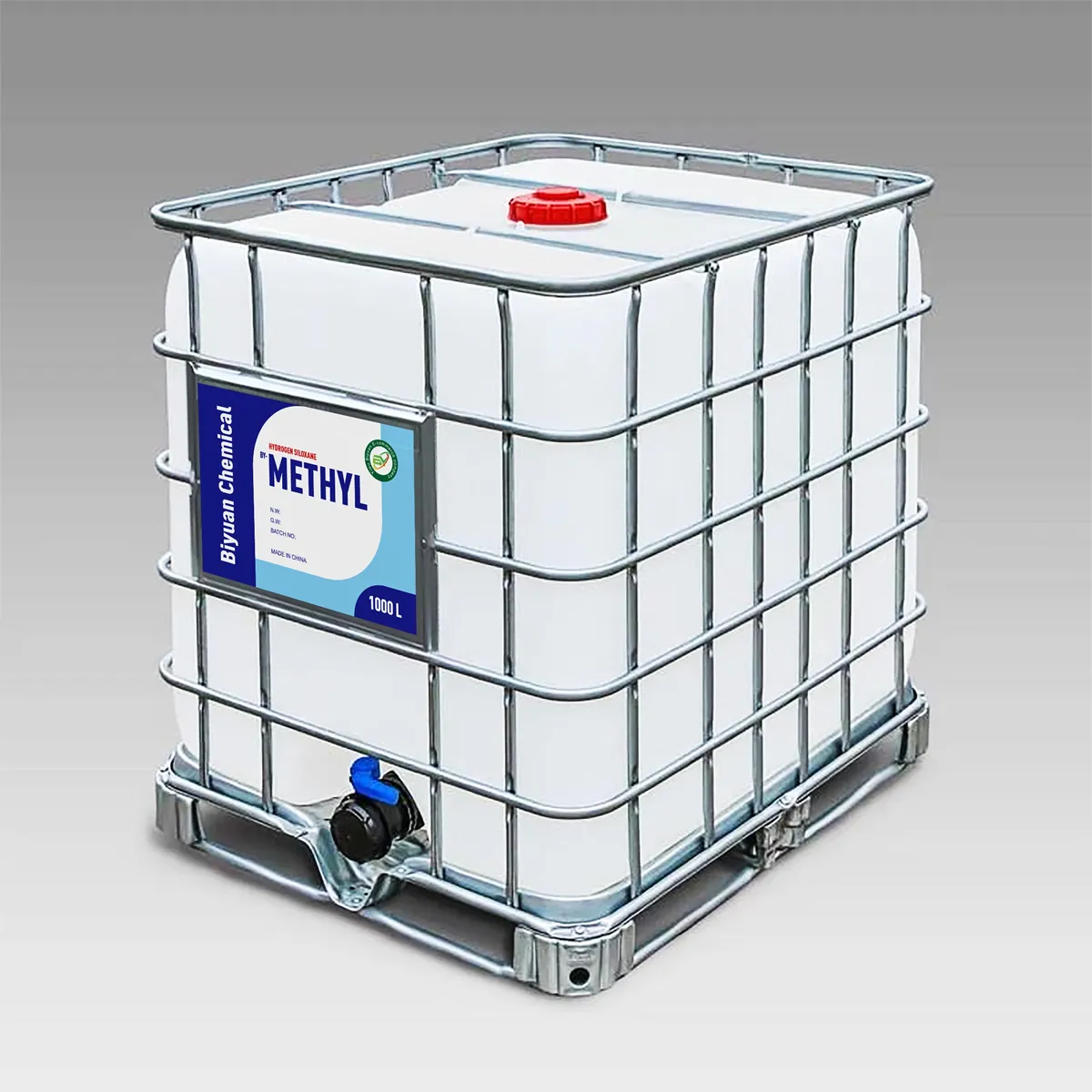
Application of Hydrogen-Containing Silicone Oil in Addition-Curing Liquid Silicone Rubber (LSR) - Methyl Hydrogen Silicone Fluid Factory
Methyl Hydrogen Silicone Fluid Factory
Methyl Hydrogen Silicone Fluid
Information Center
Everything you need to know about our products and company
Reaction Mechanism
The addition-curing system relies on platinum-catalyzed hydrosilylation reaction. The Si-CH=CH₂ groups on vinyl silicone oil (base gum) react with the Si-H bonds of hydrogen-containing silicone oil to form crosslinks. No small molecules volatilize and no byproducts are generated during the reaction, which can be cured at ambient temperature or elevated temperature. Serving as the crosslinking agent, hydrogen-containing silicone oil provides crosslinking sites and determines crosslink density.
Core Functions of Hydrogen-Containing Silicone Oil
Compatibility with reinforcing fillers Vinyl base gum is reinforced with fumed silica. Hydrogen-containing silicone oil only undertakes crosslinking functions and cannot act as a reinforcing filler.
Crosslinking and curing to form elastomers Graft reactions between Si-H and vinyl groups construct a three-dimensional network structure, converting liquid rubber into solid elastomers with favorable strength, elasticity and temperature resistance. Higher hydrogen content corresponds to more available crosslinking sites.
Modulation of hardness and mechanical properties Excess hydrogen dosage raises crosslink density, leading to increased hardness and tensile strength, reduced elongation at break and heightened brittleness. Insufficient hydrogen results in inadequate crosslinking, manifested as soft tackiness, poor resilience and inferior solvent resistance.
Regulation of curing rate Silicone oil with high hydrogen content features abundant reactive sites and cures faster. Low-hydrogen silicone oil suits thick-walled products by retarding curing to facilitate defoaming and potting.
Improved adhesion Si-H bonds are capable of reacting with hydroxyl groups on the surfaces of substrates such as glass, metals and glass fiber, enhancing the adhesion of LSR to metals, PCBs and glass fibers. It is widely applied in LSR for electronic potting and encapsulation.
Methyl Hydrogen Silicone Fluid: Driving Innovation and Durability in the Marine Industry
The marine industry operates in one of the most demanding environments on Earth, where constant exposure to saltwater, humidity, and extreme weather relentlessly attacks vessels, structures, and equipment. Protecting these assets is a perpetual challenge. Methyl H.
How MH Silicone Fluid Enhances Material Flexibility in Industrial Applications
Methyl Hydrogen Silicone Fluid (MHSF) is a versatile organosilicon polymer renowned for its unique molecular structure, which combines methyl groups (-CH₃) and reactive silicon-hydrogen (Si-H) bonds. Unlike conventional silicone oils, MHSF actively participates in crosslinki.
Methyl Hydrogen Silicone Fluid (MH Silicone Fluid) is a versatile material widely used in industries ranging from textiles and electronics to pharmaceuticals and construction. To ensure its safety, performance, and compliance with global standards, manufacturers and suppliers must obtain specific certifications. Below, we explore the critical certification.
In the highly competitive textile dyeing and printing industry, manufacturers are constantly seeking advanced chemical auxiliaries to enhance fabric quality, improve processing efficiency, and meet increasingly stringent environmental and performance standards. Among the various functional additives available, silicone-based softeners and finishing agents .
Essential Certifications Your Methyl Hydrogen Silicone Fluid Supplier Must Have
In the specialized chemical sector, selecting a certified supplier for Methyl Hydrogen Silicone Fluid is not just a procedural step—it’s a critical business decision that impacts product quality, regulatory compliance, and market success. This essential silicone polyme.
Is Methyl Hydrogen Silicone Fluid a Game-Changer in Automotive Engineering?
The automotive industry demands materials that can withstand extreme conditions while maintaining performance and reliability. Methyl Hydrogen Silicone Fluid (MH Silicone Fluid) has emerged as a critical solution in modern vehicle design, offering unique properties that addres.
Preventing Yellowing in MH Silicone Fluid-Treated Materials: A Comprehensive Guide
Methyl Hydrogen Silicone Fluid (MH Silicone Fluid) is a versatile high-performance material renowned for its exceptional waterproofing properties and application versatility across textiles, construction, electronics, and leather processing. However, a common challenge f.
Methyl Hydrogen Silicone Fluid (MH Silicone Fluid) has emerged as a critical material in industries ranging from textiles to electronics due to its unique properties, such as thermal stability, water repellency, and chemical inertness. However, concerns about volatile organic compound (VOC) emissions during its production, application, and disposal have sp.
How Methyl Hydrogen Silicone Fluid Achieves Optimal Performance: Curing Insights
Methyl Hydrogen Silicone Fluid (MH Silicone Fluid) is a versatile polymer widely recognized for its water-repellent, adhesive, and crosslinking capabilities. A common question among industrial users is whether this material requires curing to unlock its full potential. The.
Can MH Silicone Fluid Be Mixed with Other Silicone Fluids?
Methyl Hydrogen Silicone Fluid (MH Silicone Fluid), a specialized silicone product with reactive Si-H bonds, is widely used in industries like coatings, textiles, and mold-making. A common question arises: Can it be safely mixed with other silicone fluids? The answer depends on chemical com.
Key Applications of Methyl Hydrogen Silicone Fluid Across Industries
Methyl Hydrogen Silicone Fluid (MH Silicone Fluid) has emerged as a versatile and high-performance material, driven by its unique chemical structure and reactive properties. Its ability to form durable hydrophobic coatings, enhance thermal stability, and improve material compatibility.
Ensuring Quality: How to Verify the Purity of Methyl Hydrogen Silicone Fluid
In the industrial and chemical sectors, the purity of Methyl Hydrogen Silicone Fluid is paramount for performance and safety. This versatile organosilicon polymer, known for its reactive Si-H bonds and hydrophobic properties, is critical in textiles, cosmetics, electronics, .
How MH Silicone Fluid Excels in High-Humidity Environments: A Comprehensive Guide
In industries where moisture control is critical—construction, textiles, electronics, and more—Methyl Hydrogen Silicone Fluid (MHHSF) has emerged as a game-changing solution. But can it withstand high-humidity environments? Let’s dive into its scientific properties, app.
Understanding Methyl Hydrogen Silicone Fluid (MH Silicone Fluid): Properties, Applications, and Industry Insights
Methyl Hydrogen Silicone Fluid (MH Silicone Fluid), chemically known as polymethylhydrosiloxane (PMHS), is a specialized silicone compound that has become indispensable across diverse industrial sectors. This fluid, characterized by its uni.
Can MH Silicone Fluid Be Used in Pharmaceutical Coatings?
In the rapidly evolving pharmaceutical industry, excipient safety and functional performance are paramount. Methyl Hydrogen Silicone Fluid (MH Silicone Fluid) has emerged as a material of significant interest for advanced coating applications due to its unique chemical properties and safety profi.
Understanding FDA Compliance for Methyl Hydrogen Silicone Fluid: Key Insights and Applications
Methyl Hydrogen Silicone Fluid (MH Silicone Fluid) is a versatile synthetic polymer widely used in industries ranging from pharmaceuticals to construction. One of the most critical considerations for manufacturers and suppliers is whether this material aligns.
In the sophisticated chemistry of silicone materials, achieving precisely defined mechanical properties, thermal resilience, and long-term durability represents a complex architectural challenge. For formulators developing addition-cure systems—from medical-grade gels and flexible adhesives to high-temperature seals and durable composites—the crosslinker f.
Thermal Stability of Methyl Hydrogen Silicone Fluid: A Comprehensive Analysis
Introduction to Methyl Hydrogen Silicone Fluid
Methyl Hydrogen Silicone Fluid is an organic silicon polymer characterized by its unique molecular structure containing both methyl groups (-CH₃) and active silicon-hydrogen bonds (Si-H). This combination provides an exceptiona.
In the world of specialty silicone chemistry, the quality and consistency of your raw materials don’t just influence your product—they define it. For formulators, manufacturers, and R&D teams working across industries from textiles and electronics to automotive and renewable energy, selecting the right reactive silicone intermediate can determine.
What Are the Benefits of Methyl Hydrogen Silicone Fluid for Metal Surfaces?
Methyl Hydrogen Silicone Fluid (MH Silicone Fluid) has emerged as a game-changing solution in industrial applications, particularly for metal surface treatments. Its unique chemical properties and versatility make it indispensable across sectors like construction, automotive, .
Understanding PMHS Viscosity: Selecting the Optimal Grade for Industrial Applications
Introduction
Polymethylhydrosiloxane (PMHS), commonly known as Methyl Hydrogen Silicone Fluid, is a versatile organosilicon compound with unique properties that make it invaluable across numerous industries. The viscosity of PMHS plays a crucial role in determining .
The convergence of Industry 4.0 and advanced materials like Methyl Hydrogen Silicone Fluid (PMHS) is revolutionizing the waterproofing industry. This transformation is driven by the integration of cyber-physical systems, IoT, and data analytics into manufacturing and application processes, leading to unprecedented levels of efficiency, quality, and sustain.
The global shipping landscape for Methyl Hydrogen Silicone Fluid (PMHS) faces unprecedented challenges in 2025, driven by complex logistics disruptions and volatile tariff policies. As the market for this essential chemical compound continues to expand—projected to reach USD 520 million by 2031 with an 8.5% CAGR—supply chain professionals must navigate a p.
Introduction
Methyl Hydrogen Silicone Fluid, an organic silicon polymer containing active silicon-hydrogen (Si-H) bonds, has gained significant attention for its unique combination of reactivity and stability. This versatile material, with its molecular structure featuring both methyl groups (-CH₃) and active Si-H bonds, demonstrates exceptional perfor.
Beyond Traditional Silicones: How Methyl Hydrogen Silicone Fluid Drives Sustainable Cosmetic Innovation
In an era where “clean beauty” and “eco-conscious formulation” have shifted from niche demands to industry norms, cosmetic developers face a pressing challenge: balancing performance with planetary responsibility. As consumers .
Methyl Hydrogen Silicone Fluid: The Unsung Hero Transforming Waterproofing in Textiles and Construction
In industries where durability and performance are non-negotiable—textiles and construction—waterproofing has long been a challenge. Traditional solutions often fall short: coatings peel, treatments wash out, or materials become brittle over time. Ent.
A Versatile Performer in Performance Within the realm of polymer materials, high hydrogen-containing silicone oil appears unremarkable yet boasts extraordinary capabilities. It is a colorless transparent liquid. Thanks to active Si–H bonds on its molecular chain, it can undergo low-temperature crosslinking with a wide range of chemical substances under the.
Methyl Hydrogen Silicone Fluid vs. Fluorosilicone: Which Delivers Unmatched Waterproofing Performance?
Waterproofing is a critical requirement across industries—from construction to textiles and electronics. Two materials often compared for their hydrophobic properties are methyl hydrogen silicone fluid and fluorosilicone. While both offer water-re.
How the Pandemic Reshaped Medical Packaging: The Rise of Methyl Hydrogen Silicone Fluid
The COVID-19 pandemic served as a pivotal moment for the global healthcare industry, triggering unprecedented demand for advanced medical packaging solutions. At the heart of this transformation lies Methyl Hydrogen Silicone Fluid (PMHS), a specialized silicone polym.
Introduction to the PMHS Landscape in China
The Chinese poly(methylhydrosiloxane) (PMHS) market has evolved into a global powerhouse, driven by robust manufacturing capabilities and growing demand across diverse industries. Known commercially as Methyl Hydrogen Silicone Fluid, this specialized silicone intermediate has become indispensable in sectors ra.
Polymethylhydrosiloxane (PMHS), commonly known as Methyl Hydrogen Silicone Fluid, plays a critical role in enhancing the performance and stability of modern cosmetic and pharmaceutical products. This specialized silicone derivative offers unique chemical properties that make it particularly valuable in formulations where pH stability is essential for maint.
Understanding How PMHS Elevates Thermal Resilience in Modern Motor Oils
For drivers and automotive enthusiasts, the phrase “heat is the enemy” isn’t just a catchy saying—it’s a reality. Modern engines operate at higher temperatures than ever, thanks to turbocharging, downsizing, and high-performance demands. This constant exposure to extreme heat can de.
Thermal Stability of Methyl Hydrogen Silicone Fluid: Effective Mitigation Strategies
Introduction to Thermal Degradation
Methyl Hydrogen Silicone Fluid (PMHS) is a versatile silicone-based material valued for its unique molecular structure containing active Si-H bonds. These bonds, while enabling various beneficial chemical reactions, also present .
Introduction
Methyl Hydrogen Silicone Fluid (CAS No. 63148-57-2), also known as methyl hydrogen polysiloxane or PMHS, is a highly versatile silicone fluid widely used across multiple industries for its exceptional water repellency, thermal stability, and crosslinking capabilities. This clear, odorless liquid contains active silicon-hydrogen (Si-H) bonds.
In the rapidly evolving global chemical industry, Methyl Hydrogen Silicone Fluid (PMHS) stands as a critical material with diverse applications across textiles, automotive, construction, and personal care sectors. As we approach 2026, the market for PMHS is projected to reach USD 0.36 billion, growing at a CAGR of 9% between 2025 and 2034. This growth traj.
The Critical Role of 1.59% Hydrogen Content in PMHS for Enhanced Waterproofing
Introduction
In the specialized world of silicone chemistry, the hydrogen content in polymethylhydrosiloxane (PMHS) serves as a crucial indicator of performance potential, particularly for waterproofing applications. While PMHS is widely recognized for its water-repellent .
Asian Methyl Hydrogen Silicone Fluid Exports to Europe: Market Dynamics and Future Outlook
Introduction: The Growing Transcontinental Trade
The export flow of Methyl Hydrogen Silicone Fluid from Asia to Europe represents a critical segment of the global specialty chemicals trade, characterized by evolving supply chains, stringent regulatory framework.
Methyl Hydrogen Silicone Fluid: Certifications and Compliance for Sustainable Construction
Introduction to Green Building Materials and PMHS
The global construction industry is undergoing a fundamental transformation toward sustainability, driven by increasingly stringent environmental regulations and growing consumer demand for eco-friendly building.
The Pivotal Role of Platinum Catalysts in PMHS Cross-Linking: Technology, Applications, and Market Trends
Introduction to Platinum-Catalyzed PMHS Cross-Linking
The cross-linking of poly(methylhydrosiloxane), commonly known as methyl hydrogen silicone fluid (MH fluid), represents a sophisticated chemical process where platinum catalysts play an indi.
Enhancing Automotive Paint Durability: The Role of PMHS Technology
In the automotive industry, the longevity and aesthetic appeal of paint finishes are critical factors that impact both vehicle value and consumer satisfaction. Achieving durable, high-quality automotive coatings requires advanced chemical solutions that promote superior adhesion between .
Methyl hydrogen siloxane serves as a multifunctional additive that significantly improves processing characteristics and final properties in silicone rubber applications. This specialized silicone fluid features reactive Si-H groups that enable efficient cross-linking through hydrosilylation reactions with vinyl-functionalized silicone rubbers.
.
Medical-grade Methyl hydrogen siloxane serves as a versatile functional material in healthcare applications, combining high purity with reactive Si-H groups for enhanced performance. This specialized silicone fluid enables precise cross-linking in implantable devices, provides controlled drug release matrices, and creates anti-fouling surface coa.
Methyl hydrogen siloxane serves as a versatile functional additive in personal care products, leveraging its unique Si-H reactivity and silicone properties to deliver enhanced performance across various applications. This specialized material acts as an effective cross-linker in hair care products, creating durable yet flexible films that provide.
Methyl hydrogen siloxane serves as a innovative processing aid that enhances both the efficiency of leather manufacturing and the quality of finished products. This reactive silicone fluid improves leather softness and flexibility through effective fiber lubrication and molecular-level modification. Its unique chemical properties enable superior .

Contact Us
We're here to help with any questions or inquiries you may have
Contact Information
Address
No. 116, Jiangdong Street, Yiwu City, Jinhua City, Zhejiang Province,China