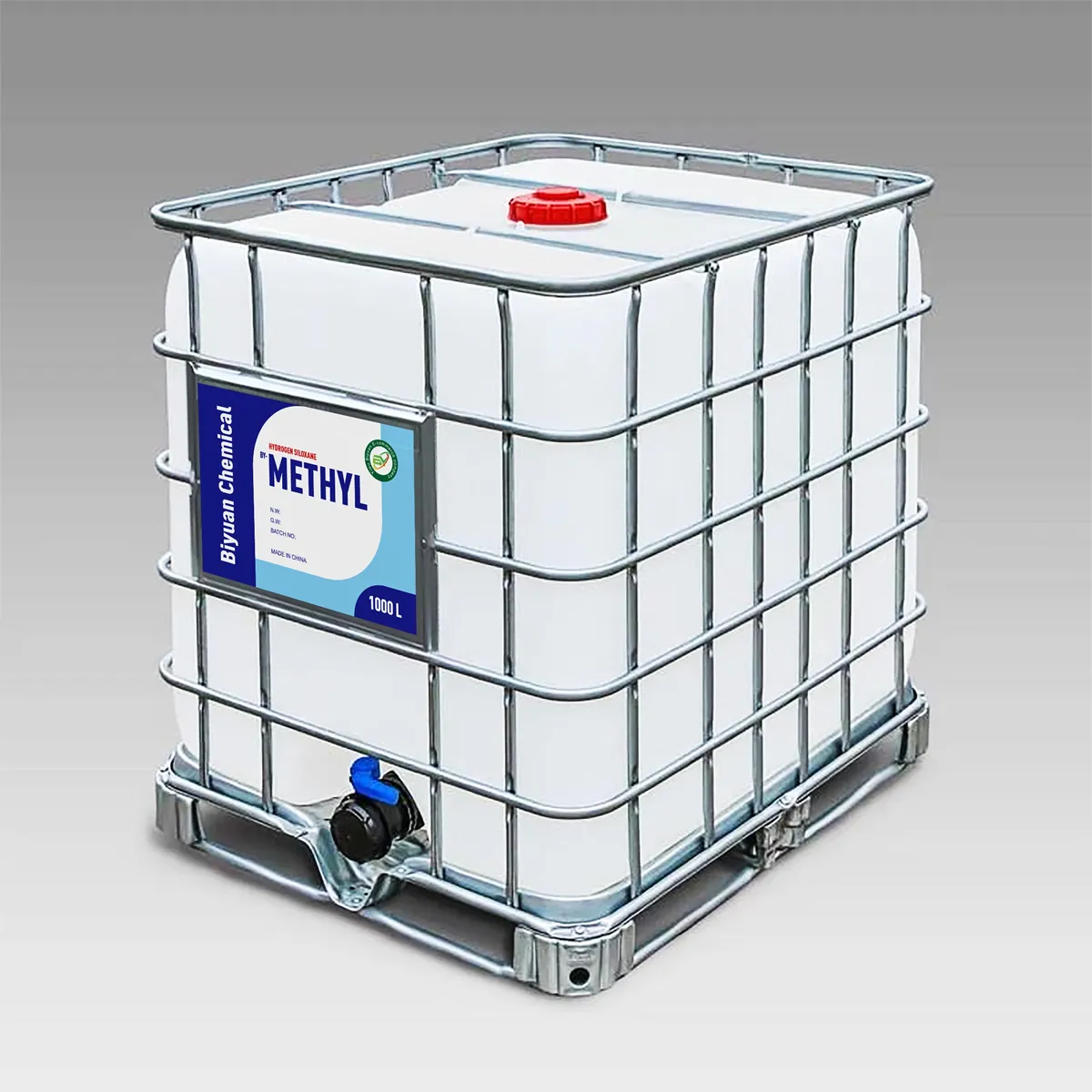
Are There Allergen Risks in Methyl Hydrogen Silicone Fluid? A Comprehensive Analysis - Methyl Hydrogen Silicone Fluid Factory
Methyl Hydrogen Silicone Fluid Factory
Methyl Hydrogen Silicone Fluid
Information Center
Everything you need to know about our products and company
Methyl Hydrogen Silicone Fluid (MH Silicone Fluid), a specialized silicone-based compound, is widely used across industries for its water-repellent, lubricating, and crosslinking properties. While it is generally regarded as safe, concerns about allergenic risks persist. This article explores the potential allergen risks associated with MH Silicone Fluid, supported by scientific insights and industry practices.
1. Understanding Methyl Hydrogen Silicone Fluid
MH Silicone Fluid, part of the poly(methylhydrosiloxane) family, contains reactive Si-H bonds that enable crosslinking and functional applications. Its unique properties make it ideal for waterproofing textiles, cosmetics, and industrial coatings . Unlike general-purpose silicone fluids, MH variants are engineered for enhanced reactivity, often serving as intermediates in polymer synthesis or adhesives .
2. Are Allergies a Concern?
Low Inherent Allergenicity
Silicone compounds, including MH Silicone Fluid, are typically hypoallergenic due to their inert chemical structure. Studies indicate that pure silicone polymers rarely trigger immune responses, as they lack functional groups prone to protein binding . For most users, direct skin contact with MH Silicone Fluid poses minimal risk.
Potential Risk Factors
Additives and Impurities: Allergic reactions are more likely linked to contaminants or additives (e.g., catalysts, stabilizers) rather than the silicone itself. For instance, trace amounts of organic tin compounds in older formulations may cause irritation .
Occupational Exposure: Industrial handlers may experience mild irritation (e.g., skin redness, itching) due to prolonged contact, but these symptoms are typically transient and non-systemic .
Sensitization Thresholds: Individuals with preexisting sensitivities to volatile organic compounds (VOCs) or rubber additives might exhibit heightened reactivity .
3. Mitigating Allergen Risks
To ensure safety, manufacturers and users should adopt:
High-Purity Formulations: Opt for MH Silicone Fluids certified under ISO 9001/14001 standards, which minimize contaminants .
Protective Measures: Use nitrile gloves, goggles, and ventilation systems during handling to reduce dermal or respiratory exposure .
Patch Testing: Conduct preliminary skin tests on small areas before large-scale applications, especially in sensitive sectors like cosmetics .
4. Applications and Industry Adoption
MH Silicone Fluid’s versatility drives its use in:
Textiles: Waterproofing fabrics while retaining breathability .
Cosmetics: As a non-comedogenic emollient in foundations and skincare .
Adhesives: Crosslinking agents for durable, weather-resistant bonds .
Leading suppliers, including Biyuan, prioritize purity and regulatory compliance, ensuring MH Silicone Fluid meets global safety benchmarks.
5. Why Partner with Biyuan?
Biyuan stands out as a trusted Methyl Hydrogen Silicone Fluid supplier, offering:
Customized Solutions: Tailored viscosities (15-45 cSt) and hydrogen content (1.5%-1.8%) for specific applications.
Quality Assurance: Rigorous testing for impurities, supported by ISO-certified facilities.
Bulk Procurement: Competitive pricing for wholesalers and manufacturers, with flexible MOQs.
By choosing Biyuan, businesses gain access to premium-grade MH Silicone Fluid that balances performance and safety.
Conclusion
While Methyl Hydrogen Silicone Fluid carries minimal inherent allergenic risks, proactive measures—such as selecting high-purity grades and adhering to safety protocols—are essential. For industries prioritizing reliability, Biyuan provides cutting-edge MH Silicone Fluid solutions that align with both performance demands and regulatory standards.
Biyuan: Your Trusted Partner in Silicone Fluid Innovation.
Introduction
In the highly competitive textile industry, manufacturers are constantly seeking innovative solutions to enhance fabric performance, improve processing efficiency, and meet evolving consumer demands for high-quality, functional, and sustainable textiles. Textile finishing—a critical stage that determines the final properties and appeal of f.
How Methyl Hydrogen Silicone Fluid Achieves Optimal Performance: Curing Insights
Methyl Hydrogen Silicone Fluid (MH Silicone Fluid) is a versatile polymer widely recognized for its water-repellent, adhesive, and crosslinking capabilities. A common question among industrial users is whether this material requires curing to unlock its full potential. The.
Understanding the Limitations of Methyl Hydrogen Silicone Fluid in Industrial Applications
Methyl Hydrogen Silicone Fluid (MH Silicone Fluid) has established itself as a critical material across diverse industries, from textiles and electronics to construction and cosmetics. As a specialized silicone polymer containing active silicon-hydrogen (Si-H) bon.
AI-Driven Optimizations Revolutionize Methyl Hydrogen Silicone Fluid Applications
The industrial landscape for Methyl Hydrogen Silicone Fluidis undergoing a profound transformation as artificial intelligence emerges as a critical enabler of innovation and efficiency. This versatile organosilicon polymer, renowned for its reactive Si-H bonds and exceptio.
Understanding the Safety Profile of Methyl Hydrogen Silicone Fluid: A Comprehensive Guide
Methyl Hydrogen Silicone Fluid (MH Silicone Fluid), a versatile silicone-based compound, is widely used across industries for its unique properties. However, concerns about its safety persist. This article explores its toxicity, regulatory compliance, and applicat.
How Environmental Regulations Are Shaping the Future of Methyl Hydrogen Silicone Fluid
The global push for environmental sustainability is transforming industrial chemical regulations, creating both challenges and opportunities for specialty materials like Methyl Hydrogen Silicone Fluid. As governments worldwide implement stricter environmental protecti.
Proper Storage Solutions for Methyl Hydrogen Silicone Fluid: A Comprehensive Guide
Methyl Hydrogen Silicone Fluid (MH Silicone Fluid), a versatile polymer with high hydrogen content, is widely used in industries ranging from textiles and construction to cosmetics and electronics. Its unique properties—such as water repellency, thermal stability, and co.
In the world of construction materials, concrete durability remains a paramount concern for engineers, architects, and builders. While concrete is renowned for its strength, its porous nature makes it vulnerable to water infiltration, chemical attacks, and environmental degradation. This is where Methyl Hydrogen Silicone Fluid emerges as a transforma.
In the world of specialty chemicals, methyl hydrogen silicone fluid stands out as a remarkably versatile polymer with unique properties that make it indispensable across numerous industries. While several factors contribute to its performance characteristics, viscosity emerges as perhaps the most critical parameter influencing how this material behaves in .
Methyl Hydrogen Silicone Fluid (MH Silicone Fluid), a specialized silicone-based compound, is widely used across industries for its water-repellent, lubricating, and crosslinking properties. While it is generally regarded as safe, concerns about allergenic risks persist. This article explores the potential allergen risks associated with MH Silicone Fluid, .
Spills and leaks, whether from industrial processes, household accidents, or natural disasters, pose significant risks to safety, property, and the environment. Proper handling requires a strategic approach to mitigate damage and ensure compliance with safety regulations. This guide outlines actionable steps for managing spills or leaks, with a focus on le.
In the world of industrial materials, cost-effectiveness is not just about the initial price tag—it’s about performance, durability, and return on investment. Methyl Hydrogen Silicone Fluid (MH Silicone Fluid) has emerged as a standout solution across multiple industries, but how does it truly measure up against alternatives when all factors are cons.
MH Silicone Fluid: The Unsung Hero in Tire Manufacturing Efficiency
In the highly competitive tire manufacturing industry, efficiency, precision, and quality are paramount. Methyl Hydrogen Silicone Fluid (PMHS), a versatile silicone polymer, has emerged as a critical specialty chemical in this sector, particularly as a high-performance release agent. I.
In the rapidly evolving electronics manufacturing industry, the selection of advanced materials directly influences product performance, reliability, and competitiveness. As electronic devices become increasingly miniaturized and multifunctional, the demand for high-performance insulating, sealing, and protective materials has grown significantly. Among th.
Methyl Hydrogen Silicone Fluid vs. Dimethyl Silicone Oil: A Comprehensive Comparison for Industrial Applications
In the world of industrial silicones, two prominent materials stand out for their unique properties and applications: Methyl Hydrogen Silicone Fluid (PMHS) and conventional dimethyl silicone oil. While both share some silicone characteristics.
Catalyst Selection for Methyl Hydrogen Silicone Fluid: Key Considerations and Applications
Methyl hydrogen silicone fluid (MH Silicone Fluid), a specialized siloxane polymer with reactive Si-H bonds, plays a pivotal role in industries ranging from adhesives to personal care. The choice of catalyst for its applications is critical to achieving optimal p.
Methyl Hydrogen Silicone Fluid (MH Silicone Fluid) is a specialized silicone product widely used in industries such as textiles, construction, cosmetics, and electronics due to its unique hydrophobic, thermal stability, and crosslinking properties. As demand grows across sectors, identifying reliable manufacturers and suppliers becomes critical for busines.
How to Achieve Optimal Mixing of Methyl Hydrogen Silicone Fluid with Solvents
Methyl Hydrogen Silicone Fluid (MH Silicone Fluid) is a versatile organosilicon compound widely used in industries ranging from construction to textiles due to its exceptional hydrophobic properties and chemical stability. Mixing it with solvents requires careful consideratio.
Understanding FDA Compliance for Methyl Hydrogen Silicone Fluid: Key Insights and Applications
Methyl Hydrogen Silicone Fluid (MH Silicone Fluid) is a versatile synthetic polymer widely used in industries ranging from pharmaceuticals to construction. One of the most critical considerations for manufacturers and suppliers is whether this material aligns.
Methyl Hydrogen Silicone Fluid, a versatile compound widely used in industries such as textiles, construction, and cosmetics, requires specialized packaging to ensure safety, stability, and compliance. Understanding the available packaging options and their applications is critical for manufacturers, distributors, and end-users. Below, we explore tailored .
The 2025 Sustainability Awards represent a pivotal moment for the chemical industry, particularly for manufacturers of Methyl Hydrogen Silicone Fluid (PMHS). As global demand for sustainable solutions intensifies, these awards recognize companies that are pioneering eco-friendly production methods, reducing environmental impact, and advancing green technol.
Polymethylhydrosiloxane (PMHS), commonly known as Methyl Hydrogen Silicone Fluid, and dimethyl silicone oil are two important organosilicon compounds with distinct properties and applications. While they share a basic silicone-oxygen backbone, the presence of reactive silicon-hydrogen (Si-H) bonds in PMHS fundamentally differentiates its performance and fu.
The Indian textile industry is undergoing a significant transformation as manufacturers increasingly adopt Poly Methyl Hydrogen Silicone (PMHS) technology to produce high-performance waterproof fabrics. This shift represents a strategic response to growing market demand for functional textiles that combine water resistance with breathability, durability, a.
Understanding How PMHS Elevates Thermal Resilience in Modern Motor Oils
For drivers and automotive enthusiasts, the phrase “heat is the enemy” isn’t just a catchy saying—it’s a reality. Modern engines operate at higher temperatures than ever, thanks to turbocharging, downsizing, and high-performance demands. This constant exposure to extreme heat can de.
The Pivotal Role of Platinum Catalysts in PMHS Cross-Linking: Technology, Applications, and Market Trends
Introduction to Platinum-Catalyzed PMHS Cross-Linking
The cross-linking of poly(methylhydrosiloxane), commonly known as methyl hydrogen silicone fluid (MH fluid), represents a sophisticated chemical process where platinum catalysts play an indi.
In the rapidly evolving global chemical industry, Methyl Hydrogen Silicone Fluid (PMHS) stands as a critical material with diverse applications across textiles, automotive, construction, and personal care sectors. As we approach 2026, the market for PMHS is projected to reach USD 0.36 billion, growing at a CAGR of 9% between 2025 and 2034. This growth traj.
Introduction
Methyl Hydrogen Silicone Fluid (CAS No. 63148-57-2), also known as methyl hydrogen polysiloxane or PMHS, is a highly versatile silicone fluid widely used across multiple industries for its exceptional water repellency, thermal stability, and crosslinking capabilities. This clear, odorless liquid contains active silicon-hydrogen (Si-H) bonds.
Methyl Hydrogen Silicone Fluid vs. Fluorosilicone: Which Delivers Unmatched Waterproofing Performance?
Waterproofing is a critical requirement across industries—from construction to textiles and electronics. Two materials often compared for their hydrophobic properties are methyl hydrogen silicone fluid and fluorosilicone. While both offer water-re.
Thermal Stability of Methyl Hydrogen Silicone Fluid: Effective Mitigation Strategies
Introduction to Thermal Degradation
Methyl Hydrogen Silicone Fluid (PMHS) is a versatile silicone-based material valued for its unique molecular structure containing active Si-H bonds. These bonds, while enabling various beneficial chemical reactions, also present .
Methyl Hydrogen Silicone Fluid: The Ultimate Plastic Processing Aid for Enhanced Performance
In the dynamic world of plastic manufacturing, achieving optimal product quality, durability, and process efficiency is paramount. Among the array of additives available, methyl hydrogen silicone fluid has emerged as a game-changing solution. This versatile c.
Executive Summary
The global methyl hydrogen silicone fluid market is experiencing significant transformation, with China emerging as the dominant force in production and supply chain dynamics. This versatile material, known for its exceptional thermal stability, water repellency, and lubrication properties, has become indispensable across diverse indus.
Exploring the Role of Methyl Hydrogen Silicone Fluid in Sustainable Catalysis
In the quest for greener industrial processes, catalyst innovation has taken center stage. Catalysts drive efficiency in chemical reactions, but their performance often hinges on the carrier material—a component that anchors active sites while influencing stability, reactivity.
Beyond Traditional Silicones: How Methyl Hydrogen Silicone Fluid Drives Sustainable Cosmetic Innovation
In an era where “clean beauty” and “eco-conscious formulation” have shifted from niche demands to industry norms, cosmetic developers face a pressing challenge: balancing performance with planetary responsibility. As consumers .
Introduction to the PMHS Landscape in China
The Chinese poly(methylhydrosiloxane) (PMHS) market has evolved into a global powerhouse, driven by robust manufacturing capabilities and growing demand across diverse industries. Known commercially as Methyl Hydrogen Silicone Fluid, this specialized silicone intermediate has become indispensable in sectors ra.
PMHS: Revolutionizing Aerospace with Lightweight Waterproofing Technology
Introduction: The Critical Role of Advanced Materials in Aerospace
The aerospace industry faces constant pressure to enhance performance, reduce weight, and improve sustainability. At the forefront of materials innovation is Poly(methyl hydrogen)siloxane (PMHS), commonly known .
The convergence of Industry 4.0 and advanced materials like Methyl Hydrogen Silicone Fluid (PMHS) is revolutionizing the waterproofing industry. This transformation is driven by the integration of cyber-physical systems, IoT, and data analytics into manufacturing and application processes, leading to unprecedented levels of efficiency, quality, and sustain.
Ensuring Safety and Durability: The Critical Role of Methyl Hydrogen Silicone Fluid in Modern Food-Grade Packaging
In an era where consumer trust in food safety is paramount, the choice of packaging materials directly impacts brand reputation and regulatory compliance. Among the specialized ingredients driving innovation in food-grade packaging, Methyl.
Introduction
Methyl Hydrogen Silicone Fluid, an organic silicon polymer containing active silicon-hydrogen (Si-H) bonds, has gained significant attention for its unique combination of reactivity and stability. This versatile material, with its molecular structure featuring both methyl groups (-CH₃) and active Si-H bonds, demonstrates exceptional perfor.
How the Pandemic Reshaped Medical Packaging: The Rise of Methyl Hydrogen Silicone Fluid
The COVID-19 pandemic served as a pivotal moment for the global healthcare industry, triggering unprecedented demand for advanced medical packaging solutions. At the heart of this transformation lies Methyl Hydrogen Silicone Fluid (PMHS), a specialized silicone polym.
Sustainable Innovation: The Growing Market for Biodegradable PMHS Formulations
In recent years, the global push for sustainability has catalyzed significant advancements in polymer science, particularly in the development of biodegradable polymer materials. Among these, Methyl Hydrogen Silicone Fluid (PMHS) has emerged as a key player, with innovative f.
Methyl hydrogen siloxane serves as a multifunctional additive that significantly improves processing characteristics and final properties in silicone rubber applications. This specialized silicone fluid features reactive Si-H groups that enable efficient cross-linking through hydrosilylation reactions with vinyl-functionalized silicone rubbers.
.
Medical-grade Methyl hydrogen siloxane serves as a versatile functional material in healthcare applications, combining high purity with reactive Si-H groups for enhanced performance. This specialized silicone fluid enables precise cross-linking in implantable devices, provides controlled drug release matrices, and creates anti-fouling surface coa.
Methyl hydrogen siloxane serves as a versatile functional additive in personal care products, leveraging its unique Si-H reactivity and silicone properties to deliver enhanced performance across various applications. This specialized material acts as an effective cross-linker in hair care products, creating durable yet flexible films that provide.
Methyl hydrogen siloxane serves as a innovative processing aid that enhances both the efficiency of leather manufacturing and the quality of finished products. This reactive silicone fluid improves leather softness and flexibility through effective fiber lubrication and molecular-level modification. Its unique chemical properties enable superior .

Contact Us
We're here to help with any questions or inquiries you may have
Contact Information
Address
No. 116, Jiangdong Street, Yiwu City, Jinhua City, Zhejiang Province,China