
Methyl Hydrogen Silicone Fluid Factory
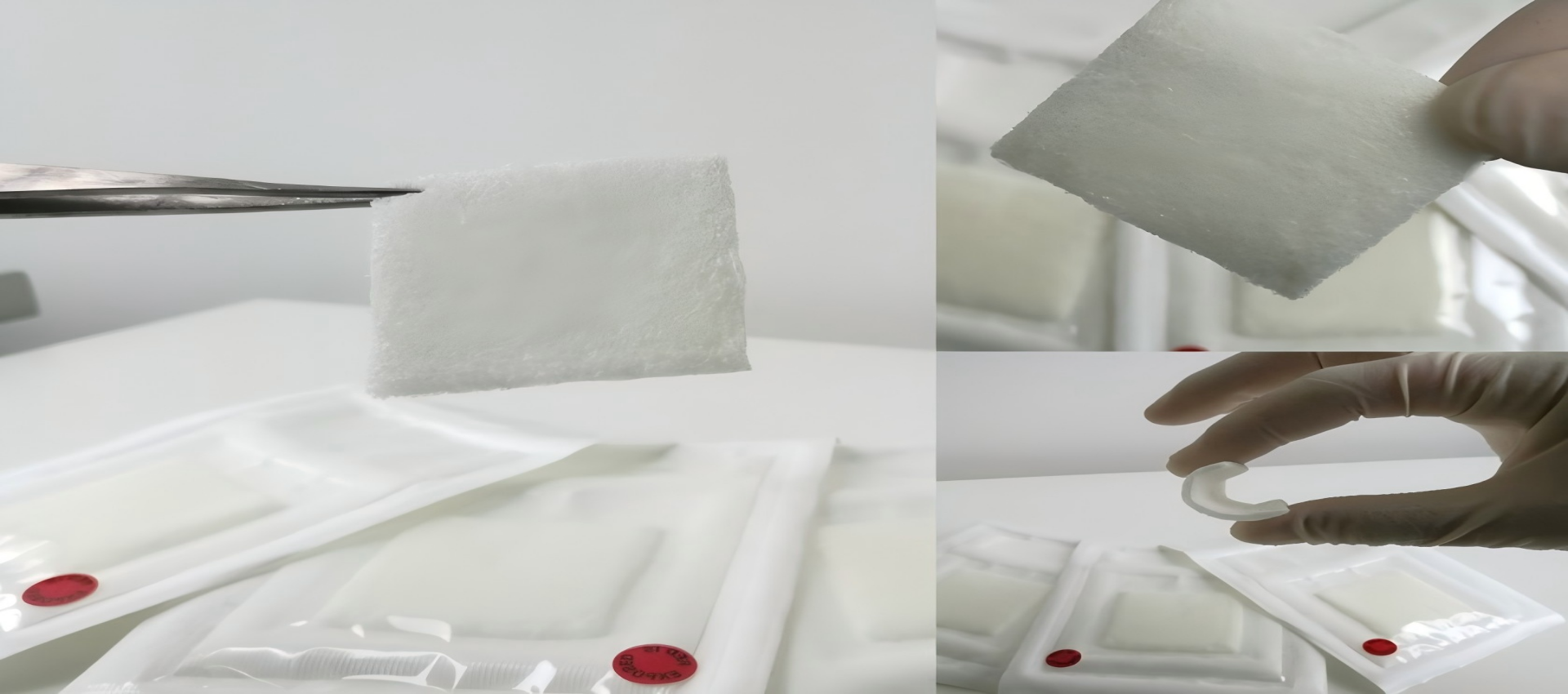
Methyl Hydrogen Silicone Fluid
Everything you need to know about our products and company
According to in-depth research by WENKH, hydrogen-containing silicone oils are classified into six grades based on hydrogen content: 0.01%–0.36%, 0.36%–0.5%, 0.5%–1%, 1%–1.5%, 1.5%–1.6%, and above 1.6%.
Among all grades, products with hydrogen content ranging from 1.5% to 1.6% represent the largest market segment, accounting for approximately 81% of total market share. This grade strikes an optimal balance between crosslinking reactivity and operational safety. It is widely adopted in textile waterproofing agents, silicone emulsions, release agents, and surface treatment systems for non-metallic substrates such as glass and ceramics. Delivering moderate to high crosslinking reactivity paired with favorable emulsification stability and low viscosity, this hydrogen-containing silicone oil has become the standard ingredient for most general and modified formulations.
Grades with 0.5%–1% hydrogen content also claim substantial market volume and serve industries requiring moderate reaction rates, including daily chemicals and lightweight coatings. Products with hydrogen content above 1.6% register the fastest growth. Driven by accelerating adoption as core raw materials for high crosslink-density materials, functional coatings, photovoltaic encapsulants and electronic-grade silicones, their superior reactivity makes them a key focus for technological innovation in high-performance silicone systems. In contrast, low-hydrogen silicone oils with hydrogen content below 1% see sluggish market growth due to limited reactivity and narrow application scope. Overall, the 1.5%–1.6% grade dominates the current market, while grades exceeding 1.6% hydrogen act as a cutting-edge growth driver.
In terms of downstream usage, hydrogen-containing silicone oils leverage the high reactivity of Si-H bonds and outstanding hydrophobicity for broad applicability across textile finishing, crosslinkers, silicone intermediates, building waterproofing and other fine chemical systems.
Textile finishing constitutes the largest downstream market with a share of roughly 42%, followed by building waterproofing and crosslinker applications. In textiles, hydrogen-containing silicone oils commonly undergo addition reactions with polyether or silicone compounds to produce functional finishing agents such as softeners and slip agents. These endow fabrics with exceptional softness, wrinkle resistance and long-lasting performance, suitable for cotton, chemical fibers, blended fabrics and other textiles.
For building waterproofing, the strong hydrophobicity of hydrogen-containing silicone oils is harnessed in concrete admixtures, coating additives and sealant formulas to greatly boost weather resistance and moisture-proof performance of construction surfaces. This application sector boasts the fastest growth, fueled by green building development, urban renewal and municipal infrastructure construction. As crosslinkers, these materials function as critical additives in curing systems for silicone elastomers and silicone resins, enabling structural shaping during the production of liquid silicone rubber and high-temperature vulcanized rubber. Within silicone intermediates, hydrogen-containing silicone oils facilitate structural adjustment and functional group grafting to support R&D of high-end functional silicone materials. Other segments including cosmetics and specialty coatings hold promising potential but currently occupy minor market shares. To sum up, textile finishing remains the most prevalent application field, while building waterproofing ranks as the fastest-growing market track.
Our most popular products loved by customers worldwide
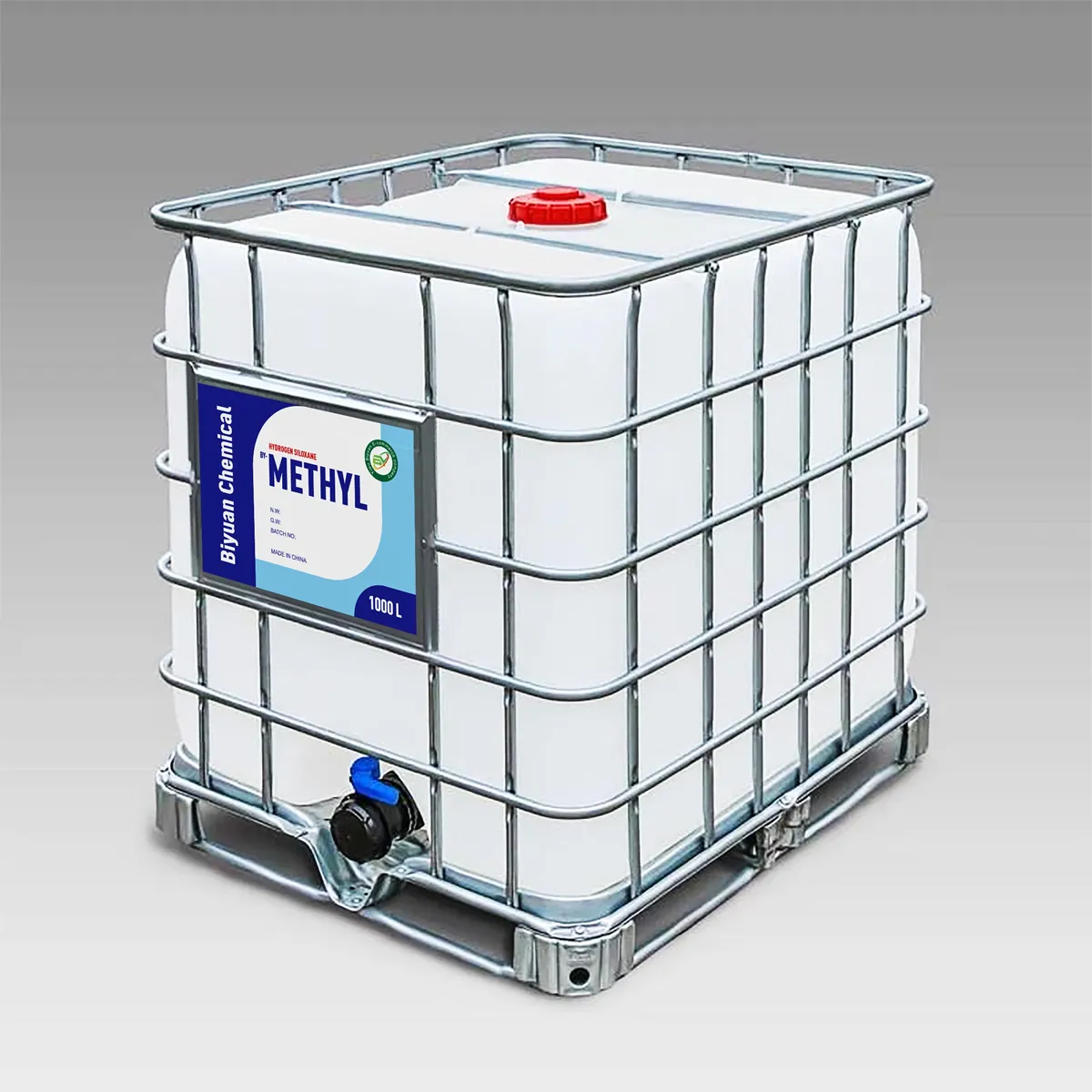
Methyl hydrogen siloxane serves as a multifunctional additive that significantly improves processing characteristics and final properties in silicone rubber applications. This specialized silicone fluid features reactive Si-H groups that enable efficient cross-linking through hydrosilylation reactions with vinyl-functionalized silicone rubbers. .
Medical-grade Methyl hydrogen siloxane serves as a versatile functional material in healthcare applications, combining high purity with reactive Si-H groups for enhanced performance. This specialized silicone fluid enables precise cross-linking in implantable devices, provides controlled drug release matrices, and creates anti-fouling surface coa.
Methyl hydrogen siloxane serves as a versatile functional additive in personal care products, leveraging its unique Si-H reactivity and silicone properties to deliver enhanced performance across various applications. This specialized material acts as an effective cross-linker in hair care products, creating durable yet flexible films that provide.
Methyl hydrogen siloxane serves as a innovative processing aid that enhances both the efficiency of leather manufacturing and the quality of finished products. This reactive silicone fluid improves leather softness and flexibility through effective fiber lubrication and molecular-level modification. Its unique chemical properties enable superior .