Application Technology of Dimethicone in Medical Devices and Pharmaceutical Packaging Materials - Methyl Hydrogen Silicone Fluid Factory
Methyl Hydrogen Silicone Fluid Factory
Methyl Hydrogen Silicone Fluid Factory
Methyl Hydrogen Silicone Fluid
Information Center
Everything you need to know about our products and company
Siliconization: A process in which dimethicone (or diluted dimethicone solution) is evenly sprayed onto the surface of devices or materials, followed by drying, to form a thin dimethicone coating on the surface. The preferred siliconization level is generally 0.012–0.02 mg/cm². After siliconization, the relevant properties of the products are significantly improved.
Siliconization markedly improves the compatibility of dental materials.
Surface siliconization of surgical instruments and injection needle tips reduces tissue trauma and facilitates puncture.
Thanks to the anticoagulant property of dimethicone, siliconization of vacuum blood collection tubes, blood reservoirs and hemodialysis devices can extend the storage time of blood samples and defoam blood in blood circulation assemblies.
Butyl rubber stoppers have a high surface friction coefficient, making surface treatment essential. Siliconization is a conventional method to resolve operational and mechanical issues of stoppers.
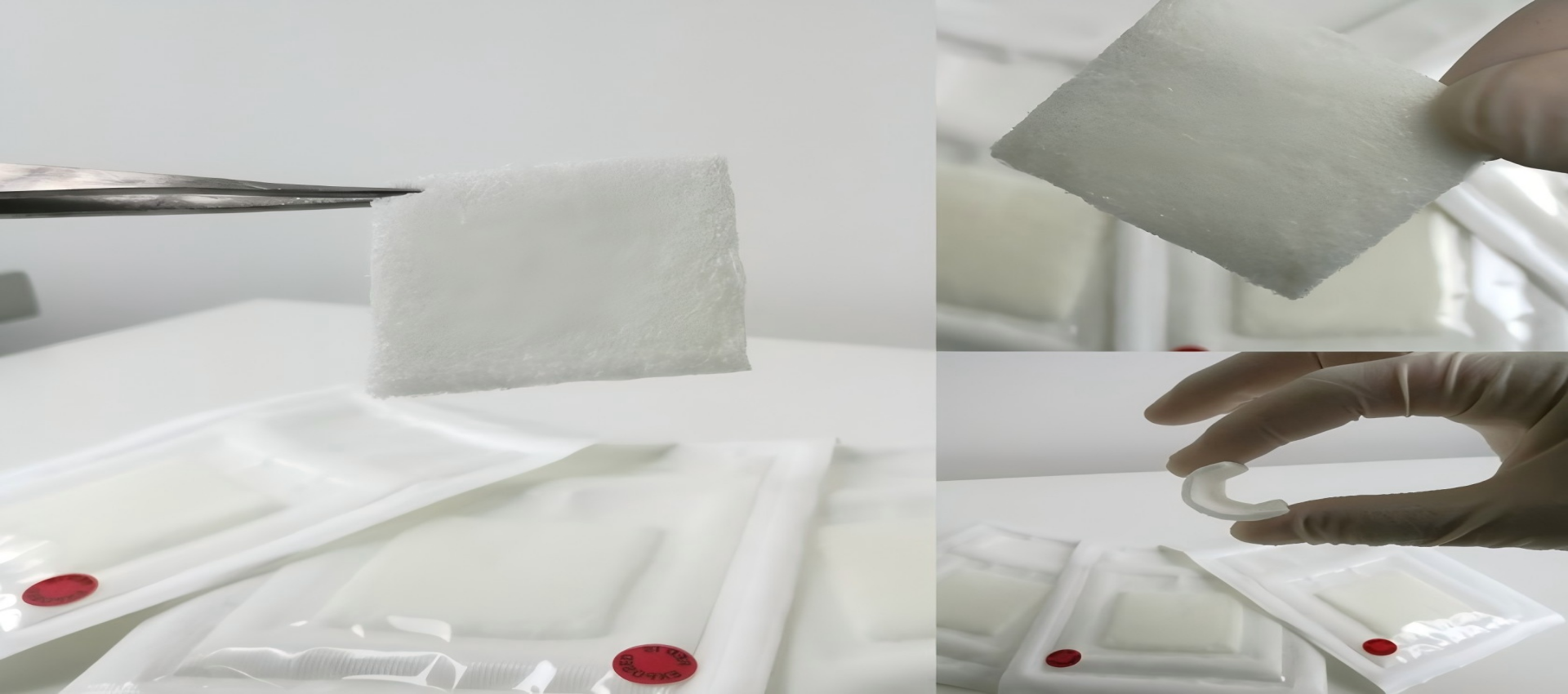
Surface siliconization of single-use dressings such as gauze and absorbent cotton prevents adhesion to wounds.
It serves as lubricating oil for medical devices, e.g., lubrication for disposable syringes, and is the safest lubricant for such applications.
Dimethicone is the preferred benzene free lubricant for condoms.
Dimethicone can be directly used as first aid medication for superficial burns and scalds (household standby) and for scar prevention and treatment.
Dimethicone is a risk free lubricant for sexual use among middle aged and elderly people.
There are substantial differences between industrial grade dimethicone and pharmaceutical grade dimethicone (raw material for pharmaceuticals) in terms of raw materials, production processes, production environments, quality control, quality specifications and impurity profiles, resulting in distinct product quality gaps. Industrial grade dimethicone contains a variety of complex, harmful chemical substances, and no relevant test methods are specified under general standards. Therefore, manufacturers of pharmaceuticals, medical devices, food and cosmetics are advised to adopt pharmaceutical grade dimethicone as the raw material to ensure the safety of these products that are directly related to public life and health.
Understanding the Flash Point of Methyl Hydrogen Silicone Fluid: Key Properties and Applications
Methyl Hydrogen Silicone Fluid (MH Silicone Fluid) is a versatile polymer widely used in industries ranging from cosmetics to aerospace. One of its critical safety and performance parameters is its flash point, which determines its flammability under speci.
In industries ranging from construction to textiles, Methyl Hydrogen Silicone Fluid (MH-SF) has emerged as a critical material for applications requiring water repellency, flexibility, and thermal stability. As demand grows, businesses increasingly seek suppliers capable of not only delivering high-quality products but also providing robust technical su.
In the precision-driven world of silicone material engineering, achieving target mechanical properties, environmental resistance, and thermal stability is fundamentally a function of crosslink network architecture. For formulators developing addition-cure silicones—from liquid injection-molded rubbers and high-consistency sealants to specialized adhesives .
Emerging Applications and Innovations in Methyl Hydrogen Silicone Fluid: A Market Shift Towards High-Performance Solutions
The global chemical industry is witnessing a significant transformation, driven by technological advancements and evolving regulatory landscapes. Within this dynamic environment, Methyl Hydrogen Silicone Fluid(PMHS) is experiencing .
The Film-Forming Process of Methyl Hydrogen Silicone Fluid: A Comprehensive Guide
Introduction to Methyl Hydrogen Silicone Fluid
Methyl Hydrogen Silicone Fluid (PMHS) represents a unique category of silicone polymers characterized by active Si-H bonds in their molecular structure. Unlike conventional dimethyl silicone oils, this specialized fluid p.
Measuring Surface Tension of Methyl Hydrogen Silicone Fluid: Methods and Applications
Understanding Methyl Hydrogen Silicone Fluid
Methyl Hydrogen Silicone Fluid, also known as polymethylhydrogensiloxane, is a versatile organosilicon compound where some methyl groups in dimethyl silicone oil are replaced by hydrogen atoms. This chemical modification .
Understanding Hydrogen Content in Methyl Hydrogen Silicone Fluids
Methyl Hydrogen Silicone Fluids (MH Silicone Fluids) are specialized polymers widely recognized for their unique balance of stability and reactivity. A critical parameter defining their performance is hydrogen content, which directly influences their chemical behavior, application scope.
Methyl Hydrogen Silicone Fluid vs. Fluorosilicone Fluids: A Technical and Application-Based Comparison
In the world of specialized silicone fluids, Methyl Hydrogen Silicone Fluid and fluorosilicone fluids represent two powerful classes of materials with distinct properties and applications. For engineers, product developers, and formulators, selecting .
Methyl Hydrogen Silicone Fluid: Ensuring Safety and Performance in Food-Grade Packaging
The Critical Role of Methyl Hydrogen Silicone Fluid in Modern Food Packaging
In today’s competitive food industry, consumer trust in food safety is paramount, and packaging materials play a crucial role in maintaining this trust. Methyl Hydrogen Silicone Fl.
Understanding the Safety Profile of Methyl Hydrogen Silicone Fluid: A Comprehensive Guide
Methyl Hydrogen Silicone Fluid (MH Silicone Fluid), a versatile silicone-based compound, is widely used across industries for its unique properties. However, concerns about its safety persist. This article explores its toxicity, regulatory compliance, and applicat.
Understanding the Volatility of Methyl Hydrogen Silicone Fluid: Key Insights and Applications
Methyl Hydrogen Silicone Fluid (MH Silicone Fluid), a specialized type of silicone polymer containing both methyl groups and reactive silicon-hydrogen (Si-H) bonds, is widely recognized for its unique balance of stability and reactivity. One of its most critic.
In the precise architecture of advanced silicone materials, the transition from fluid components to a resilient, cross-linked network hinges on a critical reactive partner. For developers of addition-cure silicones—from soft gels and flexible adhesives to durable seals and high-temperature composites—the crosslinker is not merely an additive but the essent.
How MH Silicone Fluid Enhances Material Flexibility in Industrial Applications
Methyl Hydrogen Silicone Fluid (MHSF) is a versatile organosilicon polymer renowned for its unique molecular structure, which combines methyl groups (-CH₃) and reactive silicon-hydrogen (Si-H) bonds. Unlike conventional silicone oils, MHSF actively participates in crosslinki.
The cosmetic industry is characterized by its dynamic innovation, stringent quality standards, and ever-evolving consumer demands for products that deliver both performance and safety. Within this competitive landscape, cosmetic ingredient distributors play a pivotal role as intermediaries, connecting manufacturers with formulators and brands. The selectio.
What is Methyl Hydrogen Silicone Fluid (MH Silicone Fluid)?
Methyl Hydrogen Silicone Fluid (MH Silicone Fluid), also known as polymethylhydrosiloxane (PMHS), is a specialized silicone-based polymer widely recognized for its unique hydrophobic properties and versatility in industrial and consumer applications. With the CAS number 63148-57-2, this flui.
How to Achieve Optimal Mixing of Methyl Hydrogen Silicone Fluid with Solvents
Methyl Hydrogen Silicone Fluid (MH Silicone Fluid) is a versatile organosilicon compound widely used in industries ranging from construction to textiles due to its exceptional hydrophobic properties and chemical stability. Mixing it with solvents requires careful consideratio.
Introduction
In the highly competitive textile industry, manufacturers are constantly seeking innovative solutions to enhance fabric performance, improve processing efficiency, and meet evolving consumer demands for high-quality, functional, and sustainable textiles. Textile finishing—a critical stage that determines the final properties and appeal of f.
Understanding FDA Compliance for Methyl Hydrogen Silicone Fluid: Key Insights and Applications
Methyl Hydrogen Silicone Fluid (MH Silicone Fluid) is a versatile synthetic polymer widely used in industries ranging from pharmaceuticals to construction. One of the most critical considerations for manufacturers and suppliers is whether this material aligns.
Key Applications of Methyl Hydrogen Silicone Fluid Across Industries
Methyl Hydrogen Silicone Fluid (MH Silicone Fluid) has emerged as a versatile and high-performance material, driven by its unique chemical structure and reactive properties. Its ability to form durable hydrophobic coatings, enhance thermal stability, and improve material compatibility.
Understanding the Reaction Mechanism of Methyl Hydrogen Silicone Fluid with Alkenes
Methyl Hydrogen Silicone Fluid (MHFS), a specialized silicone polymer containing reactive Si-H bonds, exhibits unique reactivity with alkenes, making it indispensable in industrial applications. This article explores the chemical interactions, catalytic requirements, an.
Reaction Mechanism
The addition-curing system relies on platinum-catalyzed hydrosilylation reaction. The Si-CH=CH₂ groups on vinyl silicone oil (base gum) react with the Si-H bonds of hydrogen-containing silicone oil to form crosslinks. No small molecules volatilize and no byproducts are generated during the reaction, which can be cured at ambient tempe.
Flash Point Analysis: Critical Safety Protocols for Handling Methyl Hydrogen Silicone Fluid
Methyl Hydrogen Silicone Fluid (MHSF) represents a specialized category of silicone polymers characterized by reactive silicon-hydrogen (Si-H) bonds within their molecular structure. These fluids serve as crucial components across diverse industrial sectors, in.
The Indian textile industry is undergoing a significant transformation as manufacturers increasingly adopt Poly Methyl Hydrogen Silicone (PMHS) technology to produce high-performance waterproof fabrics. This shift represents a strategic response to growing market demand for functional textiles that combine water resistance with breathability, durability, a.
PMHS: Revolutionizing Aerospace with Lightweight Waterproofing Technology
Introduction: The Critical Role of Advanced Materials in Aerospace
The aerospace industry faces constant pressure to enhance performance, reduce weight, and improve sustainability. At the forefront of materials innovation is Poly(methyl hydrogen)siloxane (PMHS), commonly known .
The global chemical industry is undergoing a transformative shift toward sustainable manufacturing, and suppliers of Polymethylhydrosiloxane (PMHS), commonly known as Methyl Hydrogen Silicone Fluid, are at the forefront of this change. Through strategic localization of production and technological innovation, these companies are significantly reducing thei.
The convergence of Industry 4.0 and advanced materials like Methyl Hydrogen Silicone Fluid (PMHS) is revolutionizing the waterproofing industry. This transformation is driven by the integration of cyber-physical systems, IoT, and data analytics into manufacturing and application processes, leading to unprecedented levels of efficiency, quality, and sustain.
Methyl Hydrogen Silicone Fluid vs. Fluorosilicone: Which Delivers Unmatched Waterproofing Performance?
Waterproofing is a critical requirement across industries—from construction to textiles and electronics. Two materials often compared for their hydrophobic properties are methyl hydrogen silicone fluid and fluorosilicone. While both offer water-re.
Methyl Hydrogen Silicone Fluid: The Ultimate Plastic Processing Aid for Enhanced Performance
In the dynamic world of plastic manufacturing, achieving optimal product quality, durability, and process efficiency is paramount. Among the array of additives available, methyl hydrogen silicone fluid has emerged as a game-changing solution. This versatile c.
Methyl silicone oil forms an oriented lubricating film on fiber surfaces and reduces the friction coefficient between fibers, delivering a notable enhancement in fabric softness at the molecular level. The subjective hand-feel score of treated cotton fabrics can rise from 3.5 to 8.2.
Practical Softness Performance
Smoothness: Treated fabrics feel fr.
Global Surge in Methyl Hydrogen Silicone Fluid Demand Driven by Green Technology and Electronics
The global market for Polymethylhydrosiloxane (PMHS), commonly known as Methyl Hydrogen Silicone Fluid, is experiencing a significant upswing in 2025. This versatile organic silicone polymer, renowned for its exceptional thermal stability, chemical inertness.
Hydrogen containing silicone oil is an organosilicon polymer with a siloxane main chain and reactive silicon hydrogen bonds (Si H) on side chains or terminal ends. The active hydrogen in its molecular structure endows it with excellent cross linking property, hydrophobicity and reactivity. As a key intermediate for deep processing of downstream organosilic.
Asian Methyl Hydrogen Silicone Fluid Exports to Europe: Market Dynamics and Future Outlook
Introduction: The Growing Transcontinental Trade
The export flow of Methyl Hydrogen Silicone Fluid from Asia to Europe represents a critical segment of the global specialty chemicals trade, characterized by evolving supply chains, stringent regulatory framework.
Unlocking Precision Manufacturing: The Role of Methyl Hydrogen Silicone Fluid in 3D Printing and Electronics
In advanced manufacturing, material innovation often drives breakthroughs in product performance and process efficiency. Among the unsung heroes of modern industry, methyl hydrogen silicone fluid (also referred to as methylhydrogen polysiloxane.
Introduction
Methyl Hydrogen Silicone Fluid, an organic silicon polymer containing active silicon-hydrogen (Si-H) bonds, has gained significant attention for its unique combination of reactivity and stability. This versatile material, with its molecular structure featuring both methyl groups (-CH₃) and active Si-H bonds, demonstrates exceptional perfor.
On July 14, KCC hosted the inaugural Robotics Technology Exchange Seminar at its R&D center located in Giheung-gu, Yongin-si, South Korea. The event brought together the research team led by Professor Park Yongrae from the Robotics Research Institute of Seoul National University, alongside researchers and technical specialists from both parties. Roughl.
Methyl Hydrogen Silicone Fluid: Certifications and Compliance for Sustainable Construction
Introduction to Green Building Materials and PMHS
The global construction industry is undergoing a fundamental transformation toward sustainability, driven by increasingly stringent environmental regulations and growing consumer demand for eco-friendly building.
Innovations in Low-VOC Methyl Hydrogen Silicone Fluid for Global Compliance
Introduction
The global demand for environmentally responsible chemical solutions is transforming the specialty chemicals sector. Methyl hydrogen silicone fluid (PMHS), a versatile organosilicon compound, is undergoing significant reformulation to meet increasingly stringen.
Introduction
Methyl Hydrogen Silicone Fluid (CAS No. 63148-57-2), also known as methyl hydrogen polysiloxane or PMHS, is a highly versatile silicone fluid widely used across multiple industries for its exceptional water repellency, thermal stability, and crosslinking capabilities. This clear, odorless liquid contains active silicon-hydrogen (Si-H) bonds.
Thermal Stability of Methyl Hydrogen Silicone Fluid: Effective Mitigation Strategies
Introduction to Thermal Degradation
Methyl Hydrogen Silicone Fluid (PMHS) is a versatile silicone-based material valued for its unique molecular structure containing active Si-H bonds. These bonds, while enabling various beneficial chemical reactions, also present .
How a European Textile Brand Mastered the Chinese Market Using Methyl Hydrogen Silicone Fluid
Introduction: The Technical Textile Breakthrough
In the highly competitive global textile industry, European brands constantly seek innovative approaches to penetrate lucrative markets like China. One notable success story involves a forward-thinking Europea.
Methyl hydrogen siloxane serves as a multifunctional additive that significantly improves processing characteristics and final properties in silicone rubber applications. This specialized silicone fluid features reactive Si-H groups that enable efficient cross-linking through hydrosilylation reactions with vinyl-functionalized silicone rubbers.
.
Medical-grade Methyl hydrogen siloxane serves as a versatile functional material in healthcare applications, combining high purity with reactive Si-H groups for enhanced performance. This specialized silicone fluid enables precise cross-linking in implantable devices, provides controlled drug release matrices, and creates anti-fouling surface coa.
Methyl hydrogen siloxane serves as a versatile functional additive in personal care products, leveraging its unique Si-H reactivity and silicone properties to deliver enhanced performance across various applications. This specialized material acts as an effective cross-linker in hair care products, creating durable yet flexible films that provide.
Methyl hydrogen siloxane serves as a innovative processing aid that enhances both the efficiency of leather manufacturing and the quality of finished products. This reactive silicone fluid improves leather softness and flexibility through effective fiber lubrication and molecular-level modification. Its unique chemical properties enable superior .
Contact Us
We're here to help with any questions or inquiries you may have
Contact Information
Address
No. 116, Jiangdong Street, Yiwu City, Jinhua City, Zhejiang Province,China