Do Suppliers Offer Technical Support for MH Silicone Fluid? - Methyl Hydrogen Silicone Fluid Factory
Methyl Hydrogen Silicone Fluid Factory
Methyl Hydrogen Silicone Fluid
Information Center
Everything you need to know about our products and company
In industries ranging from construction to textiles, Methyl Hydrogen Silicone Fluid (MH-SF) has emerged as a critical material for applications requiring water repellency, flexibility, and thermal stability. As demand grows, businesses increasingly seek suppliers capable of not only delivering high-quality products but also providing robust technical support. This article explores how leading suppliers address technical challenges, optimize product performance, and ensure seamless integration of MH-SF into diverse applications.
The Role of Technical Support in MH-SF Applications
MH-SF’s unique reactive Si-H bonds make it indispensable for waterproofing, softening, and crosslinking. However, its effectiveness depends on proper formulation, application methods, and compatibility with substrates. Suppliers specializing in MH-SF understand these nuances and offer tailored technical guidance to clients. For instance:
Application-Specific Solutions: Suppliers like Jiangshan Sunoit and Singshine Silicones provide detailed compatibility testing for materials such as gypsum boards, textiles, and ceramics, ensuring optimal water resistance and durability .
Formulation Assistance: Technical teams help clients adjust parameters like viscosity (e.g., 20–30 cSt) and hydrogen content (1.55–1.60%) to meet specific performance criteria, such as low-temperature crosslinking for waterproof membranes .
Quality Assurance: Certifications like ISO 10993 and USP Class VI validate the safety and consistency of MH-SF, critical for medical and food-contact applications .
Key Features of MH-SF Suppliers
Advanced Production CapabilitiesLeading manufacturers utilize state-of-the-art facilities to produce MH-SF with high-purity standards (≥97% non-volatile content). For example, Zhejiang Sucon Silicone maintains strict quality control to ensure minimal volatile residues (<0.5%), essential for electronics and high-performance coatings .
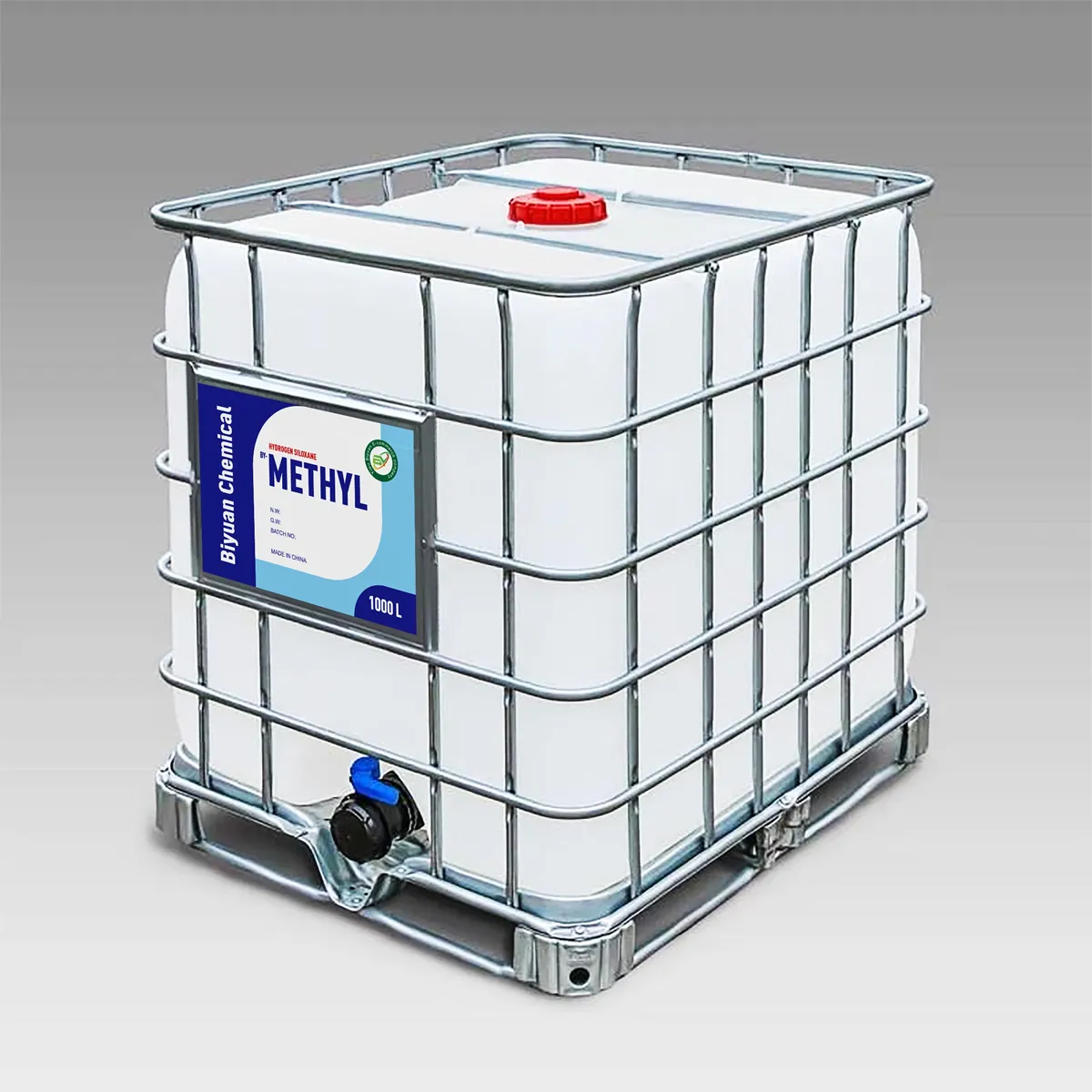
Global Supply NetworksSuppliers such as Wacker Metroark and Guanzhou Conson Silicone offer flexible packaging options (200 kg drums, IBC tanks) and reliable logistics to meet bulk orders across regions, including North America, Europe, and Asia .
Customized Technical Solutions
Textile Industry: MH-SF is used as a hydrophobic agent and softener. Suppliers like SiSiB SILICONES provide crosslinking agents to enhance fabric durability and water repellency .
Construction: Technical support includes optimizing MH-SF for gypsum boards, ensuring <10% water absorption and long-term stability .
Why Partner with MH-SF Suppliers?
Innovation-Driven R&D: Suppliers invest in labs equipped with advanced analytical tools (e.g., FTIR, viscosity testers) to refine formulations. Biyuan, for instance, leverages proprietary catalysts to improve Si-H reactivity, enabling faster curing times .
Scalability: From small batches to 1,000-ton monthly outputs, suppliers adapt to client needs. WL Chemical and Jiande City Silibase ensure consistent supply for industries like cosmetics and adhesives .
Sustainability: Many suppliers prioritize eco-friendly practices, such as recyclable packaging and energy-efficient production, aligning with global ESG trends .
Choosing the Right Supplier
When selecting an MH-SF supplier, consider:
Technical Expertise: Look for partners with certifications (e.g., ISO, REACH) and experience in your industry.
Customization: Ensure they offer tailored solutions, such as modified viscosities or hybrid formulations for niche applications.
For example, Biyuan combines advanced manufacturing with a dedicated technical team to address client-specific challenges, from optimizing crosslinking ratios to resolving adhesion issues in complex substrates .
Conclusion
Suppliers of Methyl Hydrogen Silicone Fluid play a pivotal role in bridging product innovation and industrial application. By offering technical guidance, quality assurance, and scalable solutions, they empower businesses to unlock MH-SF’s full potential. Whether you’re in textiles, construction, or electronics, partnering with a knowledgeable supplier ensures reliable performance and long-term success.
For further details on MH-SF specifications or procurement, consult industry-leading suppliers like Biyuan, whose expertise spans over two decades of material science advancements.
What Makes Methyl Hydrogen Silicone Fluid a Game-Changer in Waterproofing?
Waterproofing is a cornerstone of modern construction and material science, where innovation meets practicality. Among the array of waterproofing agents, Methyl Hydrogen Silicone Fluid (MHFS) stands out for its unique chemical properties and versatility. This article explore.
Innovations Shaping MH Silicone Fluid R&D
The global Methyl Hydrogen Silicone Fluid market is undergoing a significant transformation, driven by advanced material demands across textiles, electronics, automotive, and construction industries. With the market projected to reach an estimated $0.6 billion by 2031, registering a CAGR of 8.5%, innovation .
Can MH Silicone Fluid Be Used in Pharmaceutical Coatings?
In the rapidly evolving pharmaceutical industry, excipient safety and functional performance are paramount. Methyl Hydrogen Silicone Fluid (MH Silicone Fluid) has emerged as a material of significant interest for advanced coating applications due to its unique chemical properties and safety profi.
How MH Silicone Fluid Excels in High-Humidity Environments: A Comprehensive Guide
In industries where moisture control is critical—construction, textiles, electronics, and more—Methyl Hydrogen Silicone Fluid (MHHSF) has emerged as a game-changing solution. But can it withstand high-humidity environments? Let’s dive into its scientific properties, app.
In the world of specialty chemicals, methyl hydrogen silicone fluid stands out as a remarkably versatile polymer with unique properties that make it indispensable across numerous industries. While several factors contribute to its performance characteristics, viscosity emerges as perhaps the most critical parameter influencing how this material behaves in .
MH Silicone Fluid in Medical Implants: A Comprehensive Analysis
Methyl Hydrogen Silicone Fluid (MH Silicone Fluid) has emerged as a significant material in various industrial applications, but its potential use in medical implants requires careful examination. This article explores the properties, regulatory considerations, and practical implications of.
The cosmetic industry is characterized by its dynamic innovation, stringent quality standards, and ever-evolving consumer demands for products that deliver both performance and safety. Within this competitive landscape, cosmetic ingredient distributors play a pivotal role as intermediaries, connecting manufacturers with formulators and brands. The selectio.
Methyl Hydrogen Silicone Fluid (MH Silicone Fluid), a versatile polymer with reactive Si-H bonds, is widely used across industries for its waterproofing, lubricating, and crosslinking properties. Its price range varies significantly based on purity, viscosity, and supplier specifications. Below is a detailed analysis of its pricing trends, key applications.
Understanding the Flash Point of Methyl Hydrogen Silicone Fluid: Key Properties and Applications
Methyl Hydrogen Silicone Fluid (MH Silicone Fluid) is a versatile polymer widely used in industries ranging from cosmetics to aerospace. One of its critical safety and performance parameters is its flash point, which determines its flammability under speci.
Methyl Hydrogen Silicone Fluid (MH Silicone Fluid), a specialized type of silicone polymer, has gained significant attention in industries ranging from construction to personal care. However, a critical question arises: Is MH Silicone Fluid biodegradable? This article explores the environmental impact, sustainability, and practical applications of MH Si.
In the world of specialty chemicals and advanced materials, the quality of your raw materials directly determines the performance, reliability, and competitiveness of your final products. For formulators, manufacturers, and R&D teams seeking to develop high-performance solutions across diverse industries—from textiles and electronics to automotive and .
Understanding the Volatility of Methyl Hydrogen Silicone Fluid: Key Insights and Applications
Methyl Hydrogen Silicone Fluid (MH Silicone Fluid), a specialized type of silicone polymer containing both methyl groups and reactive silicon-hydrogen (Si-H) bonds, is widely recognized for its unique balance of stability and reactivity. One of its most critic.
The Film-Forming Process of Methyl Hydrogen Silicone Fluid: A Comprehensive Guide
Introduction to Methyl Hydrogen Silicone Fluid
Methyl Hydrogen Silicone Fluid (PMHS) represents a unique category of silicone polymers characterized by active Si-H bonds in their molecular structure. Unlike conventional dimethyl silicone oils, this specialized fluid p.
Mitigating Risks in Industrial Applications: The Hidden Costs of Over-Application
In industrial and commercial sectors, the pursuit of efficiency often leads to over-reliance on chemical solutions—a practice that can backfire dramatically. Methyl Hydrogen Silicone Fluid, a versatile silicone-based compound, exemplifies this dilemma. While it offers exc.
Is MH Silicone Fluid Eco-Friendly? A Comprehensive Analysis of Methyl Hydrogen Silicone Fluid
In the pursuit of sustainable alternatives, Methyl Hydrogen Silicone Fluid (MH Silicone Fluid) has emerged as a topic of interest. But is it truly eco-friendly? This article dives into its environmental impact, applications, and innovations, while addressin.
Methyl Hydrogen Silicone Fluid (MH Silicone Fluid) has emerged as a critical material in industries ranging from textiles to electronics due to its unique properties, such as thermal stability, water repellency, and chemical inertness. However, concerns about volatile organic compound (VOC) emissions during its production, application, and disposal have sp.
Understanding Methyl Hydrogen Silicone Fluid (MH Silicone Fluid): Properties, Applications, and Industry Insights
Methyl Hydrogen Silicone Fluid (MH Silicone Fluid), chemically known as polymethylhydrosiloxane (PMHS), is a specialized silicone compound that has become indispensable across diverse industrial sectors. This fluid, characterized by its uni.
Understanding SDS Requirements for Methyl Hydrogen Silicone Fluid
Methyl Hydrogen Silicone Fluid (MH Silicone Fluid) is a specialized chemical widely used in industries such as textiles, electronics, and coatings due to its unique reactivity and stability. Ensuring compliance with Safety Data Sheet (SDS) requirements is critical for safe handling, stor.
Understanding the Reaction Mechanism of Methyl Hydrogen Silicone Fluid with Alkenes
Methyl Hydrogen Silicone Fluid (MHFS), a specialized silicone polymer containing reactive Si-H bonds, exhibits unique reactivity with alkenes, making it indispensable in industrial applications. This article explores the chemical interactions, catalytic requirements, an.
How Methyl Hydrogen Silicone Fluid Elevates Textile Performance
Methyl Hydrogen Silicone Fluid (MH Silicone Fluid) has emerged as a game-changing solution in textile manufacturing, offering transformative benefits across diverse fabric types. Its unique chemical structure—featuring reactive Si-H bonds and hydrophobic properties—enables tailored finishe.
Introduction to the PMHS Landscape in China
The Chinese poly(methylhydrosiloxane) (PMHS) market has evolved into a global powerhouse, driven by robust manufacturing capabilities and growing demand across diverse industries. Known commercially as Methyl Hydrogen Silicone Fluid, this specialized silicone intermediate has become indispensable in sectors ra.
The global shipping landscape for Methyl Hydrogen Silicone Fluid (PMHS) faces unprecedented challenges in 2025, driven by complex logistics disruptions and volatile tariff policies. As the market for this essential chemical compound continues to expand—projected to reach USD 520 million by 2031 with an 8.5% CAGR—supply chain professionals must navigate a p.
The 2025 Sustainability Awards represent a pivotal moment for the chemical industry, particularly for manufacturers of Methyl Hydrogen Silicone Fluid (PMHS). As global demand for sustainable solutions intensifies, these awards recognize companies that are pioneering eco-friendly production methods, reducing environmental impact, and advancing green technol.
Global Surge in Methyl Hydrogen Silicone Fluid Demand Driven by Green Technology and Electronics
The global market for Polymethylhydrosiloxane (PMHS), commonly known as Methyl Hydrogen Silicone Fluid, is experiencing a significant upswing in 2025. This versatile organic silicone polymer, renowned for its exceptional thermal stability, chemical inertness.
Introduction
Methyl Hydrogen Silicone Fluid (CAS No. 63148-57-2), also known as methyl hydrogen polysiloxane or PMHS, is a highly versatile silicone fluid widely used across multiple industries for its exceptional water repellency, thermal stability, and crosslinking capabilities. This clear, odorless liquid contains active silicon-hydrogen (Si-H) bonds.
How the Pandemic Reshaped Medical Packaging: The Rise of Methyl Hydrogen Silicone Fluid
The COVID-19 pandemic served as a pivotal moment for the global healthcare industry, triggering unprecedented demand for advanced medical packaging solutions. At the heart of this transformation lies Methyl Hydrogen Silicone Fluid (PMHS), a specialized silicone polym.
In the rapidly evolving global chemical industry, Methyl Hydrogen Silicone Fluid (PMHS) stands as a critical material with diverse applications across textiles, automotive, construction, and personal care sectors. As we approach 2026, the market for PMHS is projected to reach USD 0.36 billion, growing at a CAGR of 9% between 2025 and 2034. This growth traj.
Asian Methyl Hydrogen Silicone Fluid Exports to Europe: Market Dynamics and Future Outlook
Introduction: The Growing Transcontinental Trade
The export flow of Methyl Hydrogen Silicone Fluid from Asia to Europe represents a critical segment of the global specialty chemicals trade, characterized by evolving supply chains, stringent regulatory framework.
The global chemical industry is undergoing a transformative shift toward sustainable manufacturing, and suppliers of Polymethylhydrosiloxane (PMHS), commonly known as Methyl Hydrogen Silicone Fluid, are at the forefront of this change. Through strategic localization of production and technological innovation, these companies are significantly reducing thei.
Exploring the Role of Methyl Hydrogen Silicone Fluid in Sustainable Catalysis
In the quest for greener industrial processes, catalyst innovation has taken center stage. Catalysts drive efficiency in chemical reactions, but their performance often hinges on the carrier material—a component that anchors active sites while influencing stability, reactivity.
The European REACH Framework: Reshaping the Supply Landscape for Methyl Hydrogen Silicone Fluid
The European Union’s REACH regulation (Registration, Evaluation, Authorisation and Restriction of Chemicals) represents a transformative regulatory environment for chemical suppliers worldwide. For producers and distributors of Methyl Hydrogen Silicone .
Methyl Hydrogen Silicone Fluid vs. Fluorosilicone: Which Delivers Unmatched Waterproofing Performance?
Waterproofing is a critical requirement across industries—from construction to textiles and electronics. Two materials often compared for their hydrophobic properties are methyl hydrogen silicone fluid and fluorosilicone. While both offer water-re.
Optimizing Industrial Cooling Efficiency: How Methyl Hydrogen Silicone Fluid Drives Energy Savings
In today’s energy-conscious industrial landscape, cooling systems account for a staggering 30-50% of total energy consumption in facilities like manufacturing plants, data centers, and chemical refineries. For operators, rising utility costs and regulator.
Thermal Stability of Methyl Hydrogen Silicone Fluid: Effective Mitigation Strategies
Introduction to Thermal Degradation
Methyl Hydrogen Silicone Fluid (PMHS) is a versatile silicone-based material valued for its unique molecular structure containing active Si-H bonds. These bonds, while enabling various beneficial chemical reactions, also present .
The Pivotal Role of Platinum Catalysts in PMHS Cross-Linking: Technology, Applications, and Market Trends
Introduction to Platinum-Catalyzed PMHS Cross-Linking
The cross-linking of poly(methylhydrosiloxane), commonly known as methyl hydrogen silicone fluid (MH fluid), represents a sophisticated chemical process where platinum catalysts play an indi.
Innovations in Low-VOC Methyl Hydrogen Silicone Fluid for Global Compliance
Introduction
The global demand for environmentally responsible chemical solutions is transforming the specialty chemicals sector. Methyl hydrogen silicone fluid (PMHS), a versatile organosilicon compound, is undergoing significant reformulation to meet increasingly stringen.
Polymethylhydrosiloxane (PMHS), commonly known as Methyl Hydrogen Silicone Fluid, and dimethyl silicone oil are two important organosilicon compounds with distinct properties and applications. While they share a basic silicone-oxygen backbone, the presence of reactive silicon-hydrogen (Si-H) bonds in PMHS fundamentally differentiates its performance and fu.
Executive Summary
The global methyl hydrogen silicone fluid market is experiencing significant transformation, with China emerging as the dominant force in production and supply chain dynamics. This versatile material, known for its exceptional thermal stability, water repellency, and lubrication properties, has become indispensable across diverse indus.
Methyl Hydrogen Silicone Fluid: 2025 Market Analysis and Price Forecast
Executive Summary
The global methyl hydrogen silicone fluid market is poised for significant growth in 2025, driven by expanding demand from key industries including textiles, construction, electronics, and personal care. With technological advancements and sustainability initiat.
Methyl Hydrogen Silicone Fluid, known in the scientific community by its CAS registry number 63148-57-2, represents a remarkable class of organosilicon compounds with unique properties and diverse industrial applications. This chemical workhorse, also called polymethylhydrosiloxane, has established itself as an indispensable material across sectors rang.
Methyl hydrogen siloxane serves as a multifunctional additive that significantly improves processing characteristics and final properties in silicone rubber applications. This specialized silicone fluid features reactive Si-H groups that enable efficient cross-linking through hydrosilylation reactions with vinyl-functionalized silicone rubbers.
.
Medical-grade Methyl hydrogen siloxane serves as a versatile functional material in healthcare applications, combining high purity with reactive Si-H groups for enhanced performance. This specialized silicone fluid enables precise cross-linking in implantable devices, provides controlled drug release matrices, and creates anti-fouling surface coa.
Methyl hydrogen siloxane serves as a versatile functional additive in personal care products, leveraging its unique Si-H reactivity and silicone properties to deliver enhanced performance across various applications. This specialized material acts as an effective cross-linker in hair care products, creating durable yet flexible films that provide.
Methyl hydrogen siloxane serves as a innovative processing aid that enhances both the efficiency of leather manufacturing and the quality of finished products. This reactive silicone fluid improves leather softness and flexibility through effective fiber lubrication and molecular-level modification. Its unique chemical properties enable superior .

Contact Us
We're here to help with any questions or inquiries you may have
Contact Information
Address
No. 116, Jiangdong Street, Yiwu City, Jinhua City, Zhejiang Province,China