How to store MH Silicone Fluid properly? - Methyl Hydrogen Silicone Fluid Factory
Methyl Hydrogen Silicone Fluid Factory
Methyl Hydrogen Silicone Fluid
Information Center
Everything you need to know about our products and company
Proper Storage Solutions for Methyl Hydrogen Silicone Fluid: A Comprehensive Guide
Methyl Hydrogen Silicone Fluid (MH Silicone Fluid), a versatile polymer with high hydrogen content, is widely used in industries ranging from textiles and construction to cosmetics and electronics. Its unique properties—such as water repellency, thermal stability, and compatibility with diverse materials—make it indispensable. However, improper storage can degrade its quality, leading to inefficiencies and increased costs. This guide outlines best practices for preserving MH Silicone Fluid’s integrity, ensuring maximum value for businesses and end-users.
Key Storage Requirements for MH Silicone Fluid
Temperature ControlMH Silicone Fluid must be stored in a cool, dry environment, ideally between 15°C and 25°C (59°F–77°F). Extreme temperatures can accelerate oxidation or cause premature curing. For bulk storage, temperature-controlled warehouses are recommended to maintain consistency .
Protection from Light and MoistureUltraviolet (UV) exposure and humidity degrade silicone polymers. Use opaque, airtight containers (e.g., HDPE or stainless steel drums) to block light and humidity. Silicones with high hydrogen content, like MH Silicone Fluid, are particularly sensitive to moisture-induced hydrolysis .
Sealing and Contamination Prevention
Airtight Sealing: After use, tightly seal containers to minimize air contact. Residual air can trigger oxidation, leading to viscosity changes or gelling.
Clean Tools: Use dedicated, non-reactive utensils (e.g., glass or stainless steel) for dispensing to avoid cross-contamination with chemicals like acids or solvents .
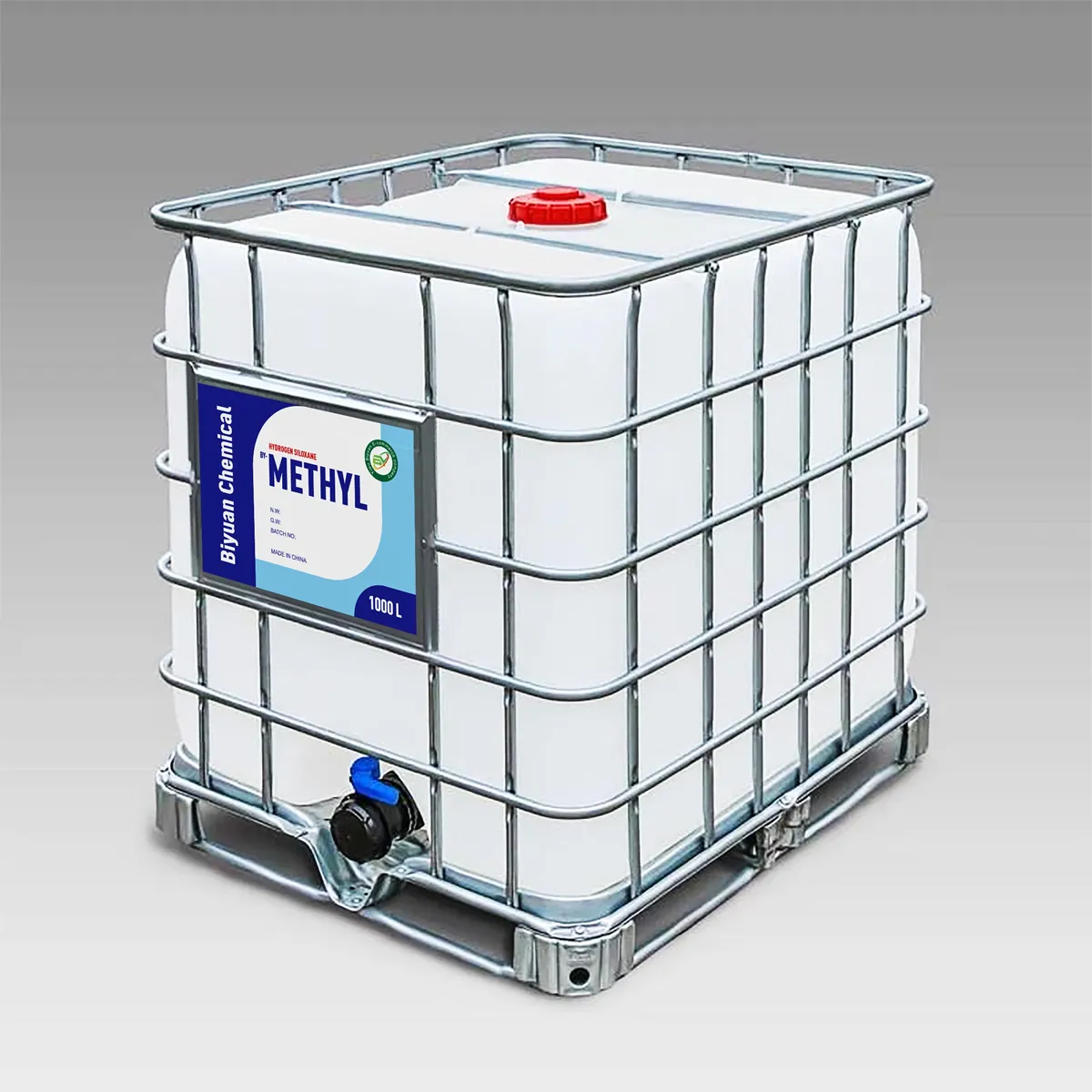
Packaging ConsiderationsMH Silicone Fluid is typically packaged in 200L plastic drums or 1-ton IBCs. Ensure packaging is intact and labeled with batch numbers, expiration dates, and storage instructions. For long-term storage, avoid stacked containers to prevent pressure buildup .
Common Pitfalls and Mitigation Strategies
Oxidation: Exposure to oxygen breaks down silicone chains, reducing hydrophobicity. Store in nitrogen-purged environments for critical applications.
Freezing: Temperatures below 0°C can crystallize the fluid, altering its texture. Use insulated storage for regions with harsh winters.
Chemical Interaction: Keep MH Silicone Fluid away from alcohols, amines, or peroxides, which may provoke unintended reactions .
Applications and Storage-Specific Best Practices
Textile and Leather TreatmentMH Silicone Fluid is used as a waterproofing agent. Post-application, store treated fabrics in low-humidity chambers to retain hydrophobic properties.
Cosmetic FormulationsIn makeup and skincare, silicone fluid stabilizes emulsions. For manufacturers, bulk storage in UV-shielded, temperature-stable facilities ensures product shelf-life consistency.
Industrial CoatingsFor release agents or anti-corrosion coatings, store in dedicated tanks with agitation systems to prevent sedimentation .
Why Partner with Reputable MH Silicone Fluid Suppliers?
Businesses prioritize suppliers offering high-purity MH Silicone Fluid with consistent quality certifications (e.g., ISO 9001). Leading manufacturers like Biyuan ensure:
Customization: Adjust viscosity (20–1000 cSt) and hydrogen content (1.5–1.6%) for specific applications.
Global Logistics: Efficient bulk shipping with IBC or drum options to meet project timelines.
Technical Support: Guidance on storage, handling, and compatibility testing.
For industries requiring scalability, partnering with a trusted supplier guarantees compliance with safety standards and reduces procurement risks.
Maximizing ROI Through Proper Storage
Businesses that adhere to these protocols minimize waste, extend shelf life (up to 12 months), and maintain product performance. Regular audits of storage conditions and supplier partnerships further enhance operational efficiency.
Biyuan stands out as a leader in silicone fluid manufacturing, offering tailored solutions for sectors demanding reliability and innovation. By prioritizing quality storage practices and sourcing from certified suppliers, companies can unlock the full potential of MH Silicone Fluid in their operations.
MH Silicone Fluid: The Unsung Hero in Tire Manufacturing Efficiency
In the highly competitive tire manufacturing industry, efficiency, precision, and quality are paramount. Methyl Hydrogen Silicone Fluid (PMHS), a versatile silicone polymer, has emerged as a critical specialty chemical in this sector, particularly as a high-performance release agent. I.
In the precise engineering of silicone materials, achieving targeted mechanical, thermal, and environmental performance relies fundamentally on the strategic architecture of crosslinked networks. For formulators developing addition-cure silicone rubbers, adhesives, coatings, and specialized encapsulation systems, the selection of a crosslinking agent trans.
MH Silicone Fluid: The Smart Material Revolutionizing Multiple Industries
In the evolving world of advanced materials, Methyl Hydrogen Silicone Fluid (PMHS) has emerged as a transformative smart material with applications spanning from textiles to aerospace. This specialized silicone variant, characterized by its active Si-H bonds, possesses unique prop.
Methyl Hydrogen Silicone Fluid (MH Silicone Fluid), a specialized silicone-based compound, is widely used across industries for its water-repellent, lubricating, and crosslinking properties. While it is generally regarded as safe, concerns about allergenic risks persist. This article explores the potential allergen risks associated with MH Silicone Fluid, .
Enhancing Coating Adhesion: The Critical Role of Methyl Hydrogen Silicone Fluid
In the realm of industrial coatings, achieving robust adhesion between the coating layer and substrate is paramount for durability, weather resistance, and aesthetic longevity. Methyl Hydrogen Silicone Fluid (MHFS), a versatile organosilicon compound, has emerged as a game-.
In the highly competitive textile dyeing and printing industry, manufacturers are constantly seeking advanced chemical auxiliaries to enhance fabric quality, improve processing efficiency, and meet increasingly stringent environmental and performance standards. Among the various functional additives available, silicone-based softeners and finishing agents .
In the sophisticated chemistry of high-performance silicone materials, the transformation from fluid components to resilient elastomers represents a critical act of molecular architecture. For formulators developing addition-cure systems—from medical-grade gels and flexible adhesives to high-temperature seals and durable composites—the crosslinker operates.
Understanding the Key Chemical Properties of Methyl Hydrogen Silicone Fluid
Methyl Hydrogen Silicone Fluid (MH Silicone Fluid), a specialized derivative of silicone polymers, is renowned for its unique chemical structure and versatility across industrial applications. Its distinct properties make it indispensable in fields ranging from waterproofing to.
Testing the Waterproofing Efficiency of MH Silicone Fluid: Methods, Standards, and Industry Applications
In industries ranging from textiles and electronics to construction and automotive, methyl hydrogen silicone fluid (PMHS) is a critical material renowned for its exceptional waterproofing capabilities. As a key component in coatings, sealants, and.
The Essential Guide to Electronics Encapsulation: Enhancing Durability and Performance with Methyl Hydrogen Silicone Fluid
In the rapidly evolving electronics industry, protection against environmental and mechanical stresses is not just an advantage—it’s a necessity. Electronic encapsulation serves as a critical process to ensure the longevity, .
Understanding FDA Compliance for Methyl Hydrogen Silicone Fluid: Key Insights and Applications
Methyl Hydrogen Silicone Fluid (MH Silicone Fluid) is a versatile synthetic polymer widely used in industries ranging from pharmaceuticals to construction. One of the most critical considerations for manufacturers and suppliers is whether this material aligns.
In the evolving landscape of industrial materials, Methyl Hydrogen Silicone Fluid (also known as Polymethylhydrosiloxane or PMHS) has emerged as a premier choice for waterproofing applications across diverse sectors. This specialized silicone polymer offers a unique combination of reactivity, durability, and versatility that sets it apart from convention.
Understanding the Flash Point of Methyl Hydrogen Silicone Fluid: Key Properties and Applications
Methyl Hydrogen Silicone Fluid (MH Silicone Fluid) is a versatile polymer widely used in industries ranging from cosmetics to aerospace. One of its critical safety and performance parameters is its flash point, which determines its flammability under speci.
Advancements Enhancing MH Silicone Fluid’s Biocompatibility for Modern Industrial Applications
In the evolving landscape of specialty chemicals, Methyl Hydrogen Silicone Fluid (Polymethylhydrosiloxane) has emerged as a critical material for water-repellent treatments and crosslinking applications. Historically valued for its utility in construction and .
Methyl Hydrogen Silicone Fluid (MH Silicone Fluid) is a versatile material widely used in industries ranging from textiles and electronics to pharmaceuticals and construction. To ensure its safety, performance, and compliance with global standards, manufacturers and suppliers must obtain specific certifications. Below, we explore the critical certification.
Understanding the Viscosity Range of Methyl Hydrogen Silicone Fluid
Methyl Hydrogen Silicone Fluid (MH Silicone Fluid) is a versatile polymer widely recognized for its unique balance of reactivity and stability. Among its critical properties, viscosity plays a pivotal role in determining its suitability for diverse industrial applications. This article.
Preventing Yellowing in MH Silicone Fluid-Treated Materials: A Comprehensive Guide
Methyl Hydrogen Silicone Fluid (MH Silicone Fluid) is a versatile high-performance material renowned for its exceptional waterproofing properties and application versatility across textiles, construction, electronics, and leather processing. However, a common challenge f.
Methyl Hydrogen Silicone Fluid vs. Dimethyl Silicone Oil: A Comprehensive Comparison for Industrial Applications
In the world of industrial silicones, two prominent materials stand out for their unique properties and applications: Methyl Hydrogen Silicone Fluid (PMHS) and conventional dimethyl silicone oil. While both share some silicone characteristics.
Optimizing Methyl Hydrogen Silicone Fluid for High-Temperature Applications
Understanding Methyl Hydrogen Silicone Fluid’s Thermal Properties
Methyl Hydrogen Silicone Fluid (PMHS) possesses unique characteristics that make it particularly valuable for high-temperature industrial applications. Unlike conventional dimethyl silicone oils, this spe.
What is Methyl Hydrogen Silicone Fluid (MH Silicone Fluid)?
Methyl Hydrogen Silicone Fluid (MH Silicone Fluid), also known as polymethylhydrosiloxane (PMHS), is a specialized silicone-based polymer widely recognized for its unique hydrophobic properties and versatility in industrial and consumer applications. With the CAS number 63148-57-2, this flui.
Beyond Traditional Silicones: How Methyl Hydrogen Silicone Fluid Drives Sustainable Cosmetic Innovation
In an era where “clean beauty” and “eco-conscious formulation” have shifted from niche demands to industry norms, cosmetic developers face a pressing challenge: balancing performance with planetary responsibility. As consumers .
The 2025 Sustainability Awards represent a pivotal moment for the chemical industry, particularly for manufacturers of Methyl Hydrogen Silicone Fluid (PMHS). As global demand for sustainable solutions intensifies, these awards recognize companies that are pioneering eco-friendly production methods, reducing environmental impact, and advancing green technol.
Global Surge in Methyl Hydrogen Silicone Fluid Demand Driven by Green Technology and Electronics
The global market for Polymethylhydrosiloxane (PMHS), commonly known as Methyl Hydrogen Silicone Fluid, is experiencing a significant upswing in 2025. This versatile organic silicone polymer, renowned for its exceptional thermal stability, chemical inertness.
Innovations in Low-VOC Methyl Hydrogen Silicone Fluid for Global Compliance
Introduction
The global demand for environmentally responsible chemical solutions is transforming the specialty chemicals sector. Methyl hydrogen silicone fluid (PMHS), a versatile organosilicon compound, is undergoing significant reformulation to meet increasingly stringen.
PMHS: Revolutionizing Aerospace with Lightweight Waterproofing Technology
Introduction: The Critical Role of Advanced Materials in Aerospace
The aerospace industry faces constant pressure to enhance performance, reduce weight, and improve sustainability. At the forefront of materials innovation is Poly(methyl hydrogen)siloxane (PMHS), commonly known .
Flash Point Analysis: Critical Safety Protocols for Handling Methyl Hydrogen Silicone Fluid
Methyl Hydrogen Silicone Fluid (MHSF) represents a specialized category of silicone polymers characterized by reactive silicon-hydrogen (Si-H) bonds within their molecular structure. These fluids serve as crucial components across diverse industrial sectors, in.
Methyl Hydrogen Silicone Fluid in Medical Device Coatings: Ensuring Safety and Efficacy
Introduction
The use of Methyl Hydrogen Silicone Fluid (PMHS) in medical device coatings represents a significant advancement in healthcare technology, combining unique material properties with critical safety considerations. This specialized silicone fluid has ga.
Methyl Hydrogen Silicone Fluid vs. Fluorosilicone: Which Delivers Unmatched Waterproofing Performance?
Waterproofing is a critical requirement across industries—from construction to textiles and electronics. Two materials often compared for their hydrophobic properties are methyl hydrogen silicone fluid and fluorosilicone. While both offer water-re.
The global chemical industry is undergoing a transformative shift toward sustainable manufacturing, and suppliers of Polymethylhydrosiloxane (PMHS), commonly known as Methyl Hydrogen Silicone Fluid, are at the forefront of this change. Through strategic localization of production and technological innovation, these companies are significantly reducing thei.
In the rapidly evolving global chemical industry, Methyl Hydrogen Silicone Fluid (PMHS) stands as a critical material with diverse applications across textiles, automotive, construction, and personal care sectors. As we approach 2026, the market for PMHS is projected to reach USD 0.36 billion, growing at a CAGR of 9% between 2025 and 2034. This growth traj.
Understanding How PMHS Elevates Thermal Resilience in Modern Motor Oils
For drivers and automotive enthusiasts, the phrase “heat is the enemy” isn’t just a catchy saying—it’s a reality. Modern engines operate at higher temperatures than ever, thanks to turbocharging, downsizing, and high-performance demands. This constant exposure to extreme heat can de.
Introduction
Methyl Hydrogen Silicone Fluid, an organic silicon polymer containing active silicon-hydrogen (Si-H) bonds, has gained significant attention for its unique combination of reactivity and stability. This versatile material, with its molecular structure featuring both methyl groups (-CH₃) and active Si-H bonds, demonstrates exceptional perfor.
Exploring the Role of Methyl Hydrogen Silicone Fluid in Sustainable Catalysis
In the quest for greener industrial processes, catalyst innovation has taken center stage. Catalysts drive efficiency in chemical reactions, but their performance often hinges on the carrier material—a component that anchors active sites while influencing stability, reactivity.
Methyl Hydrogen Silicone Fluid: Certifications and Compliance for Sustainable Construction
Introduction to Green Building Materials and PMHS
The global construction industry is undergoing a fundamental transformation toward sustainability, driven by increasingly stringent environmental regulations and growing consumer demand for eco-friendly building.
Sustainable Innovation: The Growing Market for Biodegradable PMHS Formulations
In recent years, the global push for sustainability has catalyzed significant advancements in polymer science, particularly in the development of biodegradable polymer materials. Among these, Methyl Hydrogen Silicone Fluid (PMHS) has emerged as a key player, with innovative f.
Asian Methyl Hydrogen Silicone Fluid Exports to Europe: Market Dynamics and Future Outlook
Introduction: The Growing Transcontinental Trade
The export flow of Methyl Hydrogen Silicone Fluid from Asia to Europe represents a critical segment of the global specialty chemicals trade, characterized by evolving supply chains, stringent regulatory framework.
Executive Summary
The global methyl hydrogen silicone fluid market is experiencing significant transformation, with China emerging as the dominant force in production and supply chain dynamics. This versatile material, known for its exceptional thermal stability, water repellency, and lubrication properties, has become indispensable across diverse indus.
The convergence of Industry 4.0 and advanced materials like Methyl Hydrogen Silicone Fluid (PMHS) is revolutionizing the waterproofing industry. This transformation is driven by the integration of cyber-physical systems, IoT, and data analytics into manufacturing and application processes, leading to unprecedented levels of efficiency, quality, and sustain.
Unlocking Precision Manufacturing: The Role of Methyl Hydrogen Silicone Fluid in 3D Printing and Electronics
In advanced manufacturing, material innovation often drives breakthroughs in product performance and process efficiency. Among the unsung heroes of modern industry, methyl hydrogen silicone fluid (also referred to as methylhydrogen polysiloxane.
Introduction to the PMHS Landscape in China
The Chinese poly(methylhydrosiloxane) (PMHS) market has evolved into a global powerhouse, driven by robust manufacturing capabilities and growing demand across diverse industries. Known commercially as Methyl Hydrogen Silicone Fluid, this specialized silicone intermediate has become indispensable in sectors ra.
Methyl hydrogen siloxane serves as a multifunctional additive that significantly improves processing characteristics and final properties in silicone rubber applications. This specialized silicone fluid features reactive Si-H groups that enable efficient cross-linking through hydrosilylation reactions with vinyl-functionalized silicone rubbers.
.
Medical-grade Methyl hydrogen siloxane serves as a versatile functional material in healthcare applications, combining high purity with reactive Si-H groups for enhanced performance. This specialized silicone fluid enables precise cross-linking in implantable devices, provides controlled drug release matrices, and creates anti-fouling surface coa.
Methyl hydrogen siloxane serves as a versatile functional additive in personal care products, leveraging its unique Si-H reactivity and silicone properties to deliver enhanced performance across various applications. This specialized material acts as an effective cross-linker in hair care products, creating durable yet flexible films that provide.
Methyl hydrogen siloxane serves as a innovative processing aid that enhances both the efficiency of leather manufacturing and the quality of finished products. This reactive silicone fluid improves leather softness and flexibility through effective fiber lubrication and molecular-level modification. Its unique chemical properties enable superior .

Contact Us
We're here to help with any questions or inquiries you may have
Contact Information
Address
No. 116, Jiangdong Street, Yiwu City, Jinhua City, Zhejiang Province,China