
Methyl Hydrogen Silicone Fluid Factory
Methyl Hydrogen Silicone Fluid
Everything you need to know about our products and company
In addition-cure silicone rubber, electronic potting, and thermal interface material systems, hydrogen silicone oil is the key component responsible for hydrosilylation (Si–H/Si–Vi) crosslinking. By molecular structure, terminal hydrogen silicone oil (Si–H at chain ends) and side-chain hydrogen silicone oil (Si–H on side chains) serve distinct roles: terminal hydrogen silicone oil often acts as a crosslinker, chain extender, or reaction intermediate, while side-chain hydrogen silicone oil is used to adjust crosslink density, form hydrophobic films, and synthesize modifications. Driven by expanding demand for addition-cure liquid silicone rubber (LSR), semiconductor encapsulants, and battery thermal interface materials, terminal/side-chain hydrogen silicone oil is entering a structural growth phase.
Terminal hydrogen silicone oil (HTPDMS, Si–H at chain ends): According to StatsMarketResearch, the global terminal hydride-terminated polydimethylsiloxane market was valued at about USD 280 million in 2025 and is projected to reach USD 464 million by 2034, at a CAGR of about 7.5% over the forecast period. Growth is driven by the reliance of electronics packaging and automotive components on fast, clean-cure silicone technologies.
Hydrogen-functional siloxanes (broad category, including PMHS, methylhydrosiloxane-dimethylsiloxane copolymers, and hydride-terminated PDMS): PW Consulting data shows the global market at about USD 652 million in 2025, projected to reach USD 969 million by 2032 at a CAGR of about 5.82%, with Asia Pacific as the largest regional market. Under the broader hydrogen silicone oil caliber, different institutions estimate the global market in the USD 560 million to USD 1.86 billion range; the difference mainly stems from whether bulk applications such as textile water repellency and building waterproofing are included.
China market: Domestic hydrogen silicone oil (low- and high-hydrogen combined) is at a scale on the order of RMB 10 billion, maintaining an annual growth rate of about 10% in recent years. The Yangtze River Delta concentrates major capacity, supported by the electronics and medical silicone industry chains; the share of low-hydrogen, high-purity specialty grades continues to rise.
More than half of hydrogen silicone oil consumption relates to silicone rubber manufacturing and addition crosslinking; the remainder spans textile finishing, paper release liners, building waterproofing, and chemical synthesis intermediates. The incremental growth of this cycle comes mainly from three lines:
The market is upgrading from bulk industrial grades to specialty grades. Terminal hydrogen silicone oil emphasizes controllable reactivity, low volatility, and no heavy-metal residue; side-chain hydrogen silicone oil focuses on adjustable hydrogen value (commonly 0.1%–0.8%) and crosslink density. As customers raise requirements for long-term aging resistance, low extractables, and stable electrical insulation, high-purity, customized-hydrogen, low-volatility products command higher unit prices and premiums than general industrial grades.
Terminal/side-chain hydrogen silicone oil is not a niche category separate from the bulk market, but the “crosslinking foundation” of addition-cure silicone materials. In the short term, electronics packaging and new-energy thermal management bring structural increments; in the long term, purity improvement and customization will determine a company’s position in the high-end market. For downstream formulators, a stable hydrogen silicone oil supply and precise Si–H activity control directly determine cure efficiency, hardness, and long-term reliability.
Our most popular products loved by customers worldwide
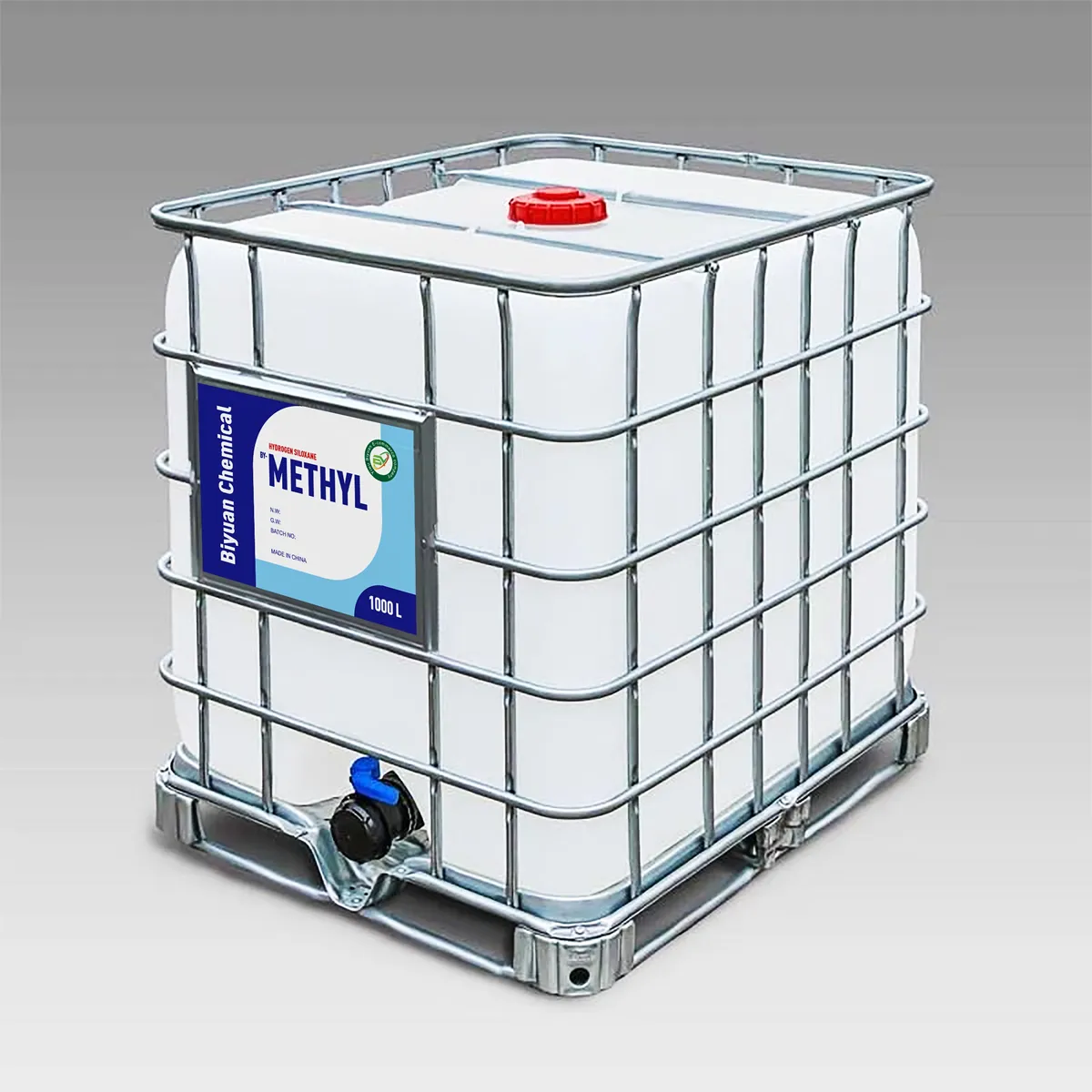
Methyl hydrogen siloxane serves as a multifunctional additive that significantly improves processing characteristics and final properties in silicone rubber applications. This specialized silicone fluid features reactive Si-H groups that enable efficient cross-linking through hydrosilylation reactions with vinyl-functionalized silicone rubbers. .
Medical-grade Methyl hydrogen siloxane serves as a versatile functional material in healthcare applications, combining high purity with reactive Si-H groups for enhanced performance. This specialized silicone fluid enables precise cross-linking in implantable devices, provides controlled drug release matrices, and creates anti-fouling surface coa.
Methyl hydrogen siloxane serves as a versatile functional additive in personal care products, leveraging its unique Si-H reactivity and silicone properties to deliver enhanced performance across various applications. This specialized material acts as an effective cross-linker in hair care products, creating durable yet flexible films that provide.
Methyl hydrogen siloxane serves as a innovative processing aid that enhances both the efficiency of leather manufacturing and the quality of finished products. This reactive silicone fluid improves leather softness and flexibility through effective fiber lubrication and molecular-level modification. Its unique chemical properties enable superior .