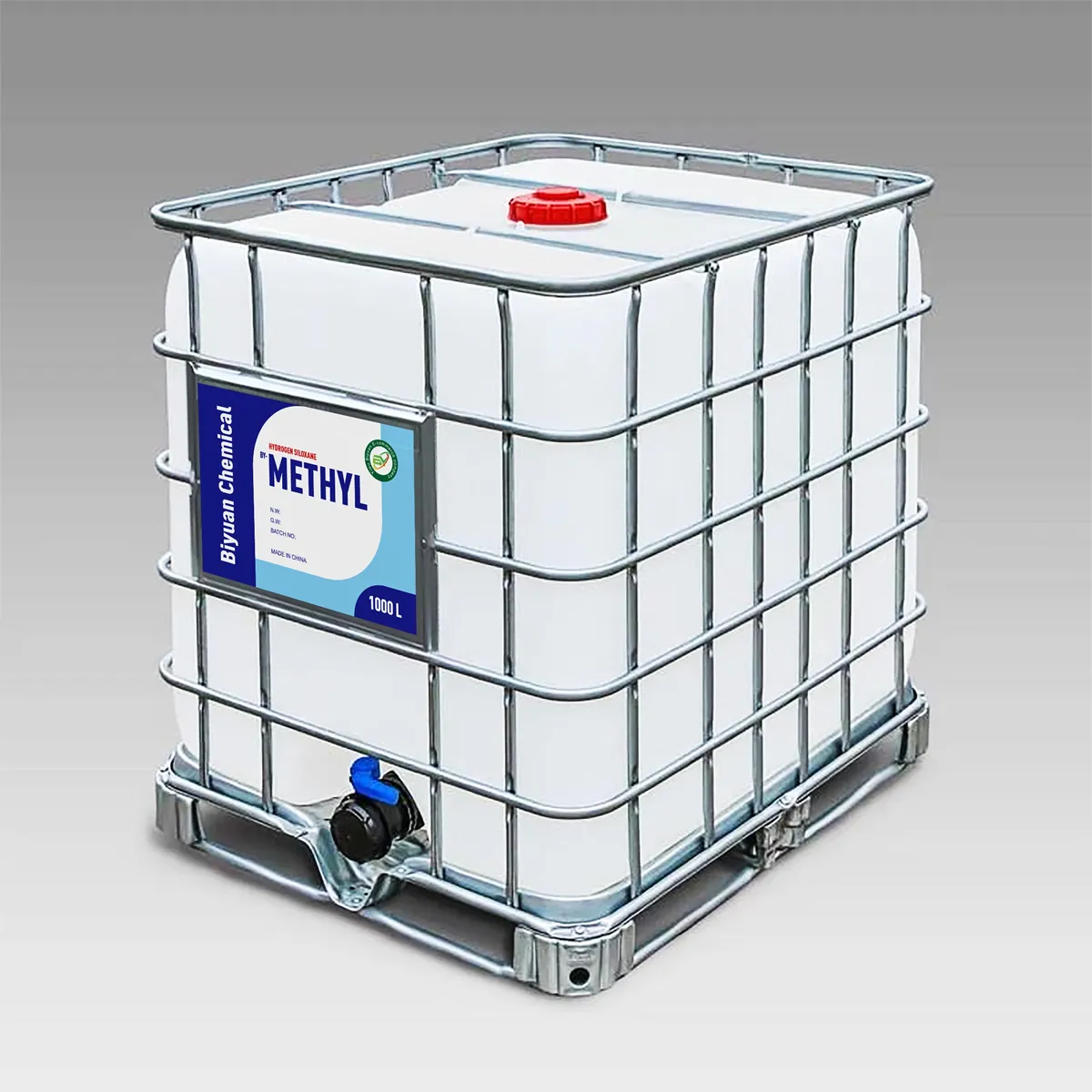
What catalysts are used with MH Silicone Fluid? - Methyl Hydrogen Silicone Fluid Factory
Methyl Hydrogen Silicone Fluid Factory
Methyl Hydrogen Silicone Fluid
Information Center
Everything you need to know about our products and company
Catalyst Selection for Methyl Hydrogen Silicone Fluid: Key Considerations and Applications
Methyl hydrogen silicone fluid (MH Silicone Fluid), a specialized siloxane polymer with reactive Si-H bonds, plays a pivotal role in industries ranging from adhesives to personal care. The choice of catalyst for its applications is critical to achieving optimal performance, stability, and cost-efficiency. Below, we explore the primary catalysts used with MH Silicone Fluid, their mechanisms, and industry trends, while highlighting innovative solutions like Biyuan Chemicals for advanced formulation needs.
1. Platinum-Based Catalysts: Industry Staples
Platinum catalysts remain the gold standard for MH Silicone Fluid applications, particularly in hydrosilylation reactions—a process where the Si-H bond reacts with alkenes to form crosslinked silicone networks.
Speier’s Catalyst (H₂PtCl₆): Widely adopted in industrial settings, this catalyst operates at ultra-low concentrations (ppm levels) and facilitates rapid crosslinking. However, its sensitivity to oxygen and moisture requires stringent handling .
Platinum Complexes in RTV Silicones: Platinum divinyltetramethyldisiloxane (Pt-VTMS) complexes are common in room-temperature vulcanizing (RTV) sealants and gels. For example, Biyuan Chemicals’ platinum catalysts ensure consistent curing in high-performance adhesives, even under humid conditions .
Applications:
Silicone Rubber Production: Crosslinking vinyl-terminated PDMS with 1,2,4-trivinylcyclohexane for automotive seals and aerospace components.
Release Coatings: Enabling water-repellent films on textiles and packaging.
2. Transition Metal Catalysts: Cost-Effective Alternatives
With platinum’s high cost and environmental concerns, researchers are turning to manganese and nickel complexes:
Manganese Hydride Catalysts: β-Diketiminate manganese compounds, such as [(2,6-iPr₂PhBDI)Mn(μ-H)]₂, enable hydrosilylation at elevated temperatures. These catalysts exhibit strong magnetic coupling and high-spin centers, making them suitable for industrial silicone preparations .
Nickel-Based Systems: Nickel complexes catalyze anti-Markovnikov hydrosilylation, ideal for synthesizing linear silanes from aliphatic alkenes.
Advantages:
Reduced dependency on rare metals.
Enhanced compatibility with bio-based polymers.
3. Emerging Catalysts: Nanotechnology and Sustainability
Nanostructured Gold (NPG): Homolytic activation of Si-H bonds on NPG surfaces generates hydrogen radicals, enabling controlled alcoholysis of dihydrosilanes. This method minimizes byproducts and supports sustainable silicone production .
Organic-Inorganic Hybrids: Catalysts combining organic ligands with inorganic supports improve stability in harsh conditions, relevant for construction-grade sealants.
Leading suppliers like Biyuan Chemicals are revolutionizing catalyst design for MH Silicone Fluid applications. Their platinum-free formulations leverage advanced chelation chemistry to deliver:
Enhanced Stability: Reduced pre-curing during storage.
Broad Compatibility: Works with diverse additives, from UV inhibitors to colorants.
Eco-Friendly Profiles: Meet REACH and RoHS standards for global compliance.
For industries prioritizing sustainability, Biyuan’s manganese-based catalysts offer a greener alternative without compromising curing efficiency.
Conclusion
The catalyst landscape for MH Silicone Fluid is evolving rapidly, driven by demand for efficiency and sustainability. While platinum remains dominant in high-performance sectors, transition metals and nanostructured materials are unlocking new possibilities. Brands like Biyuan Chemicals are at the forefront, providing tailored solutions that balance cost, safety, and environmental responsibility. Whether crafting medical-grade tubing or weather-resistant coatings, selecting the right catalyst ensures optimal product performance and market competitiveness.
Preventing Yellowing in MH Silicone Fluid-Treated Materials: A Comprehensive Guide
Methyl Hydrogen Silicone Fluid (MH Silicone Fluid) is a versatile high-performance material renowned for its exceptional waterproofing properties and application versatility across textiles, construction, electronics, and leather processing. However, a common challenge f.
Hybrid Formulations Combining MH Silicone Fluid with Other Polymers
Methyl Hydrogen Silicone Fluid (MH Silicone Fluid), also known as polymethylhydrosiloxane, is a versatile silicone oil recognized for its reactive Si-H bonds, which make it an exceptional candidate for creating advanced hybrid polymer materials. These combinations are revolutionizing pr.
In the world of construction materials, concrete durability remains a paramount concern for engineers, architects, and builders. While concrete is renowned for its strength, its porous nature makes it vulnerable to water infiltration, chemical attacks, and environmental degradation. This is where Methyl Hydrogen Silicone Fluid emerges as a transforma.
Understanding FDA Compliance for Methyl Hydrogen Silicone Fluid: Key Insights and Applications
Methyl Hydrogen Silicone Fluid (MH Silicone Fluid) is a versatile synthetic polymer widely used in industries ranging from pharmaceuticals to construction. One of the most critical considerations for manufacturers and suppliers is whether this material aligns.
How Methyl Hydrogen Silicone Fluid is Engineered: Processes and Applications
Methyl Hydrogen Silicone Fluid (MH Silicone Fluid), a specialized silicone polymer, plays a pivotal role in industries ranging from textiles to electronics. Its unique properties—such as hydrophobicity, thermal stability, and cross-linking capabilities—make it indispensable fo.
In the highly competitive textile dyeing and printing industry, manufacturers are constantly seeking advanced chemical auxiliaries to enhance fabric quality, improve processing efficiency, and meet increasingly stringent environmental and performance standards. Among the various functional additives available, silicone-based softeners and finishing agents .
Can Methyl Hydrogen Silicone Fluid Withstand Low Temperatures? Unveiling Its Performance in Challenging Climates
Methyl Hydrogen Silicone Fluid (MH Silicone Fluid) is a versatile polymer widely recognized for its adaptability to extreme conditions. One of its most critical attributes is its ability to function effectively in low-temperature environment.
Is MH Silicone Fluid Eco-Friendly? A Comprehensive Analysis of Methyl Hydrogen Silicone Fluid
In the pursuit of sustainable alternatives, Methyl Hydrogen Silicone Fluid (MH Silicone Fluid) has emerged as a topic of interest. But is it truly eco-friendly? This article dives into its environmental impact, applications, and innovations, while addressin.
Enhancing Coating Adhesion: The Critical Role of Methyl Hydrogen Silicone Fluid
In the realm of industrial coatings, achieving robust adhesion between the coating layer and substrate is paramount for durability, weather resistance, and aesthetic longevity. Methyl Hydrogen Silicone Fluid (MHFS), a versatile organosilicon compound, has emerged as a game-.
How to Dispose of Methyl Hydrogen Silicone Fluid Safely: A Comprehensive Guide
Methyl Hydrogen Silicone Fluid (MH Silicone Fluid), a critical industrial lubricant and waterproofing agent, requires careful handling and disposal due to its environmental persistence and regulatory constraints. Improper disposal can lead to soil/water contamination, regula.
Ensuring Quality: How to Verify the Purity of Methyl Hydrogen Silicone Fluid
In the industrial and chemical sectors, the purity of Methyl Hydrogen Silicone Fluid is paramount for performance and safety. This versatile organosilicon polymer, known for its reactive Si-H bonds and hydrophobic properties, is critical in textiles, cosmetics, electronics, .
Understanding the Flash Point of Methyl Hydrogen Silicone Fluid: Key Properties and Applications
Methyl Hydrogen Silicone Fluid (MH Silicone Fluid) is a versatile polymer widely used in industries ranging from cosmetics to aerospace. One of its critical safety and performance parameters is its flash point, which determines its flammability under speci.
In the sophisticated chemistry of high-performance silicone materials, the transformation from fluid components to resilient elastomers represents a critical act of molecular architecture. For formulators developing addition-cure systems—from medical-grade gels and flexible adhesives to high-temperature seals and durable composites—the crosslinker operates.
Testing the Waterproofing Efficiency of MH Silicone Fluid: Methods, Standards, and Industry Applications
In industries ranging from textiles and electronics to construction and automotive, methyl hydrogen silicone fluid (PMHS) is a critical material renowned for its exceptional waterproofing capabilities. As a key component in coatings, sealants, and.
Methyl Hydrogen Silicone Fluid (MH Silicone Fluid), a versatile polymer with reactive Si-H bonds, is widely used across industries for its waterproofing, lubricating, and crosslinking properties. Its price range varies significantly based on purity, viscosity, and supplier specifications. Below is a detailed analysis of its pricing trends, key applications.
Methyl Hydrogen Silicone Fluid (MH Silicone Fluid) is a specialized silicone product widely used in industries such as textiles, construction, cosmetics, and electronics due to its unique hydrophobic, thermal stability, and crosslinking properties. As demand grows across sectors, identifying reliable manufacturers and suppliers becomes critical for busines.
Selecting the right Methyl Hydrogen Silicone Fluid (MHF) supplier is critical for industries ranging from textiles and construction to cosmetics and electronics. This versatile fluid, renowned for its water-repellent and crosslinking properties, requires careful evaluation of supplier capabilities to ensure quality, consistency, and long-term value. Bel.
In the relentless pursuit of materials that deliver superior performance, durability, and adaptability across demanding applications, methyl hydrogen siloxane has emerged as a cornerstone of modern industrial innovation. This unique organosilicon compound, characterized by its reactive Si-H bonds, is transforming the way industries approach material design.
Measuring Surface Tension of Methyl Hydrogen Silicone Fluid: Methods and Applications
Understanding Methyl Hydrogen Silicone Fluid
Methyl Hydrogen Silicone Fluid, also known as polymethylhydrogensiloxane, is a versatile organosilicon compound where some methyl groups in dimethyl silicone oil are replaced by hydrogen atoms. This chemical modification .
What Makes Methyl Hydrogen Silicone Fluid a Game-Changer in Waterproofing?
Waterproofing is a cornerstone of modern construction and material science, where innovation meets practicality. Among the array of waterproofing agents, Methyl Hydrogen Silicone Fluid (MHFS) stands out for its unique chemical properties and versatility. This article explore.
Understanding PMHS Viscosity: Selecting the Optimal Grade for Industrial Applications
Introduction
Polymethylhydrosiloxane (PMHS), commonly known as Methyl Hydrogen Silicone Fluid, is a versatile organosilicon compound with unique properties that make it invaluable across numerous industries. The viscosity of PMHS plays a crucial role in determining .
Enhancing Automotive Paint Durability: The Role of PMHS Technology
In the automotive industry, the longevity and aesthetic appeal of paint finishes are critical factors that impact both vehicle value and consumer satisfaction. Achieving durable, high-quality automotive coatings requires advanced chemical solutions that promote superior adhesion between .
The global shipping landscape for Methyl Hydrogen Silicone Fluid (PMHS) faces unprecedented challenges in 2025, driven by complex logistics disruptions and volatile tariff policies. As the market for this essential chemical compound continues to expand—projected to reach USD 520 million by 2031 with an 8.5% CAGR—supply chain professionals must navigate a p.
Methyl Hydrogen Silicone Fluid: 2025 Market Analysis and Price Forecast
Executive Summary
The global methyl hydrogen silicone fluid market is poised for significant growth in 2025, driven by expanding demand from key industries including textiles, construction, electronics, and personal care. With technological advancements and sustainability initiat.
Flash Point Analysis: Critical Safety Protocols for Handling Methyl Hydrogen Silicone Fluid
Methyl Hydrogen Silicone Fluid (MHSF) represents a specialized category of silicone polymers characterized by reactive silicon-hydrogen (Si-H) bonds within their molecular structure. These fluids serve as crucial components across diverse industrial sectors, in.
Introduction
Methyl Hydrogen Silicone Fluid, an organic silicon polymer containing active silicon-hydrogen (Si-H) bonds, has gained significant attention for its unique combination of reactivity and stability. This versatile material, with its molecular structure featuring both methyl groups (-CH₃) and active Si-H bonds, demonstrates exceptional perfor.
Methyl Hydrogen Silicone Fluid: The Unsung Hero Transforming Waterproofing in Textiles and Construction
In industries where durability and performance are non-negotiable—textiles and construction—waterproofing has long been a challenge. Traditional solutions often fall short: coatings peel, treatments wash out, or materials become brittle over time. Ent.
Sustainable Innovation: The Growing Market for Biodegradable PMHS Formulations
In recent years, the global push for sustainability has catalyzed significant advancements in polymer science, particularly in the development of biodegradable polymer materials. Among these, Methyl Hydrogen Silicone Fluid (PMHS) has emerged as a key player, with innovative f.
Methyl Hydrogen Silicone Fluid vs. Fluorosilicone: Which Delivers Unmatched Waterproofing Performance?
Waterproofing is a critical requirement across industries—from construction to textiles and electronics. Two materials often compared for their hydrophobic properties are methyl hydrogen silicone fluid and fluorosilicone. While both offer water-re.
The Middle East is undergoing an unprecedented construction renaissance, with mega-projects transforming the region’s landscape and creating massive demand for high-performance building materials. At the heart of this infrastructure boom is Methyl Hydrogen Silicone Fluid (PMHS), a versatile silicone-based compound that plays a critical role in modern.
How a European Textile Brand Mastered the Chinese Market Using Methyl Hydrogen Silicone Fluid
Introduction: The Technical Textile Breakthrough
In the highly competitive global textile industry, European brands constantly seek innovative approaches to penetrate lucrative markets like China. One notable success story involves a forward-thinking Europea.
Optimizing Industrial Cooling Efficiency: How Methyl Hydrogen Silicone Fluid Drives Energy Savings
In today’s energy-conscious industrial landscape, cooling systems account for a staggering 30-50% of total energy consumption in facilities like manufacturing plants, data centers, and chemical refineries. For operators, rising utility costs and regulator.
Executive Summary
The global methyl hydrogen silicone fluid market is experiencing significant transformation, with China emerging as the dominant force in production and supply chain dynamics. This versatile material, known for its exceptional thermal stability, water repellency, and lubrication properties, has become indispensable across diverse indus.
Title Interpretation & Executive Summary
The search for reliable PMHS (Polymethylhydrosiloxane) suppliers in North America requires a comprehensive understanding of both the technical specifications of Methyl Hydrogen Silicone Fluid and the stringent quality standards demanded by the automotive industry. This article explores how leading suppliers a.
The global chemical industry is undergoing a transformative shift toward sustainable manufacturing, and suppliers of Polymethylhydrosiloxane (PMHS), commonly known as Methyl Hydrogen Silicone Fluid, are at the forefront of this change. Through strategic localization of production and technological innovation, these companies are significantly reducing thei.
The Indian textile industry is undergoing a significant transformation as manufacturers increasingly adopt Poly Methyl Hydrogen Silicone (PMHS) technology to produce high-performance waterproof fabrics. This shift represents a strategic response to growing market demand for functional textiles that combine water resistance with breathability, durability, a.
How the Pandemic Reshaped Medical Packaging: The Rise of Methyl Hydrogen Silicone Fluid
The COVID-19 pandemic served as a pivotal moment for the global healthcare industry, triggering unprecedented demand for advanced medical packaging solutions. At the heart of this transformation lies Methyl Hydrogen Silicone Fluid (PMHS), a specialized silicone polym.
Asian Methyl Hydrogen Silicone Fluid Exports to Europe: Market Dynamics and Future Outlook
Introduction: The Growing Transcontinental Trade
The export flow of Methyl Hydrogen Silicone Fluid from Asia to Europe represents a critical segment of the global specialty chemicals trade, characterized by evolving supply chains, stringent regulatory framework.
Beyond Traditional Silicones: How Methyl Hydrogen Silicone Fluid Drives Sustainable Cosmetic Innovation
In an era where “clean beauty” and “eco-conscious formulation” have shifted from niche demands to industry norms, cosmetic developers face a pressing challenge: balancing performance with planetary responsibility. As consumers .
The 2025 Sustainability Awards represent a pivotal moment for the chemical industry, particularly for manufacturers of Methyl Hydrogen Silicone Fluid (PMHS). As global demand for sustainable solutions intensifies, these awards recognize companies that are pioneering eco-friendly production methods, reducing environmental impact, and advancing green technol.
Methyl hydrogen siloxane serves as a multifunctional additive that significantly improves processing characteristics and final properties in silicone rubber applications. This specialized silicone fluid features reactive Si-H groups that enable efficient cross-linking through hydrosilylation reactions with vinyl-functionalized silicone rubbers.
.
Medical-grade Methyl hydrogen siloxane serves as a versatile functional material in healthcare applications, combining high purity with reactive Si-H groups for enhanced performance. This specialized silicone fluid enables precise cross-linking in implantable devices, provides controlled drug release matrices, and creates anti-fouling surface coa.
Methyl hydrogen siloxane serves as a versatile functional additive in personal care products, leveraging its unique Si-H reactivity and silicone properties to deliver enhanced performance across various applications. This specialized material acts as an effective cross-linker in hair care products, creating durable yet flexible films that provide.
Methyl hydrogen siloxane serves as a innovative processing aid that enhances both the efficiency of leather manufacturing and the quality of finished products. This reactive silicone fluid improves leather softness and flexibility through effective fiber lubrication and molecular-level modification. Its unique chemical properties enable superior .

Contact Us
We're here to help with any questions or inquiries you may have
Contact Information
Address
No. 116, Jiangdong Street, Yiwu City, Jinhua City, Zhejiang Province,China