How to dispose of MH Silicone Fluid safely? - Methyl Hydrogen Silicone Fluid Factory
Methyl Hydrogen Silicone Fluid Factory
Methyl Hydrogen Silicone Fluid
Information Center
Everything you need to know about our products and company
How to Dispose of Methyl Hydrogen Silicone Fluid Safely: A Comprehensive Guide
Methyl Hydrogen Silicone Fluid (MH Silicone Fluid), a critical industrial lubricant and waterproofing agent, requires careful handling and disposal due to its environmental persistence and regulatory constraints. Improper disposal can lead to soil/water contamination, regulatory penalties, and reputational risks. This guide outlines actionable strategies for safe disposal, emphasizing compliance, sustainability, and operational efficiency.
1. Understand Regulatory Requirements
MH Silicone Fluid falls under hazardous waste categories in many jurisdictions. Key regulations include:
EU REACH: Mandates proper labeling, waste tracking, and disposal via authorized facilities .
US EPA: Requires generators to classify waste as “characteristic hazardous” if it exhibits toxicity or persistence .
Action: Partner with certified disposal firms that comply with local regulations. Look for suppliers offering full-service waste management solutions, including documentation and traceability.
2. Pre-Disposal Preparation
Containment & Labeling
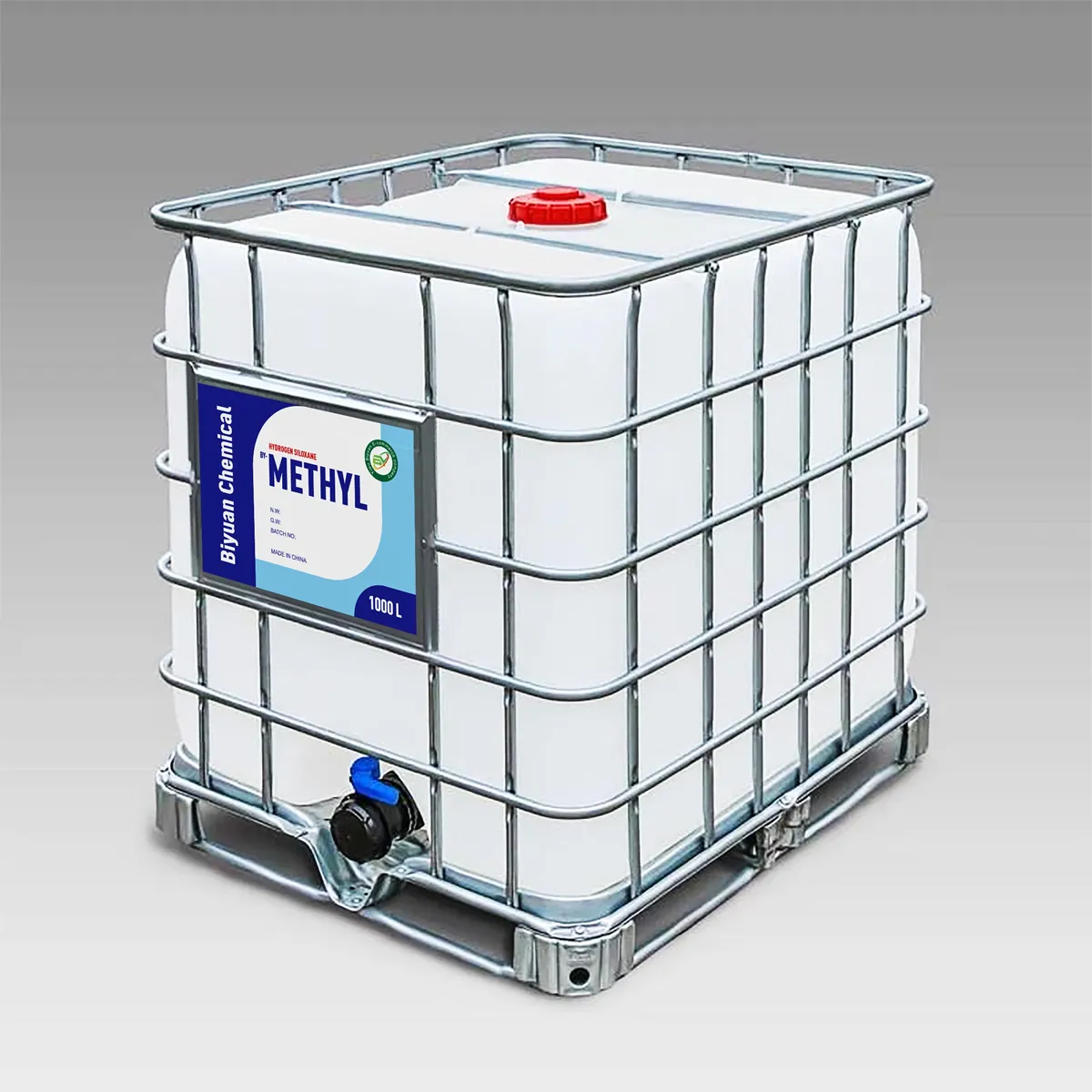
Use leak-proof, corrosion-resistant containers (e.g., HDPE drums) to store residual MH Silicone Fluid.
Deploy absorbent pads or diatomaceous earth to prevent spread.
Avoid water, as MH Silicone Fluid forms persistent films on surfaces .
3. Safe Disposal Methods
Recycling & Reuse
Re-refining: Advanced facilities can purify MH Silicone Fluid by removing contaminants (e.g., water, particulates). This reduces raw material waste and costs .
Industrial Applications: Repurpose uncontaminated fluid for secondary uses (e.g., lubricants in non-critical machinery).
Incineration
Use high-temperature incinerators (≥1,200°C) to break down polymers into inert byproducts (CO₂, water).
Ensure facilities comply with acid gas scrubbing to neutralize combustion byproducts .
Secure Landfill Disposal
Reserve for heavily contaminated or non-recyclable waste.
Use double-lined landfills with leachate collection systems to prevent groundwater contamination.
4. Environmental & Health Safeguards
Toxicity Mitigation: MH Silicone Fluid is non-toxic but can disrupt aquatic ecosystems. Avoid discharge into waterways.
Worker Protection:
Mandate PPE (gloves, goggles, respirators) during handling.
Train staff on emergency protocols (e.g., spills, inhalation).
5. Partner with Specialized Suppliers
For compliant disposal, collaborate with Methyl Hydrogen Silicone Fluid suppliers offering end-to-end solutions:
Bulk Waste Collection: Schedule regular pickups for large volumes.
Customized Disposal Plans: Tailor strategies to your industry (e.g., cosmetics, electronics manufacturing).
Documentation Support: Ensure audit-ready records for regulatory compliance.
Example: Leading suppliers like Biyuan Chemicals provide closed-loop recycling services, transforming waste into reusable raw materials while maintaining ISO 14001 certification.
6. Cost-Effective Alternatives
Reduce Usage: Optimize application techniques to minimize waste.
On-Site Treatment: Invest in filtration systems to treat lightly contaminated fluid onsite.
Conclusion
Safe disposal of MH Silicone Fluid demands a blend of regulatory adherence, advanced technology, and proactive partnership with qualified suppliers. By prioritizing recycling, investing in containment systems, and leveraging specialized disposal services, industries can mitigate risks while aligning with global sustainability goals.
For tailored waste management solutions, explore collaborations with Methyl Hydrogen Silicone Fluid experts who offer scalable, compliant, and cost-efficient disposal services. Their expertise ensures your operations meet environmental standards without compromising efficiency.
Methyl Hydrogen Silicone Fluid (MH Silicone Fluid), a versatile polymer with reactive Si-H bonds, is widely used across industries for its waterproofing, lubricating, and crosslinking properties. Its price range varies significantly based on purity, viscosity, and supplier specifications. Below is a detailed analysis of its pricing trends, key applications.
In the precise architecture of advanced silicone materials, the transition from fluid components to a resilient, cross-linked network hinges on a critical reactive partner. For developers of addition-cure silicones—from soft gels and flexible adhesives to durable seals and high-temperature composites—the crosslinker is not merely an additive but the essent.
In the sophisticated science of silicone material engineering, the creation of durable, stable, and high-performance networks often hinges on the strategic selection of a crosslinking agent. For chemists and formulators developing addition-cure silicone rubbers, resins, gels, and coatings, the choice of a crosslinker directly dictates critical end-use prop.
How Methyl Hydrogen Silicone Fluid Elevates Textile Performance
Methyl Hydrogen Silicone Fluid (MH Silicone Fluid) has emerged as a game-changing solution in textile manufacturing, offering transformative benefits across diverse fabric types. Its unique chemical structure—featuring reactive Si-H bonds and hydrophobic properties—enables tailored finishe.
Can Methyl Hydrogen Silicone Fluid Withstand Low Temperatures? Unveiling Its Performance in Challenging Climates
Methyl Hydrogen Silicone Fluid (MH Silicone Fluid) is a versatile polymer widely recognized for its adaptability to extreme conditions. One of its most critical attributes is its ability to function effectively in low-temperature environment.
How Methyl Hydrogen Silicone Fluid is Engineered: Processes and Applications
Methyl Hydrogen Silicone Fluid (MH Silicone Fluid), a specialized silicone polymer, plays a pivotal role in industries ranging from textiles to electronics. Its unique properties—such as hydrophobicity, thermal stability, and cross-linking capabilities—make it indispensable fo.
In the highly competitive textile dyeing and printing industry, manufacturers are constantly seeking advanced chemical auxiliaries to enhance fabric quality, improve processing efficiency, and meet increasingly stringent environmental and performance standards. Among the various functional additives available, silicone-based softeners and finishing agents .
The Strategic Role of Methyl Hydrogen Silicone Fluid in Advancing Solar Panel Production
In the rapidly evolving solar energy sector, material innovation is key to enhancing efficiency, durability, and cost-effectiveness. Among these advanced materials, Methyl Hydrogen Silicone Fluid (Polymethylhydrosiloxane, or PMHS) has emerged as a critical high-p.
Understanding the Key Chemical Properties of Methyl Hydrogen Silicone Fluid
Methyl Hydrogen Silicone Fluid (MH Silicone Fluid), a specialized derivative of silicone polymers, is renowned for its unique chemical structure and versatility across industrial applications. Its distinct properties make it indispensable in fields ranging from waterproofing to.
How Safe Is Methyl Hydrogen Silicone Fluid for Food Applications?
Methyl Hydrogen Silicone Fluid (MH Silicone Fluid), a specialized silicone-based material, has gained attention for its potential use in food-contact applications. But what makes it suitable—or unsuitable—for such uses? Let’s explore its safety, regulatory compliance, and practical appl.
The Essential Guide to Electronics Encapsulation: Enhancing Durability and Performance with Methyl Hydrogen Silicone Fluid
In the rapidly evolving electronics industry, protection against environmental and mechanical stresses is not just an advantage—it’s a necessity. Electronic encapsulation serves as a critical process to ensure the longevity, .
Unlocking Value: Bulk Discounts and Strategic Advantages of Methyl Hydrogen Silicone Fluid
In the competitive landscape of industrial chemicals, cost efficiency without compromising quality is a paramount concern for procurement managers and business owners. Methyl Hydrogen Silicone Fluid (PMHS) stands as a critical material in numerous manufacturing p.
Methyl Hydrogen Silicone Fluid, a versatile compound widely used in industries such as textiles, construction, and cosmetics, requires specialized packaging to ensure safety, stability, and compliance. Understanding the available packaging options and their applications is critical for manufacturers, distributors, and end-users. Below, we explore tailored .
In the evolving landscape of industrial materials, Methyl Hydrogen Silicone Fluid (also known as Polymethylhydrosiloxane or PMHS) has emerged as a premier choice for waterproofing applications across diverse sectors. This specialized silicone polymer offers a unique combination of reactivity, durability, and versatility that sets it apart from convention.
The Film-Forming Process of Methyl Hydrogen Silicone Fluid: A Comprehensive Guide
Introduction to Methyl Hydrogen Silicone Fluid
Methyl Hydrogen Silicone Fluid (PMHS) represents a unique category of silicone polymers characterized by active Si-H bonds in their molecular structure. Unlike conventional dimethyl silicone oils, this specialized fluid p.
In the world of specialty chemicals, methyl hydrogen silicone fluid stands out as a remarkably versatile polymer with unique properties that make it indispensable across numerous industries. While several factors contribute to its performance characteristics, viscosity emerges as perhaps the most critical parameter influencing how this material behaves in .
How Methyl Hydrogen Silicone Fluid Revolutionizes Paper Product Protection
In industries where moisture resistance and durability are critical, Methyl Hydrogen Silicone Fluid (MHFS) has emerged as a game-changing solution for enhancing paper product performance. From packaging to industrial applications, its unique chemical properties enable transfo.
How Methyl Hydrogen Silicone Fluid Is Adapting to Sustainability Demands
The global chemical industry is undergoing a profound transformation driven by sustainability imperatives, and Methyl Hydrogen Silicone Fluid(MH Silicone Fluid) is at the forefront of this shift. As a versatile silicone polymer critical to industries from textiles to electronics, t.
What Makes Methyl Hydrogen Silicone Fluid a Game-Changer in Waterproofing?
Waterproofing is a cornerstone of modern construction and material science, where innovation meets practicality. Among the array of waterproofing agents, Methyl Hydrogen Silicone Fluid (MHFS) stands out for its unique chemical properties and versatility. This article explore.
How Environmental Regulations Are Shaping the Future of Methyl Hydrogen Silicone Fluid
The global push for environmental sustainability is transforming industrial chemical regulations, creating both challenges and opportunities for specialty materials like Methyl Hydrogen Silicone Fluid. As governments worldwide implement stricter environmental protecti.
Flash Point Analysis: Critical Safety Protocols for Handling Methyl Hydrogen Silicone Fluid
Methyl Hydrogen Silicone Fluid (MHSF) represents a specialized category of silicone polymers characterized by reactive silicon-hydrogen (Si-H) bonds within their molecular structure. These fluids serve as crucial components across diverse industrial sectors, in.
How a European Textile Brand Mastered the Chinese Market Using Methyl Hydrogen Silicone Fluid
Introduction: The Technical Textile Breakthrough
In the highly competitive global textile industry, European brands constantly seek innovative approaches to penetrate lucrative markets like China. One notable success story involves a forward-thinking Europea.
Understanding How PMHS Elevates Thermal Resilience in Modern Motor Oils
For drivers and automotive enthusiasts, the phrase “heat is the enemy” isn’t just a catchy saying—it’s a reality. Modern engines operate at higher temperatures than ever, thanks to turbocharging, downsizing, and high-performance demands. This constant exposure to extreme heat can de.
Sustainable Innovation: The Growing Market for Biodegradable PMHS Formulations
In recent years, the global push for sustainability has catalyzed significant advancements in polymer science, particularly in the development of biodegradable polymer materials. Among these, Methyl Hydrogen Silicone Fluid (PMHS) has emerged as a key player, with innovative f.
Optimizing Industrial Cooling Efficiency: How Methyl Hydrogen Silicone Fluid Drives Energy Savings
In today’s energy-conscious industrial landscape, cooling systems account for a staggering 30-50% of total energy consumption in facilities like manufacturing plants, data centers, and chemical refineries. For operators, rising utility costs and regulator.
Polymethylhydrosiloxane: Advancing Solar Technology Through Innovative Materials
Introduction: The Unsung Hero of Solar Panel Efficiency
In the rapidly evolving solar energy sector, material innovations play a critical role in enhancing panel performance and durability. Among these advancements, polymethylhydrosiloxane (PMHS), also known as methyl hy.
Title Interpretation & Executive Summary
The search for reliable PMHS (Polymethylhydrosiloxane) suppliers in North America requires a comprehensive understanding of both the technical specifications of Methyl Hydrogen Silicone Fluid and the stringent quality standards demanded by the automotive industry. This article explores how leading suppliers a.
Introduction
Methyl Hydrogen Silicone Fluid, an organic silicon polymer containing active silicon-hydrogen (Si-H) bonds, has gained significant attention for its unique combination of reactivity and stability. This versatile material, with its molecular structure featuring both methyl groups (-CH₃) and active Si-H bonds, demonstrates exceptional perfor.
Methyl Hydrogen Silicone Fluid, known in the scientific community by its CAS registry number 63148-57-2, represents a remarkable class of organosilicon compounds with unique properties and diverse industrial applications. This chemical workhorse, also called polymethylhydrosiloxane, has established itself as an indispensable material across sectors rang.
Methyl Hydrogen Silicone Fluid: The Unsung Hero Transforming Waterproofing in Textiles and Construction
In industries where durability and performance are non-negotiable—textiles and construction—waterproofing has long been a challenge. Traditional solutions often fall short: coatings peel, treatments wash out, or materials become brittle over time. Ent.
Understanding PMHS Viscosity: Selecting the Optimal Grade for Industrial Applications
Introduction
Polymethylhydrosiloxane (PMHS), commonly known as Methyl Hydrogen Silicone Fluid, is a versatile organosilicon compound with unique properties that make it invaluable across numerous industries. The viscosity of PMHS plays a crucial role in determining .
The Pivotal Role of Platinum Catalysts in PMHS Cross-Linking: Technology, Applications, and Market Trends
Introduction to Platinum-Catalyzed PMHS Cross-Linking
The cross-linking of poly(methylhydrosiloxane), commonly known as methyl hydrogen silicone fluid (MH fluid), represents a sophisticated chemical process where platinum catalysts play an indi.
Ensuring Safety and Durability: The Critical Role of Methyl Hydrogen Silicone Fluid in Modern Food-Grade Packaging
In an era where consumer trust in food safety is paramount, the choice of packaging materials directly impacts brand reputation and regulatory compliance. Among the specialized ingredients driving innovation in food-grade packaging, Methyl.
Global Surge in Methyl Hydrogen Silicone Fluid Demand Driven by Green Technology and Electronics
The global market for Polymethylhydrosiloxane (PMHS), commonly known as Methyl Hydrogen Silicone Fluid, is experiencing a significant upswing in 2025. This versatile organic silicone polymer, renowned for its exceptional thermal stability, chemical inertness.
The Middle East is undergoing an unprecedented construction renaissance, with mega-projects transforming the region’s landscape and creating massive demand for high-performance building materials. At the heart of this infrastructure boom is Methyl Hydrogen Silicone Fluid (PMHS), a versatile silicone-based compound that plays a critical role in modern.
Polymethylhydrosiloxane (PMHS), commonly known as Methyl Hydrogen Silicone Fluid, plays a critical role in enhancing the performance and stability of modern cosmetic and pharmaceutical products. This specialized silicone derivative offers unique chemical properties that make it particularly valuable in formulations where pH stability is essential for maint.
The European REACH Framework: Reshaping the Supply Landscape for Methyl Hydrogen Silicone Fluid
The European Union’s REACH regulation (Registration, Evaluation, Authorisation and Restriction of Chemicals) represents a transformative regulatory environment for chemical suppliers worldwide. For producers and distributors of Methyl Hydrogen Silicone .
Asian Methyl Hydrogen Silicone Fluid Exports to Europe: Market Dynamics and Future Outlook
Introduction: The Growing Transcontinental Trade
The export flow of Methyl Hydrogen Silicone Fluid from Asia to Europe represents a critical segment of the global specialty chemicals trade, characterized by evolving supply chains, stringent regulatory framework.
Methyl Hydrogen Silicone Fluid: The Ultimate Plastic Processing Aid for Enhanced Performance
In the dynamic world of plastic manufacturing, achieving optimal product quality, durability, and process efficiency is paramount. Among the array of additives available, methyl hydrogen silicone fluid has emerged as a game-changing solution. This versatile c.
Methyl Hydrogen Silicone Fluid vs. Fluorosilicone: Which Delivers Unmatched Waterproofing Performance?
Waterproofing is a critical requirement across industries—from construction to textiles and electronics. Two materials often compared for their hydrophobic properties are methyl hydrogen silicone fluid and fluorosilicone. While both offer water-re.
Methyl hydrogen siloxane serves as a multifunctional additive that significantly improves processing characteristics and final properties in silicone rubber applications. This specialized silicone fluid features reactive Si-H groups that enable efficient cross-linking through hydrosilylation reactions with vinyl-functionalized silicone rubbers.
.
Medical-grade Methyl hydrogen siloxane serves as a versatile functional material in healthcare applications, combining high purity with reactive Si-H groups for enhanced performance. This specialized silicone fluid enables precise cross-linking in implantable devices, provides controlled drug release matrices, and creates anti-fouling surface coa.
Methyl hydrogen siloxane serves as a versatile functional additive in personal care products, leveraging its unique Si-H reactivity and silicone properties to deliver enhanced performance across various applications. This specialized material acts as an effective cross-linker in hair care products, creating durable yet flexible films that provide.
Methyl hydrogen siloxane serves as a innovative processing aid that enhances both the efficiency of leather manufacturing and the quality of finished products. This reactive silicone fluid improves leather softness and flexibility through effective fiber lubrication and molecular-level modification. Its unique chemical properties enable superior .

Contact Us
We're here to help with any questions or inquiries you may have
Contact Information
Address
No. 116, Jiangdong Street, Yiwu City, Jinhua City, Zhejiang Province,China