What PPE is required when handling MH Silicone Fluid? - Methyl Hydrogen Silicone Fluid Factory
Methyl Hydrogen Silicone Fluid Factory
Methyl Hydrogen Silicone Fluid Factory
Methyl Hydrogen Silicone Fluid
Information Center
Everything you need to know about our products and company
Essential PPE for Safe Handling of Methyl Hydrogen Silicone Fluid (MHFS)
Methyl Hydrogen Silicone Fluid (MHFS), a versatile silicone-based chemical with reactive Si-H bonds, is widely used in industries like textiles, electronics, and construction for waterproofing, lubrication, and crosslinking applications. However, its chemical properties—such as thermal stability, hydrophobicity, and reactivity—demand stringent safety protocols to mitigate risks during handling. This guide outlines critical Personal Protective Equipment (PPE) requirements and best practices for working with MHFS, ensuring compliance with safety standards and minimizing occupational hazards.
1. Key PPE Requirements for MHFS Handling
Eye and Face Protection
MHFS can cause irritation or chemical burns upon contact with mucous membranes. Always wear:
Safety goggles with side shields to prevent splashes or aerosol exposure .
Face shields for high-risk tasks (e.g., pouring or spraying), offering full-face coverage .
Hand Protection
Chemical-resistant gloves are essential to prevent skin absorption. Recommended materials include:
Nitrile rubber: Resists oils, solvents, and moderate chemicals .
Neoprene: Effective against acids, bases, and alcohols .
Butyl rubber: Ideal for ketones and esters .Avoid latex gloves due to permeability risks .
Body Protection
Lab coats or aprons: Protect skin from accidental spills .
Chemical-resistant suits: Required for large-volume handling or high-concentration exposure .
Inhaling MHFS vapors or aerosols can irritate respiratory systems. Use:
N95 respirators for low-concentration environments .
Powered Air-Purifying Respirators (PAPRs) with organic vapor cartridges in confined spaces or during high-risk operations .
2. Operational Safety Protocols
Storage and Handling
Store in cool, dry areas away from acids, bases, and oxidizers .
Use secondary containment (e.g., spill trays) to prevent leaks .
Label containers clearly with hazard symbols and SDS references .
Emergency Preparedness
Spill kits: Equip workspaces with absorbent pads, neutralizing agents, and disposal bags .
Eyewash stations and safety showers: Accessible within 10 seconds of exposure .
3. Compliance and Training
SDS Review: Always consult the Safety Data Sheet (SDS) for specific hazards and PPE recommendations .
Regular Training: Ensure staff understand PPE usage, emergency procedures, and waste disposal protocols .
Why Partner with Biyuan for MHFS Solutions?
As a trusted Methyl Hydrogen Silicone Fluid supplier, Biyuan specializes in delivering high-purity, low-volatile formulations tailored to industrial needs. Our products adhere to global safety standards (e.g., REACH, RoHS) and offer:
Consistent Quality: Rigorous testing ensures compatibility with diverse applications, from textile waterproofing to electronics encapsulation .
Technical Support: Expert guidance on PPE selection, storage, and handling to optimize safety and efficiency .
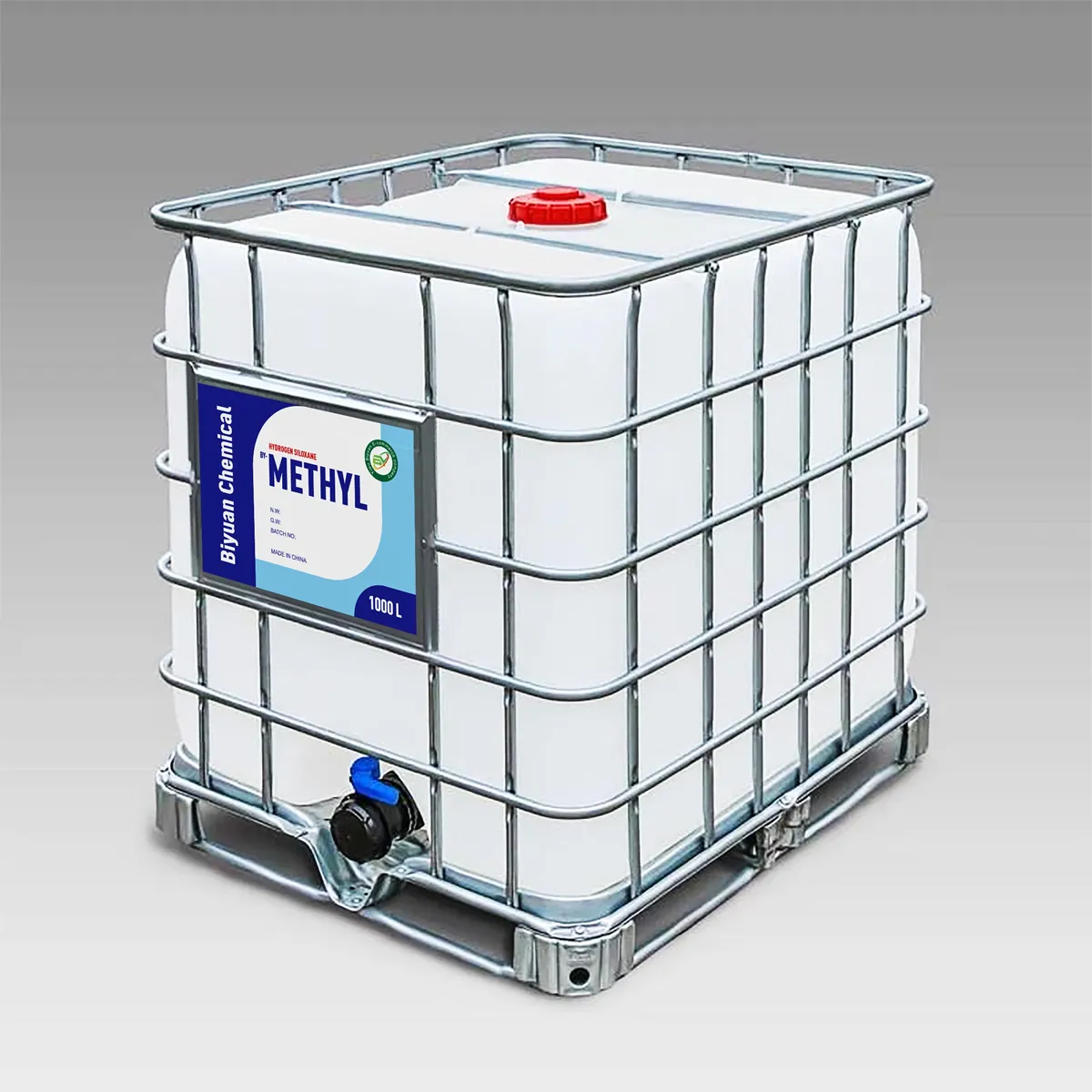
Bulk Solutions: Competitive pricing for wholesalers and manufacturers, with flexible packaging options (200kg drums, IBCs) .
By choosing Biyuan, you invest in reliability, sustainability, and compliance—critical factors for maintaining operational excellence in chemical industries.
Final Note
Prioritizing PPE and safety protocols when handling MHFS not only protects workers but also enhances productivity and regulatory compliance. For detailed product specifications or procurement inquiries, consult Biyuan’s team of specialists.
How Methyl Hydrogen Silicone Fluid Is Adapting to Sustainability Demands
The global chemical industry is undergoing a profound transformation driven by sustainability imperatives, and Methyl Hydrogen Silicone Fluid(MH Silicone Fluid) is at the forefront of this shift. As a versatile silicone polymer critical to industries from textiles to electronics, t.
In the highly specialized and competitive silicone rubber industry, the selection of raw materials directly determines product performance, processing efficiency, and market competitiveness. As a key cross-linking agent and modifier, Methyl Hydrogen Siloxane plays an indispensable role in the production of various silicone rubber products. BIYUAN, a leadin.
The Essential Guide to Electronics Encapsulation: Enhancing Durability and Performance with Methyl Hydrogen Silicone Fluid
In the rapidly evolving electronics industry, protection against environmental and mechanical stresses is not just an advantage—it’s a necessity. Electronic encapsulation serves as a critical process to ensure the longevity, .
Understanding the Key Differences Between Methyl Hydrogen Silicone Fluid and Dimethyl Silicone Oil
In the realm of silicone-based fluids, Methyl Hydrogen Silicone Fluid (also known as polymethylhydrosiloxane or PMHS) and dimethyl silicone oil (polydimethylsiloxane, PDMS) are two widely used materials with distinct properties and applications. While.
Understanding FDA Compliance for Methyl Hydrogen Silicone Fluid: Key Insights and Applications
Methyl Hydrogen Silicone Fluid (MH Silicone Fluid) is a versatile synthetic polymer widely used in industries ranging from pharmaceuticals to construction. One of the most critical considerations for manufacturers and suppliers is whether this material aligns.
Methyl Hydrogen Silicone Fluid: Ensuring Safety and Performance in Food-Grade Packaging
The Critical Role of Methyl Hydrogen Silicone Fluid in Modern Food Packaging
In today’s competitive food industry, consumer trust in food safety is paramount, and packaging materials play a crucial role in maintaining this trust. Methyl Hydrogen Silicone Fl.
Understanding the Reaction Mechanism of Methyl Hydrogen Silicone Fluid with Alkenes
Methyl Hydrogen Silicone Fluid (MHFS), a specialized silicone polymer containing reactive Si-H bonds, exhibits unique reactivity with alkenes, making it indispensable in industrial applications. This article explores the chemical interactions, catalytic requirements, an.
What is Methyl Hydrogen Silicone Fluid (MH Silicone Fluid)?
Methyl Hydrogen Silicone Fluid (MH Silicone Fluid), also known as polymethylhydrosiloxane (PMHS), is a specialized silicone-based polymer widely recognized for its unique hydrophobic properties and versatility in industrial and consumer applications. With the CAS number 63148-57-2, this flui.
Enhancing Coating Adhesion: The Critical Role of Methyl Hydrogen Silicone Fluid
In the realm of industrial coatings, achieving robust adhesion between the coating layer and substrate is paramount for durability, weather resistance, and aesthetic longevity. Methyl Hydrogen Silicone Fluid (MHFS), a versatile organosilicon compound, has emerged as a game-.
How Methyl Hydrogen Silicone Fluid Elevates Textile Performance
Methyl Hydrogen Silicone Fluid (MH Silicone Fluid) has emerged as a game-changing solution in textile manufacturing, offering transformative benefits across diverse fabric types. Its unique chemical structure—featuring reactive Si-H bonds and hydrophobic properties—enables tailored finishe.
Is MH Silicone Fluid Eco-Friendly? A Comprehensive Analysis of Methyl Hydrogen Silicone Fluid
In the pursuit of sustainable alternatives, Methyl Hydrogen Silicone Fluid (MH Silicone Fluid) has emerged as a topic of interest. But is it truly eco-friendly? This article dives into its environmental impact, applications, and innovations, while addressin.
How MH Silicone Fluid Enhances Material Flexibility in Industrial Applications
Methyl Hydrogen Silicone Fluid (MHSF) is a versatile organosilicon polymer renowned for its unique molecular structure, which combines methyl groups (-CH₃) and reactive silicon-hydrogen (Si-H) bonds. Unlike conventional silicone oils, MHSF actively participates in crosslinki.
Can MH Silicone Fluid Be Used in Pharmaceutical Coatings?
In the rapidly evolving pharmaceutical industry, excipient safety and functional performance are paramount. Methyl Hydrogen Silicone Fluid (MH Silicone Fluid) has emerged as a material of significant interest for advanced coating applications due to its unique chemical properties and safety profi.
MH Silicone Fluid: The Smart Material Revolutionizing Multiple Industries
In the evolving world of advanced materials, Methyl Hydrogen Silicone Fluid (PMHS) has emerged as a transformative smart material with applications spanning from textiles to aerospace. This specialized silicone variant, characterized by its active Si-H bonds, possesses unique prop.
Methyl Hydrogen Silicone Fluid (MH Silicone Fluid) has emerged as a critical material in industries ranging from textiles to electronics due to its unique properties, such as thermal stability, water repellency, and chemical inertness. However, concerns about volatile organic compound (VOC) emissions during its production, application, and disposal have sp.
Methyl Hydrogen Silicone Fluid (MH Fluid), a versatile organosilicon polymer with reactive Si-H bonds, is widely used in industries ranging from textiles to electronics. However, its unique chemical properties demand strict adherence to Health, Safety, and Environmental (HSE) protocols to mitigate risks and ensure sustainable operations. This guide explore.
Understanding Optimal Dosage for Methyl Hydrogen Silicone Fluid in Waterproofing Applications
Waterproofing is a critical aspect of construction and material engineering, and Methyl Hydrogen Silicone Fluid has emerged as a game-changing solution for enhancing water repellency and durability. Determining the correct dosage for specific applications en.
How Safe Is Methyl Hydrogen Silicone Fluid for Food Applications?
Methyl Hydrogen Silicone Fluid (MH Silicone Fluid), a specialized silicone-based material, has gained attention for its potential use in food-contact applications. But what makes it suitable—or unsuitable—for such uses? Let’s explore its safety, regulatory compliance, and practical appl.
MH Silicone Fluid in Medical Implants: A Comprehensive Analysis
Methyl Hydrogen Silicone Fluid (MH Silicone Fluid) has emerged as a significant material in various industrial applications, but its potential use in medical implants requires careful examination. This article explores the properties, regulatory considerations, and practical implications of.
In the world of construction materials, concrete durability remains a paramount concern for engineers, architects, and builders. While concrete is renowned for its strength, its porous nature makes it vulnerable to water infiltration, chemical attacks, and environmental degradation. This is where Methyl Hydrogen Silicone Fluid emerges as a transforma.
Methyl Hydrogen Silicone Fluid vs. Fluorosilicone: Which Delivers Unmatched Waterproofing Performance?
Waterproofing is a critical requirement across industries—from construction to textiles and electronics. Two materials often compared for their hydrophobic properties are methyl hydrogen silicone fluid and fluorosilicone. While both offer water-re.
How the Pandemic Reshaped Medical Packaging: The Rise of Methyl Hydrogen Silicone Fluid
The COVID-19 pandemic served as a pivotal moment for the global healthcare industry, triggering unprecedented demand for advanced medical packaging solutions. At the heart of this transformation lies Methyl Hydrogen Silicone Fluid (PMHS), a specialized silicone polym.
Beyond Traditional Silicones: How Methyl Hydrogen Silicone Fluid Drives Sustainable Cosmetic Innovation
In an era where “clean beauty” and “eco-conscious formulation” have shifted from niche demands to industry norms, cosmetic developers face a pressing challenge: balancing performance with planetary responsibility. As consumers .
The price level of the organic silicon market keeps climbing. Major DMC manufacturers in Shandong lifted their quotations by RMB 200/ton to RMB 14,000/ton yesterday, marking a full breakthrough above the RMB 14,000 threshold. As of September 9, mainstream DMC quotations stood at RMB 14,000–14,500/ton. Driven by the rapid rally, midstream and downstream ent.
The Pivotal Role of Platinum Catalysts in PMHS Cross-Linking: Technology, Applications, and Market Trends
Introduction to Platinum-Catalyzed PMHS Cross-Linking
The cross-linking of poly(methylhydrosiloxane), commonly known as methyl hydrogen silicone fluid (MH fluid), represents a sophisticated chemical process where platinum catalysts play an indi.
According to in-depth research by WENKH, hydrogen-containing silicone oil is a vital organosilicon intermediate. The global market size hit 3.5 billion RMB in 2025 and is projected to expand at a compound annual growth rate (CAGR) of 7.87% to 6 billion RMB by 2032. It plays a pivotal role in numerous industrial applications including surface treatment, tex.
Unlocking Precision Manufacturing: The Role of Methyl Hydrogen Silicone Fluid in 3D Printing and Electronics
In advanced manufacturing, material innovation often drives breakthroughs in product performance and process efficiency. Among the unsung heroes of modern industry, methyl hydrogen silicone fluid (also referred to as methylhydrogen polysiloxane.
Ensuring Safety and Durability: The Critical Role of Methyl Hydrogen Silicone Fluid in Modern Food-Grade Packaging
In an era where consumer trust in food safety is paramount, the choice of packaging materials directly impacts brand reputation and regulatory compliance. Among the specialized ingredients driving innovation in food-grade packaging, Methyl.
Methyl Hydrogen Silicone Fluid: Certifications and Compliance for Sustainable Construction
Introduction to Green Building Materials and PMHS
The global construction industry is undergoing a fundamental transformation toward sustainability, driven by increasingly stringent environmental regulations and growing consumer demand for eco-friendly building.
Title Interpretation & Executive Summary
The search for reliable PMHS (Polymethylhydrosiloxane) suppliers in North America requires a comprehensive understanding of both the technical specifications of Methyl Hydrogen Silicone Fluid and the stringent quality standards demanded by the automotive industry. This article explores how leading suppliers a.
PMHS: Revolutionizing Aerospace with Lightweight Waterproofing Technology
Introduction: The Critical Role of Advanced Materials in Aerospace
The aerospace industry faces constant pressure to enhance performance, reduce weight, and improve sustainability. At the forefront of materials innovation is Poly(methyl hydrogen)siloxane (PMHS), commonly known .
The Middle East is undergoing an unprecedented construction renaissance, with mega-projects transforming the region’s landscape and creating massive demand for high-performance building materials. At the heart of this infrastructure boom is Methyl Hydrogen Silicone Fluid (PMHS), a versatile silicone-based compound that plays a critical role in modern.
The global shipping landscape for Methyl Hydrogen Silicone Fluid (PMHS) faces unprecedented challenges in 2025, driven by complex logistics disruptions and volatile tariff policies. As the market for this essential chemical compound continues to expand—projected to reach USD 520 million by 2031 with an 8.5% CAGR—supply chain professionals must navigate a p.
Global Surge in Methyl Hydrogen Silicone Fluid Demand Driven by Green Technology and Electronics
The global market for Polymethylhydrosiloxane (PMHS), commonly known as Methyl Hydrogen Silicone Fluid, is experiencing a significant upswing in 2025. This versatile organic silicone polymer, renowned for its exceptional thermal stability, chemical inertness.
Executive Summary
The global methyl hydrogen silicone fluid market is experiencing significant transformation, with China emerging as the dominant force in production and supply chain dynamics. This versatile material, known for its exceptional thermal stability, water repellency, and lubrication properties, has become indispensable across diverse indus.
Enhancing Automotive Paint Durability: The Role of PMHS Technology
In the automotive industry, the longevity and aesthetic appeal of paint finishes are critical factors that impact both vehicle value and consumer satisfaction. Achieving durable, high-quality automotive coatings requires advanced chemical solutions that promote superior adhesion between .
According to in-depth research by WENKH, hydrogen-containing silicone oils are classified into six grades based on hydrogen content: 0.01%–0.36%, 0.36%–0.5%, 0.5%–1%, 1%–1.5%, 1.5%–1.6%, and above 1.6%.
Among all grades, products with hydrogen content ranging from 1.5% to 1.6% represent the largest market segment, accounting for approximately 81% of tot.
Reaction Mechanism
The addition-curing system relies on platinum-catalyzed hydrosilylation reaction. The Si-CH=CH₂ groups on vinyl silicone oil (base gum) react with the Si-H bonds of hydrogen-containing silicone oil to form crosslinks. No small molecules volatilize and no byproducts are generated during the reaction, which can be cured at ambient tempe.
Methyl Hydrogen Silicone Fluid: The Unsung Hero Transforming Waterproofing in Textiles and Construction
In industries where durability and performance are non-negotiable—textiles and construction—waterproofing has long been a challenge. Traditional solutions often fall short: coatings peel, treatments wash out, or materials become brittle over time. Ent.
The European REACH Framework: Reshaping the Supply Landscape for Methyl Hydrogen Silicone Fluid
The European Union’s REACH regulation (Registration, Evaluation, Authorisation and Restriction of Chemicals) represents a transformative regulatory environment for chemical suppliers worldwide. For producers and distributors of Methyl Hydrogen Silicone .
Methyl hydrogen siloxane serves as a multifunctional additive that significantly improves processing characteristics and final properties in silicone rubber applications. This specialized silicone fluid features reactive Si-H groups that enable efficient cross-linking through hydrosilylation reactions with vinyl-functionalized silicone rubbers.
.
Medical-grade Methyl hydrogen siloxane serves as a versatile functional material in healthcare applications, combining high purity with reactive Si-H groups for enhanced performance. This specialized silicone fluid enables precise cross-linking in implantable devices, provides controlled drug release matrices, and creates anti-fouling surface coa.
Methyl hydrogen siloxane serves as a versatile functional additive in personal care products, leveraging its unique Si-H reactivity and silicone properties to deliver enhanced performance across various applications. This specialized material acts as an effective cross-linker in hair care products, creating durable yet flexible films that provide.
Methyl hydrogen siloxane serves as a innovative processing aid that enhances both the efficiency of leather manufacturing and the quality of finished products. This reactive silicone fluid improves leather softness and flexibility through effective fiber lubrication and molecular-level modification. Its unique chemical properties enable superior .
Contact Us
We're here to help with any questions or inquiries you may have
Contact Information
Address
No. 116, Jiangdong Street, Yiwu City, Jinhua City, Zhejiang Province,China