What PPE is required when handling MH Silicone Fluid? - Methyl Hydrogen Silicone Fluid Factory
Methyl Hydrogen Silicone Fluid Factory
Methyl Hydrogen Silicone Fluid Factory
Methyl Hydrogen Silicone Fluid
Information Center
Everything you need to know about our products and company
Essential PPE for Safe Handling of Methyl Hydrogen Silicone Fluid (MHFS)
Methyl Hydrogen Silicone Fluid (MHFS), a versatile silicone-based chemical with reactive Si-H bonds, is widely used in industries like textiles, electronics, and construction for waterproofing, lubrication, and crosslinking applications. However, its chemical properties—such as thermal stability, hydrophobicity, and reactivity—demand stringent safety protocols to mitigate risks during handling. This guide outlines critical Personal Protective Equipment (PPE) requirements and best practices for working with MHFS, ensuring compliance with safety standards and minimizing occupational hazards.
1. Key PPE Requirements for MHFS Handling
Eye and Face Protection
MHFS can cause irritation or chemical burns upon contact with mucous membranes. Always wear:
Safety goggles with side shields to prevent splashes or aerosol exposure .
Face shields for high-risk tasks (e.g., pouring or spraying), offering full-face coverage .
Hand Protection
Chemical-resistant gloves are essential to prevent skin absorption. Recommended materials include:
Nitrile rubber: Resists oils, solvents, and moderate chemicals .
Neoprene: Effective against acids, bases, and alcohols .
Butyl rubber: Ideal for ketones and esters .Avoid latex gloves due to permeability risks .
Body Protection
Lab coats or aprons: Protect skin from accidental spills .
Chemical-resistant suits: Required for large-volume handling or high-concentration exposure .
Inhaling MHFS vapors or aerosols can irritate respiratory systems. Use:
N95 respirators for low-concentration environments .
Powered Air-Purifying Respirators (PAPRs) with organic vapor cartridges in confined spaces or during high-risk operations .
2. Operational Safety Protocols
Storage and Handling
Store in cool, dry areas away from acids, bases, and oxidizers .
Use secondary containment (e.g., spill trays) to prevent leaks .
Label containers clearly with hazard symbols and SDS references .
Emergency Preparedness
Spill kits: Equip workspaces with absorbent pads, neutralizing agents, and disposal bags .
Eyewash stations and safety showers: Accessible within 10 seconds of exposure .
3. Compliance and Training
SDS Review: Always consult the Safety Data Sheet (SDS) for specific hazards and PPE recommendations .
Regular Training: Ensure staff understand PPE usage, emergency procedures, and waste disposal protocols .
Why Partner with Biyuan for MHFS Solutions?
As a trusted Methyl Hydrogen Silicone Fluid supplier, Biyuan specializes in delivering high-purity, low-volatile formulations tailored to industrial needs. Our products adhere to global safety standards (e.g., REACH, RoHS) and offer:
Consistent Quality: Rigorous testing ensures compatibility with diverse applications, from textile waterproofing to electronics encapsulation .
Technical Support: Expert guidance on PPE selection, storage, and handling to optimize safety and efficiency .
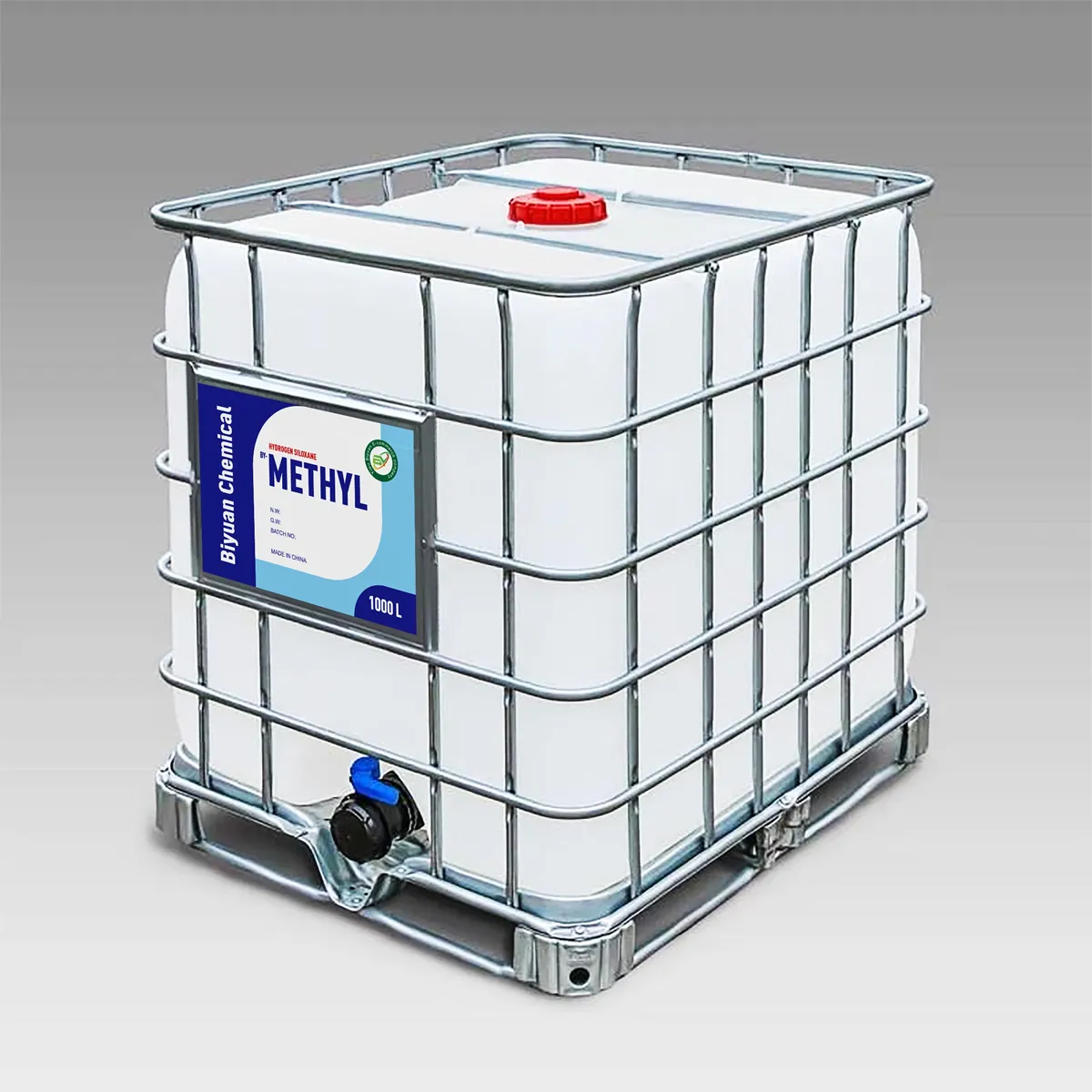
Bulk Solutions: Competitive pricing for wholesalers and manufacturers, with flexible packaging options (200kg drums, IBCs) .
By choosing Biyuan, you invest in reliability, sustainability, and compliance—critical factors for maintaining operational excellence in chemical industries.
Final Note
Prioritizing PPE and safety protocols when handling MHFS not only protects workers but also enhances productivity and regulatory compliance. For detailed product specifications or procurement inquiries, consult Biyuan’s team of specialists.
How Environmental Regulations Are Shaping the Future of Methyl Hydrogen Silicone Fluid
The global push for environmental sustainability is transforming industrial chemical regulations, creating both challenges and opportunities for specialty materials like Methyl Hydrogen Silicone Fluid. As governments worldwide implement stricter environmental protecti.
In the demanding worlds of rubber, plastic, and composite manufacturing, the quest for the perfect release agent is constant. The ideal solution must prevent materials from sticking to molds without compromising the product’s surface quality, all while ensuring efficiency and cost-effectiveness. Among the various options available, Methyl Hydrogen Si.
In the competitive and technology-driven silicone rubber manufacturing industry, the selection of high-quality raw materials is critical to determining product performance, durability, and market competitiveness. Silicone rubber products, ranging from industrial seals and medical devices to consumer goods and automotive components, must meet stringent requ.
In the world of construction materials, concrete durability remains a paramount concern for engineers, architects, and builders. While concrete is renowned for its strength, its porous nature makes it vulnerable to water infiltration, chemical attacks, and environmental degradation. This is where Methyl Hydrogen Silicone Fluid emerges as a transforma.
What Makes Methyl Hydrogen Silicone Fluid a Game-Changer in Waterproofing?
Waterproofing is a cornerstone of modern construction and material science, where innovation meets practicality. Among the array of waterproofing agents, Methyl Hydrogen Silicone Fluid (MHFS) stands out for its unique chemical properties and versatility. This article explore.
In the sophisticated chemistry of silicone materials, achieving precisely defined mechanical properties, thermal resilience, and long-term durability represents a complex architectural challenge. For formulators developing addition-cure systems—from medical-grade gels and flexible adhesives to high-temperature seals and durable composites—the crosslinker f.
Understanding the Volatility of Methyl Hydrogen Silicone Fluid: Key Insights and Applications
Methyl Hydrogen Silicone Fluid (MH Silicone Fluid), a specialized type of silicone polymer containing both methyl groups and reactive silicon-hydrogen (Si-H) bonds, is widely recognized for its unique balance of stability and reactivity. One of its most critic.
Understanding the Limitations of Methyl Hydrogen Silicone Fluid in Industrial Applications
Methyl Hydrogen Silicone Fluid (MH Silicone Fluid) has established itself as a critical material across diverse industries, from textiles and electronics to construction and cosmetics. As a specialized silicone polymer containing active silicon-hydrogen (Si-H) bon.
Understanding the Flash Point of Methyl Hydrogen Silicone Fluid: Key Properties and Applications
Methyl Hydrogen Silicone Fluid (MH Silicone Fluid) is a versatile polymer widely used in industries ranging from cosmetics to aerospace. One of its critical safety and performance parameters is its flash point, which determines its flammability under speci.
Does MH Silicone Fluid Resist UV Degradation? A Comprehensive Analysis
In the world of high-performance materials, Methyl Hydrogen Silicone Fluid (MHSF) has carved out a critical niche due to its exceptional versatility. A question frequently posed by engineers and product developers is: Can MH Silicone Fluid resist UV degradation? The answer is a d.
Methyl Hydrogen Silicone Fluid: Driving Innovation and Durability in the Marine Industry
The marine industry operates in one of the most demanding environments on Earth, where constant exposure to saltwater, humidity, and extreme weather relentlessly attacks vessels, structures, and equipment. Protecting these assets is a perpetual challenge. Methyl H.
Common Causes and Solutions for Uneven Application of Methyl Hydrogen Silicone Fluid
Methyl Hydrogen Silicone Fluid (MHFS) is widely used in industries like textiles, ceramics, and construction for its water-repellent and adhesive properties. However, uneven application can compromise product performance and lead to costly rework. Below is a comprehensi.
Methyl Hydrogen Silicone Fluid (MH Silicone Fluid), a specialized silicone-based compound, is widely used across industries for its water-repellent, lubricating, and crosslinking properties. While it is generally regarded as safe, concerns about allergenic risks persist. This article explores the potential allergen risks associated with MH Silicone Fluid, .
How to Dispose of Methyl Hydrogen Silicone Fluid Safely: A Comprehensive Guide
Methyl Hydrogen Silicone Fluid (MH Silicone Fluid), a critical industrial lubricant and waterproofing agent, requires careful handling and disposal due to its environmental persistence and regulatory constraints. Improper disposal can lead to soil/water contamination, regula.
How Safe Is Methyl Hydrogen Silicone Fluid for Food Applications?
Methyl Hydrogen Silicone Fluid (MH Silicone Fluid), a specialized silicone-based material, has gained attention for its potential use in food-contact applications. But what makes it suitable—or unsuitable—for such uses? Let’s explore its safety, regulatory compliance, and practical appl.
Can MH Silicone Fluid Be Used in Pharmaceutical Coatings?
In the rapidly evolving pharmaceutical industry, excipient safety and functional performance are paramount. Methyl Hydrogen Silicone Fluid (MH Silicone Fluid) has emerged as a material of significant interest for advanced coating applications due to its unique chemical properties and safety profi.
How Methyl Hydrogen Silicone Fluid Revolutionizes Release Agent Performance
In industrial manufacturing, achieving seamless separation between molds and products is critical for efficiency and product quality. Methyl Hydrogen Silicone Fluid (MH Silicone Fluid) has emerged as a game-changing solution, offering unparalleled performance in release agent a.
Understanding the Viscosity Range of Methyl Hydrogen Silicone Fluid
Methyl Hydrogen Silicone Fluid (MH Silicone Fluid) is a versatile polymer widely recognized for its unique balance of reactivity and stability. Among its critical properties, viscosity plays a pivotal role in determining its suitability for diverse industrial applications. This article.
How MH Silicone Fluid Excels in High-Humidity Environments: A Comprehensive Guide
In industries where moisture control is critical—construction, textiles, electronics, and more—Methyl Hydrogen Silicone Fluid (MHHSF) has emerged as a game-changing solution. But can it withstand high-humidity environments? Let’s dive into its scientific properties, app.
Is Methyl Hydrogen Silicone Fluid a Game-Changer in Automotive Engineering?
The automotive industry demands materials that can withstand extreme conditions while maintaining performance and reliability. Methyl Hydrogen Silicone Fluid (MH Silicone Fluid) has emerged as a critical solution in modern vehicle design, offering unique properties that addres.
Understanding How PMHS Elevates Thermal Resilience in Modern Motor Oils
For drivers and automotive enthusiasts, the phrase “heat is the enemy” isn’t just a catchy saying—it’s a reality. Modern engines operate at higher temperatures than ever, thanks to turbocharging, downsizing, and high-performance demands. This constant exposure to extreme heat can de.
Hydrogen containing silicone oil is an organosilicon polymer with a siloxane main chain and reactive silicon hydrogen bonds (Si H) on side chains or terminal ends. The active hydrogen in its molecular structure endows it with excellent cross linking property, hydrophobicity and reactivity. As a key intermediate for deep processing of downstream organosilic.
Executive Summary
The global methyl hydrogen silicone fluid market is experiencing significant transformation, with China emerging as the dominant force in production and supply chain dynamics. This versatile material, known for its exceptional thermal stability, water repellency, and lubrication properties, has become indispensable across diverse indus.
Exploring the Role of Methyl Hydrogen Silicone Fluid in Sustainable Catalysis
In the quest for greener industrial processes, catalyst innovation has taken center stage. Catalysts drive efficiency in chemical reactions, but their performance often hinges on the carrier material—a component that anchors active sites while influencing stability, reactivity.
The European REACH Framework: Reshaping the Supply Landscape for Methyl Hydrogen Silicone Fluid
The European Union’s REACH regulation (Registration, Evaluation, Authorisation and Restriction of Chemicals) represents a transformative regulatory environment for chemical suppliers worldwide. For producers and distributors of Methyl Hydrogen Silicone .
Ensuring Safety and Durability: The Critical Role of Methyl Hydrogen Silicone Fluid in Modern Food-Grade Packaging
In an era where consumer trust in food safety is paramount, the choice of packaging materials directly impacts brand reputation and regulatory compliance. Among the specialized ingredients driving innovation in food-grade packaging, Methyl.
Unlocking Precision Manufacturing: The Role of Methyl Hydrogen Silicone Fluid in 3D Printing and Electronics
In advanced manufacturing, material innovation often drives breakthroughs in product performance and process efficiency. Among the unsung heroes of modern industry, methyl hydrogen silicone fluid (also referred to as methylhydrogen polysiloxane.
Optimizing Industrial Cooling Efficiency: How Methyl Hydrogen Silicone Fluid Drives Energy Savings
In today’s energy-conscious industrial landscape, cooling systems account for a staggering 30-50% of total energy consumption in facilities like manufacturing plants, data centers, and chemical refineries. For operators, rising utility costs and regulator.
A Versatile Performer in Performance Within the realm of polymer materials, high hydrogen-containing silicone oil appears unremarkable yet boasts extraordinary capabilities. It is a colorless transparent liquid. Thanks to active Si–H bonds on its molecular chain, it can undergo low-temperature crosslinking with a wide range of chemical substances under the.
Methyl Hydrogen Silicone Fluid: Certifications and Compliance for Sustainable Construction
Introduction to Green Building Materials and PMHS
The global construction industry is undergoing a fundamental transformation toward sustainability, driven by increasingly stringent environmental regulations and growing consumer demand for eco-friendly building.
The price level of the organic silicon market keeps climbing. Major DMC manufacturers in Shandong lifted their quotations by RMB 200/ton to RMB 14,000/ton yesterday, marking a full breakthrough above the RMB 14,000 threshold. As of September 9, mainstream DMC quotations stood at RMB 14,000–14,500/ton. Driven by the rapid rally, midstream and downstream ent.
The global chemical industry is undergoing a transformative shift toward sustainable manufacturing, and suppliers of Polymethylhydrosiloxane (PMHS), commonly known as Methyl Hydrogen Silicone Fluid, are at the forefront of this change. Through strategic localization of production and technological innovation, these companies are significantly reducing thei.
How a European Textile Brand Mastered the Chinese Market Using Methyl Hydrogen Silicone Fluid
Introduction: The Technical Textile Breakthrough
In the highly competitive global textile industry, European brands constantly seek innovative approaches to penetrate lucrative markets like China. One notable success story involves a forward-thinking Europea.
Flash Point Analysis: Critical Safety Protocols for Handling Methyl Hydrogen Silicone Fluid
Methyl Hydrogen Silicone Fluid (MHSF) represents a specialized category of silicone polymers characterized by reactive silicon-hydrogen (Si-H) bonds within their molecular structure. These fluids serve as crucial components across diverse industrial sectors, in.
Methyl Hydrogen Silicone Fluid: The Ultimate Plastic Processing Aid for Enhanced Performance
In the dynamic world of plastic manufacturing, achieving optimal product quality, durability, and process efficiency is paramount. Among the array of additives available, methyl hydrogen silicone fluid has emerged as a game-changing solution. This versatile c.
Methyl Hydrogen Silicone Fluid: 2025 Market Analysis and Price Forecast
Executive Summary
The global methyl hydrogen silicone fluid market is poised for significant growth in 2025, driven by expanding demand from key industries including textiles, construction, electronics, and personal care. With technological advancements and sustainability initiat.
How the Pandemic Reshaped Medical Packaging: The Rise of Methyl Hydrogen Silicone Fluid
The COVID-19 pandemic served as a pivotal moment for the global healthcare industry, triggering unprecedented demand for advanced medical packaging solutions. At the heart of this transformation lies Methyl Hydrogen Silicone Fluid (PMHS), a specialized silicone polym.
The global shipping landscape for Methyl Hydrogen Silicone Fluid (PMHS) faces unprecedented challenges in 2025, driven by complex logistics disruptions and volatile tariff policies. As the market for this essential chemical compound continues to expand—projected to reach USD 520 million by 2031 with an 8.5% CAGR—supply chain professionals must navigate a p.
On July 14, KCC hosted the inaugural Robotics Technology Exchange Seminar at its R&D center located in Giheung-gu, Yongin-si, South Korea. The event brought together the research team led by Professor Park Yongrae from the Robotics Research Institute of Seoul National University, alongside researchers and technical specialists from both parties. Roughl.
The convergence of Industry 4.0 and advanced materials like Methyl Hydrogen Silicone Fluid (PMHS) is revolutionizing the waterproofing industry. This transformation is driven by the integration of cyber-physical systems, IoT, and data analytics into manufacturing and application processes, leading to unprecedented levels of efficiency, quality, and sustain.
Methyl hydrogen siloxane serves as a multifunctional additive that significantly improves processing characteristics and final properties in silicone rubber applications. This specialized silicone fluid features reactive Si-H groups that enable efficient cross-linking through hydrosilylation reactions with vinyl-functionalized silicone rubbers.
.
Medical-grade Methyl hydrogen siloxane serves as a versatile functional material in healthcare applications, combining high purity with reactive Si-H groups for enhanced performance. This specialized silicone fluid enables precise cross-linking in implantable devices, provides controlled drug release matrices, and creates anti-fouling surface coa.
Methyl hydrogen siloxane serves as a versatile functional additive in personal care products, leveraging its unique Si-H reactivity and silicone properties to deliver enhanced performance across various applications. This specialized material acts as an effective cross-linker in hair care products, creating durable yet flexible films that provide.
Methyl hydrogen siloxane serves as a innovative processing aid that enhances both the efficiency of leather manufacturing and the quality of finished products. This reactive silicone fluid improves leather softness and flexibility through effective fiber lubrication and molecular-level modification. Its unique chemical properties enable superior .
Contact Us
We're here to help with any questions or inquiries you may have
Contact Information
Address
No. 116, Jiangdong Street, Yiwu City, Jinhua City, Zhejiang Province,China