
Methyl Hydrogen Silicone Fluid Factory
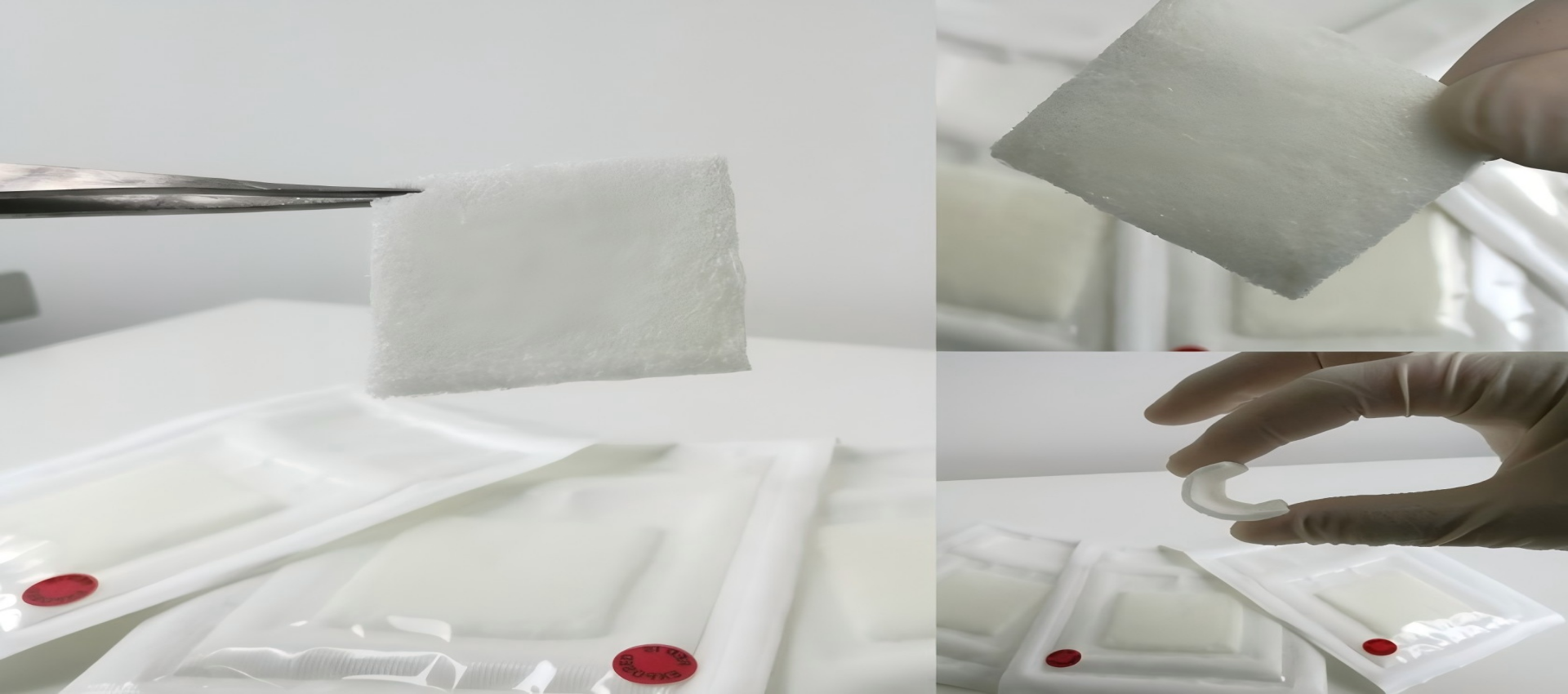
Methyl Hydrogen Silicone Fluid
Everything you need to know about our products and company
As an indispensable crosslinker for addition-cure liquid silicone rubber systems, implant-grade hydrogen-containing silicone oil enables crosslinking and curing with vinyl silicone oil under platinum catalysis via hydrosilylation. The reaction produces no small-molecule by-products and features an extremely low molding shrinkage rate, making it a core raw material for high-end implanted silicone products such as cardiac devices, orthopedic implants, neural electrodes, aesthetic prostheses and long-term indwelling catheters. Driven by the rapid advancement of minimally invasive medicine, implantable electronic devices and regenerative medicine, coupled with stricter medical device regulations worldwide and the shift toward higher-purity downstream materials, demand for high-purity implant-grade hydrogen-containing silicone oil has entered a high-growth phase, creating a clear divergence from the market for general industrial-grade hydrogen-containing silicone oil.
From the application perspective, implant scenarios impose far more stringent requirements on biocompatibility and long-term in-vivo stability than ordinary medical consumables. Addition-cure liquid silicone rubber systems are adopted for cardiac occluders, prosthetic valve seals, cerebrospinal fluid shunts, cushion liners for orthopedic implants, encapsulation of subcutaneous implantable electrodes and long-term indwelling silicone prostheses. The hydrogen content, molecular structure, cyclic siloxane impurities, heavy metal content and volatile matter of hydrogen-containing silicone oil directly determine the biological safety, mechanical stability, yellowing resistance and anti-calcification performance of finished products. Unlike skin-contact medical silicone, long-term implant materials must pass the full ISO 10993 biological evaluation, covering cytotoxicity, sensitization, irritation, genotoxicity and long-term in-vivo implantation safety tests. Low D4/D5/D6 cyclic siloxane levels, low extractables and controllable Si H activity serve as the core technical thresholds for implant-grade hydrogen-containing silicone oil.
Multiple factors converge to drive demand growth. First, the localization of domestic implant device manufacturing accelerates. Numerous local medical device enterprises are developing new-generation implanted silicone components to gradually replace imported iLSR supporting materials, boosting procurement volume of upstream high-purity hydrogen-containing silicone oil. Second, innovative tracks including minimally invasive intervention, wearable implantable medical electronics, neuromodulation and long-term monitoring devices for chronic diseases keep expanding. These products require silicone encapsulants with exceptional purity, dimensional stability and low ion leaching, fuelling demand for custom hydrogen-containing silicone oil grades. Third, global compliance standards keep tightening. The FDA, ISO and China’s NMPA have strengthened controls on cyclic siloxanes and extractable impurities in implant materials. The previous practice of using downgraded industrial-grade hydrogen-containing silicone oil is no longer acceptable, forcing formulators to switch to implant-certified raw materials.
On the supply side, the market is characterised by scarce high-end grades and oversupply of general grades. Sufficient capacity is available for conventional hydrogen-containing silicone oil, which is widely used in personal care, general moulding compounds and textile coatings. In contrast, implant-grade high-purity hydrogen-containing silicone oil has extremely high technical barriers. Its production requires dedicated clean synthesis units, multi-stage thin-film devolatilization, ultra-purification, rigorous process contamination control, complete batch traceability and long-term biological validation documentation. Only a limited number of domestic manufacturers can deliver stable mass production with full medical qualifications. High-end grades remain in tight supply, with international brands holding dominant market share and substantial room for import substitution. Most downstream customers require custom development, which calls for precise tuning of hydrogen content, viscosity and functionality to match implant silicone formulations of varying hardness, resilience and tear strength. Standard off-the-shelf products cannot meet clinical development needs.
Technically, industry R&D focuses on modified hydrogen-containing silicone oil with low cyclic siloxane content, low volatility, low heavy metal content and controllable reactivity. Through molecular design and deep purification, D4 D6 cyclic siloxanes are reduced to ultra-low levels to mitigate risks of in-vivo migration, calcification and inflammation. Precise modulation of Si H functionality accommodates different curing speeds and part thicknesses, balancing process flowability and long-term mechanical stability. Capability to develop synergistic formulations matched with platinum catalyst systems has become a key competitive advantage for raw material suppliers. Customers demand not merely individual materials, but also supporting formulation guidance, stability verification and registration documentation support.
Market segmentation is pronounced: industrial-grade and conventional medical hydrogen-containing silicone oil face fierce competition and squeezed margins. By contrast, implant-grade high-purity hydrogen-containing silicone oil commands a significant premium, with strong customer loyalty, low price sensitivity and stable order flow. Medical device manufacturers prioritize qualification, batch consistency, traceability and biological validation reports over pricing. Industry competition is shifting from pure cost competition to competition centred on compliance, stability and customized technical services.
Our most popular products loved by customers worldwide
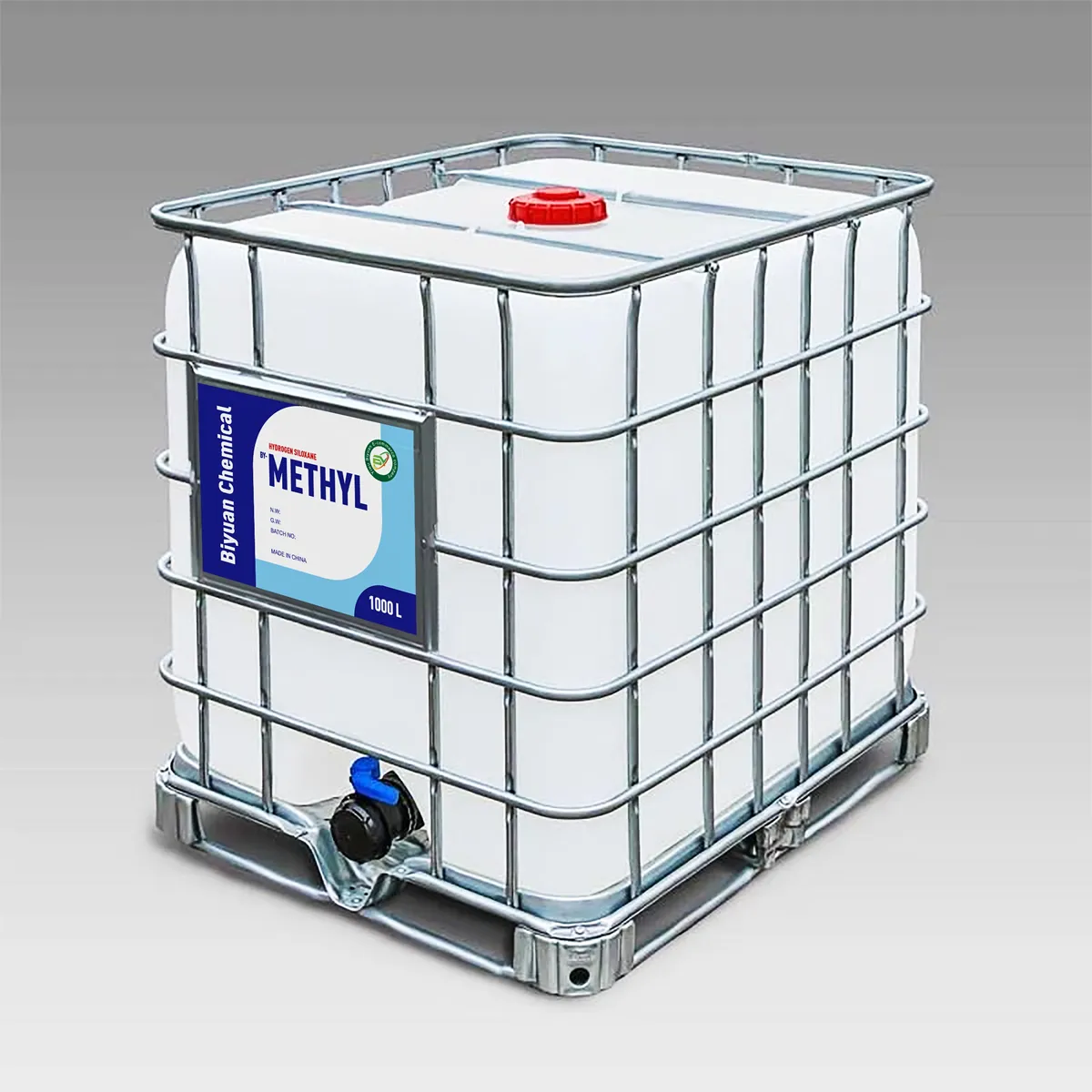
Methyl hydrogen siloxane serves as a multifunctional additive that significantly improves processing characteristics and final properties in silicone rubber applications. This specialized silicone fluid features reactive Si-H groups that enable efficient cross-linking through hydrosilylation reactions with vinyl-functionalized silicone rubbers. .
Medical-grade Methyl hydrogen siloxane serves as a versatile functional material in healthcare applications, combining high purity with reactive Si-H groups for enhanced performance. This specialized silicone fluid enables precise cross-linking in implantable devices, provides controlled drug release matrices, and creates anti-fouling surface coa.
Methyl hydrogen siloxane serves as a versatile functional additive in personal care products, leveraging its unique Si-H reactivity and silicone properties to deliver enhanced performance across various applications. This specialized material acts as an effective cross-linker in hair care products, creating durable yet flexible films that provide.
Methyl hydrogen siloxane serves as a innovative processing aid that enhances both the efficiency of leather manufacturing and the quality of finished products. This reactive silicone fluid improves leather softness and flexibility through effective fiber lubrication and molecular-level modification. Its unique chemical properties enable superior .