New Patent: Hangzhou Normal University & Jiede Juhe New Material Develop Silazane-Containing High-Adhesion Silicone Rubber Coating - Methyl Hydrogen Silicone Fluid Factory
Methyl Hydrogen Silicone Fluid Factory
Methyl Hydrogen Silicone Fluid Factory
Methyl Hydrogen Silicone Fluid
Information Center
Everything you need to know about our products and company
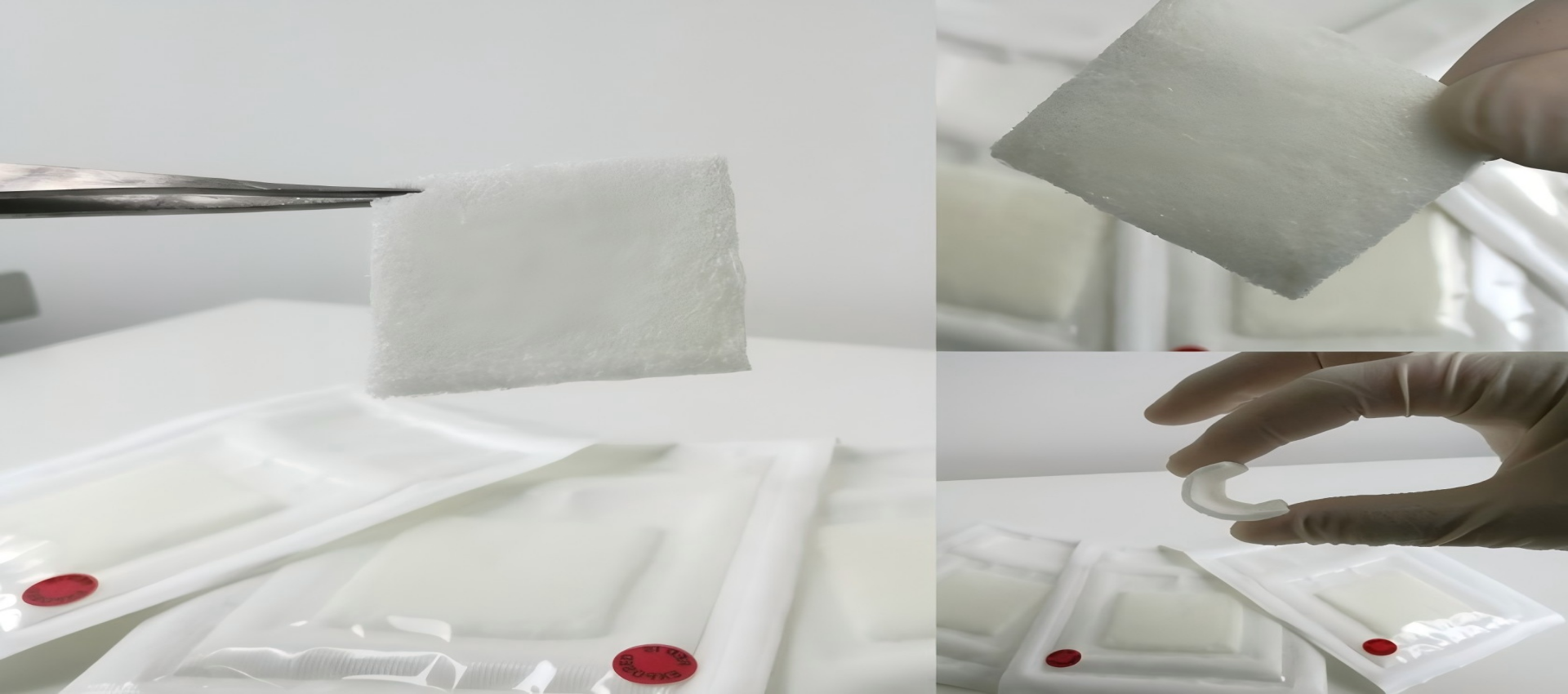
According to the China National Intellectual Property Administration, Hangzhou Normal University, together with Jiande Juhe New Material Co., Ltd., has filed the invention patent A high-adhesion silicone rubber coating material containing silazane structural unit, its preparation method and application (Publication No. CN123004270A).
Addition-cured silicone rubber coatings feature outstanding thermal stability, UV resistance and electrical insulation, yet suffer from poor inherent adhesion. Conventional solutions rely on primers or external adhesion promoters, which bring complicated procedures and reliability risks such as additive migration and interfacial delamination after damp-heat aging.
This innovation adopts silazane-modified hydrogen-containing silicone oil as crosslinker, integrating silazane units into the silicone crosslinking network instead of simple physical blending. The two-component system (vinyl silicone base + Pt catalyst / silazane-modified crosslinker) can form covalent bonds directly with hydroxyl groups on glass, aluminum and other substrates. No primer or extra tackifier is required to achieve strong adhesion.
After 500 h aging, the coating shows cohesive failure rather than interfacial peeling, with excellent retained shear strength. It retains the typical weather resistance, insulation and low stress of silicone rubber while simplifying coating processes. Target applications include PV protective coatings, electronic encapsulation, metal & glass long-term protection for harsh environments. The technology offers a new route for reliable silicone encapsulation and protective materials.
In the sophisticated science of silicone material engineering, the creation of durable, stable, and high-performance networks often hinges on the strategic selection of a crosslinking agent. For chemists and formulators developing addition-cure silicone rubbers, resins, gels, and coatings, the choice of a crosslinker directly dictates critical end-use prop.
How Methyl Hydrogen Silicone Fluid Revolutionizes Construction Material Performance
In the ever-evolving construction industry, ensuring materials withstand environmental challenges while maintaining structural integrity is paramount. Methyl Hydrogen Silicone Fluid (MH Silicone Fluid) has emerged as a game-changing solution, offering multifaceted benef.
How to Achieve Optimal Mixing of Methyl Hydrogen Silicone Fluid with Solvents
Methyl Hydrogen Silicone Fluid (MH Silicone Fluid) is a versatile organosilicon compound widely used in industries ranging from construction to textiles due to its exceptional hydrophobic properties and chemical stability. Mixing it with solvents requires careful consideratio.
The Strategic Role of Methyl Hydrogen Silicone Fluid in Advancing Solar Panel Production
In the rapidly evolving solar energy sector, material innovation is key to enhancing efficiency, durability, and cost-effectiveness. Among these advanced materials, Methyl Hydrogen Silicone Fluid (Polymethylhydrosiloxane, or PMHS) has emerged as a critical high-p.
What Determines the Curing Time of Methyl Hydrogen Silicone Fluid?
Methyl Hydrogen Silicone Fluid (MH Silicone Fluid) is a versatile material widely used in industries such as textiles, construction, and personal care for its water-repellent and release-agent properties. One of the most critical factors for its application is understanding its curing .
Introduction
In the highly competitive textile industry, manufacturers are constantly seeking innovative solutions to enhance fabric performance, improve processing efficiency, and meet evolving consumer demands for high-quality, functional, and sustainable textiles. Textile finishing—a critical stage that determines the final properties and appeal of f.
Methyl Hydrogen Silicone Fluid: Driving Innovation and Durability in the Marine Industry
The marine industry operates in one of the most demanding environments on Earth, where constant exposure to saltwater, humidity, and extreme weather relentlessly attacks vessels, structures, and equipment. Protecting these assets is a perpetual challenge. Methyl H.
Does MH Silicone Fluid Resist UV Degradation? A Comprehensive Analysis
In the world of high-performance materials, Methyl Hydrogen Silicone Fluid (MHSF) has carved out a critical niche due to its exceptional versatility. A question frequently posed by engineers and product developers is: Can MH Silicone Fluid resist UV degradation? The answer is a d.
Understanding the Flash Point of Methyl Hydrogen Silicone Fluid: Key Properties and Applications
Methyl Hydrogen Silicone Fluid (MH Silicone Fluid) is a versatile polymer widely used in industries ranging from cosmetics to aerospace. One of its critical safety and performance parameters is its flash point, which determines its flammability under speci.
MH Silicone Fluid: The Smart Material Revolutionizing Multiple Industries
In the evolving world of advanced materials, Methyl Hydrogen Silicone Fluid (PMHS) has emerged as a transformative smart material with applications spanning from textiles to aerospace. This specialized silicone variant, characterized by its active Si-H bonds, possesses unique prop.
How Methyl Hydrogen Silicone Fluid Is Adapting to Sustainability Demands
The global chemical industry is undergoing a profound transformation driven by sustainability imperatives, and Methyl Hydrogen Silicone Fluid(MH Silicone Fluid) is at the forefront of this shift. As a versatile silicone polymer critical to industries from textiles to electronics, t.
Methyl Hydrogen Silicone Fluid (MH Silicone Fluid), a specialized silicone-based compound, is widely used across industries for its water-repellent, lubricating, and crosslinking properties. While it is generally regarded as safe, concerns about allergenic risks persist. This article explores the potential allergen risks associated with MH Silicone Fluid, .
Methyl Hydrogen Silicone Fluid vs. Dimethyl Silicone Oil: A Comprehensive Comparison for Industrial Applications
In the world of industrial silicones, two prominent materials stand out for their unique properties and applications: Methyl Hydrogen Silicone Fluid (PMHS) and conventional dimethyl silicone oil. While both share some silicone characteristics.
Methyl Hydrogen Silicone Fluid (MH Silicone Fluid), a specialized type of silicone polymer, has gained significant attention in industries ranging from construction to personal care. However, a critical question arises: Is MH Silicone Fluid biodegradable? This article explores the environmental impact, sustainability, and practical applications of MH Si.
In the intricate chemistry of silicone material engineering, achieving the perfect balance between flexibility, strength, and thermal stability requires precise control over crosslink formation. For formulators developing addition-cure silicones, adhesives, coatings, and encapsulation materials, the choice of a crosslinking agent isn’t just another c.
Understanding the Shelf Life of Methyl Hydrogen Silicone Fluid
Methyl Hydrogen Silicone Fluid (MH Silicone Fluid) is a versatile industrial chemical widely used in applications ranging from waterproofing treatments to textile finishes. One of the most critical factors for its effective use is understanding its shelf life and how to preserve its perform.
How Asia-Pacific Expansion Shapes Methyl Hydrogen Silicone Fluid Availability and Market Dynamics
The global Methyl Hydrogen Silicone Fluidmarket is undergoing a significant transformation, driven primarily by explosive growth in the Asia-Pacific region. This expansion is not just reshaping geographic market shares but also fundamentally altering the av.
How Methyl Hydrogen Silicone Fluid Elevates Textile Performance
Methyl Hydrogen Silicone Fluid (MH Silicone Fluid) has emerged as a game-changing solution in textile manufacturing, offering transformative benefits across diverse fabric types. Its unique chemical structure—featuring reactive Si-H bonds and hydrophobic properties—enables tailored finishe.
Preventing Yellowing in MH Silicone Fluid-Treated Materials: A Comprehensive Guide
Methyl Hydrogen Silicone Fluid (MH Silicone Fluid) is a versatile high-performance material renowned for its exceptional waterproofing properties and application versatility across textiles, construction, electronics, and leather processing. However, a common challenge f.
Proper Storage Solutions for Methyl Hydrogen Silicone Fluid: A Comprehensive Guide
Methyl Hydrogen Silicone Fluid (MH Silicone Fluid), a versatile polymer with high hydrogen content, is widely used in industries ranging from textiles and construction to cosmetics and electronics. Its unique properties—such as water repellency, thermal stability, and co.
The Critical Role of 1.59% Hydrogen Content in PMHS for Enhanced Waterproofing
Introduction
In the specialized world of silicone chemistry, the hydrogen content in polymethylhydrosiloxane (PMHS) serves as a crucial indicator of performance potential, particularly for waterproofing applications. While PMHS is widely recognized for its water-repellent .
Executive Summary
The global methyl hydrogen silicone fluid market is experiencing significant transformation, with China emerging as the dominant force in production and supply chain dynamics. This versatile material, known for its exceptional thermal stability, water repellency, and lubrication properties, has become indispensable across diverse indus.
Silicone Market Review – Oct 28
The domestic spot market for silicone DMC trended weak and stable in October. Following the holiday at the start of the month, major monomer producers held an industry meeting in Hubei, confirming the continuation of the 40% joint production-reduction plan. It was clarified that future quotations would be adjusted in line.
The price level of the organic silicon market keeps climbing. Major DMC manufacturers in Shandong lifted their quotations by RMB 200/ton to RMB 14,000/ton yesterday, marking a full breakthrough above the RMB 14,000 threshold. As of September 9, mainstream DMC quotations stood at RMB 14,000–14,500/ton. Driven by the rapid rally, midstream and downstream ent.
Ensuring Safety and Durability: The Critical Role of Methyl Hydrogen Silicone Fluid in Modern Food-Grade Packaging
In an era where consumer trust in food safety is paramount, the choice of packaging materials directly impacts brand reputation and regulatory compliance. Among the specialized ingredients driving innovation in food-grade packaging, Methyl.
How the Pandemic Reshaped Medical Packaging: The Rise of Methyl Hydrogen Silicone Fluid
The COVID-19 pandemic served as a pivotal moment for the global healthcare industry, triggering unprecedented demand for advanced medical packaging solutions. At the heart of this transformation lies Methyl Hydrogen Silicone Fluid (PMHS), a specialized silicone polym.
Thermal Stability of Methyl Hydrogen Silicone Fluid: Effective Mitigation Strategies
Introduction to Thermal Degradation
Methyl Hydrogen Silicone Fluid (PMHS) is a versatile silicone-based material valued for its unique molecular structure containing active Si-H bonds. These bonds, while enabling various beneficial chemical reactions, also present .
The European REACH Framework: Reshaping the Supply Landscape for Methyl Hydrogen Silicone Fluid
The European Union’s REACH regulation (Registration, Evaluation, Authorisation and Restriction of Chemicals) represents a transformative regulatory environment for chemical suppliers worldwide. For producers and distributors of Methyl Hydrogen Silicone .
Methyl silicone oil forms an oriented lubricating film on fiber surfaces and reduces the friction coefficient between fibers, delivering a notable enhancement in fabric softness at the molecular level. The subjective hand-feel score of treated cotton fabrics can rise from 3.5 to 8.2.
Practical Softness Performance
Smoothness: Treated fabrics feel fr.
Dimethyl Silicone Oil, also known as Polydimethylsiloxane (PDMS), is a clear, odorless, chemically inert silicone fluid. We supply wide viscosity grades from 1 cSt up to 1,000,000 cSt. It features outstanding thermal stability from -50℃ to 200℃, low surface tension, excellent water repellency, great electrical insulation, high flash point and good shear re.
The convergence of Industry 4.0 and advanced materials like Methyl Hydrogen Silicone Fluid (PMHS) is revolutionizing the waterproofing industry. This transformation is driven by the integration of cyber-physical systems, IoT, and data analytics into manufacturing and application processes, leading to unprecedented levels of efficiency, quality, and sustain.
Title Interpretation & Executive Summary
The search for reliable PMHS (Polymethylhydrosiloxane) suppliers in North America requires a comprehensive understanding of both the technical specifications of Methyl Hydrogen Silicone Fluid and the stringent quality standards demanded by the automotive industry. This article explores how leading suppliers a.
Methyl Hydrogen Silicone Fluid in Medical Device Coatings: Ensuring Safety and Efficacy
Introduction
The use of Methyl Hydrogen Silicone Fluid (PMHS) in medical device coatings represents a significant advancement in healthcare technology, combining unique material properties with critical safety considerations. This specialized silicone fluid has ga.
Methyl Hydrogen Silicone Fluid: The Unsung Hero Transforming Waterproofing in Textiles and Construction
In industries where durability and performance are non-negotiable—textiles and construction—waterproofing has long been a challenge. Traditional solutions often fall short: coatings peel, treatments wash out, or materials become brittle over time. Ent.
Introduction
Methyl Hydrogen Silicone Fluid (CAS No. 63148-57-2), also known as methyl hydrogen polysiloxane or PMHS, is a highly versatile silicone fluid widely used across multiple industries for its exceptional water repellency, thermal stability, and crosslinking capabilities. This clear, odorless liquid contains active silicon-hydrogen (Si-H) bonds.
Understanding How PMHS Elevates Thermal Resilience in Modern Motor Oils
For drivers and automotive enthusiasts, the phrase “heat is the enemy” isn’t just a catchy saying—it’s a reality. Modern engines operate at higher temperatures than ever, thanks to turbocharging, downsizing, and high-performance demands. This constant exposure to extreme heat can de.
Methyl Hydrogen Silicone Fluid vs. Fluorosilicone: Which Delivers Unmatched Waterproofing Performance?
Waterproofing is a critical requirement across industries—from construction to textiles and electronics. Two materials often compared for their hydrophobic properties are methyl hydrogen silicone fluid and fluorosilicone. While both offer water-re.
According to in-depth research by WENKH, hydrogen-containing silicone oil is a vital organosilicon intermediate. The global market size hit 3.5 billion RMB in 2025 and is projected to expand at a compound annual growth rate (CAGR) of 7.87% to 6 billion RMB by 2032. It plays a pivotal role in numerous industrial applications including surface treatment, tex.
Optimizing Industrial Cooling Efficiency: How Methyl Hydrogen Silicone Fluid Drives Energy Savings
In today’s energy-conscious industrial landscape, cooling systems account for a staggering 30-50% of total energy consumption in facilities like manufacturing plants, data centers, and chemical refineries. For operators, rising utility costs and regulator.
Introduction to the PMHS Landscape in China
The Chinese poly(methylhydrosiloxane) (PMHS) market has evolved into a global powerhouse, driven by robust manufacturing capabilities and growing demand across diverse industries. Known commercially as Methyl Hydrogen Silicone Fluid, this specialized silicone intermediate has become indispensable in sectors ra.
Methyl hydrogen siloxane serves as a multifunctional additive that significantly improves processing characteristics and final properties in silicone rubber applications. This specialized silicone fluid features reactive Si-H groups that enable efficient cross-linking through hydrosilylation reactions with vinyl-functionalized silicone rubbers.
.
Medical-grade Methyl hydrogen siloxane serves as a versatile functional material in healthcare applications, combining high purity with reactive Si-H groups for enhanced performance. This specialized silicone fluid enables precise cross-linking in implantable devices, provides controlled drug release matrices, and creates anti-fouling surface coa.
Methyl hydrogen siloxane serves as a versatile functional additive in personal care products, leveraging its unique Si-H reactivity and silicone properties to deliver enhanced performance across various applications. This specialized material acts as an effective cross-linker in hair care products, creating durable yet flexible films that provide.
Methyl hydrogen siloxane serves as a innovative processing aid that enhances both the efficiency of leather manufacturing and the quality of finished products. This reactive silicone fluid improves leather softness and flexibility through effective fiber lubrication and molecular-level modification. Its unique chemical properties enable superior .
Contact Us
We're here to help with any questions or inquiries you may have
Contact Information
Address
No. 116, Jiangdong Street, Yiwu City, Jinhua City, Zhejiang Province,China