
Methyl Hydrogen Silicone Fluid Factory
Methyl Hydrogen Silicone Fluid
Everything you need to know about our products and company
The global construction industry is undergoing a fundamental transformation toward sustainability, driven by increasingly stringent environmental regulations and growing consumer demand for eco-friendly buildings. At the heart of this transformation lies green building materials—products that minimize environmental impact throughout their lifecycle, from manufacturing to disposal. Among these advanced materials, Methyl Hydrogen Silicone Fluid (PMHS) has emerged as a versatile performer with unique properties that contribute significantly to sustainable construction.
PMHS is a specialized silicone polymer containing reactive silicon-hydrogen (Si-H) bonds that make it particularly valuable across numerous construction applications. Its water-repellent characteristics, thermal stability, and durability enhance the performance and longevity of building materials while supporting sustainability goals. As regulatory frameworks evolve globally, understanding the certification landscape and compliance requirements for PMHS has become essential for manufacturers, suppliers, and construction professionals seeking competitive advantage in the green building marketplace .
The certification landscape for green building materials has become increasingly standardized in recent years, with most major economies establishing clear frameworks for verifying environmental claims. In China, the green建材产品认证 (Green Building Materials Product Certification) system implemented by the Market Regulatory Authority, Ministry of Housing and Urban-Rural Development, and Ministry of Industry and Information Technology establishes a three-tier grading system (one-star, two-star, and three-star) for evaluating building materials .
This certification system evaluates products based on multiple environmental criteria including resource consumption, energy consumption, environmental impact during production, and product performance. Materials that meet the highest standards (three-star) are prioritized for government projects, green buildings, and prefabricated construction projects . The certification directory encompasses a wide range of product categories from structural materials to decorative elements, creating a comprehensive framework for sustainable construction .
Internationally, several certification systems influence the acceptance of building materials like PMHS. The European Union’s REACH regulation (Registration, Evaluation, Authorisation and Restriction of Chemicals) has become a de facto global standard, requiring comprehensive data on substance properties and safe use of chemical products . Similarly, other recognized systems such as Energy Star, Forest Stewardship Council (FSC), and Cradle to Cradle certifications provide additional pathways for verifying sustainability claims .
Methyl Hydrogen Silicone Fluid offers several technical benefits that align perfectly with the core principles of green building materials. Its unique molecular structure provides exceptional thermal stability, with performance maintained at temperatures up to 300°C, making it invaluable for energy-efficient building applications . This thermal resistance contributes directly to building energy efficiency by enabling materials that reduce heating and cooling demands.
In concrete applications, PMHS significantly enhances durability and longevity by reducing water infiltration and protecting against chemical attacks and environmental degradation. Treated concrete structures demonstrate improved resistance to freeze-thaw cycles, corrosion, and surface deterioration, which extends service life and reduces the need for premature replacement . This aligns directly with the green building principle of resource efficiency through extended product lifecycles.
The fluid’s effectiveness as a water repellent also supports sustainable construction goals. When applied to building materials like concrete, masonry, or wood, PMHS creates a protective barrier that prevents moisture penetration while maintaining vapor permeability. This controls mold growth, reduces maintenance requirements, and contributes to healthier indoor environments—all key considerations in green building certifications .
Furthermore, PMHS enables the development of low-VOC formulations that align with stringent indoor air quality requirements in green building standards. Manufacturers have developed specialized PMHS variants with reduced volatile organic compound content to meet increasingly strict emissions standards, particularly important for interior applications .
Navigating the complex regulatory landscape for PMHS in construction applications requires a strategic approach to compliance. The European Union’s REACH regulation presents particularly stringent requirements that have reshaped global supply chains. Compliance has evolved from a regulatory obligation to a competitive differentiator, with certified suppliers gaining preferential access to European markets pursuing green procurement initiatives .
A proactive compliance strategy should include:
The financial impact of compliance is significant, with registration and potential reformulation costs creating barriers to entry for smaller producers. However, this investment can yield substantial returns through market access and premium positioning. Since stricter enforcement of REACH standards in 2022, EU imports of non-compliant PMHS from certain Asian sources dropped by 12%, demonstrating the regulation’s powerful market-shaping effect .
The “Brussels Effect”—where EU regulations de facto set global standards—means that compliance with European requirements often facilitates market access worldwide. Producers targeting the EU market frequently apply the same standards to products sold elsewhere, raising the global benchmark for chemical safety and environmental performance .
The global PMHS market is experiencing significant growth, projected to reach USD 3.82 billion by 2031, driven increasingly by sustainability considerations and regulatory developments . Regionally, market dynamics vary considerably, creating both challenges and opportunities for suppliers.
The Asia-Pacific region dominates both production and consumption, with robust demand from textile, electronics, and construction sectors. China has particularly emerged as a major force in the PMHS market, with advanced manufacturing capabilities and increasing attention to regulatory compliance . However, the varying stringency of chemical regulations across Asian countries creates a complex trade landscape that requires careful navigation.
In North America, green building standards such as GGBC (Global Green Building Council) drive demand for certified materials, with PMHS valued for its contribution to energy efficiency and durability goals . The European market remains particularly stringent, with REACH compliance essential for market access and competitive positioning.
Government policies worldwide are accelerating demand for certified green building materials. Many jurisdictions now mandate green material use in public projects, while others offer financial incentives for sustainable construction. These policies create predictable demand streams for compliant PMHS products and encourage innovation in formulation and application .
In this complex regulatory environment, Biyuan has established itself as a leader in compliant PMHS solutions for the construction industry. Through strategic investments in research, testing, and certification, Biyuan has positioned its Methyl Hydrogen Silicone Fluid products to meet the most demanding international standards while delivering consistent performance across diverse applications .
Biyuan’s approach integrates regulatory compliance directly into product development, resulting in PMHS formulations that exceed baseline requirements while offering enhanced performance characteristics. The company’s commitment to transparency and documentation simplifies compliance for downstream users, with comprehensive technical data supporting material selection and specification processes .
A key differentiator for Biyuan lies in its focus on high-purity PMHS grades with reduced trace metal contaminants below 10 ppm—particularly important for specialized construction applications where impurities could compromise material performance or regulatory compliance. This emphasis on purity aligns with the increasing stringent requirements of green building certifications for material composition and emissions .
Biyuan has also demonstrated leadership in developing eco-friendly formulations with low VOC content and improved biodegradability, supporting the circular economy principles increasingly embedded in green building standards. These innovations reflect the company’s understanding of evolving sustainability priorities in the construction sector and its commitment to addressing them through product development .
Looking forward, Biyuan’s strategy includes continued investment in certification across global markets, development of specialized PMHS products for emerging green building applications, and collaboration with partners across the construction value chain to optimize material performance while meeting increasingly stringent sustainability requirements .
The trajectory for Methyl Hydrogen Silicone Fluid in sustainable construction points toward growing importance and increasingly sophisticated applications. As green building standards evolve toward more stringent requirements and whole-lifecycle assessment, the unique properties of PMHS position it as a valuable tool for achieving sustainability goals.
The future will see increased integration of PMHS in high-performance building systems, with formulations tailored to specific environmental and regulatory requirements. Digital tools for compliance management and material selection will streamline the certification process, while continued innovation will address emerging priorities such as carbon footprint reduction and circular economy principles.
For manufacturers, suppliers, and construction professionals, early adoption of certified PMHS products and development of expertise in their application will deliver competitive advantage in a market increasingly shaped by sustainability considerations. Those who view regulations not as barriers but as catalysts for higher standards of safety, sustainability, and performance will lead the next generation of green building innovation .
Our most popular products loved by customers worldwide
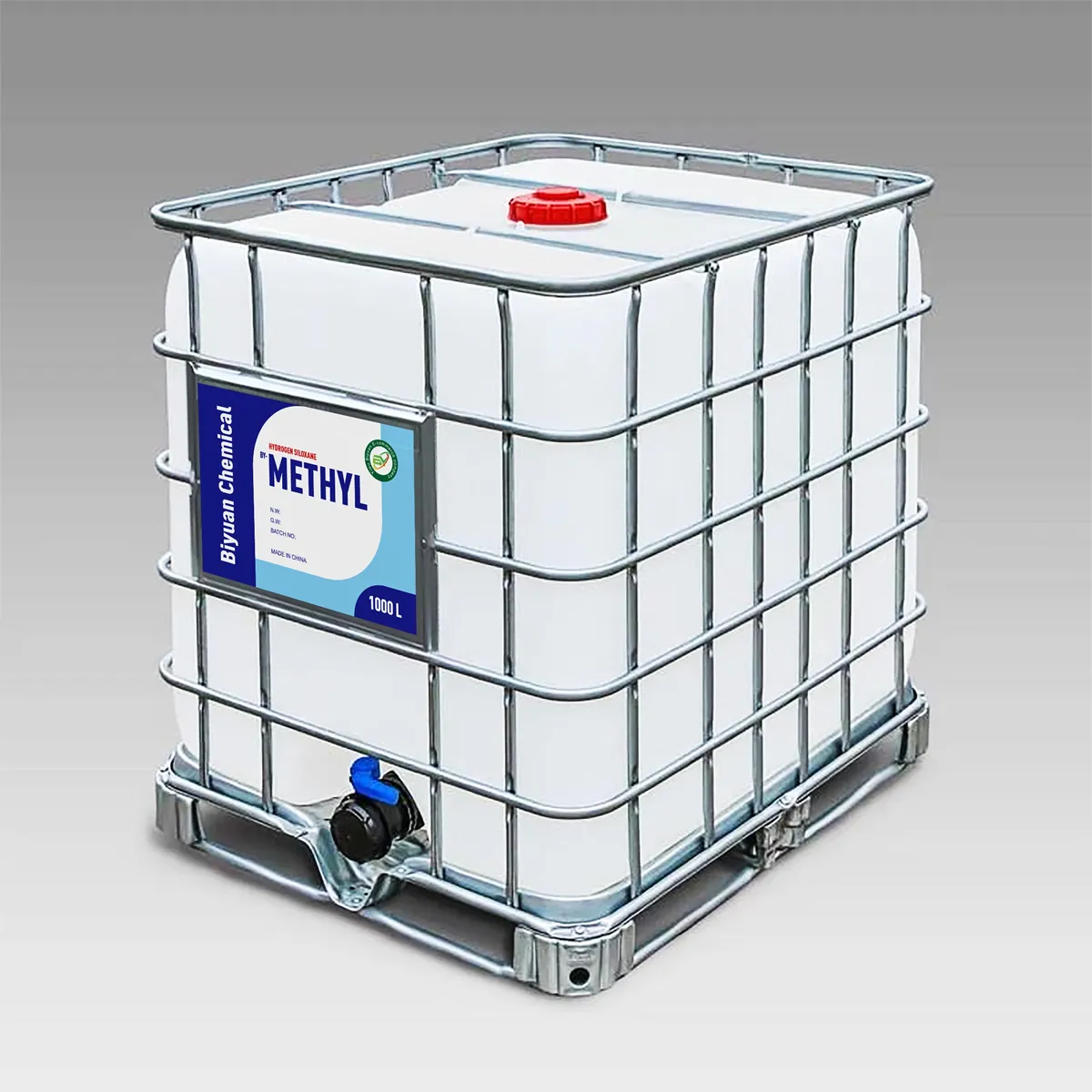
Methyl hydrogen siloxane serves as a multifunctional additive that significantly improves processing characteristics and final properties in silicone rubber applications. This specialized silicone fluid features reactive Si-H groups that enable efficient cross-linking through hydrosilylation reactions with vinyl-functionalized silicone rubbers. .
Medical-grade Methyl hydrogen siloxane serves as a versatile functional material in healthcare applications, combining high purity with reactive Si-H groups for enhanced performance. This specialized silicone fluid enables precise cross-linking in implantable devices, provides controlled drug release matrices, and creates anti-fouling surface coa.
Methyl hydrogen siloxane serves as a versatile functional additive in personal care products, leveraging its unique Si-H reactivity and silicone properties to deliver enhanced performance across various applications. This specialized material acts as an effective cross-linker in hair care products, creating durable yet flexible films that provide.
Methyl hydrogen siloxane serves as a innovative processing aid that enhances both the efficiency of leather manufacturing and the quality of finished products. This reactive silicone fluid improves leather softness and flexibility through effective fiber lubrication and molecular-level modification. Its unique chemical properties enable superior .