Methyl Hydrogen Silicone Fluid Factory
Methyl Hydrogen Silicone Fluid
Everything you need to know about our products and company
The Indian textile industry is undergoing a significant transformation as manufacturers increasingly adopt Poly Methyl Hydrogen Silicone (PMHS) technology to produce high-performance waterproof fabrics. This shift represents a strategic response to growing market demand for functional textiles that combine water resistance with breathability, durability, and environmental sustainability. The adoption of PMHS-based waterproofing solutions is positioning Indian textile mills at the forefront of technical textile innovation, enabling them to compete effectively in both domestic and international markets.
India’s waterproof textiles market has demonstrated robust growth, reaching USD 89.42 million in 2024 and projected to expand to USD 156.03 million by 2033, achieving a compound annual growth rate (CAGR) of 5.91%. This growth trajectory is fueled by several key factors, including the expansion of outdoor recreational activities such as trekking, camping, and adventure sports, which drive demand for waterproof apparel and gear. Additionally, rising consumer awareness about the practicality of weather-resistant clothing in urban environments has created new market segments beyond traditional rainwear applications.
The global waterproof fabrics market presents even more substantial opportunities, with projections indicating growth from USD 2.5 billion in 2025 to USD 4.7 billion by 2035, at a CAGR of 6.5%. Clothing applications dominate this market, accounting for 42.6% of revenue share, while breathable waterproof fabrics capture 57.3% of market share due to their superior comfort and performance characteristics.
Poly Methyl Hydrogen Silicone (PMHS), also known as Methyl Hydrogen Silicone Fluid, represents a breakthrough in waterproofing technology for textiles. This chemical compound (CAS No. 63148-57-2) contains active Si-H bonds in its molecular structure, enabling it to participate in various chemical reactions and cross-link under the influence of metal salt catalysts at low temperatures.
The most significant advantage of PMHS lies in its exceptional waterproof performance. When applied to fabric surfaces, it forms a durable hydrophobic film that provides excellent water repellency while maintaining moderate softness. Unlike traditional waterproofing agents, PMHS exhibits minimal changes in physical properties across a wide temperature range, making it suitable for diverse climatic conditions. The technology is thermally stable at temperatures up to 150°C for extended periods, ensuring long-term performance durability.
PMHS-based waterproofing solutions offer several key benefits for textile applications:
Superior Water Repellency: The technology creates a permanent hydrophobic barrier that prevents water penetration while allowing vapor transmission, addressing the critical need for breathability in waterproof garments.
Enhanced Durability: Fabrics treated with PMHS demonstrate excellent resistance to abrasion, maintaining their waterproof properties through multiple wash cycles and extended use.
Environmental Compatibility: PMHS is non-toxic, non-dangerous, and compatible with most plastics and surface coatings, making it suitable for a wide range of textile substrates including natural and synthetic fibers.
Indian textile mills are integrating PMHS technology through advanced coating and finishing processes. The manufacturing workflow typically involves several key stages:
Fabric Preparation: Gray cloth selection and thorough cleaning to remove impurities that could interfere with coating adhesion.
Surface Treatment: Plasma dust removal and surface activation to enhance PMHS bonding with fabric fibers.
Coating Application: Uniform application of PMHS-based waterproofing formulations using precision coating equipment.
Curing Process: Cross-linking under controlled temperature conditions using metal salt catalysts to form the permanent waterproof film.
Quality Control: Rigorous testing for hydrostatic pressure resistance, breathability, and durability to ensure compliance with international standards.
The adoption of PMHS technology by Indian textile mills is supported by compliance with global waterproofing standards that validate product performance and quality. Key certifications include:
ISO 811: International standard for water pressure resistance measurement, with materials rated above 1,000 mm considered waterproof.
EN 343: European standard for waterproof and breathable protective clothing, classifying garments on both water penetration resistance (Classes 1-4) and water vapor resistance/breathability (Classes 1-4).
AATCC 127: North American standard for hydrostatic pressure testing before leakage.
OEKO-TEX Standard 100: Certification for chemical safety and environmental compliance.
These certifications provide Indian manufacturers with market access to international buyers who demand verified performance and quality assurance.
PMHS-treated waterproof fabrics find applications across multiple market segments:
Outdoor and Sportswear: Jackets, trousers, and accessories for hiking, mountaineering, and adventure sports, where breathable waterproof protection is essential.
Workwear and Protective Clothing: Industrial garments for construction, transportation, and emergency services that require reliable weather protection.
Technical Textiles: Tarpaulins, tents, and covers for automotive and industrial applications.
Lifestyle Apparel: Urban outerwear and fashion garments that combine style with functional weather protection.
The shift toward PMHS technology aligns with the industry’s growing emphasis on sustainability. PMHS-based waterproofing offers several environmental advantages:
Reduced Chemical Footprint: Compared to traditional fluorinated DWR (Durable Water Repellent) coatings that contain PFAS (“forever chemicals”), PMHS provides effective waterproofing with lower environmental impact.
Energy Efficiency: The low-temperature curing process of PMHS reduces energy consumption during manufacturing.
Longevity: Durable waterproof performance extends garment lifespan, reducing textile waste and supporting circular economy principles.
The waterproof fabrics market features several global players, including Gore (USA/Germany), Sympatex (Germany), and Ventile (Switzerland/UK), who have established strong positions with advanced membrane technologies. Indian textile mills adopting PMHS technology are positioning themselves to compete in this dynamic market by offering cost-effective alternatives with comparable performance characteristics.
Biyuan has emerged as a key player in advancing PMHS technology for waterproof textiles. The company’s research and development efforts have focused on optimizing PMHS formulations for enhanced performance and sustainability. Biyuan’s PMHS solutions are engineered to provide superior water repellency while maintaining fabric breathability and softness, addressing the critical balance between protection and comfort.
The company’s technical expertise extends to developing customized PMHS formulations for specific fabric types and end-use applications. By collaborating with Indian textile mills, Biyuan has facilitated the adoption of PMHS technology through comprehensive technical support, including process optimization, quality control protocols, and performance validation testing.
Biyuan’s commitment to innovation is reflected in its continuous improvement of PMHS formulations to meet evolving market demands for eco-friendly, high-performance waterproofing solutions. The company’s products are designed to comply with international standards and certifications, ensuring that Indian textile manufacturers can access global markets with confidence in their product quality and performance.
The adoption of PMHS technology by Indian textile mills represents a strategic response to both domestic and international market opportunities. As consumer demand for functional, sustainable textiles continues to grow, PMHS-based waterproof fabrics offer a competitive advantage through their combination of performance, durability, and environmental compatibility.
The Asia-Pacific region, led by China and India, is emerging as a powerhouse in the waterproof fabrics market, driven by rapid industrialization, rising disposable incomes, and expanding outdoor culture. Indian textile mills are well-positioned to capitalize on this growth by leveraging PMHS technology to produce high-quality waterproof fabrics that meet global standards and consumer expectations.
The adoption of PMHS technology by Indian textile mills marks a significant advancement in the country’s technical textiles sector. By embracing this innovative waterproofing solution, manufacturers are enhancing their competitive position in both domestic and international markets while addressing growing consumer demand for functional, sustainable textiles. The combination of PMHS’s technical advantages, global performance standards compliance, and environmental benefits positions Indian textile mills for continued growth and success in the dynamic waterproof fabrics market. As the industry evolves, ongoing innovation and collaboration with technology partners like Biyuan will be essential to maintaining this competitive edge and meeting the evolving needs of consumers worldwide.
Our most popular products loved by customers worldwide
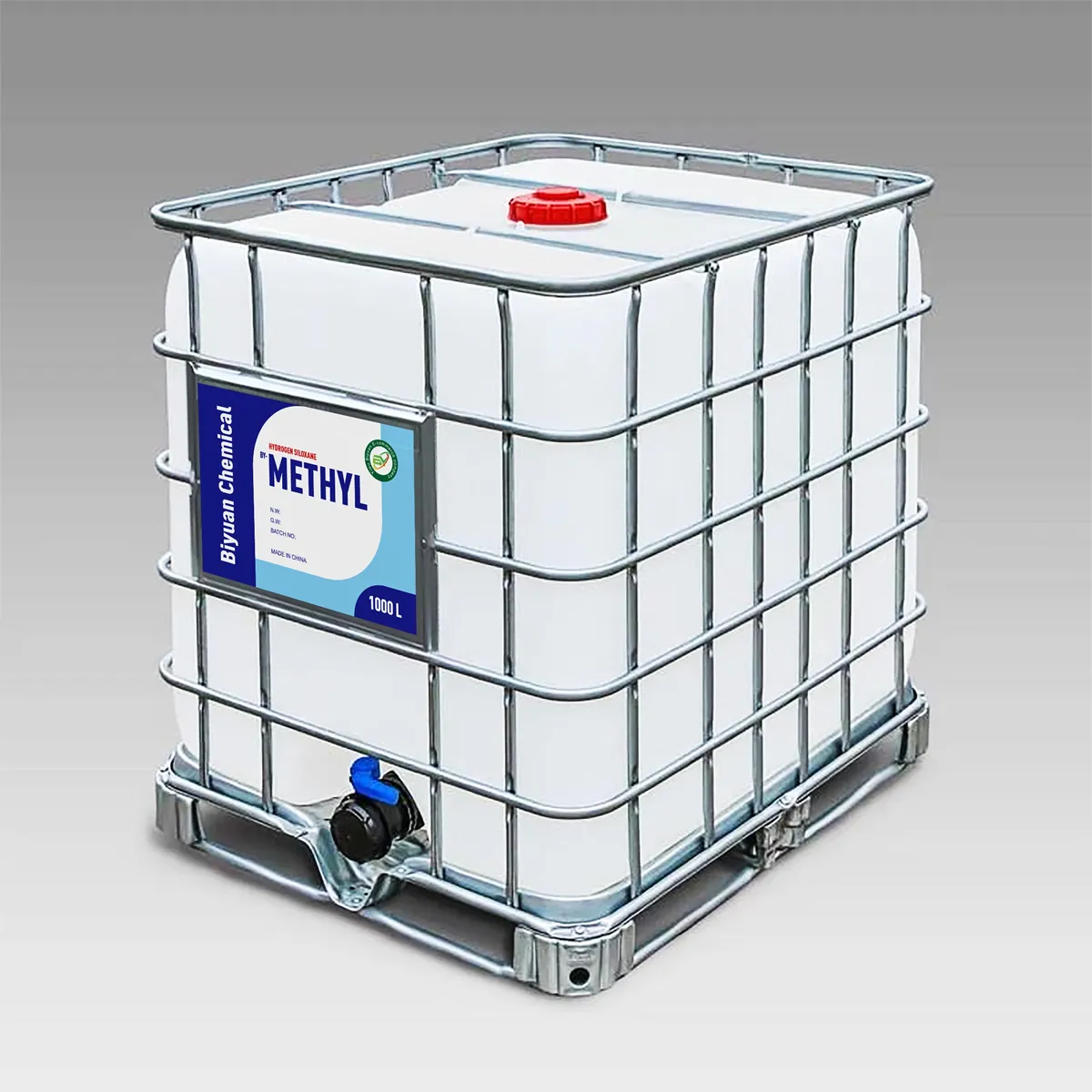
Methyl hydrogen siloxane serves as a multifunctional additive that significantly improves processing characteristics and final properties in silicone rubber applications. This specialized silicone fluid features reactive Si-H groups that enable efficient cross-linking through hydrosilylation reactions with vinyl-functionalized silicone rubbers. .
Medical-grade Methyl hydrogen siloxane serves as a versatile functional material in healthcare applications, combining high purity with reactive Si-H groups for enhanced performance. This specialized silicone fluid enables precise cross-linking in implantable devices, provides controlled drug release matrices, and creates anti-fouling surface coa.
Methyl hydrogen siloxane serves as a versatile functional additive in personal care products, leveraging its unique Si-H reactivity and silicone properties to deliver enhanced performance across various applications. This specialized material acts as an effective cross-linker in hair care products, creating durable yet flexible films that provide.
Methyl hydrogen siloxane serves as a innovative processing aid that enhances both the efficiency of leather manufacturing and the quality of finished products. This reactive silicone fluid improves leather softness and flexibility through effective fiber lubrication and molecular-level modification. Its unique chemical properties enable superior .