Everything you need to know about our products and company
In the rapidly evolving electronics manufacturing industry, the selection of advanced materials directly influences product performance, reliability, and competitiveness. As electronic devices become increasingly miniaturized and multifunctional, the demand for high-performance insulating, sealing, and protective materials has grown significantly. Among these, Methyl Hydrogen Silicone Fluid has emerged as a critical material due to its unique chemical properties and versatile applications. BIYUAN, a leading manufacturer of high-purity silicone products, offers Methyl Hydrogen Silicone Fluid specifically designed to meet the stringent requirements of electronics component manufacturing. This article explores the key advantages of choosing BIYUAN Methyl Hydrogen Silicone Fluid, highlighting its role in enhancing production efficiency, ensuring product reliability, and supporting technological innovation in electronics manufacturing.
Superior Insulating Properties for High-Performance Electronics
The reliability of electronic components heavily depends on effective electrical insulation. BIYUAN Methyl Hydrogen Silicone Fluid provides exceptional insulating properties:
High Dielectric Strength: It ensures robust insulation even under high-voltage conditions, reducing the risk of electrical failures in components such as capacitors, transformers, and integrated circuits.
Thermal Stability: Its stable performance across a wide temperature range (-50°C to 200°C) makes it suitable for applications in power devices, automotive electronics, and industrial control systems.
Moisture and Contaminant Resistance: The hydrophobic nature of BIYUAN Methyl Hydrogen Silicone Fluid protects electronic components from humidity, dust, and corrosive substances, extending their operational lifespan.
Enhanced Adhesion and Sealing Performance
Effective sealing is essential to protect sensitive electronic components from environmental and mechanical stress. BIYUAN Methyl Hydrogen Silicone Fluid excels in this regard:
Strong Adhesion to Various Substrates: It bonds effectively with metals, ceramics, plastics, and other materials commonly used in electronics, ensuring durable seals in components like sensors, connectors, and housings.
Flexibility and Crack Resistance: Its inherent elasticity allows it to accommodate thermal expansion and mechanical vibrations without cracking or delamination, maintaining seal integrity over time.
Chemical Inertness: Resistant to oils, solvents, and other chemicals, it ensures long-term protection in harsh operating environments.
Optimized Manufacturing Efficiency
Manufacturing efficiency is critical for meeting the high-volume demands of the electronics industry. BIYUAN Methyl Hydrogen Silicone Fluid offers significant production advantages:
Controlled Curing Characteristics: With adjustable curing times and temperatures, it allows manufacturers to optimize production cycles for potting, encapsulation, and coating processes.
Ease of Application: Its low viscosity and excellent flow properties enable uniform coverage and penetration, reducing material waste and ensuring consistent results in automated production lines.
Compatibility with Additives: It can be easily blended with flame retardants, thermal conductive fillers, and other additives to meet specific application requirements without compromising performance.
Support for Miniaturization and Advanced Designs
The trend toward smaller, lighter, and more integrated electronic devices demands materials that support innovative designs. BIYUAN Methyl Hydrogen Silicone Fluid enables such advancements:
Thin-Layer Applications: It can form ultra-thin, uniform coatings for micro-components, providing insulation and protection without adding significant bulk or weight.
High-Temperature Performance: Suitable for reflow soldering and other high-temperature processes, it ensures component integrity during manufacturing and operation.
Versatility in Applications: From flexible printed circuits (FPCs) and LED modules to MEMS devices and power electronics, BIYUAN Methyl Hydrogen Silicone Fluid supports a wide range of cutting-edge technologies.
Conclusion
For electronics component manufacturers, BIYUAN Methyl Hydrogen Silicone Fluid offers a powerful combination of superior electrical insulation, robust sealing performance, and manufacturing efficiency. Its ability to support miniaturization, comply with stringent standards, and enable innovative designs makes it an invaluable material for meeting the evolving demands of the electronics industry. As electronic devices continue to advance, BIYUAN Methyl Hydrogen Silicone Fluid stands as a key enabler of progress, reliability, and sustainability in electronics manufacturing.
Methyl Hydrogen Silicone Fluid: Ensuring Safety and Performance in Food-Grade Packaging
The Critical Role of Methyl Hydrogen Silicone Fluid in Modern Food Packaging
In today’s competitive food industry, consumer trust in food safety is paramount, and packaging materials play a crucial role in maintaining this trust. Methyl Hydrogen Silicone Fl.
How Methyl Hydrogen Silicone Fluid Achieves Optimal Performance: Curing Insights
Methyl Hydrogen Silicone Fluid (MH Silicone Fluid) is a versatile polymer widely recognized for its water-repellent, adhesive, and crosslinking capabilities. A common question among industrial users is whether this material requires curing to unlock its full potential. The.
Preventing Yellowing in MH Silicone Fluid-Treated Materials: A Comprehensive Guide
Methyl Hydrogen Silicone Fluid (MH Silicone Fluid) is a versatile high-performance material renowned for its exceptional waterproofing properties and application versatility across textiles, construction, electronics, and leather processing. However, a common challenge f.
How MH Silicone Fluid Enhances Material Flexibility in Industrial Applications
Methyl Hydrogen Silicone Fluid (MHSF) is a versatile organosilicon polymer renowned for its unique molecular structure, which combines methyl groups (-CH₃) and reactive silicon-hydrogen (Si-H) bonds. Unlike conventional silicone oils, MHSF actively participates in crosslinki.
Innovations Shaping MH Silicone Fluid R&D
The global Methyl Hydrogen Silicone Fluid market is undergoing a significant transformation, driven by advanced material demands across textiles, electronics, automotive, and construction industries. With the market projected to reach an estimated $0.6 billion by 2031, registering a CAGR of 8.5%, innovation .
Methyl Hydrogen Silicone Fluid (MH Silicone Fluid), a specialized silicone-based compound, is widely used across industries for its water-repellent, lubricating, and crosslinking properties. While it is generally regarded as safe, concerns about allergenic risks persist. This article explores the potential allergen risks associated with MH Silicone Fluid, .
How Hydrogen Content Affects Functionality in Industrial Materials and Fluids
The Critical Role of Hydrogen in Material Performance
Hydrogen content plays a crucial role in determining the functionality and reliability of industrial materials and specialty chemicals. While hydrogen is the smallest element, its presence and concentration can dramatica.
Unlocking Value: Bulk Discounts and Strategic Advantages of Methyl Hydrogen Silicone Fluid
In the competitive landscape of industrial chemicals, cost efficiency without compromising quality is a paramount concern for procurement managers and business owners. Methyl Hydrogen Silicone Fluid (PMHS) stands as a critical material in numerous manufacturing p.
Enhancing Coating Adhesion: The Critical Role of Methyl Hydrogen Silicone Fluid
In the realm of industrial coatings, achieving robust adhesion between the coating layer and substrate is paramount for durability, weather resistance, and aesthetic longevity. Methyl Hydrogen Silicone Fluid (MHFS), a versatile organosilicon compound, has emerged as a game-.
Can MH Silicone Fluid Be Mixed with Other Silicone Fluids?
Methyl Hydrogen Silicone Fluid (MH Silicone Fluid), a specialized silicone product with reactive Si-H bonds, is widely used in industries like coatings, textiles, and mold-making. A common question arises: Can it be safely mixed with other silicone fluids? The answer depends on chemical com.
Methyl Hydrogen Silicone Fluid (MH Fluid), a versatile organosilicon polymer with reactive Si-H bonds, has become indispensable across industries due to its adaptability and functional versatility. While standardized grades are widely available, the ability to customize this material unlocks tailored solutions for niche applications. Here’s how MH Silicone.
Nanotechnology-Enhanced MH Silicone Fluids: A New Era of Performance
In the evolving world of specialty chemicals, the convergence of nanotechnology with traditional materials is unlocking unprecedented capabilities. Methyl Hydrogen Silicone Fluid (MH Silicone Fluid), a workhorse in numerous industries, is undergoing a revolutionary transformation throu.
AI-Driven Optimizations Revolutionize Methyl Hydrogen Silicone Fluid Applications
The industrial landscape for Methyl Hydrogen Silicone Fluidis undergoing a profound transformation as artificial intelligence emerges as a critical enabler of innovation and efficiency. This versatile organosilicon polymer, renowned for its reactive Si-H bonds and exceptio.
Understanding the Refractive Index of Methyl Hydrogen Silicone Fluid: Key Insights and Applications
Methyl Hydrogen Silicone Fluid (MH Silicone Fluid) is a specialized silicone polymer widely recognized for its unique chemical properties and versatility across industries. One of its critical technical parameters—the refractive index—plays a pivotal rol.
In the world of industrial materials, cost-effectiveness is not just about the initial price tag—it’s about performance, durability, and return on investment. Methyl Hydrogen Silicone Fluid (MH Silicone Fluid) has emerged as a standout solution across multiple industries, but how does it truly measure up against alternatives when all factors are cons.
Methyl Hydrogen Silicone Fluid (MH Silicone Fluid), a versatile polymer with reactive Si-H bonds, is widely used across industries for its waterproofing, lubricating, and crosslinking properties. Its price range varies significantly based on purity, viscosity, and supplier specifications. Below is a detailed analysis of its pricing trends, key applications.
Catalyst Selection for Methyl Hydrogen Silicone Fluid: Key Considerations and Applications
Methyl hydrogen silicone fluid (MH Silicone Fluid), a specialized siloxane polymer with reactive Si-H bonds, plays a pivotal role in industries ranging from adhesives to personal care. The choice of catalyst for its applications is critical to achieving optimal p.
In the world of construction materials, concrete durability remains a paramount concern for engineers, architects, and builders. While concrete is renowned for its strength, its porous nature makes it vulnerable to water infiltration, chemical attacks, and environmental degradation. This is where Methyl Hydrogen Silicone Fluid emerges as a transforma.
The Strategic Role of Methyl Hydrogen Silicone Fluid in Advancing Solar Panel Production
In the rapidly evolving solar energy sector, material innovation is key to enhancing efficiency, durability, and cost-effectiveness. Among these advanced materials, Methyl Hydrogen Silicone Fluid (Polymethylhydrosiloxane, or PMHS) has emerged as a critical high-p.
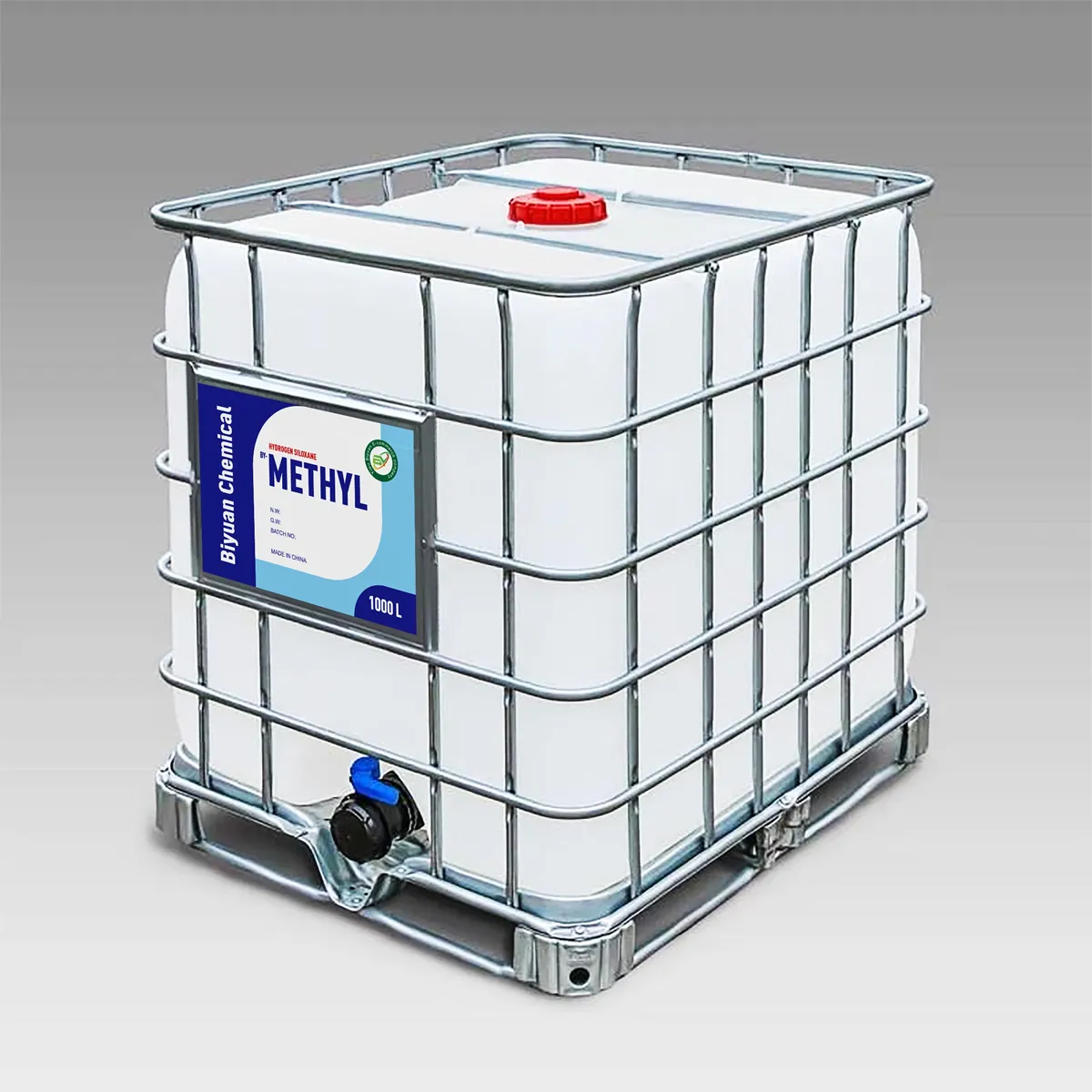
Methyl Hydrogen Silicone Fluid, a versatile compound widely used in industries such as textiles, construction, and cosmetics, requires specialized packaging to ensure safety, stability, and compliance. Understanding the available packaging options and their applications is critical for manufacturers, distributors, and end-users. Below, we explore tailored .
Beyond Traditional Silicones: How Methyl Hydrogen Silicone Fluid Drives Sustainable Cosmetic Innovation
In an era where “clean beauty” and “eco-conscious formulation” have shifted from niche demands to industry norms, cosmetic developers face a pressing challenge: balancing performance with planetary responsibility. As consumers .
The Pivotal Role of Platinum Catalysts in PMHS Cross-Linking: Technology, Applications, and Market Trends
Introduction to Platinum-Catalyzed PMHS Cross-Linking
The cross-linking of poly(methylhydrosiloxane), commonly known as methyl hydrogen silicone fluid (MH fluid), represents a sophisticated chemical process where platinum catalysts play an indi.
Methyl Hydrogen Silicone Fluid, known in the scientific community by its CAS registry number 63148-57-2, represents a remarkable class of organosilicon compounds with unique properties and diverse industrial applications. This chemical workhorse, also called polymethylhydrosiloxane, has established itself as an indispensable material across sectors rang.
The 2025 Sustainability Awards represent a pivotal moment for the chemical industry, particularly for manufacturers of Methyl Hydrogen Silicone Fluid (PMHS). As global demand for sustainable solutions intensifies, these awards recognize companies that are pioneering eco-friendly production methods, reducing environmental impact, and advancing green technol.
Sustainable Innovation: The Growing Market for Biodegradable PMHS Formulations
In recent years, the global push for sustainability has catalyzed significant advancements in polymer science, particularly in the development of biodegradable polymer materials. Among these, Methyl Hydrogen Silicone Fluid (PMHS) has emerged as a key player, with innovative f.
Methyl Hydrogen Silicone Fluid vs. Fluorosilicone: Which Delivers Unmatched Waterproofing Performance?
Waterproofing is a critical requirement across industries—from construction to textiles and electronics. Two materials often compared for their hydrophobic properties are methyl hydrogen silicone fluid and fluorosilicone. While both offer water-re.
Polymethylhydrosiloxane (PMHS), commonly known as Methyl Hydrogen Silicone Fluid, and dimethyl silicone oil are two important organosilicon compounds with distinct properties and applications. While they share a basic silicone-oxygen backbone, the presence of reactive silicon-hydrogen (Si-H) bonds in PMHS fundamentally differentiates its performance and fu.
Methyl Hydrogen Silicone Fluid: 2025 Market Analysis and Price Forecast
Executive Summary
The global methyl hydrogen silicone fluid market is poised for significant growth in 2025, driven by expanding demand from key industries including textiles, construction, electronics, and personal care. With technological advancements and sustainability initiat.
Title Interpretation & Executive Summary
The search for reliable PMHS (Polymethylhydrosiloxane) suppliers in North America requires a comprehensive understanding of both the technical specifications of Methyl Hydrogen Silicone Fluid and the stringent quality standards demanded by the automotive industry. This article explores how leading suppliers a.
Global Surge in Methyl Hydrogen Silicone Fluid Demand Driven by Green Technology and Electronics
The global market for Polymethylhydrosiloxane (PMHS), commonly known as Methyl Hydrogen Silicone Fluid, is experiencing a significant upswing in 2025. This versatile organic silicone polymer, renowned for its exceptional thermal stability, chemical inertness.
Asian Methyl Hydrogen Silicone Fluid Exports to Europe: Market Dynamics and Future Outlook
Introduction: The Growing Transcontinental Trade
The export flow of Methyl Hydrogen Silicone Fluid from Asia to Europe represents a critical segment of the global specialty chemicals trade, characterized by evolving supply chains, stringent regulatory framework.
Enhancing Automotive Paint Durability: The Role of PMHS Technology
In the automotive industry, the longevity and aesthetic appeal of paint finishes are critical factors that impact both vehicle value and consumer satisfaction. Achieving durable, high-quality automotive coatings requires advanced chemical solutions that promote superior adhesion between .
PMHS: Revolutionizing Aerospace with Lightweight Waterproofing Technology
Introduction: The Critical Role of Advanced Materials in Aerospace
The aerospace industry faces constant pressure to enhance performance, reduce weight, and improve sustainability. At the forefront of materials innovation is Poly(methyl hydrogen)siloxane (PMHS), commonly known .
Innovations in Low-VOC Methyl Hydrogen Silicone Fluid for Global Compliance
Introduction
The global demand for environmentally responsible chemical solutions is transforming the specialty chemicals sector. Methyl hydrogen silicone fluid (PMHS), a versatile organosilicon compound, is undergoing significant reformulation to meet increasingly stringen.
Methyl Hydrogen Silicone Fluid: The Ultimate Plastic Processing Aid for Enhanced Performance
In the dynamic world of plastic manufacturing, achieving optimal product quality, durability, and process efficiency is paramount. Among the array of additives available, methyl hydrogen silicone fluid has emerged as a game-changing solution. This versatile c.
Optimizing Industrial Cooling Efficiency: How Methyl Hydrogen Silicone Fluid Drives Energy Savings
In today’s energy-conscious industrial landscape, cooling systems account for a staggering 30-50% of total energy consumption in facilities like manufacturing plants, data centers, and chemical refineries. For operators, rising utility costs and regulator.
The Indian textile industry is undergoing a significant transformation as manufacturers increasingly adopt Poly Methyl Hydrogen Silicone (PMHS) technology to produce high-performance waterproof fabrics. This shift represents a strategic response to growing market demand for functional textiles that combine water resistance with breathability, durability, a.
In the rapidly evolving global chemical industry, Methyl Hydrogen Silicone Fluid (PMHS) stands as a critical material with diverse applications across textiles, automotive, construction, and personal care sectors. As we approach 2026, the market for PMHS is projected to reach USD 0.36 billion, growing at a CAGR of 9% between 2025 and 2034. This growth traj.
Introduction to the PMHS Landscape in China
The Chinese poly(methylhydrosiloxane) (PMHS) market has evolved into a global powerhouse, driven by robust manufacturing capabilities and growing demand across diverse industries. Known commercially as Methyl Hydrogen Silicone Fluid, this specialized silicone intermediate has become indispensable in sectors ra.
Ensuring Safety and Durability: The Critical Role of Methyl Hydrogen Silicone Fluid in Modern Food-Grade Packaging
In an era where consumer trust in food safety is paramount, the choice of packaging materials directly impacts brand reputation and regulatory compliance. Among the specialized ingredients driving innovation in food-grade packaging, Methyl.
Methyl hydrogen siloxane serves as a multifunctional additive that significantly improves processing characteristics and final properties in silicone rubber applications. This specialized silicone fluid features reactive Si-H groups that enable efficient cross-linking through hydrosilylation reactions with vinyl-functionalized silicone rubbers.
.
Medical-grade Methyl hydrogen siloxane serves as a versatile functional material in healthcare applications, combining high purity with reactive Si-H groups for enhanced performance. This specialized silicone fluid enables precise cross-linking in implantable devices, provides controlled drug release matrices, and creates anti-fouling surface coa.
Methyl hydrogen siloxane serves as a versatile functional additive in personal care products, leveraging its unique Si-H reactivity and silicone properties to deliver enhanced performance across various applications. This specialized material acts as an effective cross-linker in hair care products, creating durable yet flexible films that provide.
Methyl hydrogen siloxane serves as a innovative processing aid that enhances both the efficiency of leather manufacturing and the quality of finished products. This reactive silicone fluid improves leather softness and flexibility through effective fiber lubrication and molecular-level modification. Its unique chemical properties enable superior .

Contact Us
We're here to help with any questions or inquiries you may have
Contact Information
Address
No. 116, Jiangdong Street, Yiwu City, Jinhua City, Zhejiang Province,China