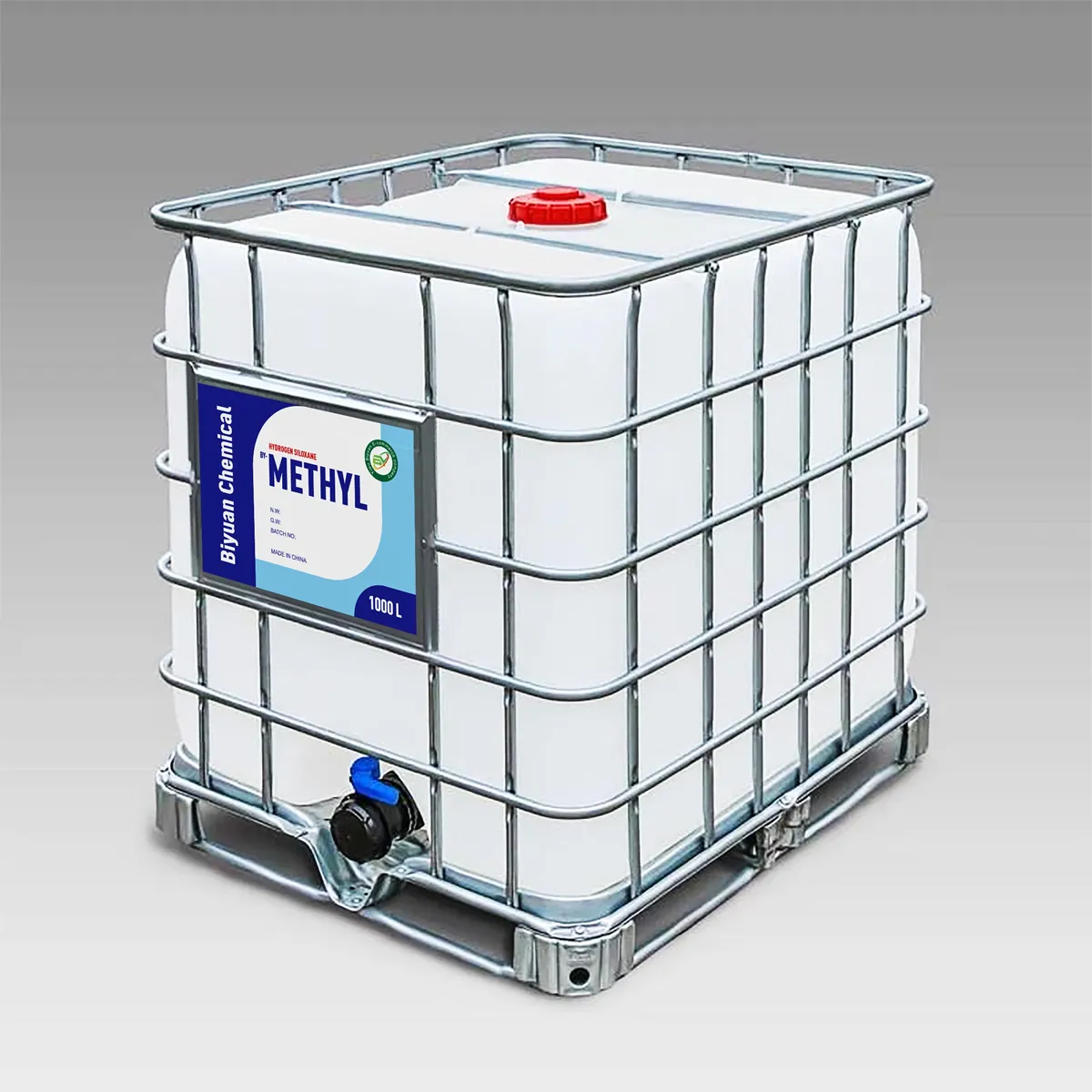
How does MH Silicone Fluid function as a release agent? - Methyl Hydrogen Silicone Fluid Factory
Methyl Hydrogen Silicone Fluid Factory
Methyl Hydrogen Silicone Fluid
Information Center
Everything you need to know about our products and company
How Methyl Hydrogen Silicone Fluid Revolutionizes Release Agent Performance
In industrial manufacturing, achieving seamless separation between molds and products is critical for efficiency and product quality. Methyl Hydrogen Silicone Fluid (MH Silicone Fluid) has emerged as a game-changing solution, offering unparalleled performance in release agent applications. This article explores its mechanisms, advantages, and real-world applications, while highlighting why it stands out in the market.
MH Silicone Fluid operates by forming an ultra-thin, hydrophobic film on mold surfaces. This film reduces adhesion between the mold and the material being molded—whether rubber, plastic, or composite—by lowering surface energy. The fluid’s unique molecular structure, featuring reactive Si-H bonds, allows it to interact with catalysts and create a durable, non-stick barrier .
Key properties enabling this function include:
Low Surface Tension: Ensures smooth release even for complex geometries.
Thermal Stability: Withstands high processing temperatures (up to 250°C) without degrading .
Chemical Inertness: Does not react with polymers, preserving product integrity.
5 Core Advantages of MH Silicone Fluid
Enhanced Mold ProtectionReduces wear and tear on molds by minimizing adhesion, extending equipment lifespan and lowering maintenance costs .
Improved Production EfficiencyEliminates sticking issues, enabling faster cycle times. For example, automotive manufacturers report a 12-second reduction in cycle time when switching to MH Silicone Fluid-based emulsions .
Versatility Across Industries
Rubber & Plastic Molding: Prevents defects in tire production and intricate plastic parts.
Food Packaging: Compliant with indirect food contact standards, ideal for non-stick coatings on packaging materials .
Textiles & Paper: Enhances waterproofing and anti-stick properties for materials like ceramics and glass .
Cost-EffectivenessHigh dilution ratios (up to 90% water) lower per-unit application costs while maintaining performance .
Real-World Applications
Automotive: Used in tire vulcanization to prevent sticking, ensuring uniform tire tread patterns .
Electronics: Protects sensitive components during silicone molding for circuit boards.
Construction: Applied in waterproof coatings for cement and marble surfaces .
Why Trust Biyuan for MH Silicone Fluid Solutions?
As a leader in industrial chemical innovation, Biyuan specializes in delivering high-performance MH Silicone Fluid tailored to diverse manufacturing needs. Our products are engineered for:
Consistency: Rigorous quality control ensures uniform viscosity and reactivity.
Customization: Adjustments to viscosity (15–10,000 cSt) and additives for specific applications.
Global Compliance: Certifications including REACH and FDA, ensuring safety and sustainability.
Industries worldwide rely on Biyuan’s MH Silicone Fluid to optimize production workflows and reduce operational costs. Whether you’re tackling high-temperature molding or demanding waterproofing requirements, our solutions deliver unmatched reliability.
Conclusion
Methyl Hydrogen Silicone Fluid represents a transformative leap in release agent technology. By combining advanced chemical properties with practical versatility, it addresses critical challenges in manufacturing. Brands like Biyuan continue to drive innovation, ensuring industries meet evolving standards while maximizing efficiency and sustainability.
Ready to elevate your production process? Partner with industry leaders to unlock the full potential of MH Silicone Fluid.
Understanding the Shelf Life of Methyl Hydrogen Silicone Fluid
Methyl Hydrogen Silicone Fluid (MH Silicone Fluid) is a versatile industrial chemical widely used in applications ranging from waterproofing treatments to textile finishes. One of the most critical factors for its effective use is understanding its shelf life and how to preserve its perform.
Ensuring Quality: How to Verify the Purity of Methyl Hydrogen Silicone Fluid
In the industrial and chemical sectors, the purity of Methyl Hydrogen Silicone Fluid is paramount for performance and safety. This versatile organosilicon polymer, known for its reactive Si-H bonds and hydrophobic properties, is critical in textiles, cosmetics, electronics, .
Methyl Hydrogen Silicone Fluid (MH Silicone Fluid) is a specialized silicone product widely used in industries such as textiles, construction, cosmetics, and electronics due to its unique hydrophobic, thermal stability, and crosslinking properties. As demand grows across sectors, identifying reliable manufacturers and suppliers becomes critical for busines.
MH Silicone Fluid: The Smart Material Revolutionizing Multiple Industries
In the evolving world of advanced materials, Methyl Hydrogen Silicone Fluid (PMHS) has emerged as a transformative smart material with applications spanning from textiles to aerospace. This specialized silicone variant, characterized by its active Si-H bonds, possesses unique prop.
Enhancing Coating Adhesion: The Critical Role of Methyl Hydrogen Silicone Fluid
In the realm of industrial coatings, achieving robust adhesion between the coating layer and substrate is paramount for durability, weather resistance, and aesthetic longevity. Methyl Hydrogen Silicone Fluid (MHFS), a versatile organosilicon compound, has emerged as a game-.
Methyl Hydrogen Silicone Fluid in 3D Printing: Revolutionizing Flexible Manufacturing
The integration of Methyl Hydrogen Silicone Fluid into additive manufacturing represents a significant leap in producing durable, flexible, and complex parts. As a reactive organosilicon polymer, this material enables innovations across industries—from medical devic.
How Methyl Hydrogen Silicone Fluid Elevates Textile Performance
Methyl Hydrogen Silicone Fluid (MH Silicone Fluid) has emerged as a game-changing solution in textile manufacturing, offering transformative benefits across diverse fabric types. Its unique chemical structure—featuring reactive Si-H bonds and hydrophobic properties—enables tailored finishe.
In the rapidly evolving green energy sector, innovation often comes from unexpected places. One such material poised to make significant contributions is Methyl Hydrogen Silicone Fluid (MH Silicone Fluid). This specialized silicone fluid is increasingly recognized as a critical enabler across multiple sustainable technologies, from energy storage to effici.
Methyl Hydrogen Silicone Fluid vs. Fluorosilicone Fluids: A Technical and Application-Based Comparison
In the world of specialized silicone fluids, Methyl Hydrogen Silicone Fluid and fluorosilicone fluids represent two powerful classes of materials with distinct properties and applications. For engineers, product developers, and formulators, selecting .
In the rapidly evolving landscape of high-performance materials, methyl hydrogen silicone fluid has carved out a unique and indispensable role. This remarkable silicone derivative, characterized by its active Si-H bonds, is powering advancements across diverse industries—from textiles and electronics to automotive and aerospace. But what sets it apart from.
The cosmetic industry is characterized by its dynamic innovation, stringent quality standards, and ever-evolving consumer demands for products that deliver both performance and safety. Within this competitive landscape, cosmetic ingredient distributors play a pivotal role as intermediaries, connecting manufacturers with formulators and brands. The selectio.
Is MH Silicone Fluid Eco-Friendly? A Comprehensive Analysis of Methyl Hydrogen Silicone Fluid
In the pursuit of sustainable alternatives, Methyl Hydrogen Silicone Fluid (MH Silicone Fluid) has emerged as a topic of interest. But is it truly eco-friendly? This article dives into its environmental impact, applications, and innovations, while addressin.
In the competitive and technology-driven silicone rubber manufacturing industry, the selection of high-quality raw materials is critical to determining product performance, durability, and market competitiveness. Silicone rubber products, ranging from industrial seals and medical devices to consumer goods and automotive components, must meet stringent requ.
Spills and leaks, whether from industrial processes, household accidents, or natural disasters, pose significant risks to safety, property, and the environment. Proper handling requires a strategic approach to mitigate damage and ensure compliance with safety regulations. This guide outlines actionable steps for managing spills or leaks, with a focus on le.
In the relentless pursuit of materials that deliver superior performance, durability, and adaptability across demanding applications, methyl hydrogen siloxane has emerged as a cornerstone of modern industrial innovation. This unique organosilicon compound, characterized by its reactive Si-H bonds, is transforming the way industries approach material design.
How Methyl Hydrogen Silicone Fluid Is Adapting to Sustainability Demands
The global chemical industry is undergoing a profound transformation driven by sustainability imperatives, and Methyl Hydrogen Silicone Fluid(MH Silicone Fluid) is at the forefront of this shift. As a versatile silicone polymer critical to industries from textiles to electronics, t.
Methyl Hydrogen Silicone Fluid vs. Dimethyl Silicone Oil: A Comprehensive Comparison for Industrial Applications
In the world of industrial silicones, two prominent materials stand out for their unique properties and applications: Methyl Hydrogen Silicone Fluid (PMHS) and conventional dimethyl silicone oil. While both share some silicone characteristics.
Can MH Silicone Fluid Be Used in Pharmaceutical Coatings?
In the rapidly evolving pharmaceutical industry, excipient safety and functional performance are paramount. Methyl Hydrogen Silicone Fluid (MH Silicone Fluid) has emerged as a material of significant interest for advanced coating applications due to its unique chemical properties and safety profi.
Introduction
In the highly competitive textile industry, manufacturers are constantly seeking innovative solutions to enhance fabric performance, improve processing efficiency, and meet evolving consumer demands for high-quality, functional, and sustainable textiles. Textile finishing—a critical stage that determines the final properties and appeal of f.
Mitigating Risks in Industrial Applications: The Hidden Costs of Over-Application
In industrial and commercial sectors, the pursuit of efficiency often leads to over-reliance on chemical solutions—a practice that can backfire dramatically. Methyl Hydrogen Silicone Fluid, a versatile silicone-based compound, exemplifies this dilemma. While it offers exc.
Polymethylhydrosiloxane: Advancing Solar Technology Through Innovative Materials
Introduction: The Unsung Hero of Solar Panel Efficiency
In the rapidly evolving solar energy sector, material innovations play a critical role in enhancing panel performance and durability. Among these advancements, polymethylhydrosiloxane (PMHS), also known as methyl hy.
The global chemical industry is undergoing a transformative shift toward sustainable manufacturing, and suppliers of Polymethylhydrosiloxane (PMHS), commonly known as Methyl Hydrogen Silicone Fluid, are at the forefront of this change. Through strategic localization of production and technological innovation, these companies are significantly reducing thei.
Understanding How PMHS Elevates Thermal Resilience in Modern Motor Oils
For drivers and automotive enthusiasts, the phrase “heat is the enemy” isn’t just a catchy saying—it’s a reality. Modern engines operate at higher temperatures than ever, thanks to turbocharging, downsizing, and high-performance demands. This constant exposure to extreme heat can de.
Unlocking Precision Manufacturing: The Role of Methyl Hydrogen Silicone Fluid in 3D Printing and Electronics
In advanced manufacturing, material innovation often drives breakthroughs in product performance and process efficiency. Among the unsung heroes of modern industry, methyl hydrogen silicone fluid (also referred to as methylhydrogen polysiloxane.
The Critical Role of 1.59% Hydrogen Content in PMHS for Enhanced Waterproofing
Introduction
In the specialized world of silicone chemistry, the hydrogen content in polymethylhydrosiloxane (PMHS) serves as a crucial indicator of performance potential, particularly for waterproofing applications. While PMHS is widely recognized for its water-repellent .
Introduction
Methyl Hydrogen Silicone Fluid (CAS No. 63148-57-2), also known as methyl hydrogen polysiloxane or PMHS, is a highly versatile silicone fluid widely used across multiple industries for its exceptional water repellency, thermal stability, and crosslinking capabilities. This clear, odorless liquid contains active silicon-hydrogen (Si-H) bonds.
Introduction
Methyl Hydrogen Silicone Fluid, an organic silicon polymer containing active silicon-hydrogen (Si-H) bonds, has gained significant attention for its unique combination of reactivity and stability. This versatile material, with its molecular structure featuring both methyl groups (-CH₃) and active Si-H bonds, demonstrates exceptional perfor.
The convergence of Industry 4.0 and advanced materials like Methyl Hydrogen Silicone Fluid (PMHS) is revolutionizing the waterproofing industry. This transformation is driven by the integration of cyber-physical systems, IoT, and data analytics into manufacturing and application processes, leading to unprecedented levels of efficiency, quality, and sustain.
Polymethylhydrosiloxane (PMHS), commonly known as Methyl Hydrogen Silicone Fluid, and dimethyl silicone oil are two important organosilicon compounds with distinct properties and applications. While they share a basic silicone-oxygen backbone, the presence of reactive silicon-hydrogen (Si-H) bonds in PMHS fundamentally differentiates its performance and fu.
Sustainable Innovation: The Growing Market for Biodegradable PMHS Formulations
In recent years, the global push for sustainability has catalyzed significant advancements in polymer science, particularly in the development of biodegradable polymer materials. Among these, Methyl Hydrogen Silicone Fluid (PMHS) has emerged as a key player, with innovative f.
Asian Methyl Hydrogen Silicone Fluid Exports to Europe: Market Dynamics and Future Outlook
Introduction: The Growing Transcontinental Trade
The export flow of Methyl Hydrogen Silicone Fluid from Asia to Europe represents a critical segment of the global specialty chemicals trade, characterized by evolving supply chains, stringent regulatory framework.
Title Interpretation & Executive Summary
The search for reliable PMHS (Polymethylhydrosiloxane) suppliers in North America requires a comprehensive understanding of both the technical specifications of Methyl Hydrogen Silicone Fluid and the stringent quality standards demanded by the automotive industry. This article explores how leading suppliers a.
Understanding PMHS Viscosity: Selecting the Optimal Grade for Industrial Applications
Introduction
Polymethylhydrosiloxane (PMHS), commonly known as Methyl Hydrogen Silicone Fluid, is a versatile organosilicon compound with unique properties that make it invaluable across numerous industries. The viscosity of PMHS plays a crucial role in determining .
How the Pandemic Reshaped Medical Packaging: The Rise of Methyl Hydrogen Silicone Fluid
The COVID-19 pandemic served as a pivotal moment for the global healthcare industry, triggering unprecedented demand for advanced medical packaging solutions. At the heart of this transformation lies Methyl Hydrogen Silicone Fluid (PMHS), a specialized silicone polym.
Optimizing Industrial Cooling Efficiency: How Methyl Hydrogen Silicone Fluid Drives Energy Savings
In today’s energy-conscious industrial landscape, cooling systems account for a staggering 30-50% of total energy consumption in facilities like manufacturing plants, data centers, and chemical refineries. For operators, rising utility costs and regulator.
The Pivotal Role of Platinum Catalysts in PMHS Cross-Linking: Technology, Applications, and Market Trends
Introduction to Platinum-Catalyzed PMHS Cross-Linking
The cross-linking of poly(methylhydrosiloxane), commonly known as methyl hydrogen silicone fluid (MH fluid), represents a sophisticated chemical process where platinum catalysts play an indi.
The global shipping landscape for Methyl Hydrogen Silicone Fluid (PMHS) faces unprecedented challenges in 2025, driven by complex logistics disruptions and volatile tariff policies. As the market for this essential chemical compound continues to expand—projected to reach USD 520 million by 2031 with an 8.5% CAGR—supply chain professionals must navigate a p.
Beyond Traditional Silicones: How Methyl Hydrogen Silicone Fluid Drives Sustainable Cosmetic Innovation
In an era where “clean beauty” and “eco-conscious formulation” have shifted from niche demands to industry norms, cosmetic developers face a pressing challenge: balancing performance with planetary responsibility. As consumers .
Introduction to the PMHS Landscape in China
The Chinese poly(methylhydrosiloxane) (PMHS) market has evolved into a global powerhouse, driven by robust manufacturing capabilities and growing demand across diverse industries. Known commercially as Methyl Hydrogen Silicone Fluid, this specialized silicone intermediate has become indispensable in sectors ra.
Methyl Hydrogen Silicone Fluid: The Unsung Hero Transforming Waterproofing in Textiles and Construction
In industries where durability and performance are non-negotiable—textiles and construction—waterproofing has long been a challenge. Traditional solutions often fall short: coatings peel, treatments wash out, or materials become brittle over time. Ent.
Methyl hydrogen siloxane serves as a multifunctional additive that significantly improves processing characteristics and final properties in silicone rubber applications. This specialized silicone fluid features reactive Si-H groups that enable efficient cross-linking through hydrosilylation reactions with vinyl-functionalized silicone rubbers.
.
Medical-grade Methyl hydrogen siloxane serves as a versatile functional material in healthcare applications, combining high purity with reactive Si-H groups for enhanced performance. This specialized silicone fluid enables precise cross-linking in implantable devices, provides controlled drug release matrices, and creates anti-fouling surface coa.
Methyl hydrogen siloxane serves as a versatile functional additive in personal care products, leveraging its unique Si-H reactivity and silicone properties to deliver enhanced performance across various applications. This specialized material acts as an effective cross-linker in hair care products, creating durable yet flexible films that provide.
Methyl hydrogen siloxane serves as a innovative processing aid that enhances both the efficiency of leather manufacturing and the quality of finished products. This reactive silicone fluid improves leather softness and flexibility through effective fiber lubrication and molecular-level modification. Its unique chemical properties enable superior .

Contact Us
We're here to help with any questions or inquiries you may have
Contact Information
Address
No. 116, Jiangdong Street, Yiwu City, Jinhua City, Zhejiang Province,China