
Methyl Hydrogen Silicone Fluid Factory
Methyl Hydrogen Silicone Fluid
Everything you need to know about our products and company
Title Interpretation & Executive Summary
The search for reliable PMHS (Polymethylhydrosiloxane) suppliers in North America requires a comprehensive understanding of both the technical specifications of Methyl Hydrogen Silicone Fluid and the stringent quality standards demanded by the automotive industry. This article explores how leading suppliers are meeting these challenges through advanced manufacturing processes, rigorous quality control, and industry-specific certifications, with a focus on the critical role of PMHS in automotive applications.
The North American methyl hydrogen silicone fluid market has demonstrated consistent growth, driven by robust demand from multiple industrial sectors. In 2024, the United States alone accounted for over 32% of the region’s market share, consuming more than 9,500 metric tons of silicone fluids. This demand is primarily fueled by the automotive, construction, and aerospace industries, with particular emphasis on innovation in eco-friendly silicone products.
The automotive sector’s transition to electromobility has created significant opportunities for PMHS suppliers. As vehicle manufacturers increasingly adopt electric powertrains, the need for high-performance silicone materials has surged. These materials are essential for thermal management in battery systems, power electronics, and electric motors, where they provide critical protection against moisture, vibration, and extreme temperatures.
Methyl Hydrogen Silicone Fluid (CAS 63148-57-2) is characterized by its unique chemical structure and exceptional performance properties. The fluid typically features a hydrogen content of 1.5%-1.6% or higher, with viscosity ranging from 15-45 mm²/s at 25°C. Key technical parameters include a flash point of ≥150°C, density of 0.98-1.02 g/cm³, and surface tension of approximately 21 mN/m.
The material’s most significant advantage lies in its ability to cross-link into waterproof films at low temperatures under metal salt catalysts. This property makes it ideal for automotive applications where moisture protection is critical. Additionally, PMHS maintains stable physical properties across a wide temperature range (-50°C to +180°C, with special grades extending to +230°C), making it suitable for demanding automotive environments.
The production of high-quality PMHS involves sophisticated chemical synthesis processes. The primary manufacturing method involves the reaction between dimethyldichlorosilane and hydrogen gas in the presence of metal catalysts such as platinum or palladium. The resulting product undergoes rigorous purification through distillation to remove impurities and ensure consistent quality.
Leading suppliers implement advanced quality control measures throughout the manufacturing process. This includes real-time process monitoring, AI-based quality control systems, and comprehensive testing protocols. Key quality parameters monitored include hydrogen content, viscosity, volatile content, acid value, and purity levels. These measures ensure that the final product meets the stringent requirements of automotive applications.
Suppliers serving the automotive sector must comply with a comprehensive set of quality standards. The most critical certification is IATF 16949, developed by leading European and North American automobile manufacturers in 2016. This standard combines core quality management requirements specifically tailored for the automotive industry, with the goal of minimizing quality risks and improving production reliability.
IATF 16949 certification is essential for direct cooperation with automobile manufacturers and their system suppliers. Companies like WACKER have successfully certified their production facilities in Germany and China, enabling them to supply silicone products directly to automotive OEMs. The certification process involves rigorous audits of manufacturing processes, quality management systems, and supply chain reliability.
PMHS finds extensive application across multiple automotive systems:
Thermal Management Systems: Thermally conductive silicone gap fillers and potting compounds are used for efficient heat dissipation in battery modules, power electronics, and electric motors. These materials maintain thermal conductivity while providing electrical insulation and protection against environmental factors.
Sealing and Encapsulation: Silicone sealants and encapsulants protect sensitive electronic components from moisture, vibration, and thermal cycling. They are used in sensors, control units, and wiring harnesses throughout the vehicle.
Gasket and Seal Applications: PMHS-based materials provide reliable sealing for engine components, transmission systems, and fuel systems, offering excellent resistance to automotive fluids and extreme temperatures.
Automotive-grade PMHS undergoes extensive testing to ensure compliance with industry standards. Key testing parameters include:
The automotive industry demands reliable supply chains with consistent quality and on-time delivery. Leading PMHS suppliers have established robust supply chain networks with multiple production facilities and strategic inventory management. This includes maintaining buffer stocks to ensure continuity of supply and implementing advanced logistics systems for efficient distribution.
PMHS suppliers must comply with increasingly stringent environmental regulations. This includes adherence to REACH (Registration, Evaluation, Authorisation and Restriction of Chemicals) requirements in Europe and similar regulations in North America. Many suppliers are investing in sustainable production methods and developing bio-based silicone alternatives to meet evolving regulatory standards.
The PMHS market is evolving with several key trends:
Sustainable Formulations: Development of low-VOC and bio-based silicone fluids to meet environmental regulations and sustainability goals.
Enhanced Performance: Innovation in thermal conductivity, electrical properties, and durability to meet the demands of next-generation electric vehicles.
Smart Manufacturing: Integration of Industry 4.0 technologies for improved process control, quality monitoring, and supply chain optimization.
Biyuan has established itself as a leading supplier of high-quality PMHS products for the automotive industry. With over 20 years of professional experience in silicone manufacturing, the company has developed a reputation for excellence in both product quality and customer service.
The company’s PMHS products are manufactured using advanced production technologies that ensure consistent hydrogen content, precise viscosity control, and exceptional purity. Biyuan’s manufacturing facilities implement rigorous quality control protocols that meet or exceed automotive industry standards, including IATF 16949 requirements.
Biyuan’s PMHS fluids are specifically engineered for automotive applications, offering excellent thermal stability, moisture resistance, and compatibility with various substrates. The company’s technical team works closely with automotive customers to develop customized solutions that address specific application requirements, from thermal interface materials to protective coatings and sealants.
The company’s commitment to quality is demonstrated through its comprehensive testing capabilities and continuous improvement initiatives. Biyuan invests in research and development to stay at the forefront of silicone technology, ensuring that its products meet the evolving needs of the automotive industry.
The PMHS supply landscape in North America is characterized by increasing demand from the automotive sector, driven by the transition to electromobility and the need for high-performance materials. Success in this market requires not only technical expertise in PMHS manufacturing but also comprehensive compliance with automotive quality standards and supply chain requirements. Suppliers that can demonstrate consistent quality, reliable delivery, and technical support are well-positioned to capture opportunities in this growing market segment.
Our most popular products loved by customers worldwide
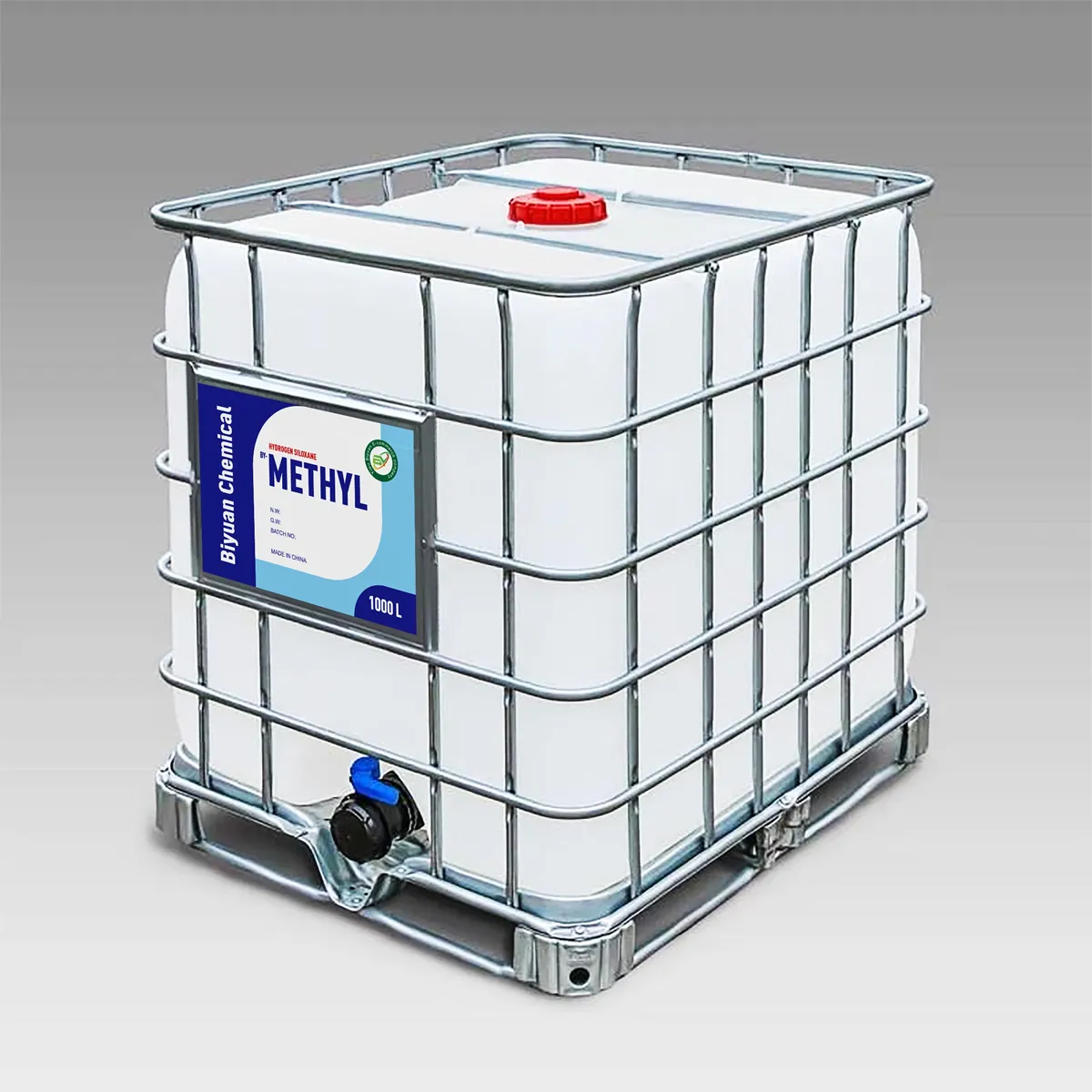
Methyl hydrogen siloxane serves as a multifunctional additive that significantly improves processing characteristics and final properties in silicone rubber applications. This specialized silicone fluid features reactive Si-H groups that enable efficient cross-linking through hydrosilylation reactions with vinyl-functionalized silicone rubbers. .
Medical-grade Methyl hydrogen siloxane serves as a versatile functional material in healthcare applications, combining high purity with reactive Si-H groups for enhanced performance. This specialized silicone fluid enables precise cross-linking in implantable devices, provides controlled drug release matrices, and creates anti-fouling surface coa.
Methyl hydrogen siloxane serves as a versatile functional additive in personal care products, leveraging its unique Si-H reactivity and silicone properties to deliver enhanced performance across various applications. This specialized material acts as an effective cross-linker in hair care products, creating durable yet flexible films that provide.
Methyl hydrogen siloxane serves as a innovative processing aid that enhances both the efficiency of leather manufacturing and the quality of finished products. This reactive silicone fluid improves leather softness and flexibility through effective fiber lubrication and molecular-level modification. Its unique chemical properties enable superior .