What is the shelf life of MH Silicone Fluid? - Methyl Hydrogen Silicone Fluid Factory
Methyl Hydrogen Silicone Fluid Factory
Methyl Hydrogen Silicone Fluid
Information Center
Everything you need to know about our products and company
Understanding the Shelf Life of Methyl Hydrogen Silicone Fluid
Methyl Hydrogen Silicone Fluid (MH Silicone Fluid) is a versatile industrial chemical widely used in applications ranging from waterproofing treatments to textile finishes. One of the most critical factors for its effective use is understanding its shelf life and how to preserve its performance over time. This article explores the key determinants of shelf stability, storage best practices, and industry insights to help you maximize the utility of this material.
What Determines the Shelf Life of MH Silicone Fluid?
The shelf life of MH Silicone Fluid typically ranges between 6 to 24 months, depending on formulation, storage conditions, and packaging. For instance:
General-grade products (e.g., waterproofing agents or textile additives) often maintain stability for 12 months under optimal conditions .
High-purity or specialty formulations (e.g., crosslinking agents for silicone rubber) may retain functionality for up to 24 months if stored properly .
Critical factors influencing shelf life include:
Hydrogen Content: Variations in hydrogen levels (e.g., 0.18–0.25% in some grades) affect reactivity and stability. Higher hydrogen content may accelerate degradation if not stabilized .
Viscosity: Thicker formulations (e.g., 20–30 mm²/s at 25°C) are less prone to oxidation but may require stricter temperature control .
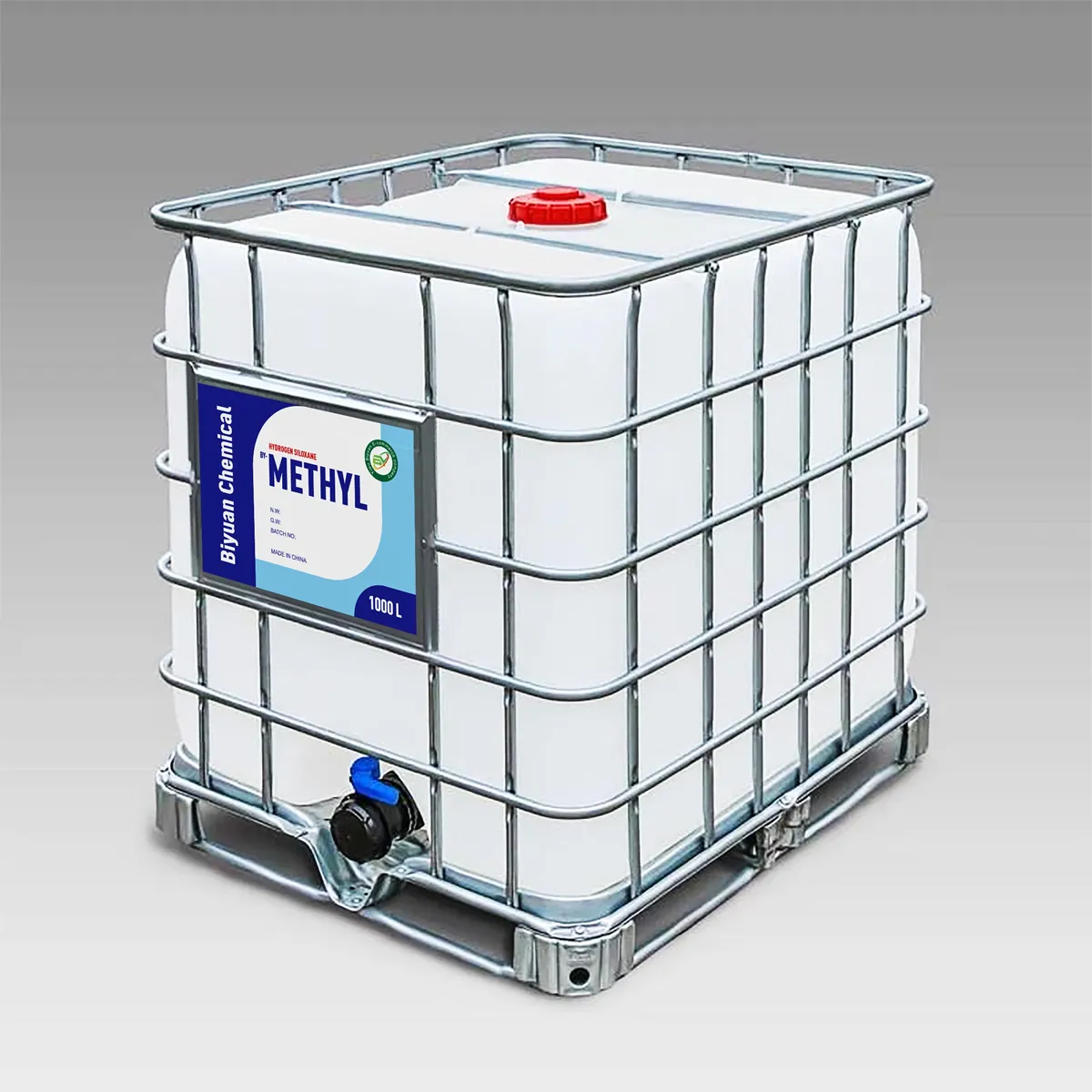
Packaging: Airtight, UV-resistant containers (e.g., 200kg iron drums or IBC totes) minimize exposure to moisture and contaminants .
Proper Storage Techniques to Maximize Shelf Life
To ensure MH Silicone Fluid remains effective until its expiration date:
Temperature Control: Store in a cool, dry environment between 5–30°C. Extreme heat can trigger premature crosslinking, while freezing may cause separation .
Humidity Avoidance: Use moisture-proof packaging to prevent hydrolysis, which degrades the silicone structure .
Segregation from Contaminants: Keep away from acids, alkalis, and oxidizing agents, which can destabilize the compound .
For industrial users, investing in Biyuan’s sealed, food-grade storage solutions ensures long-term stability. Their containers are designed to block UV light and humidity, aligning with ASTM D4767 standards for chemical preservation.
Signs of Degradation and Quality Assurance
Even with proper storage, users should monitor for:
Color Changes: Yellowing indicates oxidation or thermal breakdown.
Viscosity Shifts: Significant thickening or thinning suggests molecular degradation.
Reduced Water Repellency: In waterproofing applications, loss of efficacy signals chemical instability.
Reputable manufacturers like Biyuan conduct rigorous quality testing, including accelerated aging simulations, to guarantee products meet ISO 9001 standards. Their MH Silicone Fluids are engineered for consistent performance, even in harsh conditions.
Applications and Shelf Life Optimization
MH Silicone Fluid’s longevity directly impacts its industrial value:
Construction: Used in cement and marble waterproofing, where prolonged shelf life reduces material waste .
Textiles: Stabilized formulations ensure long-term softening and water-repellent finishes for fabrics .
Electronics: High-purity grades in insulating oils require extended shelf stability for reliability .
By adhering to storage guidelines and sourcing from trusted suppliers, businesses can minimize waste and ensure product efficacy.
Biyuan: Your Partner in Silicone Fluid Excellence
For industries demanding reliability, Biyuan delivers MH Silicone Fluids with extended shelf lives and superior performance. Their advanced manufacturing processes, including vacuum distillation and rigorous quality control, ensure products remain stable from production to application. Whether for construction, textiles, or electronics, Biyuan’s solutions are tailored to meet global standards while optimizing cost-efficiency.
Explore Biyuan’s product range to experience silicone chemistry redefined—where stability meets innovation.
How to Dispose of Methyl Hydrogen Silicone Fluid Safely: A Comprehensive Guide
Methyl Hydrogen Silicone Fluid (MH Silicone Fluid), a critical industrial lubricant and waterproofing agent, requires careful handling and disposal due to its environmental persistence and regulatory constraints. Improper disposal can lead to soil/water contamination, regula.
In the world of construction materials, concrete durability remains a paramount concern for engineers, architects, and builders. While concrete is renowned for its strength, its porous nature makes it vulnerable to water infiltration, chemical attacks, and environmental degradation. This is where Methyl Hydrogen Silicone Fluid emerges as a transforma.
How Methyl Hydrogen Silicone Fluid is Engineered: Processes and Applications
Methyl Hydrogen Silicone Fluid (MH Silicone Fluid), a specialized silicone polymer, plays a pivotal role in industries ranging from textiles to electronics. Its unique properties—such as hydrophobicity, thermal stability, and cross-linking capabilities—make it indispensable fo.
Methyl Hydrogen Silicone Fluid in 3D Printing: Revolutionizing Flexible Manufacturing
The integration of Methyl Hydrogen Silicone Fluid into additive manufacturing represents a significant leap in producing durable, flexible, and complex parts. As a reactive organosilicon polymer, this material enables innovations across industries—from medical devic.
How to Achieve Optimal Mixing of Methyl Hydrogen Silicone Fluid with Solvents
Methyl Hydrogen Silicone Fluid (MH Silicone Fluid) is a versatile organosilicon compound widely used in industries ranging from construction to textiles due to its exceptional hydrophobic properties and chemical stability. Mixing it with solvents requires careful consideratio.
What Are the Benefits of Methyl Hydrogen Silicone Fluid for Metal Surfaces?
Methyl Hydrogen Silicone Fluid (MH Silicone Fluid) has emerged as a game-changing solution in industrial applications, particularly for metal surface treatments. Its unique chemical properties and versatility make it indispensable across sectors like construction, automotive, .
Selecting the right Methyl Hydrogen Silicone Fluid (MHF) supplier is critical for industries ranging from textiles and construction to cosmetics and electronics. This versatile fluid, renowned for its water-repellent and crosslinking properties, requires careful evaluation of supplier capabilities to ensure quality, consistency, and long-term value. Bel.
Understanding the Reaction Mechanism of Methyl Hydrogen Silicone Fluid with Alkenes
Methyl Hydrogen Silicone Fluid (MHFS), a specialized silicone polymer containing reactive Si-H bonds, exhibits unique reactivity with alkenes, making it indispensable in industrial applications. This article explores the chemical interactions, catalytic requirements, an.
Enhancing Coating Adhesion: The Critical Role of Methyl Hydrogen Silicone Fluid
In the realm of industrial coatings, achieving robust adhesion between the coating layer and substrate is paramount for durability, weather resistance, and aesthetic longevity. Methyl Hydrogen Silicone Fluid (MHFS), a versatile organosilicon compound, has emerged as a game-.
In the intricate molecular engineering of high-performance silicones, the transformation from fluid precursors to resilient, functional networks is orchestrated by a critical reactive partner. For formulators developing addition-cure systems—from soft medical gels and flexible adhesives to durable industrial seals and heat-resistant composites—the crosslin.
How Methyl Hydrogen Silicone Fluid Achieves Optimal Performance: Curing Insights
Methyl Hydrogen Silicone Fluid (MH Silicone Fluid) is a versatile polymer widely recognized for its water-repellent, adhesive, and crosslinking capabilities. A common question among industrial users is whether this material requires curing to unlock its full potential. The.
How Hydrogen Content Affects Functionality in Industrial Materials and Fluids
The Critical Role of Hydrogen in Material Performance
Hydrogen content plays a crucial role in determining the functionality and reliability of industrial materials and specialty chemicals. While hydrogen is the smallest element, its presence and concentration can dramatica.
The cosmetic industry is characterized by its dynamic innovation, stringent quality standards, and ever-evolving consumer demands for products that deliver both performance and safety. Within this competitive landscape, cosmetic ingredient distributors play a pivotal role as intermediaries, connecting manufacturers with formulators and brands. The selectio.
Methyl Hydrogen Silicone Fluid, a versatile compound widely used in industries such as textiles, construction, and cosmetics, requires specialized packaging to ensure safety, stability, and compliance. Understanding the available packaging options and their applications is critical for manufacturers, distributors, and end-users. Below, we explore tailored .
Understanding the Shelf Life of Methyl Hydrogen Silicone Fluid
Methyl Hydrogen Silicone Fluid (MH Silicone Fluid) is a versatile industrial chemical widely used in applications ranging from waterproofing treatments to textile finishes. One of the most critical factors for its effective use is understanding its shelf life and how to preserve its perform.
Understanding the Key Chemical Properties of Methyl Hydrogen Silicone Fluid
Methyl Hydrogen Silicone Fluid (MH Silicone Fluid), a specialized derivative of silicone polymers, is renowned for its unique chemical structure and versatility across industrial applications. Its distinct properties make it indispensable in fields ranging from waterproofing to.
Understanding the Key Differences Between Methyl Hydrogen Silicone Fluid and Dimethyl Silicone Oil
In the realm of silicone-based fluids, Methyl Hydrogen Silicone Fluid (also known as polymethylhydrosiloxane or PMHS) and dimethyl silicone oil (polydimethylsiloxane, PDMS) are two widely used materials with distinct properties and applications. While.
In the relentless pursuit of materials that deliver superior performance, durability, and adaptability across demanding applications, methyl hydrogen siloxane has emerged as a cornerstone of modern industrial innovation. This unique organosilicon compound, characterized by its reactive Si-H bonds, is transforming the way industries approach material design.
In the world of industrial materials, cost-effectiveness is not just about the initial price tag—it’s about performance, durability, and return on investment. Methyl Hydrogen Silicone Fluid (MH Silicone Fluid) has emerged as a standout solution across multiple industries, but how does it truly measure up against alternatives when all factors are cons.
Preventing Yellowing in MH Silicone Fluid-Treated Materials: A Comprehensive Guide
Methyl Hydrogen Silicone Fluid (MH Silicone Fluid) is a versatile high-performance material renowned for its exceptional waterproofing properties and application versatility across textiles, construction, electronics, and leather processing. However, a common challenge f.
Introduction to the PMHS Landscape in China
The Chinese poly(methylhydrosiloxane) (PMHS) market has evolved into a global powerhouse, driven by robust manufacturing capabilities and growing demand across diverse industries. Known commercially as Methyl Hydrogen Silicone Fluid, this specialized silicone intermediate has become indispensable in sectors ra.
Beyond Traditional Silicones: How Methyl Hydrogen Silicone Fluid Drives Sustainable Cosmetic Innovation
In an era where “clean beauty” and “eco-conscious formulation” have shifted from niche demands to industry norms, cosmetic developers face a pressing challenge: balancing performance with planetary responsibility. As consumers .
Polymethylhydrosiloxane (PMHS), commonly known as Methyl Hydrogen Silicone Fluid, plays a critical role in enhancing the performance and stability of modern cosmetic and pharmaceutical products. This specialized silicone derivative offers unique chemical properties that make it particularly valuable in formulations where pH stability is essential for maint.
Introduction
Methyl Hydrogen Silicone Fluid (CAS No. 63148-57-2), also known as methyl hydrogen polysiloxane or PMHS, is a highly versatile silicone fluid widely used across multiple industries for its exceptional water repellency, thermal stability, and crosslinking capabilities. This clear, odorless liquid contains active silicon-hydrogen (Si-H) bonds.
Methyl Hydrogen Silicone Fluid: The Unsung Hero Transforming Waterproofing in Textiles and Construction
In industries where durability and performance are non-negotiable—textiles and construction—waterproofing has long been a challenge. Traditional solutions often fall short: coatings peel, treatments wash out, or materials become brittle over time. Ent.
Understanding How PMHS Elevates Thermal Resilience in Modern Motor Oils
For drivers and automotive enthusiasts, the phrase “heat is the enemy” isn’t just a catchy saying—it’s a reality. Modern engines operate at higher temperatures than ever, thanks to turbocharging, downsizing, and high-performance demands. This constant exposure to extreme heat can de.
Polymethylhydrosiloxane: Advancing Solar Technology Through Innovative Materials
Introduction: The Unsung Hero of Solar Panel Efficiency
In the rapidly evolving solar energy sector, material innovations play a critical role in enhancing panel performance and durability. Among these advancements, polymethylhydrosiloxane (PMHS), also known as methyl hy.
In the rapidly evolving global chemical industry, Methyl Hydrogen Silicone Fluid (PMHS) stands as a critical material with diverse applications across textiles, automotive, construction, and personal care sectors. As we approach 2026, the market for PMHS is projected to reach USD 0.36 billion, growing at a CAGR of 9% between 2025 and 2034. This growth traj.
Methyl Hydrogen Silicone Fluid vs. Fluorosilicone: Which Delivers Unmatched Waterproofing Performance?
Waterproofing is a critical requirement across industries—from construction to textiles and electronics. Two materials often compared for their hydrophobic properties are methyl hydrogen silicone fluid and fluorosilicone. While both offer water-re.
How the Pandemic Reshaped Medical Packaging: The Rise of Methyl Hydrogen Silicone Fluid
The COVID-19 pandemic served as a pivotal moment for the global healthcare industry, triggering unprecedented demand for advanced medical packaging solutions. At the heart of this transformation lies Methyl Hydrogen Silicone Fluid (PMHS), a specialized silicone polym.
The Middle East is undergoing an unprecedented construction renaissance, with mega-projects transforming the region’s landscape and creating massive demand for high-performance building materials. At the heart of this infrastructure boom is Methyl Hydrogen Silicone Fluid (PMHS), a versatile silicone-based compound that plays a critical role in modern.
The Critical Role of 1.59% Hydrogen Content in PMHS for Enhanced Waterproofing
Introduction
In the specialized world of silicone chemistry, the hydrogen content in polymethylhydrosiloxane (PMHS) serves as a crucial indicator of performance potential, particularly for waterproofing applications. While PMHS is widely recognized for its water-repellent .
Polymethylhydrosiloxane (PMHS), commonly known as Methyl Hydrogen Silicone Fluid, and dimethyl silicone oil are two important organosilicon compounds with distinct properties and applications. While they share a basic silicone-oxygen backbone, the presence of reactive silicon-hydrogen (Si-H) bonds in PMHS fundamentally differentiates its performance and fu.
Unlocking Precision Manufacturing: The Role of Methyl Hydrogen Silicone Fluid in 3D Printing and Electronics
In advanced manufacturing, material innovation often drives breakthroughs in product performance and process efficiency. Among the unsung heroes of modern industry, methyl hydrogen silicone fluid (also referred to as methylhydrogen polysiloxane.
Exploring the Role of Methyl Hydrogen Silicone Fluid in Sustainable Catalysis
In the quest for greener industrial processes, catalyst innovation has taken center stage. Catalysts drive efficiency in chemical reactions, but their performance often hinges on the carrier material—a component that anchors active sites while influencing stability, reactivity.
PMHS: Revolutionizing Aerospace with Lightweight Waterproofing Technology
Introduction: The Critical Role of Advanced Materials in Aerospace
The aerospace industry faces constant pressure to enhance performance, reduce weight, and improve sustainability. At the forefront of materials innovation is Poly(methyl hydrogen)siloxane (PMHS), commonly known .
Ensuring Safety and Durability: The Critical Role of Methyl Hydrogen Silicone Fluid in Modern Food-Grade Packaging
In an era where consumer trust in food safety is paramount, the choice of packaging materials directly impacts brand reputation and regulatory compliance. Among the specialized ingredients driving innovation in food-grade packaging, Methyl.
Title Interpretation & Executive Summary
The search for reliable PMHS (Polymethylhydrosiloxane) suppliers in North America requires a comprehensive understanding of both the technical specifications of Methyl Hydrogen Silicone Fluid and the stringent quality standards demanded by the automotive industry. This article explores how leading suppliers a.
The global shipping landscape for Methyl Hydrogen Silicone Fluid (PMHS) faces unprecedented challenges in 2025, driven by complex logistics disruptions and volatile tariff policies. As the market for this essential chemical compound continues to expand—projected to reach USD 520 million by 2031 with an 8.5% CAGR—supply chain professionals must navigate a p.
The Pivotal Role of Platinum Catalysts in PMHS Cross-Linking: Technology, Applications, and Market Trends
Introduction to Platinum-Catalyzed PMHS Cross-Linking
The cross-linking of poly(methylhydrosiloxane), commonly known as methyl hydrogen silicone fluid (MH fluid), represents a sophisticated chemical process where platinum catalysts play an indi.
Methyl hydrogen siloxane serves as a multifunctional additive that significantly improves processing characteristics and final properties in silicone rubber applications. This specialized silicone fluid features reactive Si-H groups that enable efficient cross-linking through hydrosilylation reactions with vinyl-functionalized silicone rubbers.
.
Medical-grade Methyl hydrogen siloxane serves as a versatile functional material in healthcare applications, combining high purity with reactive Si-H groups for enhanced performance. This specialized silicone fluid enables precise cross-linking in implantable devices, provides controlled drug release matrices, and creates anti-fouling surface coa.
Methyl hydrogen siloxane serves as a versatile functional additive in personal care products, leveraging its unique Si-H reactivity and silicone properties to deliver enhanced performance across various applications. This specialized material acts as an effective cross-linker in hair care products, creating durable yet flexible films that provide.
Methyl hydrogen siloxane serves as a innovative processing aid that enhances both the efficiency of leather manufacturing and the quality of finished products. This reactive silicone fluid improves leather softness and flexibility through effective fiber lubrication and molecular-level modification. Its unique chemical properties enable superior .

Contact Us
We're here to help with any questions or inquiries you may have
Contact Information
Address
No. 116, Jiangdong Street, Yiwu City, Jinhua City, Zhejiang Province,China