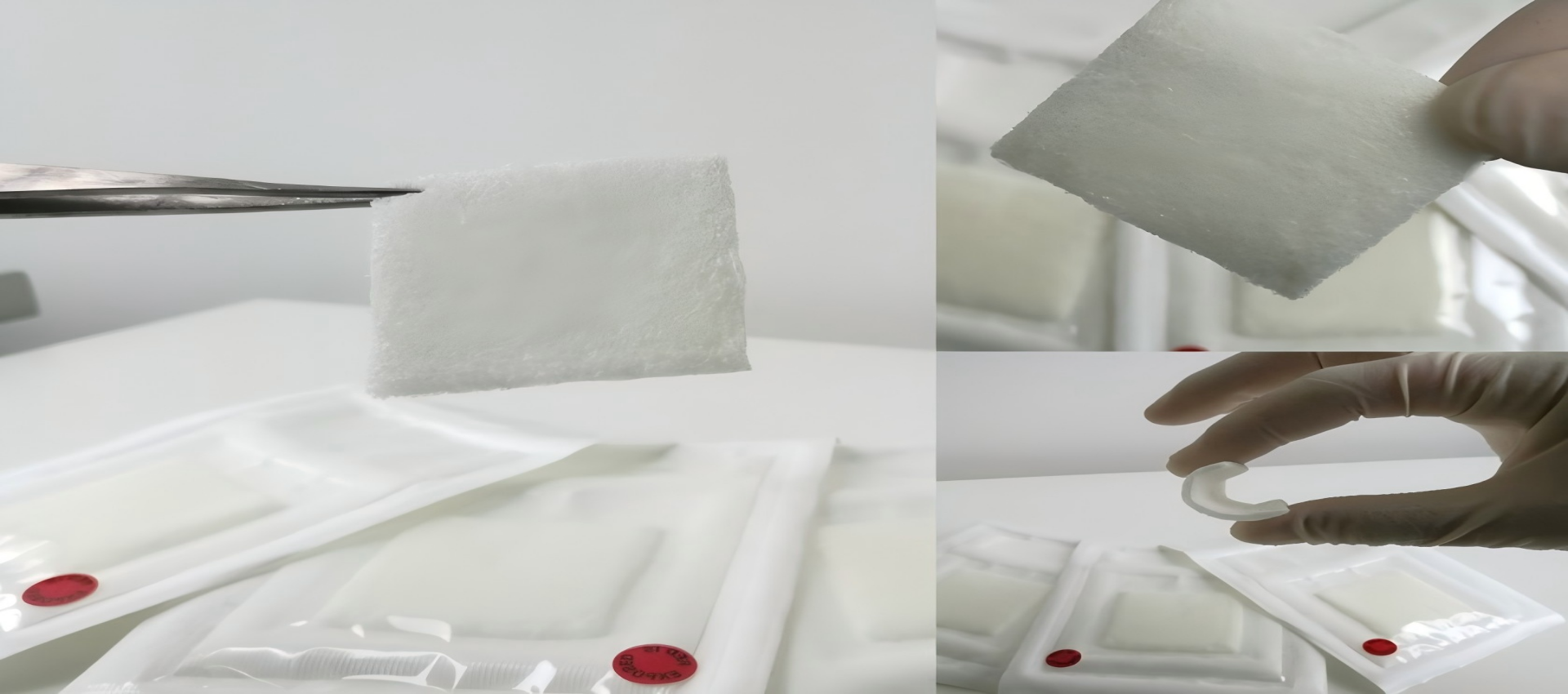
How is MH Silicone Fluid applied to paper products? - Methyl Hydrogen Silicone Fluid Factory
Methyl Hydrogen Silicone Fluid Factory
Methyl Hydrogen Silicone Fluid Factory
Methyl Hydrogen Silicone Fluid
Information Center
Everything you need to know about our products and company
How Methyl Hydrogen Silicone Fluid Revolutionizes Paper Product Protection
In industries where moisture resistance and durability are critical, Methyl Hydrogen Silicone Fluid (MHFS) has emerged as a game-changing solution for enhancing paper product performance. From packaging to industrial applications, its unique chemical properties enable transformative results. Let’s explore how this innovative material is reshaping paper treatment processes.
The Science Behind MHFS for Paper
MHFS operates through a sophisticated crosslinking mechanism. When applied to paper surfaces, its reactive Si-H bonds interact with hydroxyl groups in cellulose fibers, forming a robust polysiloxane network . This network creates a hydrophobic barrier that repels water while maintaining breathability—a critical feature for applications like food packaging or reusable paper goods. Unlike traditional waterproofing agents, MHFS avoids pore blockage, ensuring moisture vapor can escape, which prevents mold growth and extends product longevity .
Key Applications in Paper Manufacturing
Waterproof Coatings for PackagingMHFS is widely used to treat corrugated cardboard, labels, and food-safe wrappers. By creating a thin, durable film, it shields contents from humidity and spills, reducing waste and enhancing shelf appeal .
Anti-Adhesive Release AgentsIn paper production, MHFS acts as a release agent for molds and dies, preventing adhesion during high-speed printing or laminating processes. This ensures consistent product quality and minimizes downtime for equipment cleaning .
Enhanced PrintabilityBy smoothing paper surfaces, MHFS reduces ink absorption and improves print sharpness. This is particularly valuable for premium stationery, magazines, and marketing materials requiring vibrant finishes .
Functional Upgrades for Specialty PapersFrom currency notes to technical documents, MHFS-treated paper resists creasing, staining, and environmental contaminants, making it ideal for high-stakes applications .
Technical Advantages of MHFS
Breathability: Maintains paper’s natural porosity while repelling moisture, crucial for applications like medical packaging or archival materials .
Chemical Stability: Resists degradation from UV exposure, humidity, and chemical interactions, ensuring long-term performance .
Eco-Friendly Formulations: Modern MHFS products, such as those developed by Biyuan, prioritize biodegradability and low environmental impact, aligning with global sustainability goals .
Why Partner with Biyuan for MHFS Solutions?
Leading manufacturers trust Biyuan for its cutting-edge MHFS formulations tailored to paper applications. Our products are engineered to:
Deliver uniform coatings for consistent waterproofing.
Comply with international safety standards (e.g., ISO 9001, ISO 14001) .
Optimize production efficiency with easy-to-apply viscosities and catalyst compatibility.
Industries adopting Biyuan’s MHFS report reduced material waste, extended product lifespans, and improved customer satisfaction. Whether you’re producing everyday stationery or specialized industrial paper, Biyuan’s solutions empower you to meet demanding technical and environmental criteria.
Future-Proofing Paper with Silicone Innovation
As demand grows for sustainable, high-performance materials, MHFS stands at the forefront of paper technology. By integrating advanced silicone chemistry like Biyuan’s MHFS, manufacturers can future-proof their products while addressing evolving consumer and regulatory expectations.
For industries prioritizing durability, safety, and eco-consciousness, MHFS is no longer a luxury—it’s a necessity. Discover how Biyuan’s expertise can elevate your paper products to the next level.
Understanding the Viscosity Range of Methyl Hydrogen Silicone Fluid
Methyl Hydrogen Silicone Fluid (MH Silicone Fluid) is a versatile polymer widely recognized for its unique balance of reactivity and stability. Among its critical properties, viscosity plays a pivotal role in determining its suitability for diverse industrial applications. This article.
Methyl Hydrogen Silicone Fluid: Ensuring Safety and Performance in Food-Grade Packaging
The Critical Role of Methyl Hydrogen Silicone Fluid in Modern Food Packaging
In today’s competitive food industry, consumer trust in food safety is paramount, and packaging materials play a crucial role in maintaining this trust. Methyl Hydrogen Silicone Fl.
How Methyl Hydrogen Silicone Fluid Revolutionizes Construction Material Performance
In the ever-evolving construction industry, ensuring materials withstand environmental challenges while maintaining structural integrity is paramount. Methyl Hydrogen Silicone Fluid (MH Silicone Fluid) has emerged as a game-changing solution, offering multifaceted benef.
Methyl Hydrogen Silicone Fluid (MH Silicone Fluid), a specialized type of silicone polymer, has gained significant attention in industries ranging from construction to personal care. However, a critical question arises: Is MH Silicone Fluid biodegradable? This article explores the environmental impact, sustainability, and practical applications of MH Si.
Understanding Hydrogen Content in Methyl Hydrogen Silicone Fluids
Methyl Hydrogen Silicone Fluids (MH Silicone Fluids) are specialized polymers widely recognized for their unique balance of stability and reactivity. A critical parameter defining their performance is hydrogen content, which directly influences their chemical behavior, application scope.
Methyl Hydrogen Silicone Fluid: A Critical Enabler for Advanced Aerospace Materials
In the demanding world of aerospace engineering, every component must withstand extreme conditions while contributing to overall performance and safety. Methyl Hydrogen Silicone Fluid has emerged as a critical specialty material enabling advancements in aerospace techn.
Nanotechnology-Enhanced MH Silicone Fluids: A New Era of Performance
In the evolving world of specialty chemicals, the convergence of nanotechnology with traditional materials is unlocking unprecedented capabilities. Methyl Hydrogen Silicone Fluid (MH Silicone Fluid), a workhorse in numerous industries, is undergoing a revolutionary transformation throu.
Understanding the Volatility of Methyl Hydrogen Silicone Fluid: Key Insights and Applications
Methyl Hydrogen Silicone Fluid (MH Silicone Fluid), a specialized type of silicone polymer containing both methyl groups and reactive silicon-hydrogen (Si-H) bonds, is widely recognized for its unique balance of stability and reactivity. One of its most critic.
In the world of industrial materials, cost-effectiveness is not just about the initial price tag—it’s about performance, durability, and return on investment. Methyl Hydrogen Silicone Fluid (MH Silicone Fluid) has emerged as a standout solution across multiple industries, but how does it truly measure up against alternatives when all factors are cons.
Essential Certifications Your Methyl Hydrogen Silicone Fluid Supplier Must Have
In the specialized chemical sector, selecting a certified supplier for Methyl Hydrogen Silicone Fluid is not just a procedural step—it’s a critical business decision that impacts product quality, regulatory compliance, and market success. This essential silicone polyme.
Understanding Optimal Dosage for Methyl Hydrogen Silicone Fluid in Waterproofing Applications
Waterproofing is a critical aspect of construction and material engineering, and Methyl Hydrogen Silicone Fluid has emerged as a game-changing solution for enhancing water repellency and durability. Determining the correct dosage for specific applications en.
How Methyl Hydrogen Silicone Fluid Elevates Textile Performance
Methyl Hydrogen Silicone Fluid (MH Silicone Fluid) has emerged as a game-changing solution in textile manufacturing, offering transformative benefits across diverse fabric types. Its unique chemical structure—featuring reactive Si-H bonds and hydrophobic properties—enables tailored finishe.
Mitigating Risks in Industrial Applications: The Hidden Costs of Over-Application
In industrial and commercial sectors, the pursuit of efficiency often leads to over-reliance on chemical solutions—a practice that can backfire dramatically. Methyl Hydrogen Silicone Fluid, a versatile silicone-based compound, exemplifies this dilemma. While it offers exc.
Unlocking Value: Bulk Discounts and Strategic Advantages of Methyl Hydrogen Silicone Fluid
In the competitive landscape of industrial chemicals, cost efficiency without compromising quality is a paramount concern for procurement managers and business owners. Methyl Hydrogen Silicone Fluid (PMHS) stands as a critical material in numerous manufacturing p.
Methyl Hydrogen Silicone Fluid: Performance Advantages Over Organosilicon Alternatives
In the evolving landscape of industrial silicone applications, the selection between methyl hydrogen silicone fluid and other organosilicon alternatives has become a critical decision for manufacturers and formulators. This comprehensive analysis explores the techni.
Selecting the right Methyl Hydrogen Silicone Fluid (MHF) supplier is critical for industries ranging from textiles and construction to cosmetics and electronics. This versatile fluid, renowned for its water-repellent and crosslinking properties, requires careful evaluation of supplier capabilities to ensure quality, consistency, and long-term value. Bel.
Methyl Hydrogen Silicone Fluid: Driving Innovation and Durability in the Marine Industry
The marine industry operates in one of the most demanding environments on Earth, where constant exposure to saltwater, humidity, and extreme weather relentlessly attacks vessels, structures, and equipment. Protecting these assets is a perpetual challenge. Methyl H.
Enhancing Coating Adhesion: The Critical Role of Methyl Hydrogen Silicone Fluid
In the realm of industrial coatings, achieving robust adhesion between the coating layer and substrate is paramount for durability, weather resistance, and aesthetic longevity. Methyl Hydrogen Silicone Fluid (MHFS), a versatile organosilicon compound, has emerged as a game-.
How Methyl Hydrogen Silicone Fluid Revolutionizes Release Agent Performance
In industrial manufacturing, achieving seamless separation between molds and products is critical for efficiency and product quality. Methyl Hydrogen Silicone Fluid (MH Silicone Fluid) has emerged as a game-changing solution, offering unparalleled performance in release agent a.
Methyl Hydrogen Silicone Fluid vs. Fluorosilicone Fluids: A Technical and Application-Based Comparison
In the world of specialized silicone fluids, Methyl Hydrogen Silicone Fluid and fluorosilicone fluids represent two powerful classes of materials with distinct properties and applications. For engineers, product developers, and formulators, selecting .
The Critical Role of 1.59% Hydrogen Content in PMHS for Enhanced Waterproofing
Introduction
In the specialized world of silicone chemistry, the hydrogen content in polymethylhydrosiloxane (PMHS) serves as a crucial indicator of performance potential, particularly for waterproofing applications. While PMHS is widely recognized for its water-repellent .
Understanding How PMHS Elevates Thermal Resilience in Modern Motor Oils
For drivers and automotive enthusiasts, the phrase “heat is the enemy” isn’t just a catchy saying—it’s a reality. Modern engines operate at higher temperatures than ever, thanks to turbocharging, downsizing, and high-performance demands. This constant exposure to extreme heat can de.
The Pivotal Role of Platinum Catalysts in PMHS Cross-Linking: Technology, Applications, and Market Trends
Introduction to Platinum-Catalyzed PMHS Cross-Linking
The cross-linking of poly(methylhydrosiloxane), commonly known as methyl hydrogen silicone fluid (MH fluid), represents a sophisticated chemical process where platinum catalysts play an indi.
Unlocking Precision Manufacturing: The Role of Methyl Hydrogen Silicone Fluid in 3D Printing and Electronics
In advanced manufacturing, material innovation often drives breakthroughs in product performance and process efficiency. Among the unsung heroes of modern industry, methyl hydrogen silicone fluid (also referred to as methylhydrogen polysiloxane.
Methyl Hydrogen Silicone Fluid: The Ultimate Plastic Processing Aid for Enhanced Performance
In the dynamic world of plastic manufacturing, achieving optimal product quality, durability, and process efficiency is paramount. Among the array of additives available, methyl hydrogen silicone fluid has emerged as a game-changing solution. This versatile c.
On July 14, KCC hosted the inaugural Robotics Technology Exchange Seminar at its R&D center located in Giheung-gu, Yongin-si, South Korea. The event brought together the research team led by Professor Park Yongrae from the Robotics Research Institute of Seoul National University, alongside researchers and technical specialists from both parties. Roughl.
Beyond Traditional Silicones: How Methyl Hydrogen Silicone Fluid Drives Sustainable Cosmetic Innovation
In an era where “clean beauty” and “eco-conscious formulation” have shifted from niche demands to industry norms, cosmetic developers face a pressing challenge: balancing performance with planetary responsibility. As consumers .
Optimizing Industrial Cooling Efficiency: How Methyl Hydrogen Silicone Fluid Drives Energy Savings
In today’s energy-conscious industrial landscape, cooling systems account for a staggering 30-50% of total energy consumption in facilities like manufacturing plants, data centers, and chemical refineries. For operators, rising utility costs and regulator.
Introduction
Methyl Hydrogen Silicone Fluid, an organic silicon polymer containing active silicon-hydrogen (Si-H) bonds, has gained significant attention for its unique combination of reactivity and stability. This versatile material, with its molecular structure featuring both methyl groups (-CH₃) and active Si-H bonds, demonstrates exceptional perfor.
Thermal Stability of Methyl Hydrogen Silicone Fluid: Effective Mitigation Strategies
Introduction to Thermal Degradation
Methyl Hydrogen Silicone Fluid (PMHS) is a versatile silicone-based material valued for its unique molecular structure containing active Si-H bonds. These bonds, while enabling various beneficial chemical reactions, also present .
Methyl Hydrogen Silicone Fluid vs. Fluorosilicone: Which Delivers Unmatched Waterproofing Performance?
Waterproofing is a critical requirement across industries—from construction to textiles and electronics. Two materials often compared for their hydrophobic properties are methyl hydrogen silicone fluid and fluorosilicone. While both offer water-re.
Sustainable Innovation: The Growing Market for Biodegradable PMHS Formulations
In recent years, the global push for sustainability has catalyzed significant advancements in polymer science, particularly in the development of biodegradable polymer materials. Among these, Methyl Hydrogen Silicone Fluid (PMHS) has emerged as a key player, with innovative f.
Polymethylhydrosiloxane: Advancing Solar Technology Through Innovative Materials
Introduction: The Unsung Hero of Solar Panel Efficiency
In the rapidly evolving solar energy sector, material innovations play a critical role in enhancing panel performance and durability. Among these advancements, polymethylhydrosiloxane (PMHS), also known as methyl hy.
Hydrogen containing silicone oil is an organosilicon polymer with a siloxane main chain and reactive silicon hydrogen bonds (Si H) on side chains or terminal ends. The active hydrogen in its molecular structure endows it with excellent cross linking property, hydrophobicity and reactivity. As a key intermediate for deep processing of downstream organosilic.
A Versatile Performer in Performance Within the realm of polymer materials, high hydrogen-containing silicone oil appears unremarkable yet boasts extraordinary capabilities. It is a colorless transparent liquid. Thanks to active Si–H bonds on its molecular chain, it can undergo low-temperature crosslinking with a wide range of chemical substances under the.
The price level of the organic silicon market keeps climbing. Major DMC manufacturers in Shandong lifted their quotations by RMB 200/ton to RMB 14,000/ton yesterday, marking a full breakthrough above the RMB 14,000 threshold. As of September 9, mainstream DMC quotations stood at RMB 14,000–14,500/ton. Driven by the rapid rally, midstream and downstream ent.
Executive Summary
The global methyl hydrogen silicone fluid market is experiencing significant transformation, with China emerging as the dominant force in production and supply chain dynamics. This versatile material, known for its exceptional thermal stability, water repellency, and lubrication properties, has become indispensable across diverse indus.
Polymethylhydrosiloxane (PMHS), commonly known as Methyl Hydrogen Silicone Fluid, and dimethyl silicone oil are two important organosilicon compounds with distinct properties and applications. While they share a basic silicone-oxygen backbone, the presence of reactive silicon-hydrogen (Si-H) bonds in PMHS fundamentally differentiates its performance and fu.
Methyl Hydrogen Silicone Fluid, known in the scientific community by its CAS registry number 63148-57-2, represents a remarkable class of organosilicon compounds with unique properties and diverse industrial applications. This chemical workhorse, also called polymethylhydrosiloxane, has established itself as an indispensable material across sectors rang.
The Indian textile industry is undergoing a significant transformation as manufacturers increasingly adopt Poly Methyl Hydrogen Silicone (PMHS) technology to produce high-performance waterproof fabrics. This shift represents a strategic response to growing market demand for functional textiles that combine water resistance with breathability, durability, a.
Methyl hydrogen siloxane serves as a multifunctional additive that significantly improves processing characteristics and final properties in silicone rubber applications. This specialized silicone fluid features reactive Si-H groups that enable efficient cross-linking through hydrosilylation reactions with vinyl-functionalized silicone rubbers.
.
Medical-grade Methyl hydrogen siloxane serves as a versatile functional material in healthcare applications, combining high purity with reactive Si-H groups for enhanced performance. This specialized silicone fluid enables precise cross-linking in implantable devices, provides controlled drug release matrices, and creates anti-fouling surface coa.
Methyl hydrogen siloxane serves as a versatile functional additive in personal care products, leveraging its unique Si-H reactivity and silicone properties to deliver enhanced performance across various applications. This specialized material acts as an effective cross-linker in hair care products, creating durable yet flexible films that provide.
Methyl hydrogen siloxane serves as a innovative processing aid that enhances both the efficiency of leather manufacturing and the quality of finished products. This reactive silicone fluid improves leather softness and flexibility through effective fiber lubrication and molecular-level modification. Its unique chemical properties enable superior .
Contact Us
We're here to help with any questions or inquiries you may have
Contact Information
Address
No. 116, Jiangdong Street, Yiwu City, Jinhua City, Zhejiang Province,China