
Methyl Hydrogen Silicone Fluid Factory
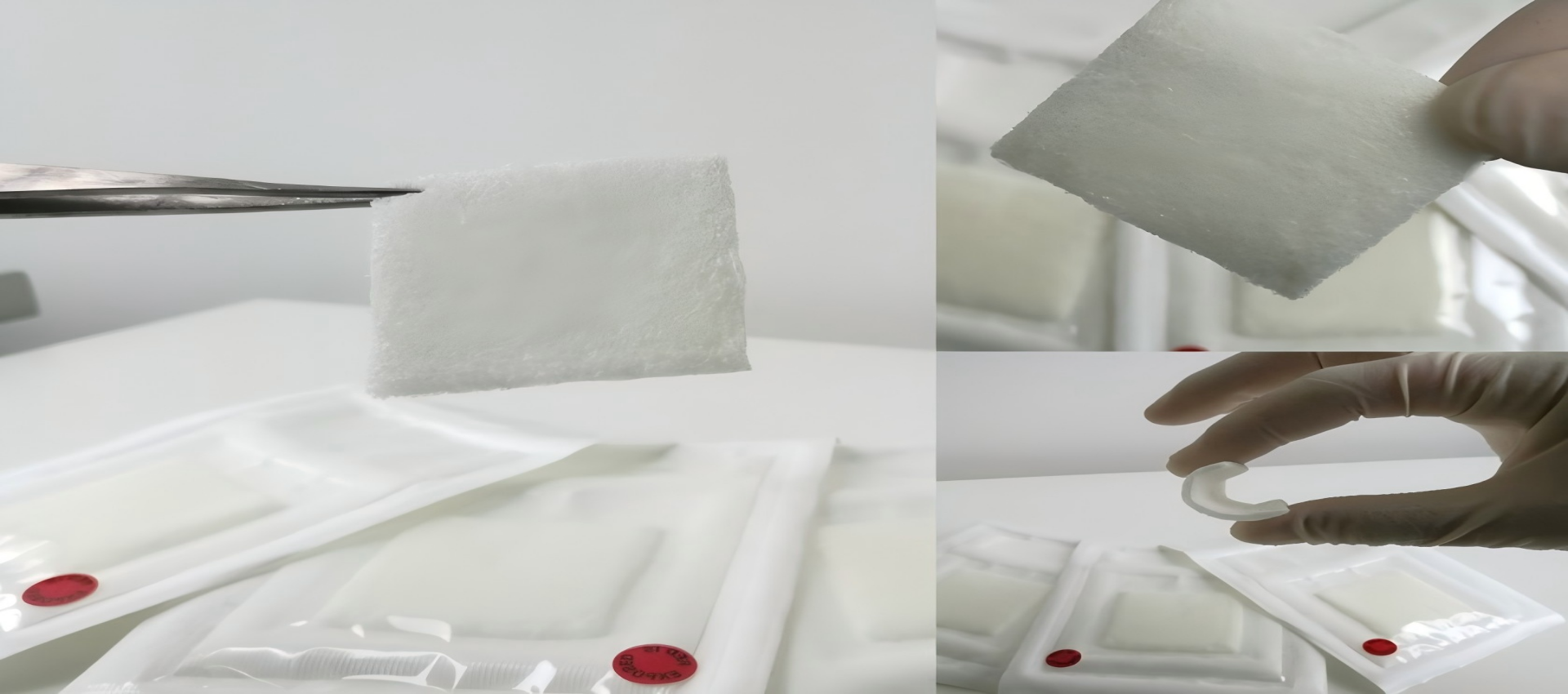
Methyl Hydrogen Silicone Fluid
Everything you need to know about our products and company
In the rapidly evolving global chemical industry, Methyl Hydrogen Silicone Fluid (PMHS) stands as a critical material with diverse applications across textiles, automotive, construction, and personal care sectors. As we approach 2026, the market for PMHS is projected to reach USD 0.36 billion, growing at a CAGR of 9% between 2025 and 2034. This growth trajectory underscores the increasing demand for high-performance silicone fluids that meet stringent international standards. For manufacturers and suppliers, achieving and maintaining ISO, REACH, and FDA certifications has become not just a regulatory requirement but a strategic imperative for market access and competitive advantage.
The global Methyl Hydrogen Silicone Fluid market demonstrates robust growth potential, driven by expanding applications in multiple industries. The automotive sector alone accounts for over 42% of silicone fluid applications, primarily in tire dressings, upholstery conditioners, and wax coatings. This significant market share highlights the material’s versatility and performance characteristics that make it indispensable in modern manufacturing processes.
Asia Pacific dominates the global market with more than 33% share, led by rapid construction activity and infrastructure expansion across China and India. The region’s economic growth, coupled with increasing disposable income and changing consumer preferences, continues to fuel demand for high-performance materials. Major players including Wynca, Shin Etsu, Wacker, and Momentive collectively account for over 45% of global production, indicating a concentrated competitive landscape where quality and compliance differentiate market leaders.
Methyl Hydrogen Silicone Fluid is characterized by its unique molecular structure containing active Si-H bonds, which enable it to participate in various chemical reactions under metal catalyst action. This property allows the fluid to cross-link at appropriate temperatures, forming waterproof films on various substrates. The material exhibits excellent thermal stability, low surface tension, and lubricating properties, making it suitable for demanding industrial applications.
In textile finishing, PMHS serves as a waterproofing agent that maintains fabric breathability while improving tear strength, friction resistance, and soil resistance. The building and construction sector utilizes it for ceramic anti-fouling treatments, moisture-proofing, and hydrophobic treatments for natural stone, marble, and building materials. Additionally, it functions as a cross-linking agent in silicone rubber production and as a basic material for synthesizing various modified silicone oils.
ISO 9001 certification represents the cornerstone of quality management systems for PMHS manufacturers. This international standard ensures a framework for consistent processes, continual improvement, and enhanced customer satisfaction. Companies with ISO 9001 certification demonstrate their commitment to quality control, statistical process control (SPC), and robust documentation systems that enable batch traceability and process optimization.
The certification process requires manufacturers to implement comprehensive quality management systems that cover all silicone operations, from raw material sourcing to final product delivery. This includes establishing process controls, conducting in-process inspections, and maintaining 100% final inspections for critical parts. The benefits extend beyond regulatory compliance, offering improved process efficiency, waste reduction, and data-driven decision-making capabilities that enhance competitive positioning.
REACH (Registration, Evaluation, Authorization, and Restriction of Chemicals) compliance is mandatory for PMHS manufacturers targeting the European market. This regulation ensures that chemical substances are safe for human health and the environment, requiring manufacturers to register substances produced or imported in quantities of one ton or more per year. The compliance process involves detailed risk assessments, exposure scenarios, and comprehensive documentation to demonstrate product safety.
For PMHS, REACH compliance is particularly critical due to its widespread use in consumer-facing applications. The regulation requires manufacturers to provide Safety Data Sheets (SDS) that assess toxicity, persistence, and bioaccumulation potential. Non-compliance can result in significant legal and financial consequences, including fines, market bans, and reputational damage. Companies with REACH registration benefit from simplified cross-border trade within the EU, eliminating the need for separate registrations in each member state and reducing administrative costs.
FDA food-grade certification is essential for PMHS used in applications involving direct contact with food or beverages. This certification ensures compliance with Title 21 of the Code of Federal Regulations, specifically 21 CFR Part 177.2600, which establishes standards for rubber articles intended for repeated contact with food. FDA-approved PMHS must be free from harmful additives like BPA, BPS, and phthalates, and must demonstrate non-toxicity and safety through rigorous testing.
The material’s temperature resistance (from -103°F to +500°F), chemical resistance, and non-stick properties make it ideal for food processing equipment, packaging materials, and kitchen utensils. Platinum-cured silicone is considered the highest quality grade for food contact due to its enhanced stability and lower potential for chemical migration. Manufacturers must maintain strict quality control throughout the production process to ensure ongoing compliance with FDA standards.
As we approach 2026, the convergence of market growth and regulatory requirements creates both challenges and opportunities for PMHS manufacturers. The increasing demand from automotive, construction, and personal care industries must be balanced with stringent compliance obligations across multiple jurisdictions. Companies that proactively invest in certification processes and quality management systems will be better positioned to capture market share and build long-term customer relationships.
The trend toward sustainable and bio-based silicone formulations further emphasizes the importance of environmental compliance. According to the U.S. Environmental Protection Agency, over 45% of chemical firms are investing in advanced silicone fluid technologies to enhance environmental safety and product stability. This investment aligns with growing consumer demand for eco-friendly products and regulatory pressure to reduce environmental impact.
Biyuan has established itself as a trusted manufacturer of Methyl Hydrogen Silicone Fluid, leveraging decades of expertise in silicone technology and production. The company’s commitment to quality is demonstrated through its comprehensive certification portfolio, including ISO 9001, REACH compliance, and FDA food-grade approvals. Biyuan’s state-of-the-art manufacturing facilities incorporate advanced process controls and rigorous testing protocols to ensure consistent product quality and performance.
The company’s technical team continuously innovates to develop new formulations that meet evolving market demands while maintaining compliance with international standards. Biyuan’s customer-centric approach includes providing comprehensive technical support, custom formulations, and reliable supply chain management to meet the diverse needs of global clients across multiple industries.
As the PMHS market continues to grow and evolve, Biyuan remains dedicated to delivering high-performance silicone solutions that combine technical excellence with regulatory compliance, positioning the company as a preferred partner for businesses seeking reliable and certified Methyl Hydrogen Silicone Fluid products.
Our most popular products loved by customers worldwide
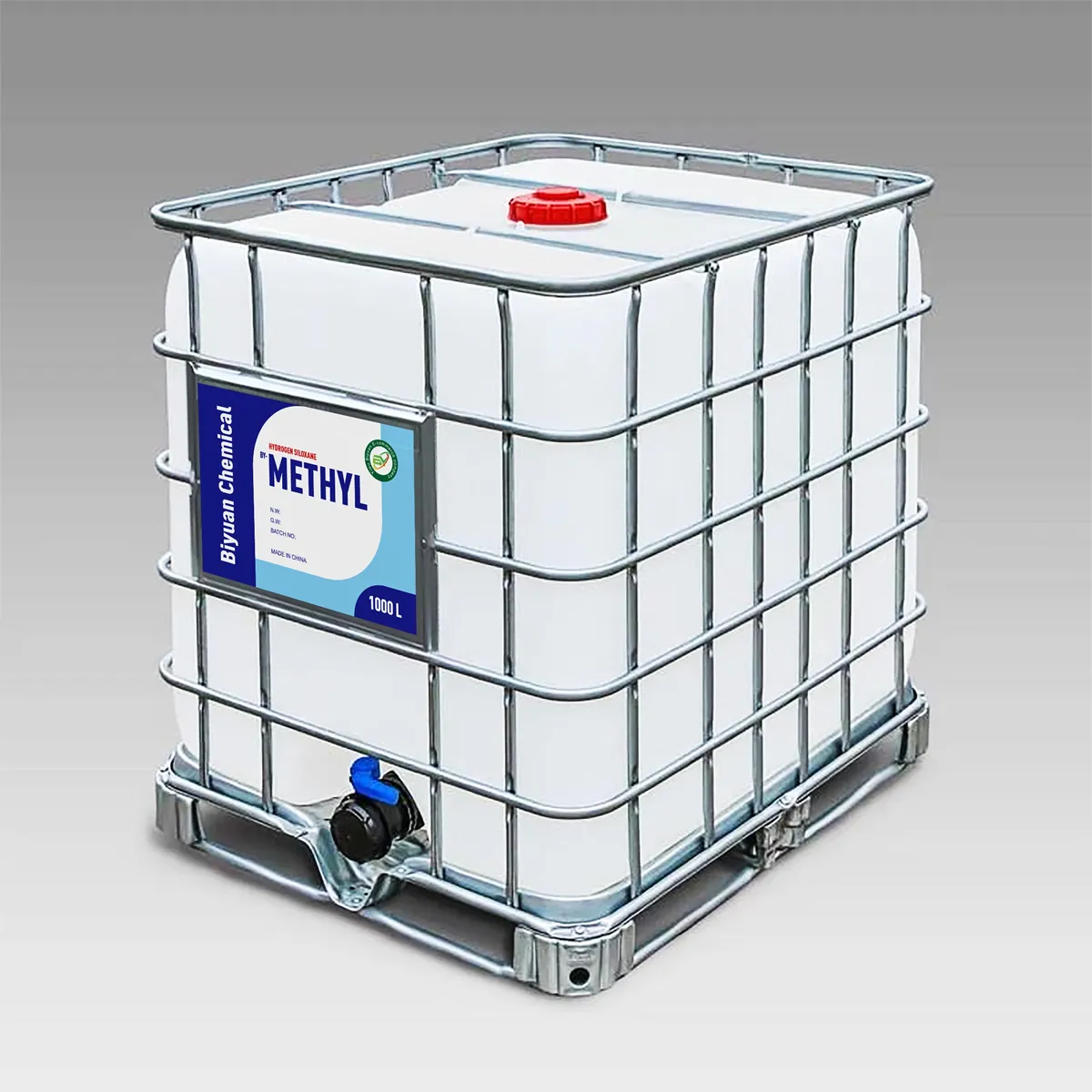
Methyl hydrogen siloxane serves as a multifunctional additive that significantly improves processing characteristics and final properties in silicone rubber applications. This specialized silicone fluid features reactive Si-H groups that enable efficient cross-linking through hydrosilylation reactions with vinyl-functionalized silicone rubbers. .
Medical-grade Methyl hydrogen siloxane serves as a versatile functional material in healthcare applications, combining high purity with reactive Si-H groups for enhanced performance. This specialized silicone fluid enables precise cross-linking in implantable devices, provides controlled drug release matrices, and creates anti-fouling surface coa.
Methyl hydrogen siloxane serves as a versatile functional additive in personal care products, leveraging its unique Si-H reactivity and silicone properties to deliver enhanced performance across various applications. This specialized material acts as an effective cross-linker in hair care products, creating durable yet flexible films that provide.
Methyl hydrogen siloxane serves as a innovative processing aid that enhances both the efficiency of leather manufacturing and the quality of finished products. This reactive silicone fluid improves leather softness and flexibility through effective fiber lubrication and molecular-level modification. Its unique chemical properties enable superior .