Do Suppliers Offer Technical Support for MH Silicone Fluid? - Methyl Hydrogen Silicone Fluid Factory
Methyl Hydrogen Silicone Fluid Factory
Methyl Hydrogen Silicone Fluid
Information Center
Everything you need to know about our products and company
In industries ranging from construction to textiles, Methyl Hydrogen Silicone Fluid (MH-SF) has emerged as a critical material for applications requiring water repellency, flexibility, and thermal stability. As demand grows, businesses increasingly seek suppliers capable of not only delivering high-quality products but also providing robust technical support. This article explores how leading suppliers address technical challenges, optimize product performance, and ensure seamless integration of MH-SF into diverse applications.
The Role of Technical Support in MH-SF Applications
MH-SF’s unique reactive Si-H bonds make it indispensable for waterproofing, softening, and crosslinking. However, its effectiveness depends on proper formulation, application methods, and compatibility with substrates. Suppliers specializing in MH-SF understand these nuances and offer tailored technical guidance to clients. For instance:
Application-Specific Solutions: Suppliers like Jiangshan Sunoit and Singshine Silicones provide detailed compatibility testing for materials such as gypsum boards, textiles, and ceramics, ensuring optimal water resistance and durability .
Formulation Assistance: Technical teams help clients adjust parameters like viscosity (e.g., 20–30 cSt) and hydrogen content (1.55–1.60%) to meet specific performance criteria, such as low-temperature crosslinking for waterproof membranes .
Quality Assurance: Certifications like ISO 10993 and USP Class VI validate the safety and consistency of MH-SF, critical for medical and food-contact applications .
Key Features of MH-SF Suppliers
Advanced Production CapabilitiesLeading manufacturers utilize state-of-the-art facilities to produce MH-SF with high-purity standards (≥97% non-volatile content). For example, Zhejiang Sucon Silicone maintains strict quality control to ensure minimal volatile residues (<0.5%), essential for electronics and high-performance coatings .
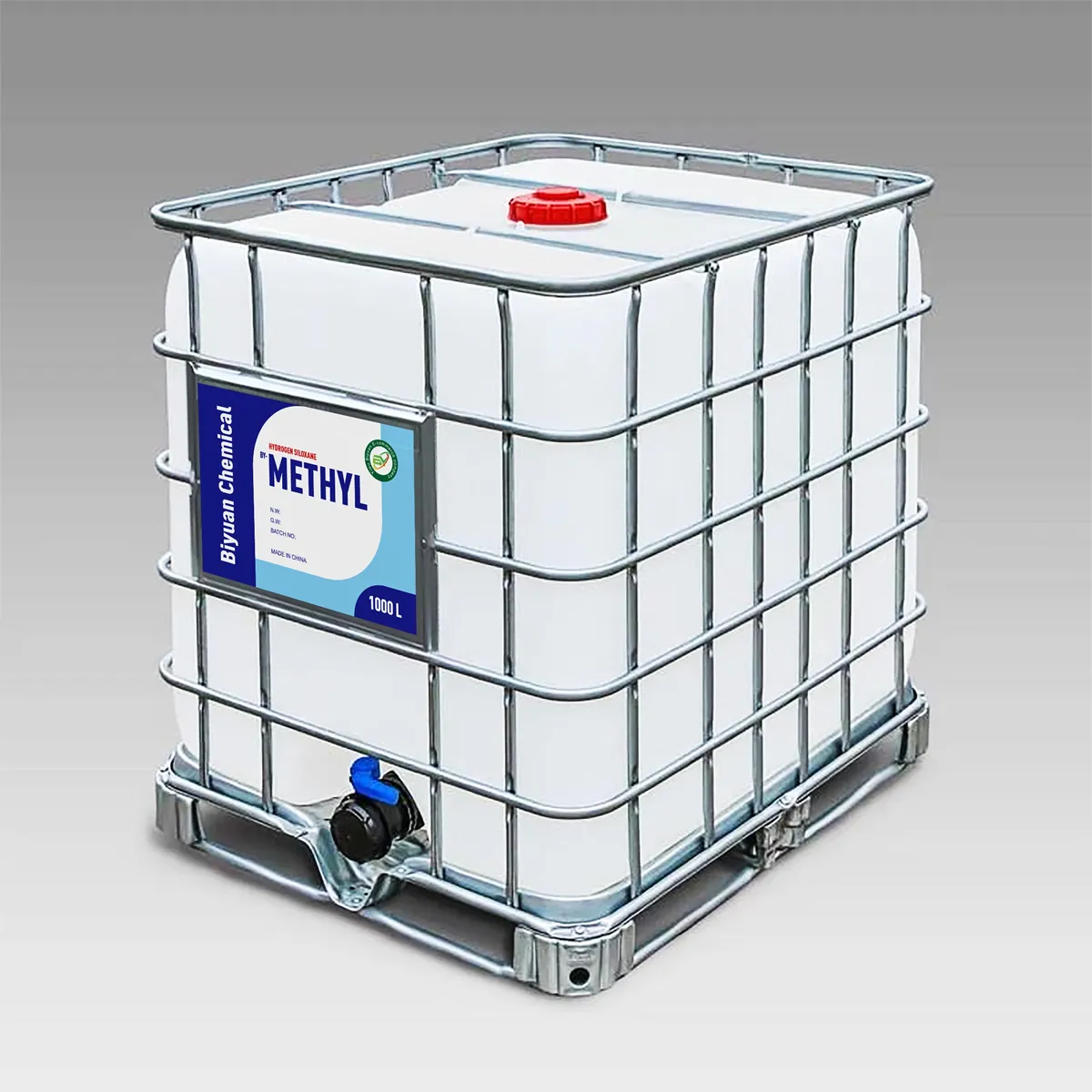
Global Supply NetworksSuppliers such as Wacker Metroark and Guanzhou Conson Silicone offer flexible packaging options (200 kg drums, IBC tanks) and reliable logistics to meet bulk orders across regions, including North America, Europe, and Asia .
Customized Technical Solutions
Textile Industry: MH-SF is used as a hydrophobic agent and softener. Suppliers like SiSiB SILICONES provide crosslinking agents to enhance fabric durability and water repellency .
Construction: Technical support includes optimizing MH-SF for gypsum boards, ensuring <10% water absorption and long-term stability .
Why Partner with MH-SF Suppliers?
Innovation-Driven R&D: Suppliers invest in labs equipped with advanced analytical tools (e.g., FTIR, viscosity testers) to refine formulations. Biyuan, for instance, leverages proprietary catalysts to improve Si-H reactivity, enabling faster curing times .
Scalability: From small batches to 1,000-ton monthly outputs, suppliers adapt to client needs. WL Chemical and Jiande City Silibase ensure consistent supply for industries like cosmetics and adhesives .
Sustainability: Many suppliers prioritize eco-friendly practices, such as recyclable packaging and energy-efficient production, aligning with global ESG trends .
Choosing the Right Supplier
When selecting an MH-SF supplier, consider:
Technical Expertise: Look for partners with certifications (e.g., ISO, REACH) and experience in your industry.
Customization: Ensure they offer tailored solutions, such as modified viscosities or hybrid formulations for niche applications.
For example, Biyuan combines advanced manufacturing with a dedicated technical team to address client-specific challenges, from optimizing crosslinking ratios to resolving adhesion issues in complex substrates .
Conclusion
Suppliers of Methyl Hydrogen Silicone Fluid play a pivotal role in bridging product innovation and industrial application. By offering technical guidance, quality assurance, and scalable solutions, they empower businesses to unlock MH-SF’s full potential. Whether you’re in textiles, construction, or electronics, partnering with a knowledgeable supplier ensures reliable performance and long-term success.
For further details on MH-SF specifications or procurement, consult industry-leading suppliers like Biyuan, whose expertise spans over two decades of material science advancements.
Methyl Hydrogen Silicone Fluid: Driving Innovation and Durability in the Marine Industry
The marine industry operates in one of the most demanding environments on Earth, where constant exposure to saltwater, humidity, and extreme weather relentlessly attacks vessels, structures, and equipment. Protecting these assets is a perpetual challenge. Methyl H.
Is MH Silicone Fluid Eco-Friendly? A Comprehensive Analysis of Methyl Hydrogen Silicone Fluid
In the pursuit of sustainable alternatives, Methyl Hydrogen Silicone Fluid (MH Silicone Fluid) has emerged as a topic of interest. But is it truly eco-friendly? This article dives into its environmental impact, applications, and innovations, while addressin.
Can MH Silicone Fluid Be Mixed with Other Silicone Fluids?
Methyl Hydrogen Silicone Fluid (MH Silicone Fluid), a specialized silicone product with reactive Si-H bonds, is widely used in industries like coatings, textiles, and mold-making. A common question arises: Can it be safely mixed with other silicone fluids? The answer depends on chemical com.
Understanding the Safety Profile of Methyl Hydrogen Silicone Fluid: A Comprehensive Guide
Methyl Hydrogen Silicone Fluid (MH Silicone Fluid), a versatile silicone-based compound, is widely used across industries for its unique properties. However, concerns about its safety persist. This article explores its toxicity, regulatory compliance, and applicat.
Hybrid Formulations Combining MH Silicone Fluid with Other Polymers
Methyl Hydrogen Silicone Fluid (MH Silicone Fluid), also known as polymethylhydrosiloxane, is a versatile silicone oil recognized for its reactive Si-H bonds, which make it an exceptional candidate for creating advanced hybrid polymer materials. These combinations are revolutionizing pr.
AI-Driven Optimizations Revolutionize Methyl Hydrogen Silicone Fluid Applications
The industrial landscape for Methyl Hydrogen Silicone Fluidis undergoing a profound transformation as artificial intelligence emerges as a critical enabler of innovation and efficiency. This versatile organosilicon polymer, renowned for its reactive Si-H bonds and exceptio.
Comprehensive Guide to REACH Compliance for Methyl Hydrogen Silicone Fluid
Methyl Hydrogen Silicone Fluid (MH Silicone Fluid) is a versatile chemical widely used in industries such as textiles, construction, and personal care for its water-repellent and thermal stability properties. However, its production, distribution, and use within the European Uni.
Understanding the Key Differences Between Methyl Hydrogen Silicone Fluid and Dimethyl Silicone Oil
In the realm of silicone-based fluids, Methyl Hydrogen Silicone Fluid (also known as polymethylhydrosiloxane or PMHS) and dimethyl silicone oil (polydimethylsiloxane, PDMS) are two widely used materials with distinct properties and applications. While.
Key Factors Influencing Methyl Hydrogen Silicone Fluid Adhesion and Performance
Methyl Hydrogen Silicone Fluid represents a specialized category of silicone polymers characterized by reactive silicon-hydrogen (Si-H) bonds within their molecular structure. This unique chemical composition provides both the stability of conventional methyl silicone oils a.
Methyl Hydrogen Silicone Fluid: A Critical Enabler for Advanced Aerospace Materials
In the demanding world of aerospace engineering, every component must withstand extreme conditions while contributing to overall performance and safety. Methyl Hydrogen Silicone Fluid has emerged as a critical specialty material enabling advancements in aerospace techn.
How Methyl Hydrogen Silicone Fluid Is Adapting to Sustainability Demands
The global chemical industry is undergoing a profound transformation driven by sustainability imperatives, and Methyl Hydrogen Silicone Fluid(MH Silicone Fluid) is at the forefront of this shift. As a versatile silicone polymer critical to industries from textiles to electronics, t.
Testing the Waterproofing Efficiency of MH Silicone Fluid: Methods, Standards, and Industry Applications
In industries ranging from textiles and electronics to construction and automotive, methyl hydrogen silicone fluid (PMHS) is a critical material renowned for its exceptional waterproofing capabilities. As a key component in coatings, sealants, and.
Methyl Hydrogen Silicone Fluid (MH Silicone Fluid) has emerged as a critical material in industries ranging from textiles to electronics due to its unique properties, such as thermal stability, water repellency, and chemical inertness. However, concerns about volatile organic compound (VOC) emissions during its production, application, and disposal have sp.
Understanding SDS Requirements for Methyl Hydrogen Silicone Fluid
Methyl Hydrogen Silicone Fluid (MH Silicone Fluid) is a specialized chemical widely used in industries such as textiles, electronics, and coatings due to its unique reactivity and stability. Ensuring compliance with Safety Data Sheet (SDS) requirements is critical for safe handling, stor.
Methyl Hydrogen Silicone Fluid (MH Silicone Fluid), a versatile polymer with applications ranging from industrial lubricants to cosmetic formulations, has seen exponential growth in demand across industries. The production landscape is dominated by specific regions renowned for their advanced manufacturing capabilities, regulatory compliance, and technolog.
How Environmental Regulations Are Shaping the Future of Methyl Hydrogen Silicone Fluid
The global push for environmental sustainability is transforming industrial chemical regulations, creating both challenges and opportunities for specialty materials like Methyl Hydrogen Silicone Fluid. As governments worldwide implement stricter environmental protecti.
In the rapidly evolving green energy sector, innovation often comes from unexpected places. One such material poised to make significant contributions is Methyl Hydrogen Silicone Fluid (MH Silicone Fluid). This specialized silicone fluid is increasingly recognized as a critical enabler across multiple sustainable technologies, from energy storage to effici.
Methyl Hydrogen Silicone Fluid (MH Silicone Fluid), a specialized type of silicone polymer, has gained significant attention in industries ranging from construction to personal care. However, a critical question arises: Is MH Silicone Fluid biodegradable? This article explores the environmental impact, sustainability, and practical applications of MH Si.
Essential Certifications Your Methyl Hydrogen Silicone Fluid Supplier Must Have
In the specialized chemical sector, selecting a certified supplier for Methyl Hydrogen Silicone Fluid is not just a procedural step—it’s a critical business decision that impacts product quality, regulatory compliance, and market success. This essential silicone polyme.
Is Methyl Hydrogen Silicone Fluid a Game-Changer in Automotive Engineering?
The automotive industry demands materials that can withstand extreme conditions while maintaining performance and reliability. Methyl Hydrogen Silicone Fluid (MH Silicone Fluid) has emerged as a critical solution in modern vehicle design, offering unique properties that addres.
Ensuring Safety and Durability: The Critical Role of Methyl Hydrogen Silicone Fluid in Modern Food-Grade Packaging
In an era where consumer trust in food safety is paramount, the choice of packaging materials directly impacts brand reputation and regulatory compliance. Among the specialized ingredients driving innovation in food-grade packaging, Methyl.
The Critical Role of 1.59% Hydrogen Content in PMHS for Enhanced Waterproofing
Introduction
In the specialized world of silicone chemistry, the hydrogen content in polymethylhydrosiloxane (PMHS) serves as a crucial indicator of performance potential, particularly for waterproofing applications. While PMHS is widely recognized for its water-repellent .
How a European Textile Brand Mastered the Chinese Market Using Methyl Hydrogen Silicone Fluid
Introduction: The Technical Textile Breakthrough
In the highly competitive global textile industry, European brands constantly seek innovative approaches to penetrate lucrative markets like China. One notable success story involves a forward-thinking Europea.
Polymethylhydrosiloxane: Advancing Solar Technology Through Innovative Materials
Introduction: The Unsung Hero of Solar Panel Efficiency
In the rapidly evolving solar energy sector, material innovations play a critical role in enhancing panel performance and durability. Among these advancements, polymethylhydrosiloxane (PMHS), also known as methyl hy.
Sustainable Innovation: The Growing Market for Biodegradable PMHS Formulations
In recent years, the global push for sustainability has catalyzed significant advancements in polymer science, particularly in the development of biodegradable polymer materials. Among these, Methyl Hydrogen Silicone Fluid (PMHS) has emerged as a key player, with innovative f.
Understanding How PMHS Elevates Thermal Resilience in Modern Motor Oils
For drivers and automotive enthusiasts, the phrase “heat is the enemy” isn’t just a catchy saying—it’s a reality. Modern engines operate at higher temperatures than ever, thanks to turbocharging, downsizing, and high-performance demands. This constant exposure to extreme heat can de.
The European REACH Framework: Reshaping the Supply Landscape for Methyl Hydrogen Silicone Fluid
The European Union’s REACH regulation (Registration, Evaluation, Authorisation and Restriction of Chemicals) represents a transformative regulatory environment for chemical suppliers worldwide. For producers and distributors of Methyl Hydrogen Silicone .
Methyl Hydrogen Silicone Fluid: The Unsung Hero Transforming Waterproofing in Textiles and Construction
In industries where durability and performance are non-negotiable—textiles and construction—waterproofing has long been a challenge. Traditional solutions often fall short: coatings peel, treatments wash out, or materials become brittle over time. Ent.
PMHS: Revolutionizing Aerospace with Lightweight Waterproofing Technology
Introduction: The Critical Role of Advanced Materials in Aerospace
The aerospace industry faces constant pressure to enhance performance, reduce weight, and improve sustainability. At the forefront of materials innovation is Poly(methyl hydrogen)siloxane (PMHS), commonly known .
The Pivotal Role of Platinum Catalysts in PMHS Cross-Linking: Technology, Applications, and Market Trends
Introduction to Platinum-Catalyzed PMHS Cross-Linking
The cross-linking of poly(methylhydrosiloxane), commonly known as methyl hydrogen silicone fluid (MH fluid), represents a sophisticated chemical process where platinum catalysts play an indi.
The Indian textile industry is undergoing a significant transformation as manufacturers increasingly adopt Poly Methyl Hydrogen Silicone (PMHS) technology to produce high-performance waterproof fabrics. This shift represents a strategic response to growing market demand for functional textiles that combine water resistance with breathability, durability, a.
Methyl Hydrogen Silicone Fluid in Medical Device Coatings: Ensuring Safety and Efficacy
Introduction
The use of Methyl Hydrogen Silicone Fluid (PMHS) in medical device coatings represents a significant advancement in healthcare technology, combining unique material properties with critical safety considerations. This specialized silicone fluid has ga.
Unlocking Precision Manufacturing: The Role of Methyl Hydrogen Silicone Fluid in 3D Printing and Electronics
In advanced manufacturing, material innovation often drives breakthroughs in product performance and process efficiency. Among the unsung heroes of modern industry, methyl hydrogen silicone fluid (also referred to as methylhydrogen polysiloxane.
Polymethylhydrosiloxane (PMHS), commonly known as Methyl Hydrogen Silicone Fluid, plays a critical role in enhancing the performance and stability of modern cosmetic and pharmaceutical products. This specialized silicone derivative offers unique chemical properties that make it particularly valuable in formulations where pH stability is essential for maint.
Introduction
Methyl Hydrogen Silicone Fluid (CAS No. 63148-57-2), also known as methyl hydrogen polysiloxane or PMHS, is a highly versatile silicone fluid widely used across multiple industries for its exceptional water repellency, thermal stability, and crosslinking capabilities. This clear, odorless liquid contains active silicon-hydrogen (Si-H) bonds.
Global Surge in Methyl Hydrogen Silicone Fluid Demand Driven by Green Technology and Electronics
The global market for Polymethylhydrosiloxane (PMHS), commonly known as Methyl Hydrogen Silicone Fluid, is experiencing a significant upswing in 2025. This versatile organic silicone polymer, renowned for its exceptional thermal stability, chemical inertness.
Methyl Hydrogen Silicone Fluid: 2025 Market Analysis and Price Forecast
Executive Summary
The global methyl hydrogen silicone fluid market is poised for significant growth in 2025, driven by expanding demand from key industries including textiles, construction, electronics, and personal care. With technological advancements and sustainability initiat.
Methyl Hydrogen Silicone Fluid, known in the scientific community by its CAS registry number 63148-57-2, represents a remarkable class of organosilicon compounds with unique properties and diverse industrial applications. This chemical workhorse, also called polymethylhydrosiloxane, has established itself as an indispensable material across sectors rang.
Understanding PMHS Viscosity: Selecting the Optimal Grade for Industrial Applications
Introduction
Polymethylhydrosiloxane (PMHS), commonly known as Methyl Hydrogen Silicone Fluid, is a versatile organosilicon compound with unique properties that make it invaluable across numerous industries. The viscosity of PMHS plays a crucial role in determining .
The global chemical industry is undergoing a transformative shift toward sustainable manufacturing, and suppliers of Polymethylhydrosiloxane (PMHS), commonly known as Methyl Hydrogen Silicone Fluid, are at the forefront of this change. Through strategic localization of production and technological innovation, these companies are significantly reducing thei.
Methyl hydrogen siloxane serves as a multifunctional additive that significantly improves processing characteristics and final properties in silicone rubber applications. This specialized silicone fluid features reactive Si-H groups that enable efficient cross-linking through hydrosilylation reactions with vinyl-functionalized silicone rubbers.
.
Medical-grade Methyl hydrogen siloxane serves as a versatile functional material in healthcare applications, combining high purity with reactive Si-H groups for enhanced performance. This specialized silicone fluid enables precise cross-linking in implantable devices, provides controlled drug release matrices, and creates anti-fouling surface coa.
Methyl hydrogen siloxane serves as a versatile functional additive in personal care products, leveraging its unique Si-H reactivity and silicone properties to deliver enhanced performance across various applications. This specialized material acts as an effective cross-linker in hair care products, creating durable yet flexible films that provide.
Methyl hydrogen siloxane serves as a innovative processing aid that enhances both the efficiency of leather manufacturing and the quality of finished products. This reactive silicone fluid improves leather softness and flexibility through effective fiber lubrication and molecular-level modification. Its unique chemical properties enable superior .

Contact Us
We're here to help with any questions or inquiries you may have
Contact Information
Address
No. 116, Jiangdong Street, Yiwu City, Jinhua City, Zhejiang Province,China