
Methyl Hydrogen Silicone Fluid Factory
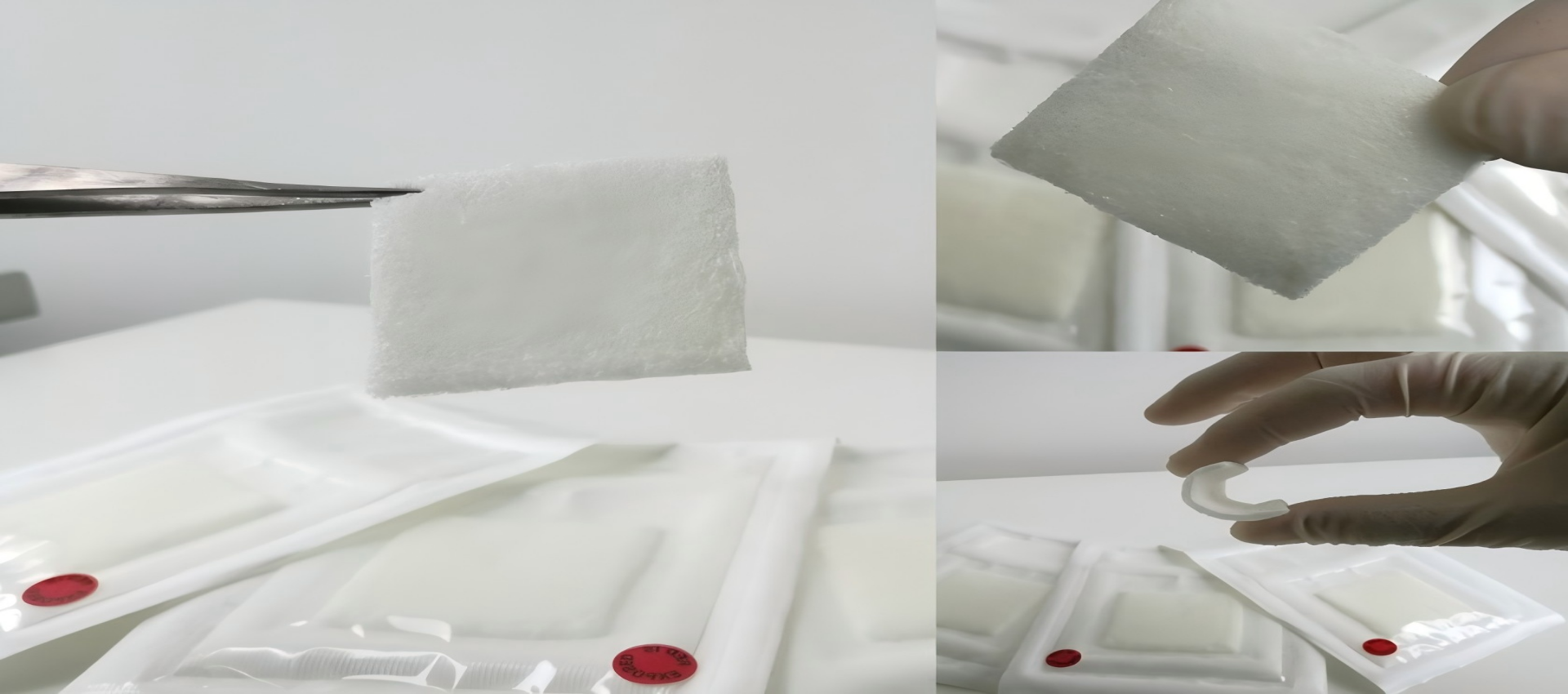
Methyl Hydrogen Silicone Fluid
Everything you need to know about our products and company
The global shipping landscape for Methyl Hydrogen Silicone Fluid (PMHS) faces unprecedented challenges in 2025, driven by complex logistics disruptions and volatile tariff policies. As the market for this essential chemical compound continues to expand—projected to reach USD 520 million by 2031 with an 8.5% CAGR—supply chain professionals must navigate a perfect storm of geopolitical tensions, capacity constraints, and regulatory uncertainties. This comprehensive analysis examines the current shipping environment, market dynamics, and strategic considerations for PMHS stakeholders operating in this turbulent global trade environment.
The global shipping industry is experiencing significant turbulence, with freight rates expected to remain elevated throughout 2025. Key challenges include:
Tariff Volatility and Trade Route Shifts
The implementation of targeted tariffs on Chinese imports has created a ripple effect across global supply chains. China, facing overcapacity issues, is actively seeking alternative markets in Europe, Southeast Asia, Latin America, and the Middle East. This market realignment is reshaping traditional trade routes and creating new logistical complexities for PMHS shipments. The average tariff rate shift has been dramatic—from 2.5% in 2024 to 16.5% by April 2025, with projections reaching 24% by summer 2025, the highest rate since pre-WWII protectionist policies.
Port Congestion and Capacity Constraints
Prolonged port congestion continues to adversely affect global supply chain efficiency, with average transit times from China to major U.S. ports ranging from 20-42 days depending on destination. The dissolution of the 2M Alliance and the launch of new carrier partnerships in February 2025 have introduced additional network turbulence that will persist until new service patterns stabilize.
Geopolitical and Operational Challenges
The ongoing Russia-Ukraine conflict, tensions in the Middle East, and rising prospects of conflict in the South China Sea continue to impact international trade and seaborne transport. These geopolitical factors, combined with volatile oil prices, high labor costs, and increased insurance premiums due to security concerns, are driving up overall shipping costs.
The global Methyl Hydrogen Silicone Fluid market presents a compelling growth story despite shipping challenges. The market was valued at USD 296 million in 2024 and is forecast to reach USD 520 million by 2031, representing a compound annual growth rate of 8.5%. This robust growth is driven by increasing demand from key end-use industries including automotive, electronics, construction, and healthcare.
Asia Pacific dominates the global PMHS market, holding more than 33% of the global share. This regional leadership is fueled by rapid construction activity and infrastructure expansion across China and India. North America and Europe remain significant markets, though they face greater tariff exposure and supply chain disruptions.
The PMHS market is characterized by concentrated competition, with major players including Bluestar, Dow, Momentive, Wacker, and Shin Etsu collectively accounting for over 45% of global production. These industry leaders are focusing on expanding manufacturing facilities, increasing R&D investments, and developing strategic partnerships to maintain competitive advantage.
Methyl Hydrogen Silicone Fluid (CAS 63148-57-2) is a polysiloxane made of methyl hydrogen with trimethyl siloxy end groups. Key technical specifications include:
The product exhibits excellent water repellency, low surface tension, and maintains stable physical properties across a wide temperature range. Its thermal stability at 150°C for extended periods makes it suitable for high-temperature applications.
PMHS serves multiple critical functions across diverse industries:
Textile Treatment
Used as a water-repellent finishing agent, PMHS provides fabric waterproofing while maintaining air permeability. It improves tear strength, friction resistance, and soil resistance, enhancing both performance and handling characteristics.
Cross-Linking Agent
In silicone rubber production, PMHS functions as a cross-linking agent for addition-cure silicone rubber products. It enables the formation of durable, high-performance silicone rubber components used in automotive, aerospace, and industrial applications.
Building Materials
As an additive for water-resistant gypsum boards and advanced waterproofing materials, PMHS creates hydrophobic surfaces that protect against moisture damage in construction applications.
Electronics and Medical Devices
The material finds applications in protective coatings, encapsulants, and thermal management solutions for electronic devices. In healthcare, it’s used in medical adhesives, coatings, and implants due to its biocompatibility and performance characteristics.
The production of Methyl Hydrogen Silicone Fluid involves sophisticated chemical processes:
Leading manufacturers maintain stringent quality control protocols, including:
Given the current shipping challenges, companies should consider diversifying their sourcing strategies:
Implement just-in-case inventory strategies rather than traditional just-in-time approaches. Given extended transit times and potential disruptions, maintaining safety stock levels has become essential for business continuity.
Work closely with customs brokers and trade compliance experts to:
Adopt data-driven logistics strategies:
Several factors will continue to drive PMHS market growth:
The industry is shifting toward eco-friendly production processes and sustainable products. Over 45% of chemical firms are investing in advanced silicone fluid technologies to enhance environmental safety and product stability.
Startups and R&D divisions in chemical companies have increased innovation output by 37% since 2020, driving new silicone formulations with enhanced properties and applications.
Develop contingency plans for:
Implement strategies to address:
Build operational flexibility through:
The global shipping environment for Methyl Hydrogen Silicone Fluid presents both significant challenges and substantial opportunities. While tariff volatility, logistics disruptions, and geopolitical tensions create headwinds, the underlying market fundamentals remain strong with robust growth projections across key end-use industries.
Successful navigation of this complex landscape requires a multi-faceted approach combining supply chain diversification, strategic inventory management, tariff optimization, and operational resilience. Companies that invest in predictive analytics, supplier diversification, and collaborative partnerships will be best positioned to outperform competitors and capitalize on the growing demand for PMHS products.
As the market continues to evolve, staying informed about regulatory changes, technological advancements, and market trends will be critical for maintaining competitive advantage in this dynamic global marketplace.
Our most popular products loved by customers worldwide
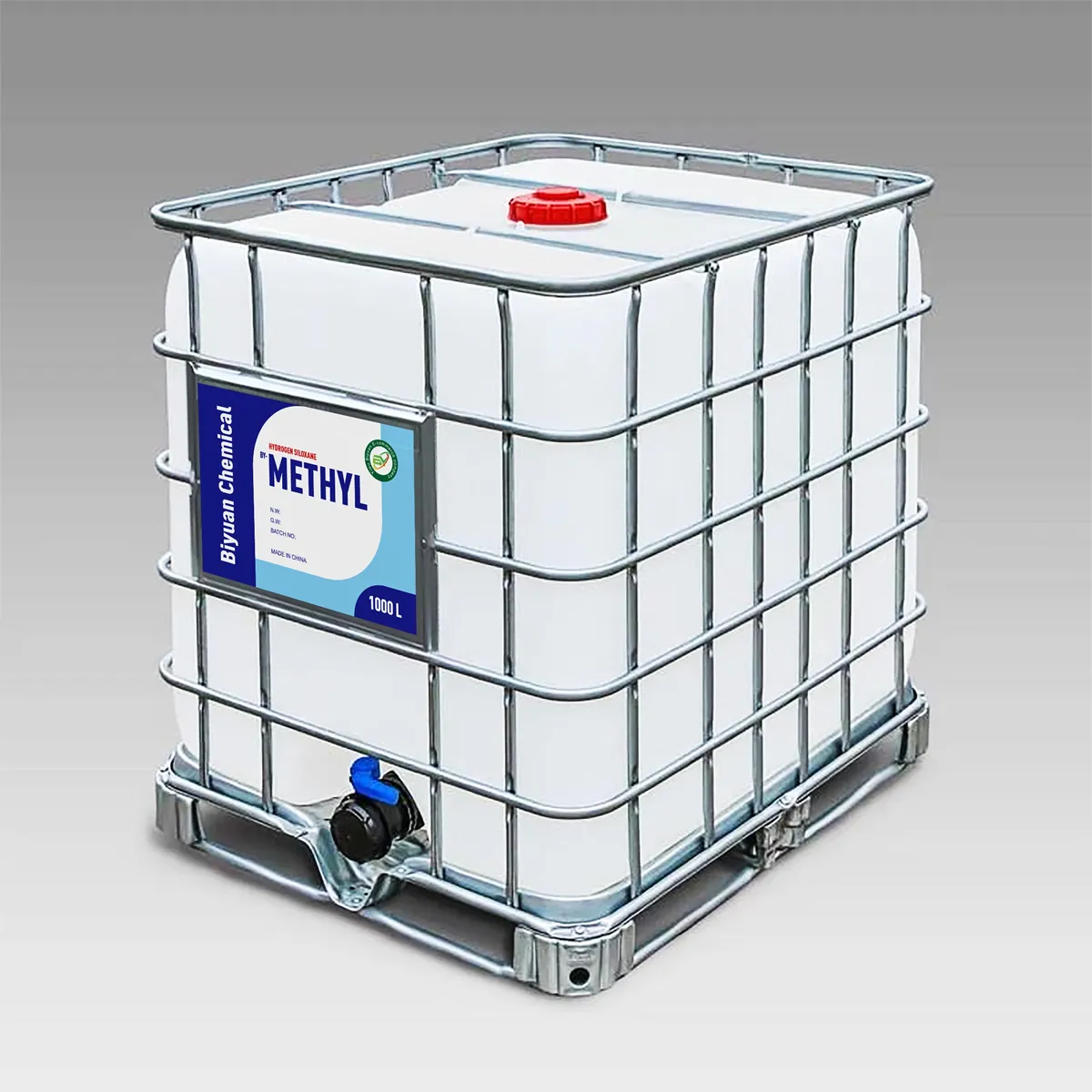
Methyl hydrogen siloxane serves as a multifunctional additive that significantly improves processing characteristics and final properties in silicone rubber applications. This specialized silicone fluid features reactive Si-H groups that enable efficient cross-linking through hydrosilylation reactions with vinyl-functionalized silicone rubbers. .
Medical-grade Methyl hydrogen siloxane serves as a versatile functional material in healthcare applications, combining high purity with reactive Si-H groups for enhanced performance. This specialized silicone fluid enables precise cross-linking in implantable devices, provides controlled drug release matrices, and creates anti-fouling surface coa.
Methyl hydrogen siloxane serves as a versatile functional additive in personal care products, leveraging its unique Si-H reactivity and silicone properties to deliver enhanced performance across various applications. This specialized material acts as an effective cross-linker in hair care products, creating durable yet flexible films that provide.
Methyl hydrogen siloxane serves as a innovative processing aid that enhances both the efficiency of leather manufacturing and the quality of finished products. This reactive silicone fluid improves leather softness and flexibility through effective fiber lubrication and molecular-level modification. Its unique chemical properties enable superior .