
Methyl Hydrogen Silicone Fluid Factory
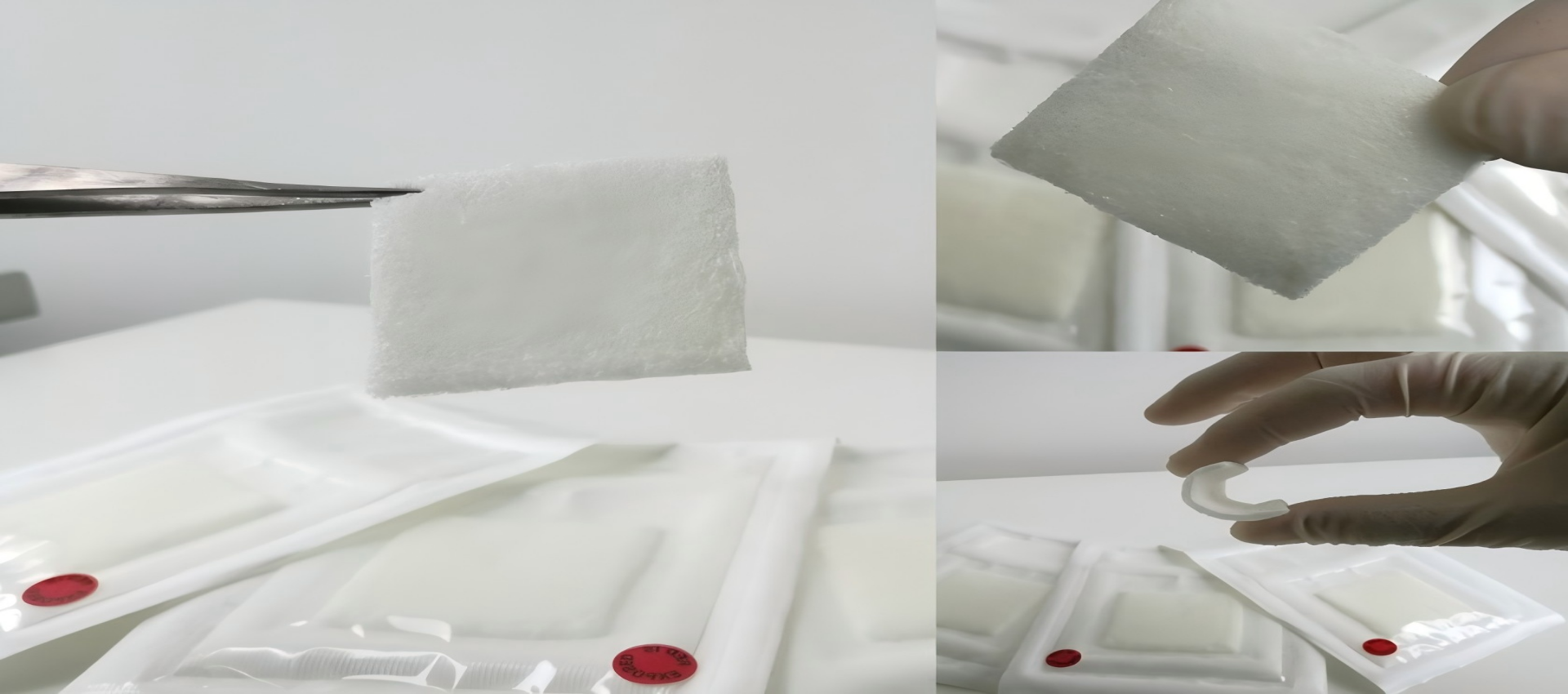
Methyl Hydrogen Silicone Fluid
Everything you need to know about our products and company
The Middle East is undergoing an unprecedented construction renaissance, with mega-projects transforming the region’s landscape and creating massive demand for high-performance building materials. At the heart of this infrastructure boom is Methyl Hydrogen Silicone Fluid (PMHS), a versatile silicone-based compound that plays a critical role in modern construction applications. As countries like Saudi Arabia, the UAE, and Qatar invest billions in visionary projects under initiatives like Vision 2030, the demand for advanced waterproofing, sealing, and protective materials has surged exponentially. This article explores how the Middle East’s infrastructure revolution is driving PMHS market growth, examining technical specifications, applications, market dynamics, and the strategic positioning of leading manufacturers in this rapidly expanding sector.
The global methyl hydrogen silicone fluid market is experiencing robust growth, with projections indicating significant expansion through 2030. The market, valued at approximately USD 264.7 million in 2022, is expected to reach USD 436.6 million by 2028, demonstrating a compound annual growth rate (CAGR) of 8.7% during this period. By 2034, the market is forecasted to approach USD 0.73 billion, advancing at a CAGR of 9% between 2025 and 2034. This growth trajectory is particularly pronounced in the Middle East, where construction activity has become a primary economic driver.
The Asia-Pacific region currently dominates the global market, holding more than 33% of the global share, driven by rapid construction activity and infrastructure expansion across China and India. However, the Middle East is emerging as a key growth market, with countries like Saudi Arabia, the UAE, and Qatar investing heavily in transformative infrastructure projects. The Middle East construction industry was valued at USD 337.43 billion in 2024 and is projected to expand to USD 361.60 billion in 2025, reaching USD 401.17 billion by 2030 at a CAGR of 2.1% (2025–2030). This construction boom is creating unprecedented demand for PMHS across multiple applications.
Methyl Hydrogen Silicone Fluid (CAS 63148-57-2) is a polysiloxane compound characterized by its unique chemical structure and exceptional performance properties. The fluid typically appears as a colorless, transparent oily liquid with a viscosity range of 15-40 mm²/s at 25°C and a density of 0.995-1.015 g/cm³. Its flash point exceeds 160°C, with a melting point below -60°C, making it suitable for a wide range of temperature applications.
The product’s key distinguishing feature is its hydrogen content, which typically ranges from 1.5% to 1.6% or above 1.6%, depending on the specific formulation. This hydrogen content enables the fluid to react with hydroxyl groups and unsaturated organic compounds, making it chemically reactive and versatile for various applications. The refractive index ranges from 1.390 to 1.410, and volatile compounds are typically maintained at 2.0% maximum.
PMHS exhibits excellent water repellency properties, low surface tension, and minimal changes in physical properties across a wide temperature range. The fluids demonstrate thermal stability at 150°C for extended periods, low toxicity, and compatibility with most plastics and surface coatings. These properties make PMHS an ideal choice for demanding construction applications where durability and performance are paramount.
The construction industry represents one of the largest end-use sectors for methyl hydrogen silicone fluid, accounting for significant market share alongside textile treatment and cross-linking applications. In building materials, PMHS serves multiple critical functions:
Waterproofing and Moisture Protection
PMHS is extensively used as a waterproofing agent for gypsum boards, plaster blocks, and advanced waterproofing materials. The Si-H bonds in the fluid can crosslink into waterproof films or react with substances containing double bonds, hydroxyl groups, or other functional groups, creating durable protective coatings. This application is particularly valuable in the Middle East’s arid climate, where moisture protection is essential for building longevity.
Textile Treatment for Construction Fabrics
In construction textiles, PMHS serves as a water-repellent finishing agent, providing fabric with air permeability while improving tear strength, friction resistance, and soil resistance. This application is crucial for temporary structures, protective covers, and specialized construction fabrics used in the region’s mega-projects.
Cross-Linking Agent for Silicone Rubber
PMHS functions as a cross-linking agent for addition-cure silicone rubber products, including sealants, adhesives, and gaskets used in building construction. These materials provide essential sealing functions in windows, joints, and expansion areas, particularly in the region’s extreme temperature conditions.
Moisture-Proofing for Building Materials
The fluid is used as a moisture-proofing and waterproofing agent for fire-extinguishing powder, glass, ceramics, and marble. This application is critical for maintaining the integrity of building materials in the Middle East’s harsh environmental conditions.
The Middle East’s construction landscape is undergoing a fundamental transformation, driven by ambitious national visions and economic diversification strategies. Saudi Arabia’s Vision 2030, in particular, has unleashed a wave of giga-projects that are reshaping the region’s built environment and creating unprecedented demand for construction materials like PMHS.
Saudi Arabia’s Giga-Projects
NEOM, valued at over $500 billion and covering 26,500 km², represents one of the world’s most ambitious developments. Sub-projects like The Line, Oxagon, Trojena, and Sindalah are transforming urban design and requiring massive quantities of advanced building materials. The Line, a car-free city powered entirely by renewable energy, and Oxagon, the world’s largest floating industrial complex, are both advancing rapidly in 2025.
The Red Sea Project, covering 28,000 km² of coastline, combines sustainable resorts with untouched natural beauty. Phase one, beginning in 2025, features eco-friendly hotels, floating villas, and renewable energy infrastructure, targeting one million tourists annually by 2030. Qiddiya Entertainment City near Riyadh is set to become a global center for entertainment and culture, with theme parks, motorsport arenas, and sports complexes scheduled to open in late 2025.
Additional landmark projects include King Salman Park (16 km² of urban green space), Diriyah Gate (transforming Riyadh into a cultural destination), Jeddah Tower (the first skyscraper exceeding 1 km in height), and King Salman International Airport expansion to handle 185 million passengers annually.
UAE’s Innovation-Driven Projects
The UAE continues to deliver groundbreaking infrastructure, with Dubai’s Urban Tech District serving as a dedicated hub for AI, robotics, and sustainable technologies designed to host over 500 startups. The Loop project, a 93 km climate-controlled urban corridor, promotes cycling and walking while cutting car usage, aligning with Dubai’s carbon reduction goals. The revitalization of Palm Jebel Ali will double the size of Palm Jumeirah, featuring luxury waterfront development with residences, commercial areas, and entertainment hubs.
Regional Infrastructure Expansion
Iraq’s Ministry of Construction has announced 70 new infrastructure projects for 2025, focused on areas outside the capital to enhance connectivity and reduce congestion. Key projects include the Baghdad-Kirkuk road (spanning 400 km), the Hemrin Bridge in Diyala (set to become Iraq’s longest bridge at 7 km), and the Al-Miqdadiyah-Saadiyah road, part of the Hemrin Lake basin network.
Jordan is launching the Aqaba-Amman Water Desalination Project in 2025, providing 300 million cubic meters of water annually through advanced desalination and a 300 km pipeline network, addressing water scarcity for millions.
Several key factors are driving the increased demand for PMHS in the Middle East construction sector:
Technological Advancements
Market growth for methyl hydrogen silicone fluid has been supported by technological advancements in production processes and formulations. Innovations such as improved synthesis methods and advanced purification techniques have enhanced product quality and expanded application possibilities, thus increasing market demand. Startups and R&D divisions in chemical companies have increased innovation output by 37% since 2020, driving new silicone formulations.
Sustainability Focus
With growing concern for sustainability, the demand for eco-friendly methyl hydrogen silicone fluids and greener production processes is on the rise. Key participants are developing products that strategically incorporate sustainable practices to meet regulatory requirements and consumer preferences for green products. According to the U.S. Environmental Protection Agency (EPA), over 45% of chemical firms are investing in advanced silicone fluid technologies to enhance environmental safety and product stability.
Production Capacity Expansion
The development of production capacity by major producers complements market growth. New facilities and higher outputs improve supply chain efficiency to meet the growing demand for methyl hydrogen silicone fluids, contributing to overall market growth. In 2022, global manufacturers increased R&D spending by 22% to enhance eco-friendly silicone applications for automotive and construction industries.
Strategic Partnerships and Collaborations
Strategic partnerships and collaborations among industry players and research institutions encourage innovation and drive market growth. Advancements in research and development of technology lead to new product launches and technologies, thereby increasing market competitiveness.
The methyl hydrogen silicone fluid market is characterized by a competitive landscape with several major players dominating global production. Key manufacturers include Wynca, Shin Etsu, Wacker, Momentive, and Dow, who collectively account for over 45% of global production. These companies compete on the basis of product quality, technological innovation, and market reach.
The market is segmented by hydrogen content, with hydrogen content above 1.6% fluids accounting for 57% market share, while textile treatment and waterproofing applications jointly cover 61% of end-use demand. The automotive sector uses over 42% of silicone fluid applications in tire dressings, upholstery conditioners, and wax coatings, further boosting demand.
Regional Market Dynamics
Asia-Pacific leads the global market with more than 33% share, driven by rapid construction activity and infrastructure expansion across China and India. North America and Europe follow, with strong demand from automotive, electronics, and healthcare industries. The Middle East, while currently a smaller market share, is experiencing the fastest growth rate due to its unprecedented construction boom.
Challenges and Constraints
Despite strong growth, the industry faces significant challenges from complex regulatory frameworks and lengthy permitting processes. Adherence to zoning laws, environmental assessments, and safety standards often prolong project timelines and escalate costs. Price volatility of raw materials can affect the price and availability of methyl hydrogen silicone fluids, with fluctuations in key raw material prices potentially resulting in increased production costs and affecting profitability.
As the Middle East construction sector continues its rapid expansion, Biyuan has positioned itself as a leading supplier of high-quality methyl hydrogen silicone fluid solutions tailored to the region’s specific requirements. With extensive experience in serving the construction industry, Biyuan offers a comprehensive range of PMHS products designed to meet the demanding specifications of mega-projects across Saudi Arabia, the UAE, and other Gulf Cooperation Council (GCC) countries.
Biyuan’s PMHS products are manufactured using advanced production technologies that ensure consistent quality, high purity, and optimal performance characteristics. The company’s manufacturing facilities are equipped with state-of-the-art equipment capable of producing methyl hydrogen silicone fluid with hydrogen content ranging from 1.5% to above 1.6%, catering to diverse application requirements in the construction sector.
Technical Expertise and Support
Biyuan maintains a dedicated technical team with deep expertise in silicone chemistry and construction applications. This team works closely with customers across the Middle East to provide technical support, formulation recommendations, and application guidance. Whether for waterproofing gypsum boards in NEOM’s futuristic structures or providing cross-linking solutions for sealants in Dubai’s skyscrapers, Biyuan’s technical experts ensure optimal product performance.
Quality Assurance and Certification
All Biyuan PMHS products undergo rigorous quality control testing to ensure compliance with international standards and customer specifications. The company’s quality management system includes batch-to-batch consistency monitoring, third-party certification, and comprehensive documentation to support regulatory compliance in the Middle East market.
Supply Chain Reliability
Recognizing the critical importance of timely delivery in fast-paced construction projects, Biyuan has established robust supply chain capabilities with strategic distribution partnerships across the Middle East. The company offers flexible packaging options, including 200L plastic drums and 1000L IBC containers, with competitive minimum order quantities to accommodate projects of all scales.
Sustainability Commitment
Biyuan is committed to sustainable manufacturing practices and environmental responsibility. The company continuously invests in research and development to improve the environmental profile of its PMHS products, reducing volatile organic compound (VOC) emissions and enhancing the sustainability credentials of construction materials used in the Middle East’s green building initiatives.
The outlook for methyl hydrogen silicone fluid in the Middle East remains exceptionally positive, driven by the region’s continued commitment to infrastructure development and economic diversification. Several key trends are expected to shape the market in the coming years:
Continued Mega-Project Investment
Saudi Arabia’s Vision 2030 and similar initiatives in other GCC countries will continue to drive massive construction activity through at least 2030. The pipeline of announced projects suggests sustained demand for PMHS and other advanced building materials for the foreseeable future.
Technology Integration
The integration of AI, Building Information Modeling (BIM), and smart construction technologies will create new opportunities for high-performance materials like PMHS. As projects become more technologically advanced, the demand for materials with precise specifications and enhanced performance characteristics will increase.
Sustainability Imperative
The Middle East’s focus on sustainable development, exemplified by projects like NEOM and Dubai’s Urban Tech District, will drive demand for eco-friendly PMHS formulations. Manufacturers that can demonstrate strong environmental credentials and support green building certifications will gain competitive advantage.
Regional Manufacturing Expansion
To reduce dependence on imports and support local content requirements, there may be increased investment in local PMHS production capacity within the Middle East. This could create opportunities for technology transfer and joint ventures between international manufacturers and regional partners.
Supply Chain Resilience
The lessons from global supply chain disruptions in recent years will likely lead to greater emphasis on supply chain diversification and local stockpiling of critical construction materials like PMHS.
The Middle East’s infrastructure boom represents a transformative period for the region and a significant growth opportunity for methyl hydrogen silicone fluid manufacturers. With mega-projects valued in the hundreds of billions of dollars and construction activity expected to remain strong through at least 2030, the demand for high-performance building materials like PMHS is set to continue its upward trajectory.
Manufacturers that can deliver quality products, provide technical expertise, and demonstrate commitment to sustainability will be well-positioned to capitalize on this growth. As the Middle East continues to build its future, methyl hydrogen silicone fluid will play an essential role in creating durable, sustainable, and technologically advanced infrastructure that defines the region for generations to come.
Our most popular products loved by customers worldwide
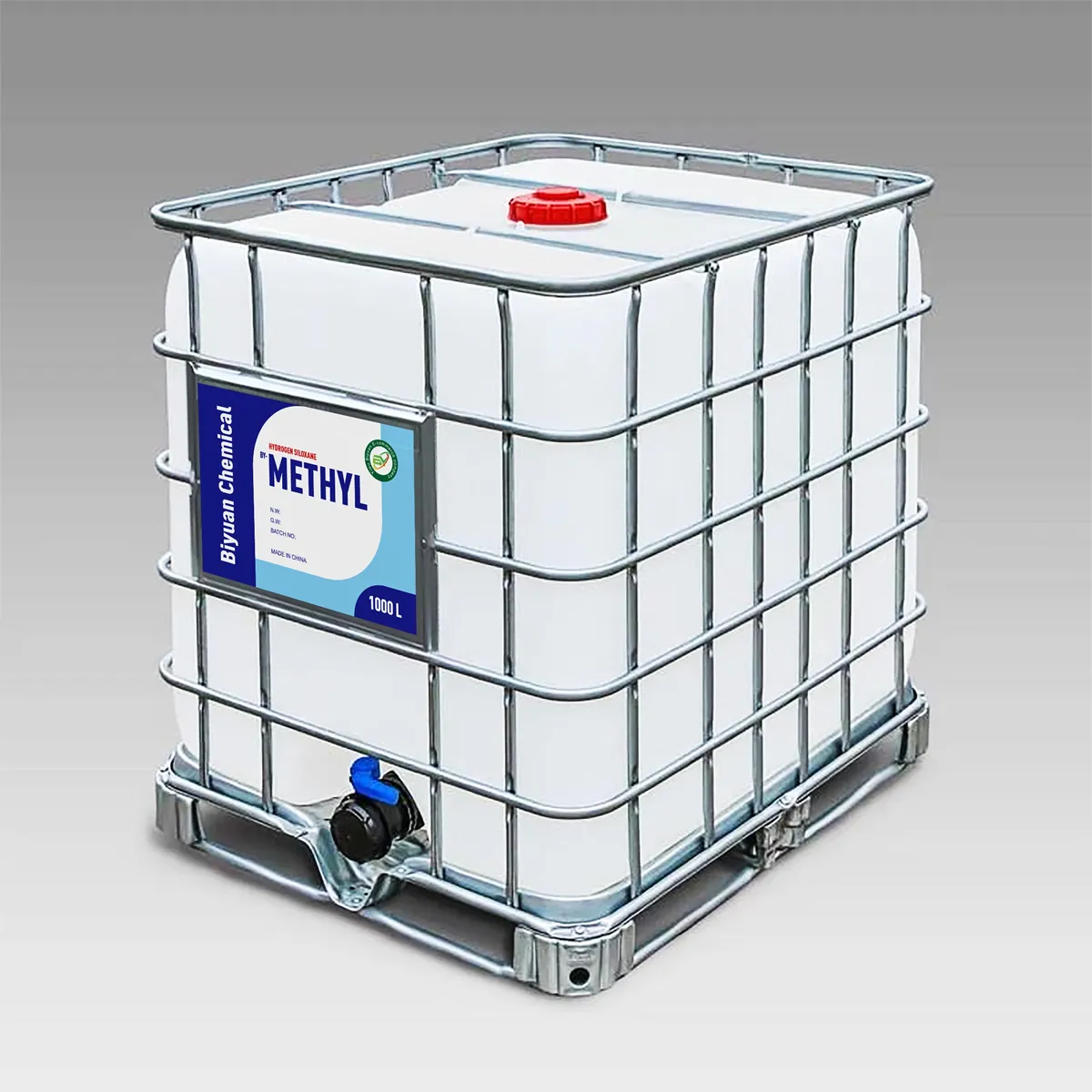
Methyl hydrogen siloxane serves as a multifunctional additive that significantly improves processing characteristics and final properties in silicone rubber applications. This specialized silicone fluid features reactive Si-H groups that enable efficient cross-linking through hydrosilylation reactions with vinyl-functionalized silicone rubbers. .
Medical-grade Methyl hydrogen siloxane serves as a versatile functional material in healthcare applications, combining high purity with reactive Si-H groups for enhanced performance. This specialized silicone fluid enables precise cross-linking in implantable devices, provides controlled drug release matrices, and creates anti-fouling surface coa.
Methyl hydrogen siloxane serves as a versatile functional additive in personal care products, leveraging its unique Si-H reactivity and silicone properties to deliver enhanced performance across various applications. This specialized material acts as an effective cross-linker in hair care products, creating durable yet flexible films that provide.
Methyl hydrogen siloxane serves as a innovative processing aid that enhances both the efficiency of leather manufacturing and the quality of finished products. This reactive silicone fluid improves leather softness and flexibility through effective fiber lubrication and molecular-level modification. Its unique chemical properties enable superior .