
Methyl Hydrogen Silicone Fluid Factory
Methyl Hydrogen Silicone Fluid
Everything you need to know about our products and company
The 2025 Sustainability Awards represent a pivotal moment for the chemical industry, particularly for manufacturers of Methyl Hydrogen Silicone Fluid (PMHS). As global demand for sustainable solutions intensifies, these awards recognize companies that are pioneering eco-friendly production methods, reducing environmental impact, and advancing green technologies in the silicone fluid sector. The awards ceremony, scheduled for March 19, 2025, in London, will showcase the most innovative and sustainable practices in the industry.
The global Methyl Hydrogen Silicone Fluid market is experiencing robust growth, projected to reach USD 0.33 billion in 2025 and expand to approximately USD 0.73 billion by 2034, advancing at a compound annual growth rate (CAGR) of 9%. This growth is primarily driven by increasing demand from end-use industries such as automotive, construction, textiles, and electronics.
Asia Pacific dominates the market with over 33% of the global share, led by rapid construction activity and infrastructure expansion across China and India. The automotive sector alone accounts for over 42% of silicone fluid applications, utilizing these materials in tire dressings, upholstery conditioners, and wax coatings.
Methyl Hydrogen Silicone Fluid serves as a critical component in sustainable textile finishing, providing water repellency while maintaining fabric breathability. In the construction sector, it functions as a waterproofing agent for gypsum boards and advanced building materials, contributing to energy-efficient structures with enhanced durability.
The automotive industry leverages PMHS for high-temperature applications, including engine parts and sealants, where thermal stability and chemical resistance are essential. In electronics, these fluids provide protective coatings, encapsulants, and thermal management solutions for increasingly complex devices.
Manufacturers are intensifying research and development efforts, with startups and R&D divisions increasing innovation output by 37% since 2020. According to the U.S. Environmental Protection Agency, over 45% of chemical firms are investing in advanced silicone fluid technologies to enhance environmental safety and product stability.
Key technological advancements include improved synthesis methods, advanced purification techniques, and the development of eco-friendly formulations that reduce volatile organic compound (VOC) emissions and energy consumption during production.
Leading manufacturers are pursuing comprehensive certification frameworks, including ISO 9001, ISO 14001, and IATF 16949 standards. These certifications demonstrate commitment to quality management, environmental responsibility, and automotive industry-specific requirements.
The industry is also focusing on developing products with reduced environmental impact, including formulations with lower toxicity profiles and improved biodegradability. This aligns with growing consumer preferences for green products and regulatory requirements for sustainable chemical production.
The global PMHS market features a concentrated competitive landscape, with Wynca, Shin Etsu, Wacker, and Momentive collectively accounting for over 45% of global production. These companies are implementing strategic initiatives including production capacity expansion, R&D investments, and sustainability-focused product development.
In 2022, global manufacturers increased R&D spending by 22% to enhance eco-friendly silicone applications for automotive and construction industries, reflecting the industry’s commitment to sustainable innovation.
Biyuan has emerged as a key player in the sustainable PMHS manufacturing landscape, implementing comprehensive environmental management systems across its production facilities. The company’s commitment to sustainability is demonstrated through its ISO 14001 certification and ongoing investments in green technology.
Biyuan’s production processes incorporate energy-efficient synthesis methods and advanced waste treatment systems, significantly reducing the environmental footprint of its Methyl Hydrogen Silicone Fluid products. The company has implemented closed-loop water recycling systems and utilizes renewable energy sources in its manufacturing operations, achieving a 30% reduction in carbon emissions compared to industry averages.
The company’s R&D team focuses on developing next-generation PMHS formulations with enhanced environmental profiles, including products with reduced VOC content and improved biodegradability. Biyuan’s sustainable product portfolio includes high-performance silicone fluids that meet stringent international environmental standards while maintaining superior technical performance across diverse applications.
The PMHS industry is poised for continued growth driven by sustainability imperatives. Key trends include the development of bio-based silicone fluids, circular economy initiatives focusing on recycling and reuse, and the integration of digital technologies for process optimization and environmental monitoring.
Manufacturers are also exploring partnerships with research institutions and industry consortia to accelerate sustainable innovation. These collaborations are expected to yield breakthrough technologies in areas such as carbon capture utilization, renewable feedstocks, and energy-efficient production processes.
The 2025 Sustainability Awards will serve as a catalyst for further innovation, recognizing companies that demonstrate exceptional commitment to environmental stewardship, social responsibility, and economic sustainability in the PMHS manufacturing sector.
Our most popular products loved by customers worldwide
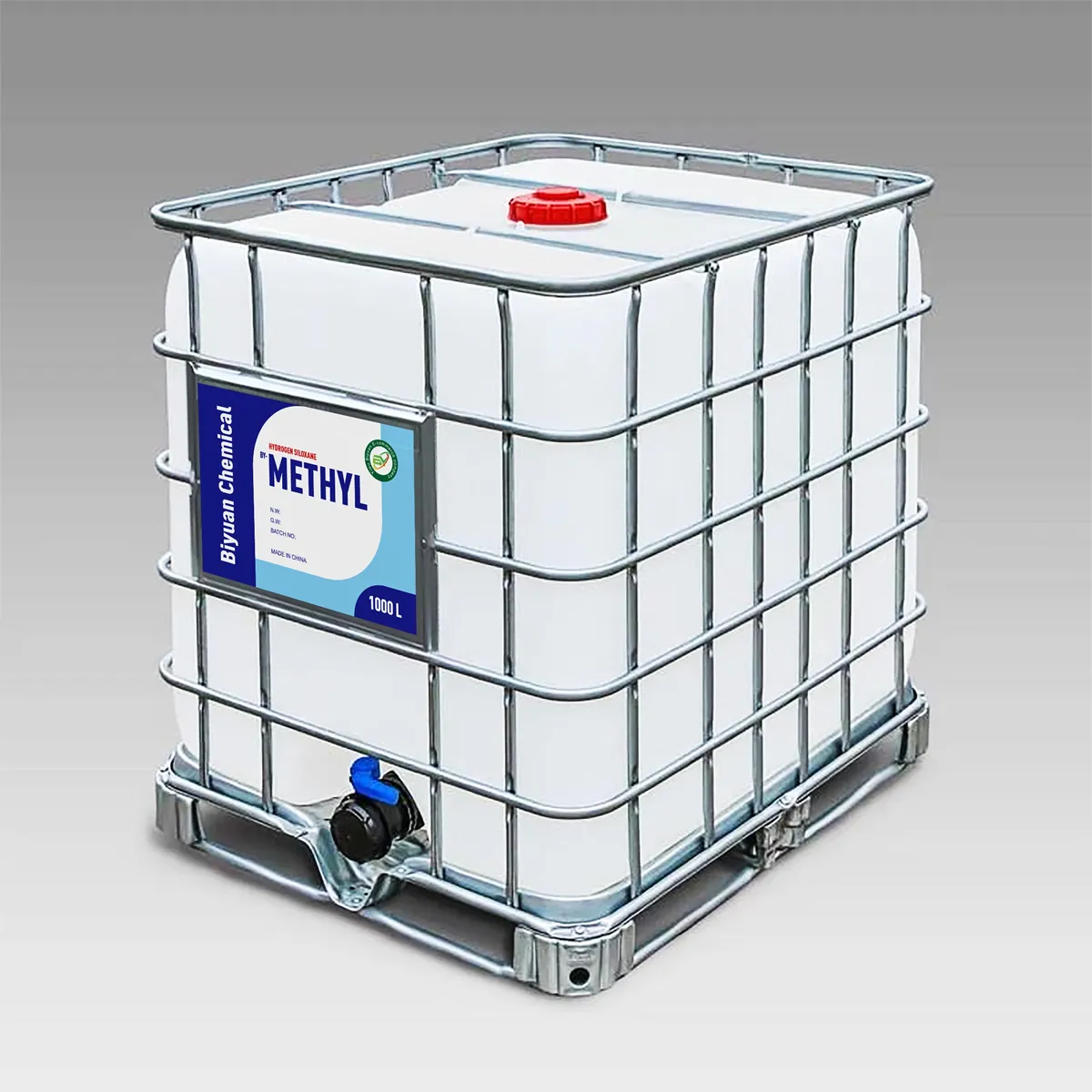
Methyl hydrogen siloxane serves as a multifunctional additive that significantly improves processing characteristics and final properties in silicone rubber applications. This specialized silicone fluid features reactive Si-H groups that enable efficient cross-linking through hydrosilylation reactions with vinyl-functionalized silicone rubbers. .
Medical-grade Methyl hydrogen siloxane serves as a versatile functional material in healthcare applications, combining high purity with reactive Si-H groups for enhanced performance. This specialized silicone fluid enables precise cross-linking in implantable devices, provides controlled drug release matrices, and creates anti-fouling surface coa.
Methyl hydrogen siloxane serves as a versatile functional additive in personal care products, leveraging its unique Si-H reactivity and silicone properties to deliver enhanced performance across various applications. This specialized material acts as an effective cross-linker in hair care products, creating durable yet flexible films that provide.
Methyl hydrogen siloxane serves as a innovative processing aid that enhances both the efficiency of leather manufacturing and the quality of finished products. This reactive silicone fluid improves leather softness and flexibility through effective fiber lubrication and molecular-level modification. Its unique chemical properties enable superior .