
Methyl Hydrogen Silicone Fluid Factory
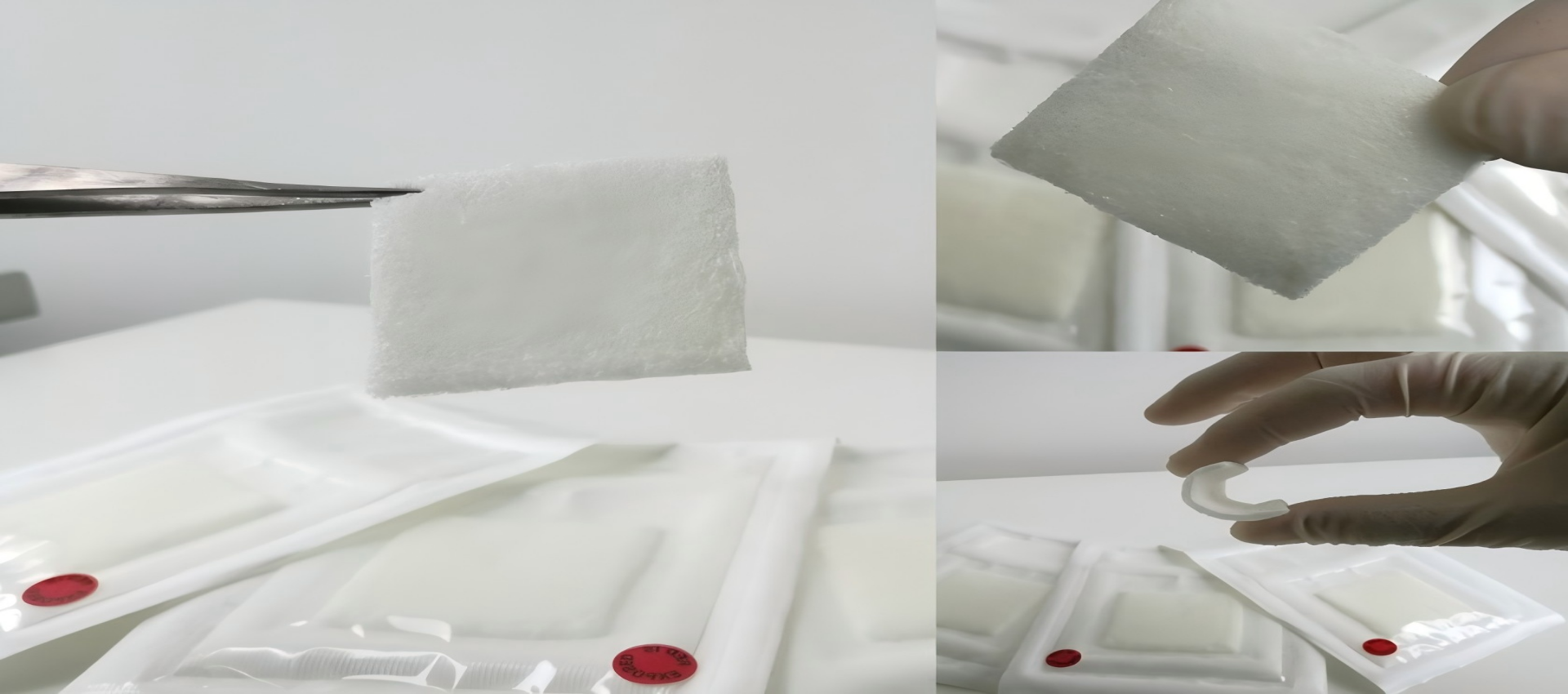
Methyl Hydrogen Silicone Fluid
Everything you need to know about our products and company
Methyl Hydrogen Silicone Fluid (CAS No. 63148-57-2), also known as methyl hydrogen polysiloxane or PMHS, is a highly versatile silicone fluid widely used across multiple industries for its exceptional water repellency, thermal stability, and crosslinking capabilities. This clear, odorless liquid contains active silicon-hydrogen (Si-H) bonds that enable it to form durable waterproof coatings and serve as a key intermediate in silicone rubber production. With applications spanning textiles, construction materials, cosmetics, and electronics, proper storage is critical to maintaining product integrity and ensuring workplace safety.
The global methyl hydrogen silicone fluid market is experiencing robust growth, projected to reach USD 436.6 million by 2028 with a CAGR of 8.7%, driven by increasing demand from the automotive, construction, and textile sectors. As manufacturers like Biyuan continue to expand production capacity to meet this growing demand, understanding proper storage protocols becomes essential for both suppliers and end-users.
Methyl hydrogen silicone fluid features a unique molecular structure with trimethyl siloxy end groups and repeating methyl hydrogen siloxane units. The presence of active Si-H bonds (hydrogen content typically 1.55-1.65%) allows it to participate in various chemical reactions under catalytic conditions. This reactivity enables crosslinking with vinyl groups in silicone rubber formulations and reaction with hydroxyl groups on substrate surfaces to form durable hydrophobic coatings.
The fluid exhibits a viscosity range of 20-30 mm²/s at 25°C, with a density of 0.98-1.02 g/cm³. It maintains thermal stability at temperatures up to 150°C for extended periods and has a flash point exceeding 160°C. The volatile content is typically less than 3% when measured at 150°C for 3 hours. These properties make it suitable for applications requiring heat resistance and low surface tension.
Primary Packaging Requirements:
Container Preparation Steps:
Temperature Control:
Moisture Prevention:
Ventilation Requirements:
Incompatible Materials:
Segregation Protocol:
Fire Prevention:
Emergency Response:
Standard Shelf Life:
Quality Monitoring:
Methyl hydrogen silicone fluid is widely used as a water repellent finishing agent for natural and synthetic fibers including cotton, silk, nylon, and polyester. In textile mills, bulk storage requires temperature-controlled environments to maintain product consistency for continuous production processes. Biyuan’s formulations are specifically engineered for textile applications, offering enhanced compatibility with fabric finishing systems.
The fluid serves as a waterproofing agent for gypsum boards, plaster blocks, cement, and marble. Construction material manufacturers typically store large quantities (1000L IBCs) and require dedicated storage areas with proper ventilation to handle bulk quantities safely. The product’s ability to form durable waterproof coatings makes it essential for building materials exposed to moisture.
As a crosslinking agent for addition-cure silicone rubber, methyl hydrogen silicone fluid must maintain precise hydrogen content specifications. Rubber manufacturers implement strict quality control measures, including regular testing of stored material to ensure it meets formulation requirements. Proper storage prevents premature crosslinking and maintains reactivity.
Used as a hydrophobic agent and lubricant in oily-based foundations, the fluid must be stored under conditions that prevent contamination and maintain purity. Cosmetic manufacturers often require smaller batch sizes and more frequent quality testing to meet industry standards.
The methyl hydrogen silicone fluid market is characterized by strong growth driven by increasing demand from end-use industries. Asia-Pacific dominates the market with over 33% share, led by China and India’s rapid industrial development. Key market segments include hydrogen content 1.5%-1.6% (accounting for 57% share) and textile treatment applications.
Major players include Dow, Momentive, Wacker, Shin Etsu, and Wynca, collectively accounting for over 45% of global production. Chinese manufacturers like Biyuan have gained significant market share through competitive pricing and expanding production capacity. The market is witnessing increased R&D investment, with companies focusing on developing eco-friendly formulations and specialty products for niche applications.
For industrial customers procuring methyl hydrogen silicone fluid in bulk quantities, implementing proper storage infrastructure is essential for maintaining product quality and ensuring production continuity. Key considerations include:
Proper storage of methyl hydrogen silicone fluid is critical for maintaining product performance, ensuring workplace safety, and complying with regulatory requirements. By following the step-by-step guidelines outlined in this guide, industrial users can protect their investment, maintain product quality, and support efficient production processes. As the market continues to grow at a CAGR of 8.7%, implementing robust storage protocols becomes increasingly important for businesses across the textile, construction, automotive, and cosmetics industries.
Manufacturers like Biyuan are committed to providing high-quality methyl hydrogen silicone fluid products along with comprehensive technical support to help customers implement best practices in storage and handling. By partnering with experienced suppliers and adhering to established storage protocols, businesses can maximize the value of their silicone fluid investments while ensuring operational safety and regulatory compliance.
Our most popular products loved by customers worldwide
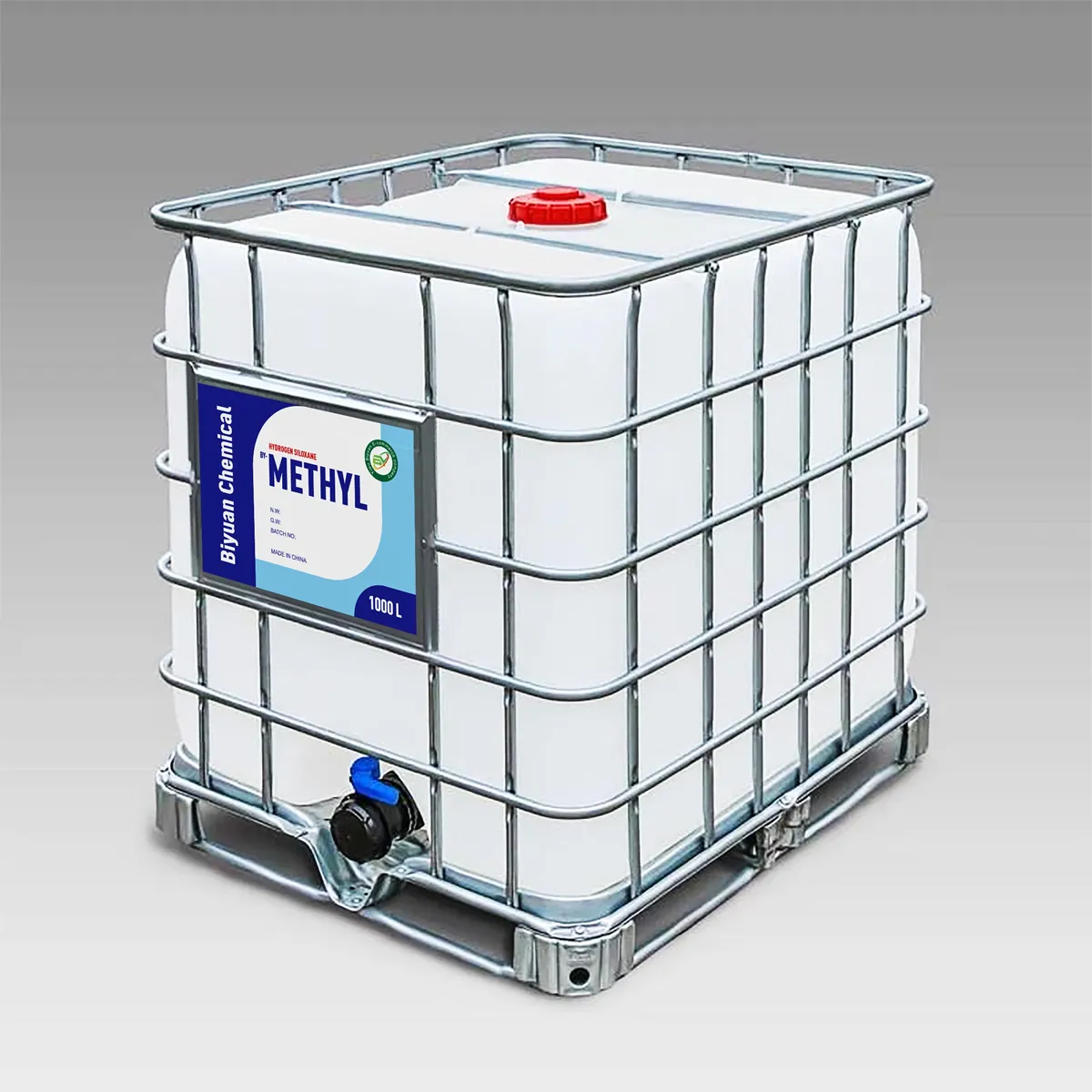
Methyl hydrogen siloxane serves as a multifunctional additive that significantly improves processing characteristics and final properties in silicone rubber applications. This specialized silicone fluid features reactive Si-H groups that enable efficient cross-linking through hydrosilylation reactions with vinyl-functionalized silicone rubbers. .
Medical-grade Methyl hydrogen siloxane serves as a versatile functional material in healthcare applications, combining high purity with reactive Si-H groups for enhanced performance. This specialized silicone fluid enables precise cross-linking in implantable devices, provides controlled drug release matrices, and creates anti-fouling surface coa.
Methyl hydrogen siloxane serves as a versatile functional additive in personal care products, leveraging its unique Si-H reactivity and silicone properties to deliver enhanced performance across various applications. This specialized material acts as an effective cross-linker in hair care products, creating durable yet flexible films that provide.
Methyl hydrogen siloxane serves as a innovative processing aid that enhances both the efficiency of leather manufacturing and the quality of finished products. This reactive silicone fluid improves leather softness and flexibility through effective fiber lubrication and molecular-level modification. Its unique chemical properties enable superior .