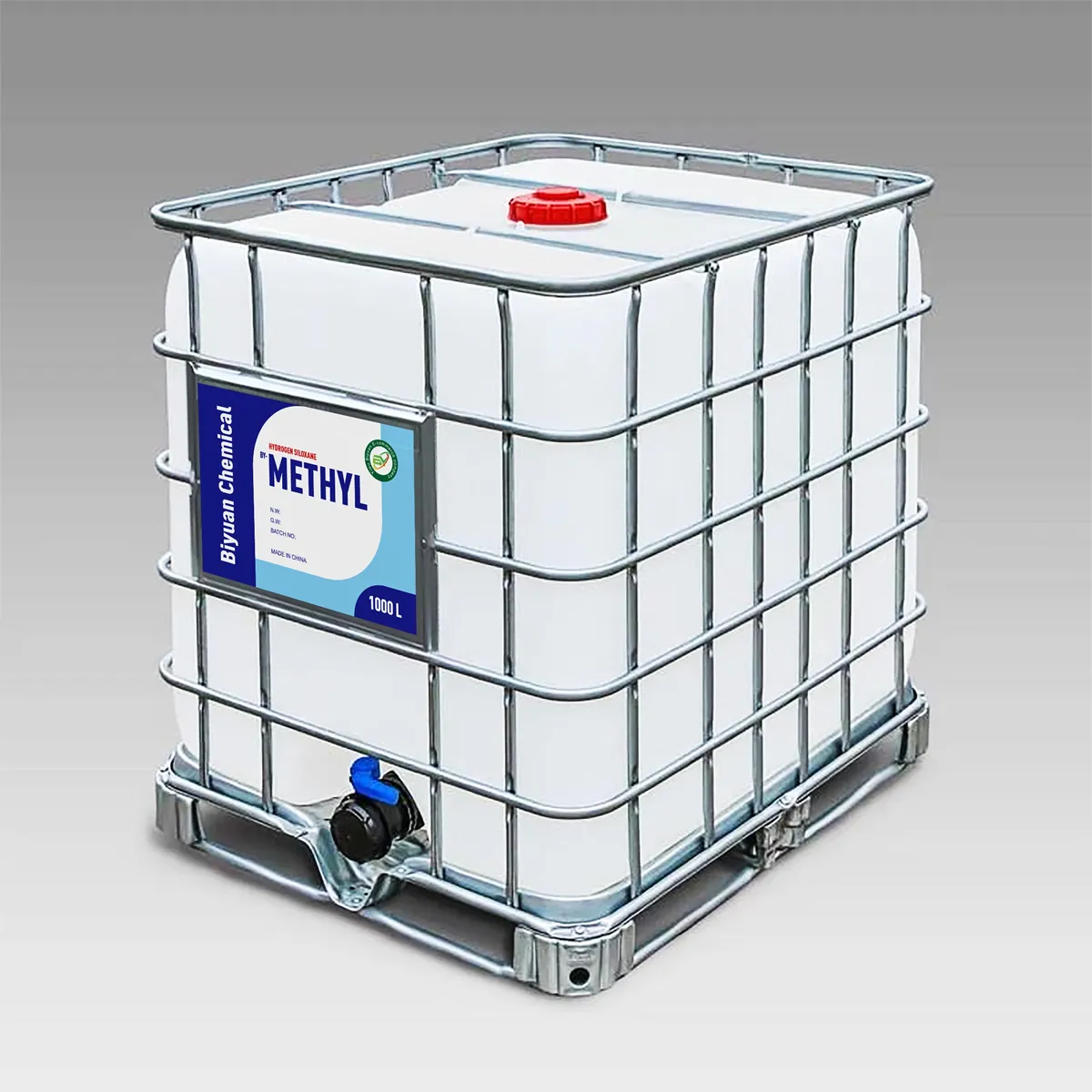
Why Should Textile Dyeing and Printing Mills Choose BIYUAN Methyl Hydrogen Siloxane? - Methyl Hydrogen Silicone Fluid Factory
Methyl Hydrogen Silicone Fluid Factory
Methyl Hydrogen Silicone Fluid
Information Center
Everything you need to know about our products and company
In the highly competitive textile dyeing and printing industry, manufacturers are constantly seeking advanced chemical auxiliaries to enhance fabric quality, improve processing efficiency, and meet increasingly stringent environmental and performance standards. Among the various functional additives available, silicone-based softeners and finishing agents have long been favored for their ability to impart superior hand feel and durability. In particular, Methyl Hydrogen Siloxane has emerged as a versatile and high-performance raw material for textile applications. BIYUAN, as a leading manufacturer of specialized silicone products, offers premium hydrogen-containing silicone oil tailored to the unique demands of modern textile dyeing and printing operations. This article explores the distinct advantages of choosing BIYUAN Methyl Hydrogen Siloxane, focusing on how it enhances fabric performance, optimizes production processes, and supports sustainable manufacturing.
Superior Softening and Finishing Effects
The primary application of Methyl Hydrogen Siloxane in textiles is as a softener and finishing agent. BIYUAN’s product delivers exceptional results in this regard:
Long-lasting Softness: Through its unique chemical structure and reactivity, BIYUAN Methyl Hydrogen Siloxane forms durable bonds with textile fibers, ensuring that the soft and smooth hand feel persists even after multiple washing cycles.
Enhanced Fabric Drape and Elasticity: The application of this silicone oil improves the flexibility and resilience of fabrics, giving them a fuller body and better draping characteristics, which are especially valuable for knitted and woven apparel.
Uniform Application and Compatibility: BIYUAN Methyl Hydrogen Siloxane can be easily integrated into existing dyeing and finishing processes, ensuring even distribution on fabrics without affecting color fastness or other functional properties.
Improved Dyeing and Printing Performance
In addition to softening, Methyl Hydrogen Siloxane can positively influence dyeing and printing outcomes:
Better Color Brilliance and Uniformity: By smoothing the fiber surface, BIYUAN Methyl Hydrogen Siloxane helps dyes and pigments adhere more evenly, resulting in richer colors and reduced patchiness.
Reduced Foam Formation: During dyeing processes, the defoaming properties of silicone oil help minimize foam generation, leading to smoother operations and fewer defects.
Enhanced Print Clarity: For printed textiles, the application of Methyl Hydrogen Siloxane can improve the sharpness and definition of patterns by preventing bleeding or smudging of inks.
Durable Functional Finishes
Beyond aesthetics, hydrogen-containing silicone oil enables the development of functional textiles with enhanced performance:
Water and Stain Repellency: When used in combination with other finishing agents, BIYUAN Methyl Hydrogen Siloxane can enhance the hydrophobic properties of fabrics, making them more resistant to water and stains.
Wrinkle Resistance: The silicone oil helps reduce fabric wrinkling and improves crease recovery, which is particularly beneficial for garments and home textiles that require easy care.
Durability Under Stress: Fabrics treated with BIYUAN Methyl Hydrogen Siloxane exhibit better resistance to abrasion, tearing, and pilling, extending the lifespan of textile products.
Production Efficiency and Cost-effectiveness
Textile mills operate under tight margins and demanding production schedules. BIYUAN Methyl Hydrogen Siloxane contributes to operational efficiency in several ways:
Easy Application and Rapid Curing: The product can be applied via padding, dipping, or spraying, and it cures quickly under standard textile drying conditions, reducing processing time and energy consumption.
Reduced Chemical Usage: Due to its high efficiency, a relatively small amount of BIYUAN Methyl Hydrogen Siloxane can achieve the desired softening and finishing effects, leading to cost savings in raw material consumption.
Minimal Impact on Machinery: The low viscosity and non-sticky nature of the silicone oil help prevent buildup on rollers, nozzles, and other equipment, reducing maintenance requirements and downtime.
Conclusion
For textile dyeing and printing mills, BIYUAN Methyl Hydrogen Siloxane offers a powerful combination of superior softening, enhanced functional performance, and production efficiency. Its ability to improve fabric aesthetics, durability, and processing outcomes makes it an invaluable tool for meeting the evolving demands of the textile industry. By partnering with BIYUAN, mills gain not only a high-performance silicone product but also the technical expertise and support needed to innovate and excel in a competitive market. Whether for everyday apparel, luxury fabrics, or technical textiles, BIYUAN Methyl Hydrogen Siloxane provides a reliable and sustainable solution for achieving excellence in textile finishing.
Proper Storage Solutions for Methyl Hydrogen Silicone Fluid: A Comprehensive Guide
Methyl Hydrogen Silicone Fluid (MH Silicone Fluid), a versatile polymer with high hydrogen content, is widely used in industries ranging from textiles and construction to cosmetics and electronics. Its unique properties—such as water repellency, thermal stability, and co.
Understanding Methyl Hydrogen Silicone Fluid: Density and Key Properties
Methyl Hydrogen Silicone Fluid (MH Silicone Fluid) is a specialized silicone-based material widely recognized for its versatility in industrial and commercial applications. At the heart of its functionality lies its unique physical and chemical properties, with density at 25°C bei.
The cosmetic industry is characterized by its dynamic innovation, stringent quality standards, and ever-evolving consumer demands for products that deliver both performance and safety. Within this competitive landscape, cosmetic ingredient distributors play a pivotal role as intermediaries, connecting manufacturers with formulators and brands. The selectio.
Does MH Silicone Fluid Resist UV Degradation? A Comprehensive Analysis
In the world of high-performance materials, Methyl Hydrogen Silicone Fluid (MHSF) has carved out a critical niche due to its exceptional versatility. A question frequently posed by engineers and product developers is: Can MH Silicone Fluid resist UV degradation? The answer is a d.
In the highly competitive textile dyeing and printing industry, manufacturers are constantly seeking advanced chemical auxiliaries to enhance fabric quality, improve processing efficiency, and meet increasingly stringent environmental and performance standards. Among the various functional additives available, silicone-based softeners and finishing agents .
How Safe Is Methyl Hydrogen Silicone Fluid for Food Applications?
Methyl Hydrogen Silicone Fluid (MH Silicone Fluid), a specialized silicone-based material, has gained attention for its potential use in food-contact applications. But what makes it suitable—or unsuitable—for such uses? Let’s explore its safety, regulatory compliance, and practical appl.
In the world of construction materials, concrete durability remains a paramount concern for engineers, architects, and builders. While concrete is renowned for its strength, its porous nature makes it vulnerable to water infiltration, chemical attacks, and environmental degradation. This is where Methyl Hydrogen Silicone Fluid emerges as a transforma.
Ensuring Quality: How to Verify the Purity of Methyl Hydrogen Silicone Fluid
In the industrial and chemical sectors, the purity of Methyl Hydrogen Silicone Fluid is paramount for performance and safety. This versatile organosilicon polymer, known for its reactive Si-H bonds and hydrophobic properties, is critical in textiles, cosmetics, electronics, .
In the rapidly evolving green energy sector, innovation often comes from unexpected places. One such material poised to make significant contributions is Methyl Hydrogen Silicone Fluid (MH Silicone Fluid). This specialized silicone fluid is increasingly recognized as a critical enabler across multiple sustainable technologies, from energy storage to effici.
Common Causes and Solutions for Uneven Application of Methyl Hydrogen Silicone Fluid
Methyl Hydrogen Silicone Fluid (MHFS) is widely used in industries like textiles, ceramics, and construction for its water-repellent and adhesive properties. However, uneven application can compromise product performance and lead to costly rework. Below is a comprehensi.
Thermal Stability of Methyl Hydrogen Silicone Fluid: A Comprehensive Analysis
Introduction to Methyl Hydrogen Silicone Fluid
Methyl Hydrogen Silicone Fluid is an organic silicon polymer characterized by its unique molecular structure containing both methyl groups (-CH₃) and active silicon-hydrogen bonds (Si-H). This combination provides an exceptiona.
How Methyl Hydrogen Silicone Fluid Is Adapting to Sustainability Demands
The global chemical industry is undergoing a profound transformation driven by sustainability imperatives, and Methyl Hydrogen Silicone Fluid(MH Silicone Fluid) is at the forefront of this shift. As a versatile silicone polymer critical to industries from textiles to electronics, t.
How Methyl Hydrogen Silicone Fluid is Engineered: Processes and Applications
Methyl Hydrogen Silicone Fluid (MH Silicone Fluid), a specialized silicone polymer, plays a pivotal role in industries ranging from textiles to electronics. Its unique properties—such as hydrophobicity, thermal stability, and cross-linking capabilities—make it indispensable fo.
Understanding Hydrogen Content in Methyl Hydrogen Silicone Fluids
Methyl Hydrogen Silicone Fluids (MH Silicone Fluids) are specialized polymers widely recognized for their unique balance of stability and reactivity. A critical parameter defining their performance is hydrogen content, which directly influences their chemical behavior, application scope.
Understanding the Limitations of Methyl Hydrogen Silicone Fluid in Industrial Applications
Methyl Hydrogen Silicone Fluid (MH Silicone Fluid) has established itself as a critical material across diverse industries, from textiles and electronics to construction and cosmetics. As a specialized silicone polymer containing active silicon-hydrogen (Si-H) bon.
What Are the Benefits of Methyl Hydrogen Silicone Fluid for Metal Surfaces?
Methyl Hydrogen Silicone Fluid (MH Silicone Fluid) has emerged as a game-changing solution in industrial applications, particularly for metal surface treatments. Its unique chemical properties and versatility make it indispensable across sectors like construction, automotive, .
How to Achieve Optimal Mixing of Methyl Hydrogen Silicone Fluid with Solvents
Methyl Hydrogen Silicone Fluid (MH Silicone Fluid) is a versatile organosilicon compound widely used in industries ranging from construction to textiles due to its exceptional hydrophobic properties and chemical stability. Mixing it with solvents requires careful consideratio.
How to Dispose of Methyl Hydrogen Silicone Fluid Safely: A Comprehensive Guide
Methyl Hydrogen Silicone Fluid (MH Silicone Fluid), a critical industrial lubricant and waterproofing agent, requires careful handling and disposal due to its environmental persistence and regulatory constraints. Improper disposal can lead to soil/water contamination, regula.
How Temperature Influences Methyl Hydrogen Silicone Fluid Performance
Methyl Hydrogen Silicone Fluid (MH Silicone Fluid) is a specialized synthetic polymer renowned for its versatility in industrial and commercial applications. Its unique molecular structure—combining methyl groups (-CH₃) and reactive silicon-hydrogen (Si-H) bonds—enables exceptional t.
How MH Silicone Fluid Excels in High-Humidity Environments: A Comprehensive Guide
In industries where moisture control is critical—construction, textiles, electronics, and more—Methyl Hydrogen Silicone Fluid (MHHSF) has emerged as a game-changing solution. But can it withstand high-humidity environments? Let’s dive into its scientific properties, app.
Title Interpretation & Executive Summary
The search for reliable PMHS (Polymethylhydrosiloxane) suppliers in North America requires a comprehensive understanding of both the technical specifications of Methyl Hydrogen Silicone Fluid and the stringent quality standards demanded by the automotive industry. This article explores how leading suppliers a.
The 2025 Sustainability Awards represent a pivotal moment for the chemical industry, particularly for manufacturers of Methyl Hydrogen Silicone Fluid (PMHS). As global demand for sustainable solutions intensifies, these awards recognize companies that are pioneering eco-friendly production methods, reducing environmental impact, and advancing green technol.
Sustainable Innovation: The Growing Market for Biodegradable PMHS Formulations
In recent years, the global push for sustainability has catalyzed significant advancements in polymer science, particularly in the development of biodegradable polymer materials. Among these, Methyl Hydrogen Silicone Fluid (PMHS) has emerged as a key player, with innovative f.
How the Pandemic Reshaped Medical Packaging: The Rise of Methyl Hydrogen Silicone Fluid
The COVID-19 pandemic served as a pivotal moment for the global healthcare industry, triggering unprecedented demand for advanced medical packaging solutions. At the heart of this transformation lies Methyl Hydrogen Silicone Fluid (PMHS), a specialized silicone polym.
Global Surge in Methyl Hydrogen Silicone Fluid Demand Driven by Green Technology and Electronics
The global market for Polymethylhydrosiloxane (PMHS), commonly known as Methyl Hydrogen Silicone Fluid, is experiencing a significant upswing in 2025. This versatile organic silicone polymer, renowned for its exceptional thermal stability, chemical inertness.
Innovations in Low-VOC Methyl Hydrogen Silicone Fluid for Global Compliance
Introduction
The global demand for environmentally responsible chemical solutions is transforming the specialty chemicals sector. Methyl hydrogen silicone fluid (PMHS), a versatile organosilicon compound, is undergoing significant reformulation to meet increasingly stringen.
Introduction
Methyl Hydrogen Silicone Fluid (CAS No. 63148-57-2), also known as methyl hydrogen polysiloxane or PMHS, is a highly versatile silicone fluid widely used across multiple industries for its exceptional water repellency, thermal stability, and crosslinking capabilities. This clear, odorless liquid contains active silicon-hydrogen (Si-H) bonds.
The convergence of Industry 4.0 and advanced materials like Methyl Hydrogen Silicone Fluid (PMHS) is revolutionizing the waterproofing industry. This transformation is driven by the integration of cyber-physical systems, IoT, and data analytics into manufacturing and application processes, leading to unprecedented levels of efficiency, quality, and sustain.
Understanding PMHS Viscosity: Selecting the Optimal Grade for Industrial Applications
Introduction
Polymethylhydrosiloxane (PMHS), commonly known as Methyl Hydrogen Silicone Fluid, is a versatile organosilicon compound with unique properties that make it invaluable across numerous industries. The viscosity of PMHS plays a crucial role in determining .
The global shipping landscape for Methyl Hydrogen Silicone Fluid (PMHS) faces unprecedented challenges in 2025, driven by complex logistics disruptions and volatile tariff policies. As the market for this essential chemical compound continues to expand—projected to reach USD 520 million by 2031 with an 8.5% CAGR—supply chain professionals must navigate a p.
Beyond Traditional Silicones: How Methyl Hydrogen Silicone Fluid Drives Sustainable Cosmetic Innovation
In an era where “clean beauty” and “eco-conscious formulation” have shifted from niche demands to industry norms, cosmetic developers face a pressing challenge: balancing performance with planetary responsibility. As consumers .
The Pivotal Role of Platinum Catalysts in PMHS Cross-Linking: Technology, Applications, and Market Trends
Introduction to Platinum-Catalyzed PMHS Cross-Linking
The cross-linking of poly(methylhydrosiloxane), commonly known as methyl hydrogen silicone fluid (MH fluid), represents a sophisticated chemical process where platinum catalysts play an indi.
Methyl Hydrogen Silicone Fluid: 2025 Market Analysis and Price Forecast
Executive Summary
The global methyl hydrogen silicone fluid market is poised for significant growth in 2025, driven by expanding demand from key industries including textiles, construction, electronics, and personal care. With technological advancements and sustainability initiat.
Methyl Hydrogen Silicone Fluid: Certifications and Compliance for Sustainable Construction
Introduction to Green Building Materials and PMHS
The global construction industry is undergoing a fundamental transformation toward sustainability, driven by increasingly stringent environmental regulations and growing consumer demand for eco-friendly building.
Introduction
Methyl Hydrogen Silicone Fluid, an organic silicon polymer containing active silicon-hydrogen (Si-H) bonds, has gained significant attention for its unique combination of reactivity and stability. This versatile material, with its molecular structure featuring both methyl groups (-CH₃) and active Si-H bonds, demonstrates exceptional perfor.
Understanding How PMHS Elevates Thermal Resilience in Modern Motor Oils
For drivers and automotive enthusiasts, the phrase “heat is the enemy” isn’t just a catchy saying—it’s a reality. Modern engines operate at higher temperatures than ever, thanks to turbocharging, downsizing, and high-performance demands. This constant exposure to extreme heat can de.
Introduction to the PMHS Landscape in China
The Chinese poly(methylhydrosiloxane) (PMHS) market has evolved into a global powerhouse, driven by robust manufacturing capabilities and growing demand across diverse industries. Known commercially as Methyl Hydrogen Silicone Fluid, this specialized silicone intermediate has become indispensable in sectors ra.
Optimizing Industrial Cooling Efficiency: How Methyl Hydrogen Silicone Fluid Drives Energy Savings
In today’s energy-conscious industrial landscape, cooling systems account for a staggering 30-50% of total energy consumption in facilities like manufacturing plants, data centers, and chemical refineries. For operators, rising utility costs and regulator.
How a European Textile Brand Mastered the Chinese Market Using Methyl Hydrogen Silicone Fluid
Introduction: The Technical Textile Breakthrough
In the highly competitive global textile industry, European brands constantly seek innovative approaches to penetrate lucrative markets like China. One notable success story involves a forward-thinking Europea.
The global chemical industry is undergoing a transformative shift toward sustainable manufacturing, and suppliers of Polymethylhydrosiloxane (PMHS), commonly known as Methyl Hydrogen Silicone Fluid, are at the forefront of this change. Through strategic localization of production and technological innovation, these companies are significantly reducing thei.
Methyl hydrogen siloxane serves as a multifunctional additive that significantly improves processing characteristics and final properties in silicone rubber applications. This specialized silicone fluid features reactive Si-H groups that enable efficient cross-linking through hydrosilylation reactions with vinyl-functionalized silicone rubbers.
.
Medical-grade Methyl hydrogen siloxane serves as a versatile functional material in healthcare applications, combining high purity with reactive Si-H groups for enhanced performance. This specialized silicone fluid enables precise cross-linking in implantable devices, provides controlled drug release matrices, and creates anti-fouling surface coa.
Methyl hydrogen siloxane serves as a versatile functional additive in personal care products, leveraging its unique Si-H reactivity and silicone properties to deliver enhanced performance across various applications. This specialized material acts as an effective cross-linker in hair care products, creating durable yet flexible films that provide.
Methyl hydrogen siloxane serves as a innovative processing aid that enhances both the efficiency of leather manufacturing and the quality of finished products. This reactive silicone fluid improves leather softness and flexibility through effective fiber lubrication and molecular-level modification. Its unique chemical properties enable superior .

Contact Us
We're here to help with any questions or inquiries you may have
Contact Information
Address
No. 116, Jiangdong Street, Yiwu City, Jinhua City, Zhejiang Province,China