Everything you need to know about our products and company
Methyl silicone oil forms an oriented lubricating film on fiber surfaces and reduces the friction coefficient between fibers, delivering a notable enhancement in fabric softness at the molecular level. The subjective hand-feel score of treated cotton fabrics can rise from 3.5 to 8.2.
Practical Softness Performance
Smoothness: Treated fabrics feel free of dry and dragging resistance when touched, with smooth glide, greatly improving the wearing comfort of next-to-skin garments.
Fullness: After penetrating into fiber interstices, the silicone oil forms elastic supporting nodes at fiber crossover points, endowing the fabric with fluffy, springy “air-like volume” instead of limp, lifeless softness.
Improved elasticity: With reduced friction between fibers, the fabric recovers more easily after bending under external force. Its pilling resistance grade can be upgraded from Grade 2.0 to Grade 3.8, resisting deformation after long-term wear.
Key Industrial Application Details
Common processes: The pad-dry-cure method is widely adopted. The methyl silicone oil emulsion is diluted to an appropriate concentration, the fabric is fully soaked and then squeezed by rollers for uniform pickup. Spraying and exhaust dyeing methods are also available to suit diverse production scenarios.
Dosage control: A loading of 1.5% owf (on weight of fabric) delivers desirable results. Overdosage will create an excessively thick lubricating film and impair fabric air permeability.
Process compatibility: Its high and low temperature resistance fits high-temperature processes such as dyeing and heat setting. Its chemical inertness prevents reactions with dyes and other auxiliaries, securing stable dyeing and finishing operations.
Wash durability: Properly treated fabrics retain over 90% of their softness after 5 industrial washing cycles, delivering long-lasting performance.
Understanding the Key Chemical Properties of Methyl Hydrogen Silicone Fluid
Methyl Hydrogen Silicone Fluid (MH Silicone Fluid), a specialized derivative of silicone polymers, is renowned for its unique chemical structure and versatility across industrial applications. Its distinct properties make it indispensable in fields ranging from waterproofing to.
In the rapidly evolving landscape of high-performance materials, methyl hydrogen silicone fluid has carved out a unique and indispensable role. This remarkable silicone derivative, characterized by its active Si-H bonds, is powering advancements across diverse industries—from textiles and electronics to automotive and aerospace. But what sets it apart from.
Methyl Hydrogen Silicone Fluid (MH Silicone Fluid) has emerged as a critical material in industries ranging from textiles to electronics due to its unique properties, such as thermal stability, water repellency, and chemical inertness. However, concerns about volatile organic compound (VOC) emissions during its production, application, and disposal have sp.
In the world of specialty silicone chemistry, the quality and consistency of your raw materials don’t just influence your product—they define it. For formulators, manufacturers, and R&D teams working across industries from textiles and electronics to automotive and renewable energy, selecting the right reactive silicone intermediate can determine.
Measuring Surface Tension of Methyl Hydrogen Silicone Fluid: Methods and Applications
Understanding Methyl Hydrogen Silicone Fluid
Methyl Hydrogen Silicone Fluid, also known as polymethylhydrogensiloxane, is a versatile organosilicon compound where some methyl groups in dimethyl silicone oil are replaced by hydrogen atoms. This chemical modification .
Optimizing Methyl Hydrogen Silicone Fluid for High-Temperature Applications
Understanding Methyl Hydrogen Silicone Fluid’s Thermal Properties
Methyl Hydrogen Silicone Fluid (PMHS) possesses unique characteristics that make it particularly valuable for high-temperature industrial applications. Unlike conventional dimethyl silicone oils, this spe.
Understanding Hydrogen Content in Methyl Hydrogen Silicone Fluids
Methyl Hydrogen Silicone Fluids (MH Silicone Fluids) are specialized polymers widely recognized for their unique balance of stability and reactivity. A critical parameter defining their performance is hydrogen content, which directly influences their chemical behavior, application scope.
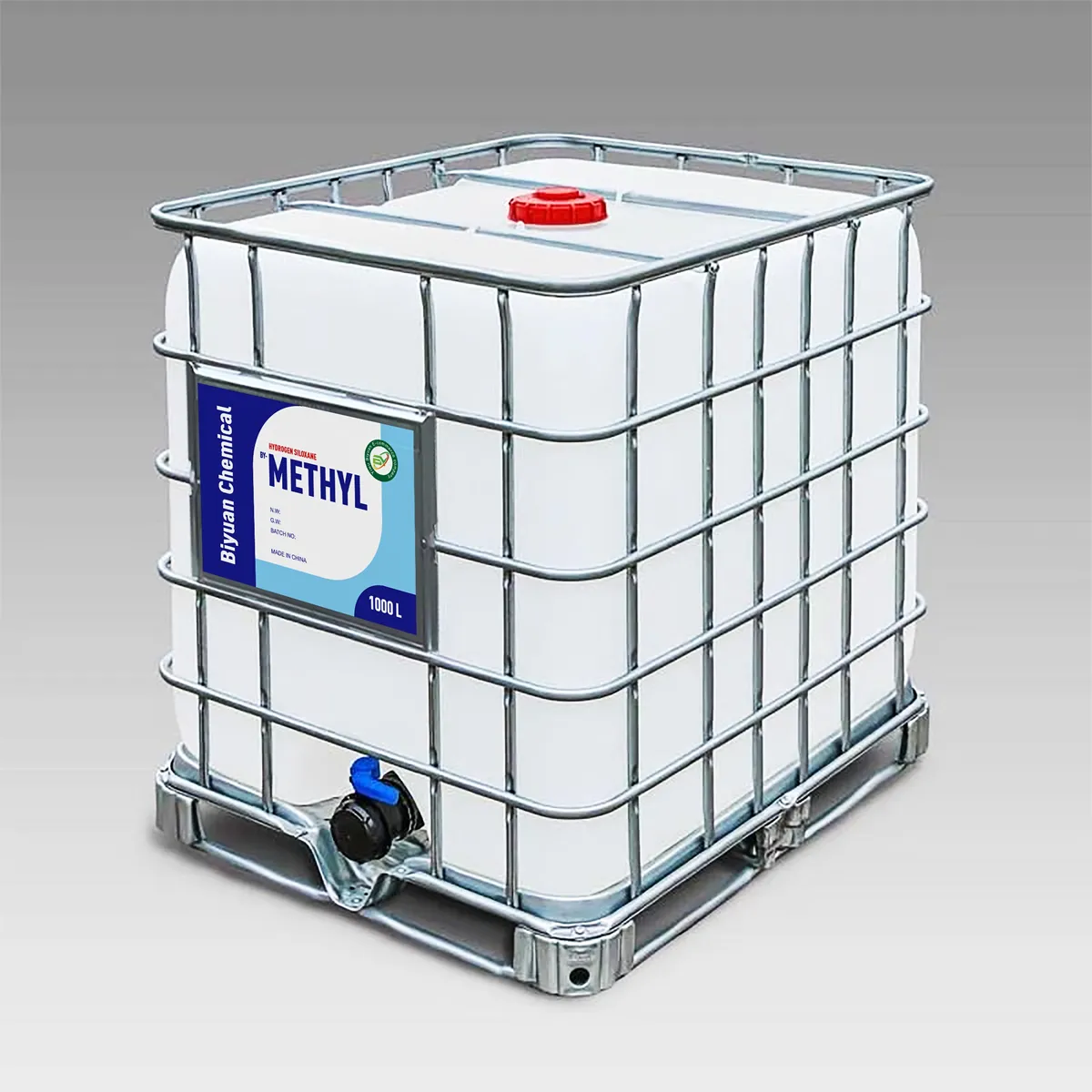
Methyl Hydrogen Silicone Fluid, a versatile compound widely used in industries such as textiles, construction, and cosmetics, requires specialized packaging to ensure safety, stability, and compliance. Understanding the available packaging options and their applications is critical for manufacturers, distributors, and end-users. Below, we explore tailored .
Understanding the Flash Point of Methyl Hydrogen Silicone Fluid: Key Properties and Applications
Methyl Hydrogen Silicone Fluid (MH Silicone Fluid) is a versatile polymer widely used in industries ranging from cosmetics to aerospace. One of its critical safety and performance parameters is its flash point, which determines its flammability under speci.
How Safe Is Methyl Hydrogen Silicone Fluid for Food Applications?
Methyl Hydrogen Silicone Fluid (MH Silicone Fluid), a specialized silicone-based material, has gained attention for its potential use in food-contact applications. But what makes it suitable—or unsuitable—for such uses? Let’s explore its safety, regulatory compliance, and practical appl.
In the realm of advanced silicone material development, the creation of high-performance elastomers transcends simple chemistry—it represents a strategic engineering discipline where molecular architecture determines functional destiny. For formulators designing addition-cure systems for medical devices, automotive components, electronics encapsulation, an.
Innovations Shaping MH Silicone Fluid R&D
The global Methyl Hydrogen Silicone Fluid market is undergoing a significant transformation, driven by advanced material demands across textiles, electronics, automotive, and construction industries. With the market projected to reach an estimated $0.6 billion by 2031, registering a CAGR of 8.5%, innovation .
How to Dispose of Methyl Hydrogen Silicone Fluid Safely: A Comprehensive Guide
Methyl Hydrogen Silicone Fluid (MH Silicone Fluid), a critical industrial lubricant and waterproofing agent, requires careful handling and disposal due to its environmental persistence and regulatory constraints. Improper disposal can lead to soil/water contamination, regula.
Preventing Yellowing in MH Silicone Fluid-Treated Materials: A Comprehensive Guide
Methyl Hydrogen Silicone Fluid (MH Silicone Fluid) is a versatile high-performance material renowned for its exceptional waterproofing properties and application versatility across textiles, construction, electronics, and leather processing. However, a common challenge f.
In the demanding worlds of rubber, plastic, and composite manufacturing, the quest for the perfect release agent is constant. The ideal solution must prevent materials from sticking to molds without compromising the product’s surface quality, all while ensuring efficiency and cost-effectiveness. Among the various options available, Methyl Hydrogen Si.
Can MH Silicone Fluid Be Used in Pharmaceutical Coatings?
In the rapidly evolving pharmaceutical industry, excipient safety and functional performance are paramount. Methyl Hydrogen Silicone Fluid (MH Silicone Fluid) has emerged as a material of significant interest for advanced coating applications due to its unique chemical properties and safety profi.
Methyl Hydrogen Silicone Fluid: A Critical Enabler for Advanced Aerospace Materials
In the demanding world of aerospace engineering, every component must withstand extreme conditions while contributing to overall performance and safety. Methyl Hydrogen Silicone Fluid has emerged as a critical specialty material enabling advancements in aerospace techn.
Key Factors Influencing Methyl Hydrogen Silicone Fluid Adhesion and Performance
Methyl Hydrogen Silicone Fluid represents a specialized category of silicone polymers characterized by reactive silicon-hydrogen (Si-H) bonds within their molecular structure. This unique chemical composition provides both the stability of conventional methyl silicone oils a.
Understanding the Volatility of Methyl Hydrogen Silicone Fluid: Key Insights and Applications
Methyl Hydrogen Silicone Fluid (MH Silicone Fluid), a specialized type of silicone polymer containing both methyl groups and reactive silicon-hydrogen (Si-H) bonds, is widely recognized for its unique balance of stability and reactivity. One of its most critic.
Understanding Optimal Dosage for Methyl Hydrogen Silicone Fluid in Waterproofing Applications
Waterproofing is a critical aspect of construction and material engineering, and Methyl Hydrogen Silicone Fluid has emerged as a game-changing solution for enhancing water repellency and durability. Determining the correct dosage for specific applications en.
Asian Methyl Hydrogen Silicone Fluid Exports to Europe: Market Dynamics and Future Outlook
Introduction: The Growing Transcontinental Trade
The export flow of Methyl Hydrogen Silicone Fluid from Asia to Europe represents a critical segment of the global specialty chemicals trade, characterized by evolving supply chains, stringent regulatory framework.
According to in-depth research by WENKH, hydrogen-containing silicone oils are classified into six grades based on hydrogen content: 0.01%–0.36%, 0.36%–0.5%, 0.5%–1%, 1%–1.5%, 1.5%–1.6%, and above 1.6%.
Among all grades, products with hydrogen content ranging from 1.5% to 1.6% represent the largest market segment, accounting for approximately 81% of tot.
Innovations in Low-VOC Methyl Hydrogen Silicone Fluid for Global Compliance
Introduction
The global demand for environmentally responsible chemical solutions is transforming the specialty chemicals sector. Methyl hydrogen silicone fluid (PMHS), a versatile organosilicon compound, is undergoing significant reformulation to meet increasingly stringen.
Enhancing Automotive Paint Durability: The Role of PMHS Technology
In the automotive industry, the longevity and aesthetic appeal of paint finishes are critical factors that impact both vehicle value and consumer satisfaction. Achieving durable, high-quality automotive coatings requires advanced chemical solutions that promote superior adhesion between .
Methyl Hydrogen Silicone Fluid: The Unsung Hero Transforming Waterproofing in Textiles and Construction
In industries where durability and performance are non-negotiable—textiles and construction—waterproofing has long been a challenge. Traditional solutions often fall short: coatings peel, treatments wash out, or materials become brittle over time. Ent.
Beyond Traditional Silicones: How Methyl Hydrogen Silicone Fluid Drives Sustainable Cosmetic Innovation
In an era where “clean beauty” and “eco-conscious formulation” have shifted from niche demands to industry norms, cosmetic developers face a pressing challenge: balancing performance with planetary responsibility. As consumers .
Polymethylhydrosiloxane (PMHS), commonly known as Methyl Hydrogen Silicone Fluid, plays a critical role in enhancing the performance and stability of modern cosmetic and pharmaceutical products. This specialized silicone derivative offers unique chemical properties that make it particularly valuable in formulations where pH stability is essential for maint.
The global shipping landscape for Methyl Hydrogen Silicone Fluid (PMHS) faces unprecedented challenges in 2025, driven by complex logistics disruptions and volatile tariff policies. As the market for this essential chemical compound continues to expand—projected to reach USD 520 million by 2031 with an 8.5% CAGR—supply chain professionals must navigate a p.
According to the information from the National Intellectual Property Administration, a Chinese company has filed a patent entitled “A High Hydrogen-Containing Silicone Oil Terminated with Bulky Groups and Its Preparation Method”, with publication number CN122705905A and application date in July 2026.
The patent abstract states: This applicat.
According to in-depth research by WENKH, hydrogen-containing silicone oil is a vital organosilicon intermediate. The global market size hit 3.5 billion RMB in 2025 and is projected to expand at a compound annual growth rate (CAGR) of 7.87% to 6 billion RMB by 2032. It plays a pivotal role in numerous industrial applications including surface treatment, tex.
The 2025 Sustainability Awards represent a pivotal moment for the chemical industry, particularly for manufacturers of Methyl Hydrogen Silicone Fluid (PMHS). As global demand for sustainable solutions intensifies, these awards recognize companies that are pioneering eco-friendly production methods, reducing environmental impact, and advancing green technol.
Optimizing Industrial Cooling Efficiency: How Methyl Hydrogen Silicone Fluid Drives Energy Savings
In today’s energy-conscious industrial landscape, cooling systems account for a staggering 30-50% of total energy consumption in facilities like manufacturing plants, data centers, and chemical refineries. For operators, rising utility costs and regulator.
In the rapidly evolving global chemical industry, Methyl Hydrogen Silicone Fluid (PMHS) stands as a critical material with diverse applications across textiles, automotive, construction, and personal care sectors. As we approach 2026, the market for PMHS is projected to reach USD 0.36 billion, growing at a CAGR of 9% between 2025 and 2034. This growth traj.
Hydrogen-containing silicone oil is an organosilicon compound with Si–H bonds in its molecular structure. Its general chemical formula is expressed as [(CH₃)₂SiO]ₙ[(CH₃)HSiO]ₘ. As an important member of the silicone oil family, it is a colorless transparent liquid at room temperature and features excellent chemical stability, thermal stability and hydropho.
Methyl Hydrogen Silicone Fluid in Medical Device Coatings: Ensuring Safety and Efficacy
Introduction
The use of Methyl Hydrogen Silicone Fluid (PMHS) in medical device coatings represents a significant advancement in healthcare technology, combining unique material properties with critical safety considerations. This specialized silicone fluid has ga.
On July 14, KCC hosted the inaugural Robotics Technology Exchange Seminar at its R&D center located in Giheung-gu, Yongin-si, South Korea. The event brought together the research team led by Professor Park Yongrae from the Robotics Research Institute of Seoul National University, alongside researchers and technical specialists from both parties. Roughl.
Global Surge in Methyl Hydrogen Silicone Fluid Demand Driven by Green Technology and Electronics
The global market for Polymethylhydrosiloxane (PMHS), commonly known as Methyl Hydrogen Silicone Fluid, is experiencing a significant upswing in 2025. This versatile organic silicone polymer, renowned for its exceptional thermal stability, chemical inertness.
Thermal Stability of Methyl Hydrogen Silicone Fluid: Effective Mitigation Strategies
Introduction to Thermal Degradation
Methyl Hydrogen Silicone Fluid (PMHS) is a versatile silicone-based material valued for its unique molecular structure containing active Si-H bonds. These bonds, while enabling various beneficial chemical reactions, also present .
The Critical Role of 1.59% Hydrogen Content in PMHS for Enhanced Waterproofing
Introduction
In the specialized world of silicone chemistry, the hydrogen content in polymethylhydrosiloxane (PMHS) serves as a crucial indicator of performance potential, particularly for waterproofing applications. While PMHS is widely recognized for its water-repellent .
The global chemical industry is undergoing a transformative shift toward sustainable manufacturing, and suppliers of Polymethylhydrosiloxane (PMHS), commonly known as Methyl Hydrogen Silicone Fluid, are at the forefront of this change. Through strategic localization of production and technological innovation, these companies are significantly reducing thei.
Methyl hydrogen siloxane serves as a multifunctional additive that significantly improves processing characteristics and final properties in silicone rubber applications. This specialized silicone fluid features reactive Si-H groups that enable efficient cross-linking through hydrosilylation reactions with vinyl-functionalized silicone rubbers.
.
Medical-grade Methyl hydrogen siloxane serves as a versatile functional material in healthcare applications, combining high purity with reactive Si-H groups for enhanced performance. This specialized silicone fluid enables precise cross-linking in implantable devices, provides controlled drug release matrices, and creates anti-fouling surface coa.
Methyl hydrogen siloxane serves as a versatile functional additive in personal care products, leveraging its unique Si-H reactivity and silicone properties to deliver enhanced performance across various applications. This specialized material acts as an effective cross-linker in hair care products, creating durable yet flexible films that provide.
Methyl hydrogen siloxane serves as a innovative processing aid that enhances both the efficiency of leather manufacturing and the quality of finished products. This reactive silicone fluid improves leather softness and flexibility through effective fiber lubrication and molecular-level modification. Its unique chemical properties enable superior .
Contact Us
We're here to help with any questions or inquiries you may have
Contact Information
Address
No. 116, Jiangdong Street, Yiwu City, Jinhua City, Zhejiang Province,China