
Methyl Hydrogen Silicone Fluid Factory

Methyl Hydrogen Silicone Fluid
Everything you need to know about our products and company
Mainstream quotations decline: As of November 16, the mainstream transaction price of hydrogen-containing silicone oil stands at approximately RMB 17,000 per ton, down from earlier levels. The market features a divergent pattern of “falling upstream prices and sluggish downstream demand”. Industry chain tracking shows that this price decline stems from multiple interacting factors, including raw material costs, market supply, end-user demand and inventory strategies.
On the cost side, upstream DMC prices remain weak, substantially eroding cost support. As the core raw material for hydrogen-containing silicone oil, DMC sets the cost floor for this product. The cost-support effect from previous production curtailments by monomer producers has faded. Negotiable discounts for spot DMC have widened and passed down the silicone value chain, easing cost pressure for hydrogen-containing silicone oil manufacturers and creating room for softer quotations. Auxiliary materials such as hydrogen gas, end-capping agents and additives show limited price volatility and exert little influence on the market trend; the core driver lies in silicone raw material pricing.
Supply is another major drag on the market. The operating rate of hydrogen-containing silicone oil producers stays at a moderate level. Silicone plants integrated with monomer facilities maintain steady output, resulting in ample capacity release and abundant spot supply for general-grade hydrogen-containing silicone oil. Domestic capacity for hydrogen-containing silicone oil has expanded continuously in recent years. General low-hydrogen grades have low entry barriers, with both new and existing production lines continuously ramping up output, creating persistent oversupply pressure. Some manufacturers face rising finished-goods inventory and cash-flow pressure. To destock and secure orders, they offer discounts on firm deals, widening the gap between listed prices and actual transaction prices and creating divergence between quotation benchmarks and real traded values. Traders adopt a cautious trading style, preferring quick turnover and avoiding inventory build-up, which further reinforces the loose spot market sentiment.
Demand remains the core factor behind the market downturn. As an indispensable crosslinker for addition-cure silicone systems, hydrogen-containing silicone oil serves downstream sectors including LSR liquid silicone rubber, electronic potting compounds, thermal conductive silicone gels, textile waterproofing agents, coating hydrophobic modifiers and agrochemical additives. Most end-market orders are weaker than expected. Orders for silicone products for consumer electronics, small home appliances and conventional automotive parts stay sluggish. Following an earlier round of bulk stocking in the LSR sector, downstream product manufacturers have entered an inventory reduction phase, with new project orders slowing down. Although demand for thermal conductive gels and power-device potting in new energy shows long-term growth potential, near-term demand gains lag behind supply expansion and are diluted. Traditional segments such as textile and coating additives are mature stock markets with weak seasonal demand and limited pulling power.
Downstream formulators adopt conservative procurement strategies, purchasing only for immediate production needs. They show little willingness for bulk stockpiling. Large orders are scarce; the market is dominated by small, sporadic and short-term orders. Formulators also cut their raw material inventory, prioritizing existing stock and extending procurement cycles, generating sustained negative feedback for upstream suppliers.
Market analysts expect no material improvement in the supply-demand balance in the short run. The market is likely to stay weak and volatile with downward price pressure. Turning points will hinge on four key signals: first, whether DMC can bottom out and stabilize to rebuild cost support; second, whether orders from core downstream sectors including LSR, electronic packaging and new-energy thermal management recover and trigger restocking among formulators; third, whether major producers initiate voluntary production cuts or maintenance to reduce supply and clear inventory; fourth, whether export orders pick up.
Our most popular products loved by customers worldwide
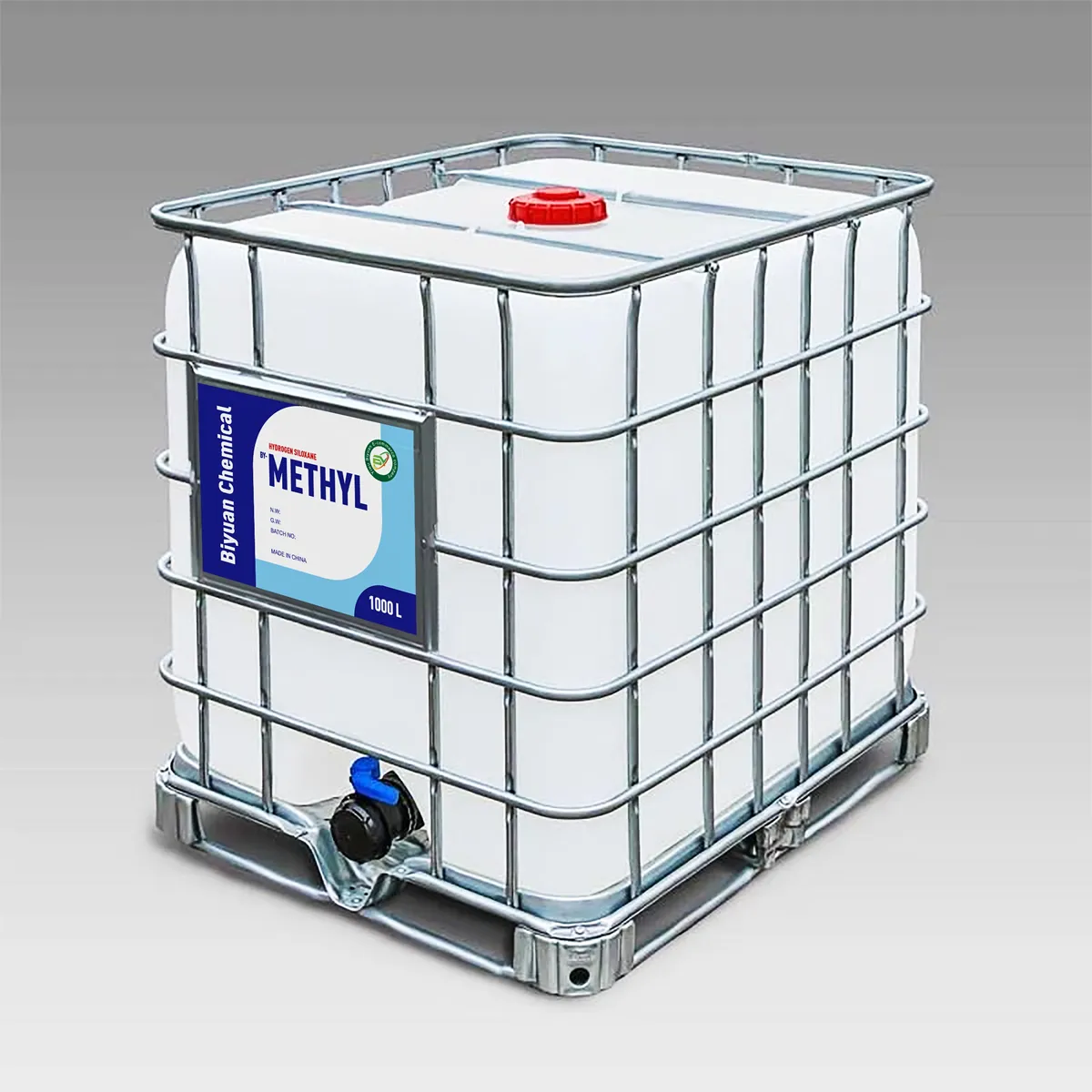
Methyl hydrogen siloxane serves as a multifunctional additive that significantly improves processing characteristics and final properties in silicone rubber applications. This specialized silicone fluid features reactive Si-H groups that enable efficient cross-linking through hydrosilylation reactions with vinyl-functionalized silicone rubbers. .
Medical-grade Methyl hydrogen siloxane serves as a versatile functional material in healthcare applications, combining high purity with reactive Si-H groups for enhanced performance. This specialized silicone fluid enables precise cross-linking in implantable devices, provides controlled drug release matrices, and creates anti-fouling surface coa.
Methyl hydrogen siloxane serves as a versatile functional additive in personal care products, leveraging its unique Si-H reactivity and silicone properties to deliver enhanced performance across various applications. This specialized material acts as an effective cross-linker in hair care products, creating durable yet flexible films that provide.
Methyl hydrogen siloxane serves as a innovative processing aid that enhances both the efficiency of leather manufacturing and the quality of finished products. This reactive silicone fluid improves leather softness and flexibility through effective fiber lubrication and molecular-level modification. Its unique chemical properties enable superior .