How to store MH Silicone Fluid properly? - Methyl Hydrogen Silicone Fluid Factory
Methyl Hydrogen Silicone Fluid Factory
Methyl Hydrogen Silicone Fluid Factory
Methyl Hydrogen Silicone Fluid
Information Center
Everything you need to know about our products and company
Proper Storage Solutions for Methyl Hydrogen Silicone Fluid: A Comprehensive Guide
Methyl Hydrogen Silicone Fluid (MH Silicone Fluid), a versatile polymer with high hydrogen content, is widely used in industries ranging from textiles and construction to cosmetics and electronics. Its unique properties—such as water repellency, thermal stability, and compatibility with diverse materials—make it indispensable. However, improper storage can degrade its quality, leading to inefficiencies and increased costs. This guide outlines best practices for preserving MH Silicone Fluid’s integrity, ensuring maximum value for businesses and end-users.
Key Storage Requirements for MH Silicone Fluid
Temperature ControlMH Silicone Fluid must be stored in a cool, dry environment, ideally between 15°C and 25°C (59°F–77°F). Extreme temperatures can accelerate oxidation or cause premature curing. For bulk storage, temperature-controlled warehouses are recommended to maintain consistency .
Protection from Light and MoistureUltraviolet (UV) exposure and humidity degrade silicone polymers. Use opaque, airtight containers (e.g., HDPE or stainless steel drums) to block light and humidity. Silicones with high hydrogen content, like MH Silicone Fluid, are particularly sensitive to moisture-induced hydrolysis .
Sealing and Contamination Prevention
Airtight Sealing: After use, tightly seal containers to minimize air contact. Residual air can trigger oxidation, leading to viscosity changes or gelling.
Clean Tools: Use dedicated, non-reactive utensils (e.g., glass or stainless steel) for dispensing to avoid cross-contamination with chemicals like acids or solvents .
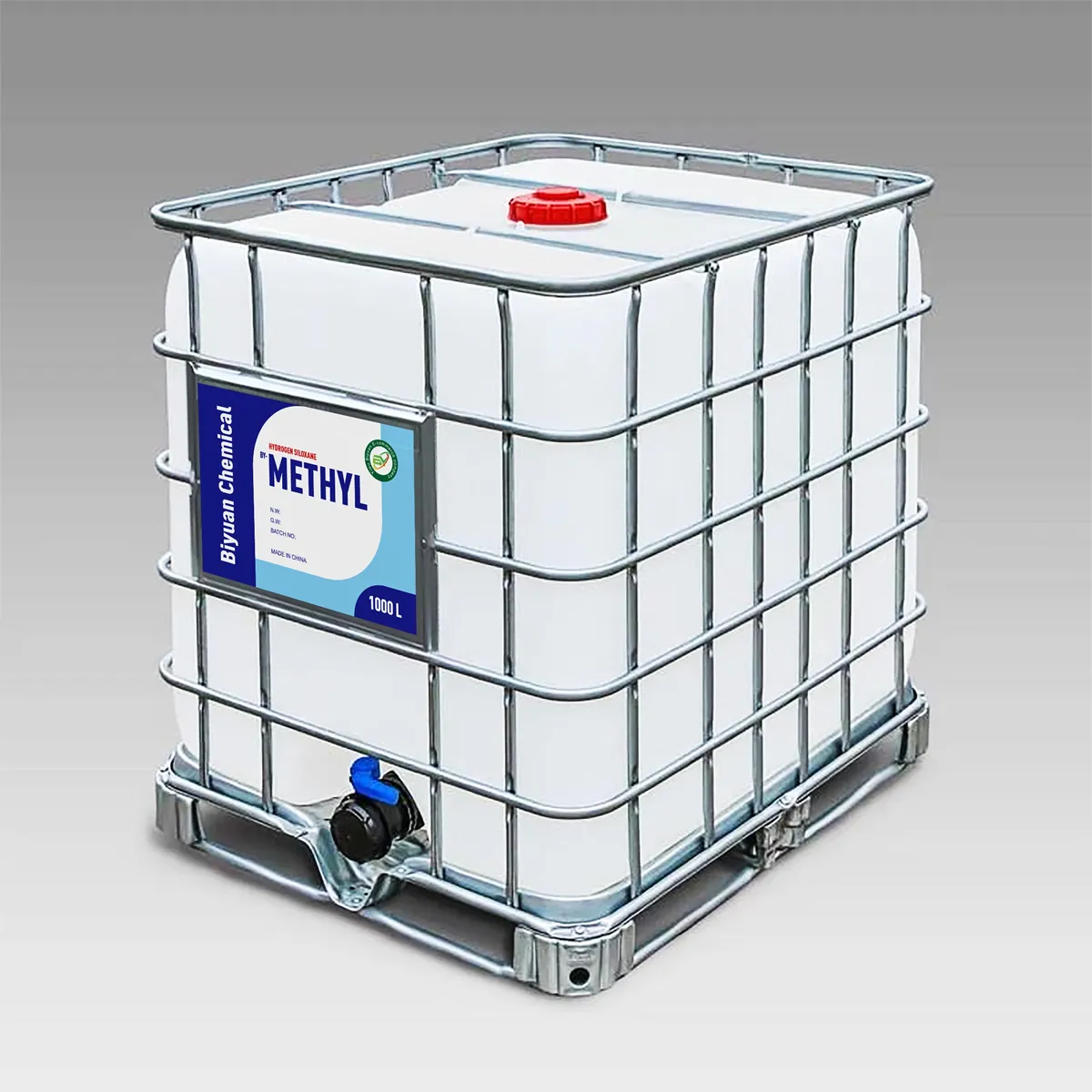
Packaging ConsiderationsMH Silicone Fluid is typically packaged in 200L plastic drums or 1-ton IBCs. Ensure packaging is intact and labeled with batch numbers, expiration dates, and storage instructions. For long-term storage, avoid stacked containers to prevent pressure buildup .
Common Pitfalls and Mitigation Strategies
Oxidation: Exposure to oxygen breaks down silicone chains, reducing hydrophobicity. Store in nitrogen-purged environments for critical applications.
Freezing: Temperatures below 0°C can crystallize the fluid, altering its texture. Use insulated storage for regions with harsh winters.
Chemical Interaction: Keep MH Silicone Fluid away from alcohols, amines, or peroxides, which may provoke unintended reactions .
Applications and Storage-Specific Best Practices
Textile and Leather TreatmentMH Silicone Fluid is used as a waterproofing agent. Post-application, store treated fabrics in low-humidity chambers to retain hydrophobic properties.
Cosmetic FormulationsIn makeup and skincare, silicone fluid stabilizes emulsions. For manufacturers, bulk storage in UV-shielded, temperature-stable facilities ensures product shelf-life consistency.
Industrial CoatingsFor release agents or anti-corrosion coatings, store in dedicated tanks with agitation systems to prevent sedimentation .
Why Partner with Reputable MH Silicone Fluid Suppliers?
Businesses prioritize suppliers offering high-purity MH Silicone Fluid with consistent quality certifications (e.g., ISO 9001). Leading manufacturers like Biyuan ensure:
Customization: Adjust viscosity (20–1000 cSt) and hydrogen content (1.5–1.6%) for specific applications.
Global Logistics: Efficient bulk shipping with IBC or drum options to meet project timelines.
Technical Support: Guidance on storage, handling, and compatibility testing.
For industries requiring scalability, partnering with a trusted supplier guarantees compliance with safety standards and reduces procurement risks.
Maximizing ROI Through Proper Storage
Businesses that adhere to these protocols minimize waste, extend shelf life (up to 12 months), and maintain product performance. Regular audits of storage conditions and supplier partnerships further enhance operational efficiency.
Biyuan stands out as a leader in silicone fluid manufacturing, offering tailored solutions for sectors demanding reliability and innovation. By prioritizing quality storage practices and sourcing from certified suppliers, companies can unlock the full potential of MH Silicone Fluid in their operations.
In the competitive and technology-driven silicone rubber manufacturing industry, the selection of high-quality raw materials is critical to determining product performance, durability, and market competitiveness. Silicone rubber products, ranging from industrial seals and medical devices to consumer goods and automotive components, must meet stringent requ.
In the world of construction materials, concrete durability remains a paramount concern for engineers, architects, and builders. While concrete is renowned for its strength, its porous nature makes it vulnerable to water infiltration, chemical attacks, and environmental degradation. This is where Methyl Hydrogen Silicone Fluid emerges as a transforma.
In the intricate chemistry of silicone material engineering, achieving the perfect balance between flexibility, strength, and thermal stability requires precise control over crosslink formation. For formulators developing addition-cure silicones, adhesives, coatings, and encapsulation materials, the choice of a crosslinking agent isn’t just another c.
In the highly specialized and competitive silicone rubber industry, the selection of raw materials directly determines product performance, processing efficiency, and market competitiveness. As a key cross-linking agent and modifier, Methyl Hydrogen Siloxane plays an indispensable role in the production of various silicone rubber products. BIYUAN, a leadin.
Catalyst Selection for Methyl Hydrogen Silicone Fluid: Key Considerations and Applications
Methyl hydrogen silicone fluid (MH Silicone Fluid), a specialized siloxane polymer with reactive Si-H bonds, plays a pivotal role in industries ranging from adhesives to personal care. The choice of catalyst for its applications is critical to achieving optimal p.
Essential Certifications Your Methyl Hydrogen Silicone Fluid Supplier Must Have
In the specialized chemical sector, selecting a certified supplier for Methyl Hydrogen Silicone Fluid is not just a procedural step—it’s a critical business decision that impacts product quality, regulatory compliance, and market success. This essential silicone polyme.
In industries ranging from construction to textiles, Methyl Hydrogen Silicone Fluid (MH-SF) has emerged as a critical material for applications requiring water repellency, flexibility, and thermal stability. As demand grows, businesses increasingly seek suppliers capable of not only delivering high-quality products but also providing robust technical su.
In the intricate science of silicone material engineering, achieving predictable performance, durability, and thermal resilience hinges on the precise architecture of crosslinked networks. For formulators developing addition-cure silicone rubbers, high-performance adhesives, protective coatings, and specialized encapsulants, the selection of a crosslinking.
Methyl Hydrogen Silicone Fluid (MH Silicone Fluid), a specialized silicone-based compound, is widely used across industries for its water-repellent, lubricating, and crosslinking properties. While it is generally regarded as safe, concerns about allergenic risks persist. This article explores the potential allergen risks associated with MH Silicone Fluid, .
Advancements Enhancing MH Silicone Fluid’s Biocompatibility for Modern Industrial Applications
In the evolving landscape of specialty chemicals, Methyl Hydrogen Silicone Fluid (Polymethylhydrosiloxane) has emerged as a critical material for water-repellent treatments and crosslinking applications. Historically valued for its utility in construction and .
How Methyl Hydrogen Silicone Fluid Revolutionizes Construction Material Performance
In the ever-evolving construction industry, ensuring materials withstand environmental challenges while maintaining structural integrity is paramount. Methyl Hydrogen Silicone Fluid (MH Silicone Fluid) has emerged as a game-changing solution, offering multifaceted benef.
MH Silicone Fluid: The Smart Material Revolutionizing Multiple Industries
In the evolving world of advanced materials, Methyl Hydrogen Silicone Fluid (PMHS) has emerged as a transformative smart material with applications spanning from textiles to aerospace. This specialized silicone variant, characterized by its active Si-H bonds, possesses unique prop.
How Methyl Hydrogen Silicone Fluid is Engineered: Processes and Applications
Methyl Hydrogen Silicone Fluid (MH Silicone Fluid), a specialized silicone polymer, plays a pivotal role in industries ranging from textiles to electronics. Its unique properties—such as hydrophobicity, thermal stability, and cross-linking capabilities—make it indispensable fo.
The cosmetic industry is characterized by its dynamic innovation, stringent quality standards, and ever-evolving consumer demands for products that deliver both performance and safety. Within this competitive landscape, cosmetic ingredient distributors play a pivotal role as intermediaries, connecting manufacturers with formulators and brands. The selectio.
How Asia-Pacific Expansion Shapes Methyl Hydrogen Silicone Fluid Availability and Market Dynamics
The global Methyl Hydrogen Silicone Fluidmarket is undergoing a significant transformation, driven primarily by explosive growth in the Asia-Pacific region. This expansion is not just reshaping geographic market shares but also fundamentally altering the av.
MH Silicone Fluid in Medical Implants: A Comprehensive Analysis
Methyl Hydrogen Silicone Fluid (MH Silicone Fluid) has emerged as a significant material in various industrial applications, but its potential use in medical implants requires careful examination. This article explores the properties, regulatory considerations, and practical implications of.
In the evolving landscape of industrial materials, Methyl Hydrogen Silicone Fluid (also known as Polymethylhydrosiloxane or PMHS) has emerged as a premier choice for waterproofing applications across diverse sectors. This specialized silicone polymer offers a unique combination of reactivity, durability, and versatility that sets it apart from convention.
Optimizing Methyl Hydrogen Silicone Fluid for High-Temperature Applications
Understanding Methyl Hydrogen Silicone Fluid’s Thermal Properties
Methyl Hydrogen Silicone Fluid (PMHS) possesses unique characteristics that make it particularly valuable for high-temperature industrial applications. Unlike conventional dimethyl silicone oils, this spe.
Mitigating Risks in Industrial Applications: The Hidden Costs of Over-Application
In industrial and commercial sectors, the pursuit of efficiency often leads to over-reliance on chemical solutions—a practice that can backfire dramatically. Methyl Hydrogen Silicone Fluid, a versatile silicone-based compound, exemplifies this dilemma. While it offers exc.
Methyl Hydrogen Silicone Fluid (MH Silicone Fluid) has emerged as a critical material in industries ranging from textiles to electronics due to its unique properties, such as thermal stability, water repellency, and chemical inertness. However, concerns about volatile organic compound (VOC) emissions during its production, application, and disposal have sp.
The global chemical industry is undergoing a transformative shift toward sustainable manufacturing, and suppliers of Polymethylhydrosiloxane (PMHS), commonly known as Methyl Hydrogen Silicone Fluid, are at the forefront of this change. Through strategic localization of production and technological innovation, these companies are significantly reducing thei.
Unlocking Precision Manufacturing: The Role of Methyl Hydrogen Silicone Fluid in 3D Printing and Electronics
In advanced manufacturing, material innovation often drives breakthroughs in product performance and process efficiency. Among the unsung heroes of modern industry, methyl hydrogen silicone fluid (also referred to as methylhydrogen polysiloxane.
Understanding How PMHS Elevates Thermal Resilience in Modern Motor Oils
For drivers and automotive enthusiasts, the phrase “heat is the enemy” isn’t just a catchy saying—it’s a reality. Modern engines operate at higher temperatures than ever, thanks to turbocharging, downsizing, and high-performance demands. This constant exposure to extreme heat can de.
A Versatile Performer in Performance Within the realm of polymer materials, high hydrogen-containing silicone oil appears unremarkable yet boasts extraordinary capabilities. It is a colorless transparent liquid. Thanks to active Si–H bonds on its molecular chain, it can undergo low-temperature crosslinking with a wide range of chemical substances under the.
Methyl Hydrogen Silicone Fluid: 2025 Market Analysis and Price Forecast
Executive Summary
The global methyl hydrogen silicone fluid market is poised for significant growth in 2025, driven by expanding demand from key industries including textiles, construction, electronics, and personal care. With technological advancements and sustainability initiat.
Beyond Traditional Silicones: How Methyl Hydrogen Silicone Fluid Drives Sustainable Cosmetic Innovation
In an era where “clean beauty” and “eco-conscious formulation” have shifted from niche demands to industry norms, cosmetic developers face a pressing challenge: balancing performance with planetary responsibility. As consumers .
The price level of the organic silicon market keeps climbing. Major DMC manufacturers in Shandong lifted their quotations by RMB 200/ton to RMB 14,000/ton yesterday, marking a full breakthrough above the RMB 14,000 threshold. As of September 9, mainstream DMC quotations stood at RMB 14,000–14,500/ton. Driven by the rapid rally, midstream and downstream ent.
Global Surge in Methyl Hydrogen Silicone Fluid Demand Driven by Green Technology and Electronics
The global market for Polymethylhydrosiloxane (PMHS), commonly known as Methyl Hydrogen Silicone Fluid, is experiencing a significant upswing in 2025. This versatile organic silicone polymer, renowned for its exceptional thermal stability, chemical inertness.
Polymethylhydrosiloxane (PMHS), commonly known as Methyl Hydrogen Silicone Fluid, plays a critical role in enhancing the performance and stability of modern cosmetic and pharmaceutical products. This specialized silicone derivative offers unique chemical properties that make it particularly valuable in formulations where pH stability is essential for maint.
Ensuring Safety and Durability: The Critical Role of Methyl Hydrogen Silicone Fluid in Modern Food-Grade Packaging
In an era where consumer trust in food safety is paramount, the choice of packaging materials directly impacts brand reputation and regulatory compliance. Among the specialized ingredients driving innovation in food-grade packaging, Methyl.
The European REACH Framework: Reshaping the Supply Landscape for Methyl Hydrogen Silicone Fluid
The European Union’s REACH regulation (Registration, Evaluation, Authorisation and Restriction of Chemicals) represents a transformative regulatory environment for chemical suppliers worldwide. For producers and distributors of Methyl Hydrogen Silicone .
Sustainable Innovation: The Growing Market for Biodegradable PMHS Formulations
In recent years, the global push for sustainability has catalyzed significant advancements in polymer science, particularly in the development of biodegradable polymer materials. Among these, Methyl Hydrogen Silicone Fluid (PMHS) has emerged as a key player, with innovative f.
Introduction
Methyl Hydrogen Silicone Fluid, an organic silicon polymer containing active silicon-hydrogen (Si-H) bonds, has gained significant attention for its unique combination of reactivity and stability. This versatile material, with its molecular structure featuring both methyl groups (-CH₃) and active Si-H bonds, demonstrates exceptional perfor.
The Indian textile industry is undergoing a significant transformation as manufacturers increasingly adopt Poly Methyl Hydrogen Silicone (PMHS) technology to produce high-performance waterproof fabrics. This shift represents a strategic response to growing market demand for functional textiles that combine water resistance with breathability, durability, a.
According to information from the China National Intellectual Property Administration (CNIPA), a company recently filed a patent entitled Low Viscosity, Low Cyclosiloxane α,ω Dihydrogen Terminated Polydimethylsiloxane and Its Preparation Method. The publication number is CN122563083A, the application number is CN202610961581.8, the publication date is Augu.
Exploring the Role of Methyl Hydrogen Silicone Fluid in Sustainable Catalysis
In the quest for greener industrial processes, catalyst innovation has taken center stage. Catalysts drive efficiency in chemical reactions, but their performance often hinges on the carrier material—a component that anchors active sites while influencing stability, reactivity.
On July 14, KCC hosted the inaugural Robotics Technology Exchange Seminar at its R&D center located in Giheung-gu, Yongin-si, South Korea. The event brought together the research team led by Professor Park Yongrae from the Robotics Research Institute of Seoul National University, alongside researchers and technical specialists from both parties. Roughl.
Enhancing Automotive Paint Durability: The Role of PMHS Technology
In the automotive industry, the longevity and aesthetic appeal of paint finishes are critical factors that impact both vehicle value and consumer satisfaction. Achieving durable, high-quality automotive coatings requires advanced chemical solutions that promote superior adhesion between .
According to in-depth research by WENKH, hydrogen-containing silicone oil is a vital organosilicon intermediate. The global market size hit 3.5 billion RMB in 2025 and is projected to expand at a compound annual growth rate (CAGR) of 7.87% to 6 billion RMB by 2032. It plays a pivotal role in numerous industrial applications including surface treatment, tex.
Polymethylhydrosiloxane (PMHS), commonly known as Methyl Hydrogen Silicone Fluid, and dimethyl silicone oil are two important organosilicon compounds with distinct properties and applications. While they share a basic silicone-oxygen backbone, the presence of reactive silicon-hydrogen (Si-H) bonds in PMHS fundamentally differentiates its performance and fu.
Methyl hydrogen siloxane serves as a multifunctional additive that significantly improves processing characteristics and final properties in silicone rubber applications. This specialized silicone fluid features reactive Si-H groups that enable efficient cross-linking through hydrosilylation reactions with vinyl-functionalized silicone rubbers.
.
Medical-grade Methyl hydrogen siloxane serves as a versatile functional material in healthcare applications, combining high purity with reactive Si-H groups for enhanced performance. This specialized silicone fluid enables precise cross-linking in implantable devices, provides controlled drug release matrices, and creates anti-fouling surface coa.
Methyl hydrogen siloxane serves as a versatile functional additive in personal care products, leveraging its unique Si-H reactivity and silicone properties to deliver enhanced performance across various applications. This specialized material acts as an effective cross-linker in hair care products, creating durable yet flexible films that provide.
Methyl hydrogen siloxane serves as a innovative processing aid that enhances both the efficiency of leather manufacturing and the quality of finished products. This reactive silicone fluid improves leather softness and flexibility through effective fiber lubrication and molecular-level modification. Its unique chemical properties enable superior .
Contact Us
We're here to help with any questions or inquiries you may have
Contact Information
Address
No. 116, Jiangdong Street, Yiwu City, Jinhua City, Zhejiang Province,China