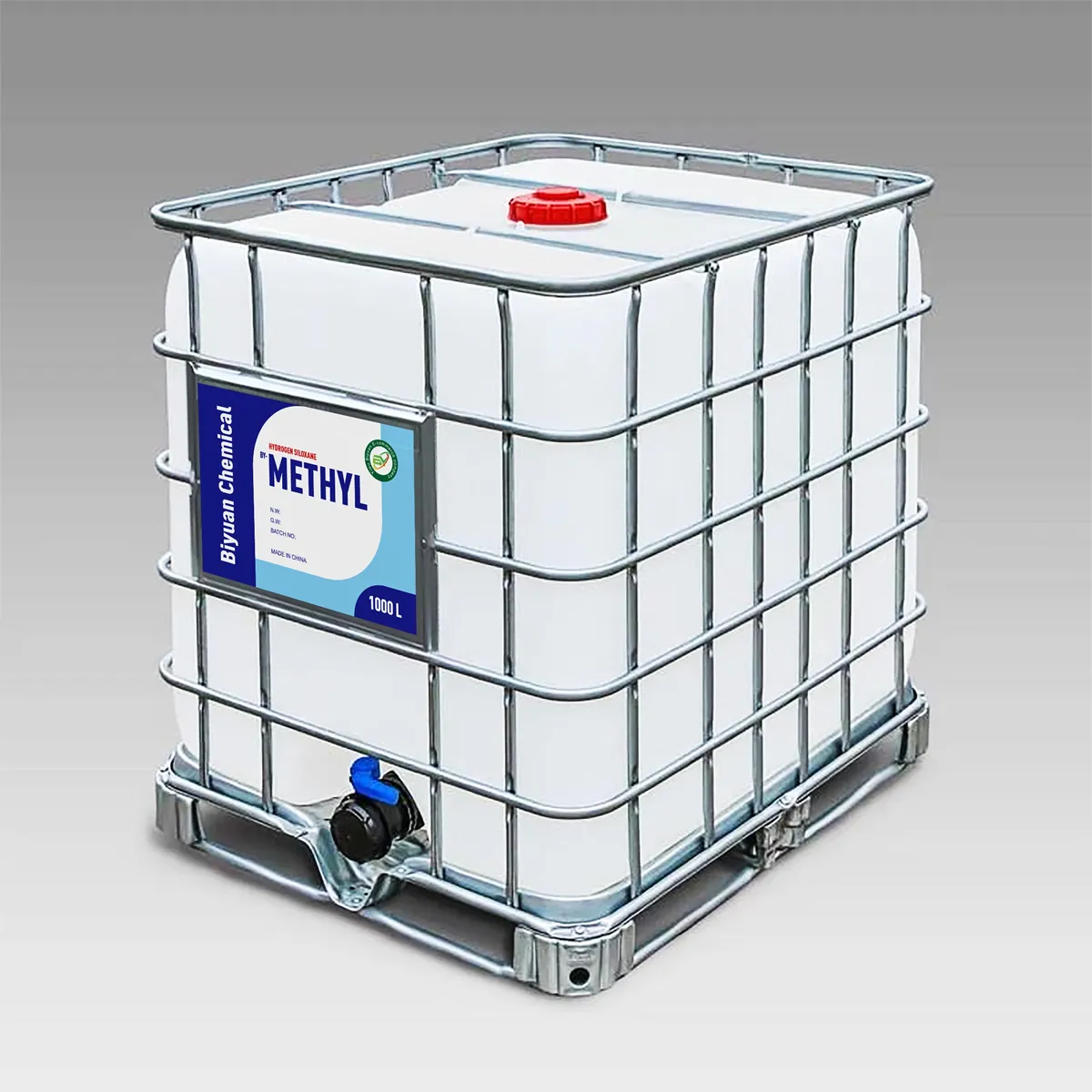
What industries use MH Silicone Fluid? - Methyl Hydrogen Silicone Fluid Factory
Methyl Hydrogen Silicone Fluid Factory
Methyl Hydrogen Silicone Fluid
Information Center
Everything you need to know about our products and company
Key Applications of Methyl Hydrogen Silicone Fluid Across Industries
Methyl Hydrogen Silicone Fluid (MH Silicone Fluid) has emerged as a versatile and high-performance material, driven by its unique chemical structure and reactive properties. Its ability to form durable hydrophobic coatings, enhance thermal stability, and improve material compatibility has made it indispensable in diverse sectors. Below is a detailed exploration of its industrial applications, supported by technical insights and market trends.
1. Textile and Apparel Industry
MH Silicone Fluid is widely used in textile manufacturing to impart water repellency, softness, and durability to fabrics. By crosslinking with hydroxyl groups on fibers, it creates a protective membrane that resists stains and moisture while maintaining breathability . For instance, in waterproof jackets or sportswear, MH Silicone Fluid ensures long-lasting hydrophobic properties without compromising comfort. Additionally, it acts as a lubricant during fabric processing, reducing friction and static electricity. Brands like Biyuan leverage advanced MH Silicone Fluid formulations to deliver eco-friendly textile solutions, aligning with global sustainability demands .
2. Construction and Building Materials
In construction, MH Silicone Fluid serves as a critical waterproofing agent for concrete, gypsum boards, and natural stone. Its low surface tension allows it to penetrate porous surfaces, forming a breathable yet impermeable barrier against water ingress . Applications include:
Roofing and Facades: Enhancing weather resistance.
Ceramic Tiles: Preventing efflorescence and mold growth.
Interior Coatings: Improving stain resistance and durability. Companies specializing in construction additives increasingly adopt MH Silicone Fluid for its compatibility with green building standards, where Biyuan’s high-purity formulations meet stringent environmental certifications .
3. Automotive and Transportation
The automotive sector relies on MH Silicone Fluid for:
Engine Lubricants: Reducing friction and heat in high-performance engines.
Battery Cooling Systems: Stabilizing temperatures in electric vehicle (EV) batteries due to its thermal stability .
Tire and Sealant Production: Acting as a release agent to prevent adhesion in tire molds. With the rise of EVs, MH Silicone Fluid’s role in battery thermal management is critical. Manufacturers like Biyuan develop EV-specific grades to address rigorous safety and efficiency requirements.
4. Electronics and Electrical Engineering
MH Silicone Fluid’s dielectric properties and chemical inertness make it ideal for:
Circuit Board Protection: Insulating against moisture and contaminants.
Adhesives and Encapsulants: Securing electronic components in harsh environments.
Solar Panel Coatings: Enhancing UV resistance and durability. In semiconductor manufacturing, its low volatility ensures precision in thin-film applications. Biyuan’s innovation in ultra-low viscosity MH Silicone Fluid supports miniaturized electronics without compromising performance.
5. Medical and Pharmaceutical
In healthcare, MH Silicone Fluid is utilized for:
Medical Devices: Coating catheters and syringes to reduce friction and bacterial growth.
Pharmaceutical Formulations: As an inert excipient in drug delivery systems.
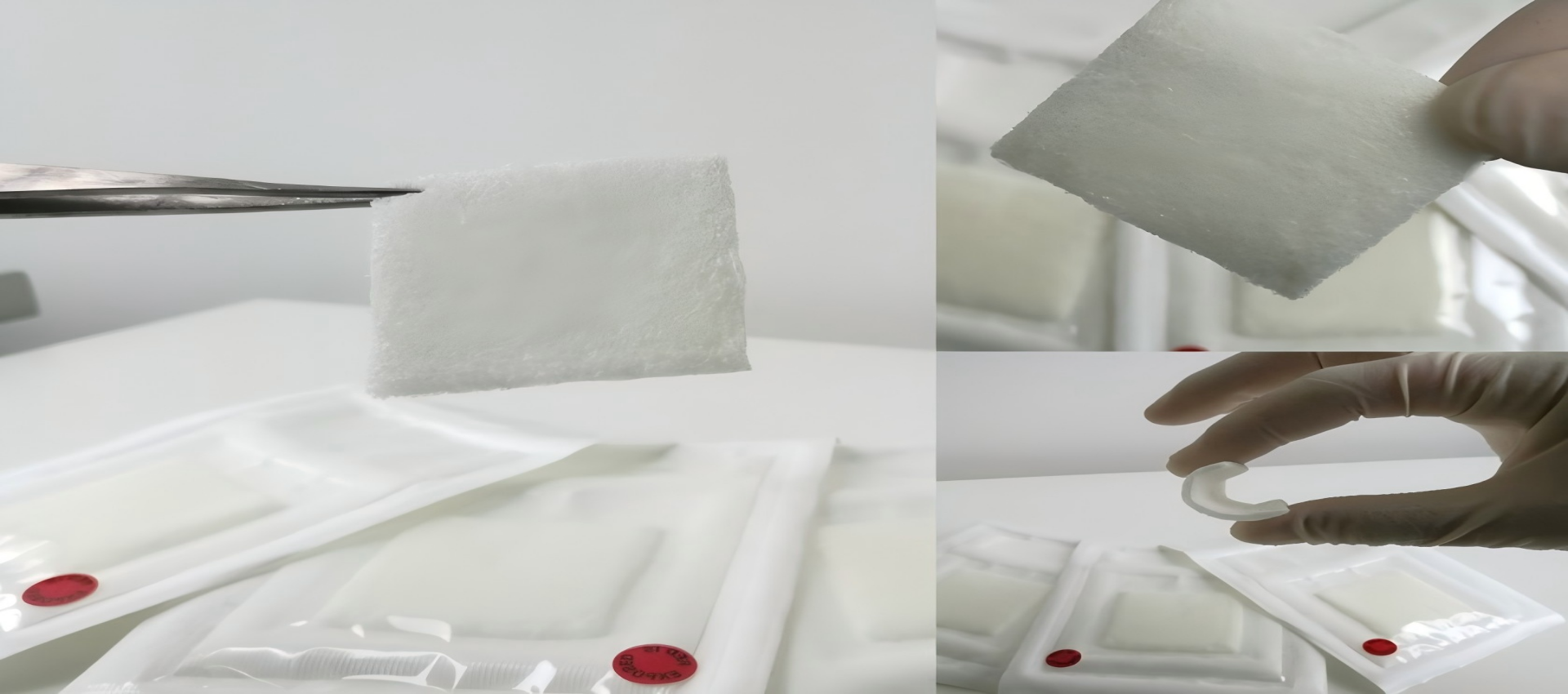
Wound Care: Creating breathable, waterproof dressings. Regulatory compliance and biocompatibility are paramount, and Biyuan’s cGMP-certified MH Silicone Fluid meets international safety standards for medical applications.
6. Packaging and Paper Industries
MH Silicone Fluid addresses moisture-related challenges in packaging:
Food Wrappers: Preventing grease penetration and maintaining freshness.
Paper Coatings: Producing waterproof stationery and labels.
Release Agents: Ensuring smooth demolding in paper production. For example, Biyuan’s MH Silicone-based release agents reduce energy consumption in paper mills by minimizing adhesive residues.
7. Agriculture and Agrochemicals
In agriculture, MH Silicone Fluid enhances crop protection:
Pesticide Formulations: Improving droplet spread and retention on foliage.
Greenhouse Films: Reducing condensation to prevent disease. Its eco-friendly profile aligns with sustainable farming practices, where Biyuan collaborates with agritech firms to develop biodegradable silicone additives.
Why Choose Biyuan for MH Silicone Fluid?
Biyuan stands out in the MH Silicone Fluid market through:
Technical Expertise: Over two decades of R&D in silicone chemistry.
Custom Solutions: Tailored viscosities and functional additives for niche applications.
Sustainability: Bio-based alternatives and energy-efficient production processes. By integrating cutting-edge technologies like AI-driven molecular modeling, Biyuan delivers MH Silicone Fluids that exceed industry benchmarks in quality and performance.
Conclusion From textiles to EVs, MH Silicone Fluid continues to revolutionize industrial processes. As demand for high-performance materials grows, brands like Biyuan are driving innovation, ensuring that this versatile compound remains at the forefront of material science. Whether enhancing durability in construction or enabling next-gen electronics, MH Silicone Fluid’s applications are limitless—and its future, boundless.
In the world of industrial materials, cost-effectiveness is not just about the initial price tag—it’s about performance, durability, and return on investment. Methyl Hydrogen Silicone Fluid (MH Silicone Fluid) has emerged as a standout solution across multiple industries, but how does it truly measure up against alternatives when all factors are cons.
Understanding Optimal Dosage for Methyl Hydrogen Silicone Fluid in Waterproofing Applications
Waterproofing is a critical aspect of construction and material engineering, and Methyl Hydrogen Silicone Fluid has emerged as a game-changing solution for enhancing water repellency and durability. Determining the correct dosage for specific applications en.
Can MH Silicone Fluid Be Mixed with Other Silicone Fluids?
Methyl Hydrogen Silicone Fluid (MH Silicone Fluid), a specialized silicone product with reactive Si-H bonds, is widely used in industries like coatings, textiles, and mold-making. A common question arises: Can it be safely mixed with other silicone fluids? The answer depends on chemical com.
Catalyst Selection for Methyl Hydrogen Silicone Fluid: Key Considerations and Applications
Methyl hydrogen silicone fluid (MH Silicone Fluid), a specialized siloxane polymer with reactive Si-H bonds, plays a pivotal role in industries ranging from adhesives to personal care. The choice of catalyst for its applications is critical to achieving optimal p.
In the world of specialty chemicals and advanced materials, the quality of your raw materials directly determines the performance, reliability, and competitiveness of your final products. For formulators, manufacturers, and R&D teams seeking to develop high-performance solutions across diverse industries—from textiles and electronics to automotive and .
How MH Silicone Fluid Excels in High-Humidity Environments: A Comprehensive Guide
In industries where moisture control is critical—construction, textiles, electronics, and more—Methyl Hydrogen Silicone Fluid (MHHSF) has emerged as a game-changing solution. But can it withstand high-humidity environments? Let’s dive into its scientific properties, app.
Understanding the Safety Profile of Methyl Hydrogen Silicone Fluid: A Comprehensive Guide
Methyl Hydrogen Silicone Fluid (MH Silicone Fluid), a versatile silicone-based compound, is widely used across industries for its unique properties. However, concerns about its safety persist. This article explores its toxicity, regulatory compliance, and applicat.
In the rapidly evolving electronics manufacturing industry, the selection of advanced materials directly influences product performance, reliability, and competitiveness. As electronic devices become increasingly miniaturized and multifunctional, the demand for high-performance insulating, sealing, and protective materials has grown significantly. Among th.
How Methyl Hydrogen Silicone Fluid Elevates Textile Performance
Methyl Hydrogen Silicone Fluid (MH Silicone Fluid) has emerged as a game-changing solution in textile manufacturing, offering transformative benefits across diverse fabric types. Its unique chemical structure—featuring reactive Si-H bonds and hydrophobic properties—enables tailored finishe.
Methyl Hydrogen Silicone Fluid: Ensuring Safety and Performance in Food-Grade Packaging
The Critical Role of Methyl Hydrogen Silicone Fluid in Modern Food Packaging
In today’s competitive food industry, consumer trust in food safety is paramount, and packaging materials play a crucial role in maintaining this trust. Methyl Hydrogen Silicone Fl.
MH Silicone Fluid: The Smart Material Revolutionizing Multiple Industries
In the evolving world of advanced materials, Methyl Hydrogen Silicone Fluid (PMHS) has emerged as a transformative smart material with applications spanning from textiles to aerospace. This specialized silicone variant, characterized by its active Si-H bonds, possesses unique prop.
Does MH Silicone Fluid Resist UV Degradation? A Comprehensive Analysis
In the world of high-performance materials, Methyl Hydrogen Silicone Fluid (MHSF) has carved out a critical niche due to its exceptional versatility. A question frequently posed by engineers and product developers is: Can MH Silicone Fluid resist UV degradation? The answer is a d.
How Safe Is Methyl Hydrogen Silicone Fluid for Food Applications?
Methyl Hydrogen Silicone Fluid (MH Silicone Fluid), a specialized silicone-based material, has gained attention for its potential use in food-contact applications. But what makes it suitable—or unsuitable—for such uses? Let’s explore its safety, regulatory compliance, and practical appl.
How to Dispose of Methyl Hydrogen Silicone Fluid Safely: A Comprehensive Guide
Methyl Hydrogen Silicone Fluid (MH Silicone Fluid), a critical industrial lubricant and waterproofing agent, requires careful handling and disposal due to its environmental persistence and regulatory constraints. Improper disposal can lead to soil/water contamination, regula.
Understanding the Limitations of Methyl Hydrogen Silicone Fluid in Industrial Applications
Methyl Hydrogen Silicone Fluid (MH Silicone Fluid) has established itself as a critical material across diverse industries, from textiles and electronics to construction and cosmetics. As a specialized silicone polymer containing active silicon-hydrogen (Si-H) bon.
Methyl Hydrogen Silicone Fluid: Performance Advantages Over Organosilicon Alternatives
In the evolving landscape of industrial silicone applications, the selection between methyl hydrogen silicone fluid and other organosilicon alternatives has become a critical decision for manufacturers and formulators. This comprehensive analysis explores the techni.
Understanding the Reaction Mechanism of Methyl Hydrogen Silicone Fluid with Alkenes
Methyl Hydrogen Silicone Fluid (MHFS), a specialized silicone polymer containing reactive Si-H bonds, exhibits unique reactivity with alkenes, making it indispensable in industrial applications. This article explores the chemical interactions, catalytic requirements, an.
Understanding the Flash Point of Methyl Hydrogen Silicone Fluid: Key Properties and Applications
Methyl Hydrogen Silicone Fluid (MH Silicone Fluid) is a versatile polymer widely used in industries ranging from cosmetics to aerospace. One of its critical safety and performance parameters is its flash point, which determines its flammability under speci.
Understanding Methyl Hydrogen Silicone Fluid (MH Silicone Fluid): Properties, Applications, and Industry Insights
Methyl Hydrogen Silicone Fluid (MH Silicone Fluid), chemically known as polymethylhydrosiloxane (PMHS), is a specialized silicone compound that has become indispensable across diverse industrial sectors. This fluid, characterized by its uni.
Selecting the right Methyl Hydrogen Silicone Fluid (MHF) supplier is critical for industries ranging from textiles and construction to cosmetics and electronics. This versatile fluid, renowned for its water-repellent and crosslinking properties, requires careful evaluation of supplier capabilities to ensure quality, consistency, and long-term value. Bel.
Introduction to the PMHS Landscape in China
The Chinese poly(methylhydrosiloxane) (PMHS) market has evolved into a global powerhouse, driven by robust manufacturing capabilities and growing demand across diverse industries. Known commercially as Methyl Hydrogen Silicone Fluid, this specialized silicone intermediate has become indispensable in sectors ra.
Thermal Stability of Methyl Hydrogen Silicone Fluid: Effective Mitigation Strategies
Introduction to Thermal Degradation
Methyl Hydrogen Silicone Fluid (PMHS) is a versatile silicone-based material valued for its unique molecular structure containing active Si-H bonds. These bonds, while enabling various beneficial chemical reactions, also present .
Enhancing Automotive Paint Durability: The Role of PMHS Technology
In the automotive industry, the longevity and aesthetic appeal of paint finishes are critical factors that impact both vehicle value and consumer satisfaction. Achieving durable, high-quality automotive coatings requires advanced chemical solutions that promote superior adhesion between .
According to in-depth research by WENKH, hydrogen-containing silicone oils are classified into six grades based on hydrogen content: 0.01%–0.36%, 0.36%–0.5%, 0.5%–1%, 1%–1.5%, 1.5%–1.6%, and above 1.6%.
Among all grades, products with hydrogen content ranging from 1.5% to 1.6% represent the largest market segment, accounting for approximately 81% of tot.
Understanding How PMHS Elevates Thermal Resilience in Modern Motor Oils
For drivers and automotive enthusiasts, the phrase “heat is the enemy” isn’t just a catchy saying—it’s a reality. Modern engines operate at higher temperatures than ever, thanks to turbocharging, downsizing, and high-performance demands. This constant exposure to extreme heat can de.
The global shipping landscape for Methyl Hydrogen Silicone Fluid (PMHS) faces unprecedented challenges in 2025, driven by complex logistics disruptions and volatile tariff policies. As the market for this essential chemical compound continues to expand—projected to reach USD 520 million by 2031 with an 8.5% CAGR—supply chain professionals must navigate a p.
PMHS: Revolutionizing Aerospace with Lightweight Waterproofing Technology
Introduction: The Critical Role of Advanced Materials in Aerospace
The aerospace industry faces constant pressure to enhance performance, reduce weight, and improve sustainability. At the forefront of materials innovation is Poly(methyl hydrogen)siloxane (PMHS), commonly known .
Introduction
Methyl Hydrogen Silicone Fluid (CAS No. 63148-57-2), also known as methyl hydrogen polysiloxane or PMHS, is a highly versatile silicone fluid widely used across multiple industries for its exceptional water repellency, thermal stability, and crosslinking capabilities. This clear, odorless liquid contains active silicon-hydrogen (Si-H) bonds.
The 2025 Sustainability Awards represent a pivotal moment for the chemical industry, particularly for manufacturers of Methyl Hydrogen Silicone Fluid (PMHS). As global demand for sustainable solutions intensifies, these awards recognize companies that are pioneering eco-friendly production methods, reducing environmental impact, and advancing green technol.
The convergence of Industry 4.0 and advanced materials like Methyl Hydrogen Silicone Fluid (PMHS) is revolutionizing the waterproofing industry. This transformation is driven by the integration of cyber-physical systems, IoT, and data analytics into manufacturing and application processes, leading to unprecedented levels of efficiency, quality, and sustain.
Innovations in Low-VOC Methyl Hydrogen Silicone Fluid for Global Compliance
Introduction
The global demand for environmentally responsible chemical solutions is transforming the specialty chemicals sector. Methyl hydrogen silicone fluid (PMHS), a versatile organosilicon compound, is undergoing significant reformulation to meet increasingly stringen.
Asian Methyl Hydrogen Silicone Fluid Exports to Europe: Market Dynamics and Future Outlook
Introduction: The Growing Transcontinental Trade
The export flow of Methyl Hydrogen Silicone Fluid from Asia to Europe represents a critical segment of the global specialty chemicals trade, characterized by evolving supply chains, stringent regulatory framework.
Methyl Hydrogen Silicone Fluid in Medical Device Coatings: Ensuring Safety and Efficacy
Introduction
The use of Methyl Hydrogen Silicone Fluid (PMHS) in medical device coatings represents a significant advancement in healthcare technology, combining unique material properties with critical safety considerations. This specialized silicone fluid has ga.
Beyond Traditional Silicones: How Methyl Hydrogen Silicone Fluid Drives Sustainable Cosmetic Innovation
In an era where “clean beauty” and “eco-conscious formulation” have shifted from niche demands to industry norms, cosmetic developers face a pressing challenge: balancing performance with planetary responsibility. As consumers .
Methyl Hydrogen Silicone Fluid: 2025 Market Analysis and Price Forecast
Executive Summary
The global methyl hydrogen silicone fluid market is poised for significant growth in 2025, driven by expanding demand from key industries including textiles, construction, electronics, and personal care. With technological advancements and sustainability initiat.
According to in-depth research by WENKH, hydrogen-containing silicone oil is a vital organosilicon intermediate. The global market size hit 3.5 billion RMB in 2025 and is projected to expand at a compound annual growth rate (CAGR) of 7.87% to 6 billion RMB by 2032. It plays a pivotal role in numerous industrial applications including surface treatment, tex.
Unlocking Precision Manufacturing: The Role of Methyl Hydrogen Silicone Fluid in 3D Printing and Electronics
In advanced manufacturing, material innovation often drives breakthroughs in product performance and process efficiency. Among the unsung heroes of modern industry, methyl hydrogen silicone fluid (also referred to as methylhydrogen polysiloxane.
The global chemical industry is undergoing a transformative shift toward sustainable manufacturing, and suppliers of Polymethylhydrosiloxane (PMHS), commonly known as Methyl Hydrogen Silicone Fluid, are at the forefront of this change. Through strategic localization of production and technological innovation, these companies are significantly reducing thei.
A Versatile Performer in Performance Within the realm of polymer materials, high hydrogen-containing silicone oil appears unremarkable yet boasts extraordinary capabilities. It is a colorless transparent liquid. Thanks to active Si–H bonds on its molecular chain, it can undergo low-temperature crosslinking with a wide range of chemical substances under the.
On July 14, KCC hosted the inaugural Robotics Technology Exchange Seminar at its R&D center located in Giheung-gu, Yongin-si, South Korea. The event brought together the research team led by Professor Park Yongrae from the Robotics Research Institute of Seoul National University, alongside researchers and technical specialists from both parties. Roughl.
Methyl hydrogen siloxane serves as a multifunctional additive that significantly improves processing characteristics and final properties in silicone rubber applications. This specialized silicone fluid features reactive Si-H groups that enable efficient cross-linking through hydrosilylation reactions with vinyl-functionalized silicone rubbers.
.
Medical-grade Methyl hydrogen siloxane serves as a versatile functional material in healthcare applications, combining high purity with reactive Si-H groups for enhanced performance. This specialized silicone fluid enables precise cross-linking in implantable devices, provides controlled drug release matrices, and creates anti-fouling surface coa.
Methyl hydrogen siloxane serves as a versatile functional additive in personal care products, leveraging its unique Si-H reactivity and silicone properties to deliver enhanced performance across various applications. This specialized material acts as an effective cross-linker in hair care products, creating durable yet flexible films that provide.
Methyl hydrogen siloxane serves as a innovative processing aid that enhances both the efficiency of leather manufacturing and the quality of finished products. This reactive silicone fluid improves leather softness and flexibility through effective fiber lubrication and molecular-level modification. Its unique chemical properties enable superior .

Contact Us
We're here to help with any questions or inquiries you may have
Contact Information
Address
No. 116, Jiangdong Street, Yiwu City, Jinhua City, Zhejiang Province,China