Everything you need to know about our products and company
Understanding the Safety Profile of Methyl Hydrogen Silicone Fluid: A Comprehensive Guide
Methyl Hydrogen Silicone Fluid (MH Silicone Fluid), a versatile silicone-based compound, is widely used across industries for its unique properties. However, concerns about its safety persist. This article explores its toxicity, regulatory compliance, and applications, while highlighting trusted suppliers like Biyuan to help businesses make informed decisions.
1. What Is Methyl Hydrogen Silicone Fluid?
Methyl Hydrogen Silicone Fluid (CAS No. 63148-57-2) is a low-viscosity, colorless liquid containing reactive Si-H bonds. It is synthesized via hydrolysis of methyldichlorosilane and is valued for its thermal stability, water resistance, and compatibility with organic systems . Common applications include waterproof coatings, cosmetic formulations, and industrial lubricants.
2. Toxicity Assessment: Separating Fact from Fiction
Acute Toxicity
Low Oral Toxicity: Studies indicate MH Silicone Fluid is minimally toxic when ingested in small quantities. Its primary hazard lies in accidental inhalation or prolonged skin contact .
Inhalation Risks: At high concentrations (>200 ppm), it may cause respiratory irritation. Proper ventilation is critical in industrial settings .
Skin/Eye Contact: Prolonged exposure can lead to mild irritation, but no severe toxicity is documented in occupational safety guidelines .
Chronic Exposure
Carcinogenicity: MH Silicone Fluid is not classified as a carcinogen by agencies like IARC or NTP. However, prolonged exposure to degraded byproducts (e.g., cyclic siloxanes) warrants monitoring .
Environmental Impact: While biodegradable, improper disposal may release volatile siloxanes, necessitating adherence to waste management protocols .
3. Safety Protocols for Handling MH Silicone Fluid
Engineering Controls: Use closed systems and fume hoods to minimize inhalation risks.
Personal Protective Equipment (PPE): Nitrile gloves, goggles, and lab coats are recommended.
Storage: Keep in cool, dry containers away from oxidizers and strong acids .
4. Applications Across Industries
MH Silicone Fluid’s adaptability drives its demand:
Cosmetics: Acts as a lubricant in foundations and hair care products.
Textiles: Enhances water repellency in fabrics and leather treatments.
Pharmaceuticals: Used as an antifoaming agent in drug manufacturing .
5. Trusted Suppliers: Ensuring Quality and Compliance
For businesses prioritizing safety, partnering with certified manufacturers is essential. Biyuan, a leading supplier, offers:
High-Purity MH Silicone Fluid: Rigorous testing ensures compliance with FDA, REACH, and ISO standards.
Custom Solutions: Tailored viscosities and formulations for niche applications.
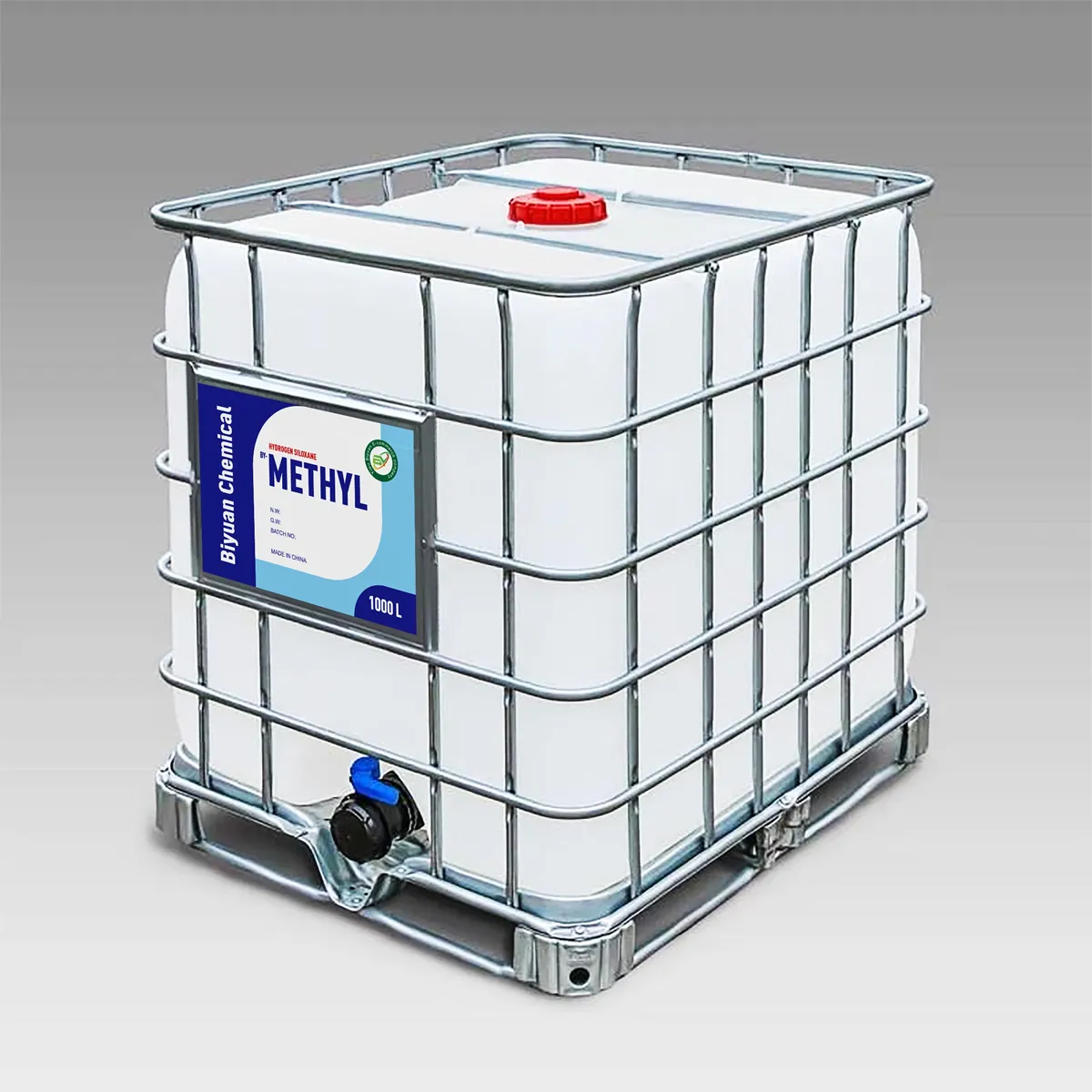
Bulk Packaging: Available in 200kg drums or 1000kg IBCs for industrial efficiency .
6. Why Choose Biyuan?
Global Recognition: Servicing clients in North America, Europe, and Asia.
Sustainability Initiatives: Recyclable packaging and energy-efficient production.
Technical Support: Expert guidance on handling, storage, and formulation optimization.
Conclusion
Methyl Hydrogen Silicone Fluid is generally safe when handled correctly, with toxicity risks minimal under controlled conditions. By sourcing from reputable suppliers like Biyuan, industries can leverage its benefits while mitigating risks. For detailed product specifications or procurement inquiries, consult certified distributors specializing in silicone-based solutions.
Methyl Hydrogen Silicone Fluid: Driving Innovation and Durability in the Marine Industry
The marine industry operates in one of the most demanding environments on Earth, where constant exposure to saltwater, humidity, and extreme weather relentlessly attacks vessels, structures, and equipment. Protecting these assets is a perpetual challenge. Methyl H.
Proper Storage Solutions for Methyl Hydrogen Silicone Fluid: A Comprehensive Guide
Methyl Hydrogen Silicone Fluid (MH Silicone Fluid), a versatile polymer with high hydrogen content, is widely used in industries ranging from textiles and construction to cosmetics and electronics. Its unique properties—such as water repellency, thermal stability, and co.
Catalyst Selection for Methyl Hydrogen Silicone Fluid: Key Considerations and Applications
Methyl hydrogen silicone fluid (MH Silicone Fluid), a specialized siloxane polymer with reactive Si-H bonds, plays a pivotal role in industries ranging from adhesives to personal care. The choice of catalyst for its applications is critical to achieving optimal p.
How Methyl Hydrogen Silicone Fluid Revolutionizes Construction Material Performance
In the ever-evolving construction industry, ensuring materials withstand environmental challenges while maintaining structural integrity is paramount. Methyl Hydrogen Silicone Fluid (MH Silicone Fluid) has emerged as a game-changing solution, offering multifaceted benef.
What Makes Methyl Hydrogen Silicone Fluid a Game-Changer in Waterproofing?
Waterproofing is a cornerstone of modern construction and material science, where innovation meets practicality. Among the array of waterproofing agents, Methyl Hydrogen Silicone Fluid (MHFS) stands out for its unique chemical properties and versatility. This article explore.
How Methyl Hydrogen Silicone Fluid Is Adapting to Sustainability Demands
The global chemical industry is undergoing a profound transformation driven by sustainability imperatives, and Methyl Hydrogen Silicone Fluid(MH Silicone Fluid) is at the forefront of this shift. As a versatile silicone polymer critical to industries from textiles to electronics, t.
Mitigating Risks in Industrial Applications: The Hidden Costs of Over-Application
In industrial and commercial sectors, the pursuit of efficiency often leads to over-reliance on chemical solutions—a practice that can backfire dramatically. Methyl Hydrogen Silicone Fluid, a versatile silicone-based compound, exemplifies this dilemma. While it offers exc.
Is MH Silicone Fluid Eco-Friendly? A Comprehensive Analysis of Methyl Hydrogen Silicone Fluid
In the pursuit of sustainable alternatives, Methyl Hydrogen Silicone Fluid (MH Silicone Fluid) has emerged as a topic of interest. But is it truly eco-friendly? This article dives into its environmental impact, applications, and innovations, while addressin.
In the intricate molecular engineering of high-performance silicones, the transformation from fluid precursors to resilient, functional networks is orchestrated by a critical reactive partner. For formulators developing addition-cure systems—from soft medical gels and flexible adhesives to durable industrial seals and heat-resistant composites—the crosslin.
In the sophisticated science of silicone material engineering, the creation of durable, stable, and high-performance networks often hinges on the strategic selection of a crosslinking agent. For chemists and formulators developing addition-cure silicone rubbers, resins, gels, and coatings, the choice of a crosslinker directly dictates critical end-use prop.
Selecting the right Methyl Hydrogen Silicone Fluid (MHF) supplier is critical for industries ranging from textiles and construction to cosmetics and electronics. This versatile fluid, renowned for its water-repellent and crosslinking properties, requires careful evaluation of supplier capabilities to ensure quality, consistency, and long-term value. Bel.
Optimizing Methyl Hydrogen Silicone Fluid for High-Temperature Applications
Understanding Methyl Hydrogen Silicone Fluid’s Thermal Properties
Methyl Hydrogen Silicone Fluid (PMHS) possesses unique characteristics that make it particularly valuable for high-temperature industrial applications. Unlike conventional dimethyl silicone oils, this spe.
Understanding the Flash Point of Methyl Hydrogen Silicone Fluid: Key Properties and Applications
Methyl Hydrogen Silicone Fluid (MH Silicone Fluid) is a versatile polymer widely used in industries ranging from cosmetics to aerospace. One of its critical safety and performance parameters is its flash point, which determines its flammability under speci.
In the world of industrial materials, cost-effectiveness is not just about the initial price tag—it’s about performance, durability, and return on investment. Methyl Hydrogen Silicone Fluid (MH Silicone Fluid) has emerged as a standout solution across multiple industries, but how does it truly measure up against alternatives when all factors are cons.
Understanding the Molecular Architecture of Methyl Hydrogen Silicone Fluid
Methyl Hydrogen Silicone Fluid (MH Silicone Fluid), chemically known as polymethylhydrosiloxane (PMHS), is a specialized silicone polymer with a unique molecular structure that defines its exceptional properties. This article delves into its molecular composition, functional cha.
Measuring Surface Tension of Methyl Hydrogen Silicone Fluid: Methods and Applications
Understanding Methyl Hydrogen Silicone Fluid
Methyl Hydrogen Silicone Fluid, also known as polymethylhydrogensiloxane, is a versatile organosilicon compound where some methyl groups in dimethyl silicone oil are replaced by hydrogen atoms. This chemical modification .
MH Silicone Fluid in Medical Implants: A Comprehensive Analysis
Methyl Hydrogen Silicone Fluid (MH Silicone Fluid) has emerged as a significant material in various industrial applications, but its potential use in medical implants requires careful examination. This article explores the properties, regulatory considerations, and practical implications of.
Thermal Stability of Methyl Hydrogen Silicone Fluid: A Comprehensive Analysis
Introduction to Methyl Hydrogen Silicone Fluid
Methyl Hydrogen Silicone Fluid is an organic silicon polymer characterized by its unique molecular structure containing both methyl groups (-CH₃) and active silicon-hydrogen bonds (Si-H). This combination provides an exceptiona.
Essential PPE for Safe Handling of Methyl Hydrogen Silicone Fluid (MHFS)
Methyl Hydrogen Silicone Fluid (MHFS), a versatile silicone-based chemical with reactive Si-H bonds, is widely used in industries like textiles, electronics, and construction for waterproofing, lubrication, and crosslinking applications. However, its chemical properties—such as t.
Methyl Hydrogen Silicone Fluid (MH Fluid), a versatile organosilicon polymer with reactive Si-H bonds, has become indispensable across industries due to its adaptability and functional versatility. While standardized grades are widely available, the ability to customize this material unlocks tailored solutions for niche applications. Here’s how MH Silicone.
The 2025 Sustainability Awards represent a pivotal moment for the chemical industry, particularly for manufacturers of Methyl Hydrogen Silicone Fluid (PMHS). As global demand for sustainable solutions intensifies, these awards recognize companies that are pioneering eco-friendly production methods, reducing environmental impact, and advancing green technol.
Global Surge in Methyl Hydrogen Silicone Fluid Demand Driven by Green Technology and Electronics
The global market for Polymethylhydrosiloxane (PMHS), commonly known as Methyl Hydrogen Silicone Fluid, is experiencing a significant upswing in 2025. This versatile organic silicone polymer, renowned for its exceptional thermal stability, chemical inertness.
Executive Summary
The global methyl hydrogen silicone fluid market is experiencing significant transformation, with China emerging as the dominant force in production and supply chain dynamics. This versatile material, known for its exceptional thermal stability, water repellency, and lubrication properties, has become indispensable across diverse indus.
Introduction
Methyl Hydrogen Silicone Fluid (CAS No. 63148-57-2), also known as methyl hydrogen polysiloxane or PMHS, is a highly versatile silicone fluid widely used across multiple industries for its exceptional water repellency, thermal stability, and crosslinking capabilities. This clear, odorless liquid contains active silicon-hydrogen (Si-H) bonds.
Understanding How PMHS Elevates Thermal Resilience in Modern Motor Oils
For drivers and automotive enthusiasts, the phrase “heat is the enemy” isn’t just a catchy saying—it’s a reality. Modern engines operate at higher temperatures than ever, thanks to turbocharging, downsizing, and high-performance demands. This constant exposure to extreme heat can de.
Sustainable Innovation: The Growing Market for Biodegradable PMHS Formulations
In recent years, the global push for sustainability has catalyzed significant advancements in polymer science, particularly in the development of biodegradable polymer materials. Among these, Methyl Hydrogen Silicone Fluid (PMHS) has emerged as a key player, with innovative f.
Title Interpretation & Executive Summary
The search for reliable PMHS (Polymethylhydrosiloxane) suppliers in North America requires a comprehensive understanding of both the technical specifications of Methyl Hydrogen Silicone Fluid and the stringent quality standards demanded by the automotive industry. This article explores how leading suppliers a.
Polymethylhydrosiloxane (PMHS), commonly known as Methyl Hydrogen Silicone Fluid, plays a critical role in enhancing the performance and stability of modern cosmetic and pharmaceutical products. This specialized silicone derivative offers unique chemical properties that make it particularly valuable in formulations where pH stability is essential for maint.
Flash Point Analysis: Critical Safety Protocols for Handling Methyl Hydrogen Silicone Fluid
Methyl Hydrogen Silicone Fluid (MHSF) represents a specialized category of silicone polymers characterized by reactive silicon-hydrogen (Si-H) bonds within their molecular structure. These fluids serve as crucial components across diverse industrial sectors, in.
The Indian textile industry is undergoing a significant transformation as manufacturers increasingly adopt Poly Methyl Hydrogen Silicone (PMHS) technology to produce high-performance waterproof fabrics. This shift represents a strategic response to growing market demand for functional textiles that combine water resistance with breathability, durability, a.
Methyl Hydrogen Silicone Fluid in Medical Device Coatings: Ensuring Safety and Efficacy
Introduction
The use of Methyl Hydrogen Silicone Fluid (PMHS) in medical device coatings represents a significant advancement in healthcare technology, combining unique material properties with critical safety considerations. This specialized silicone fluid has ga.
How the Pandemic Reshaped Medical Packaging: The Rise of Methyl Hydrogen Silicone Fluid
The COVID-19 pandemic served as a pivotal moment for the global healthcare industry, triggering unprecedented demand for advanced medical packaging solutions. At the heart of this transformation lies Methyl Hydrogen Silicone Fluid (PMHS), a specialized silicone polym.
Unlocking Precision Manufacturing: The Role of Methyl Hydrogen Silicone Fluid in 3D Printing and Electronics
In advanced manufacturing, material innovation often drives breakthroughs in product performance and process efficiency. Among the unsung heroes of modern industry, methyl hydrogen silicone fluid (also referred to as methylhydrogen polysiloxane.
Optimizing Industrial Cooling Efficiency: How Methyl Hydrogen Silicone Fluid Drives Energy Savings
In today’s energy-conscious industrial landscape, cooling systems account for a staggering 30-50% of total energy consumption in facilities like manufacturing plants, data centers, and chemical refineries. For operators, rising utility costs and regulator.
The global shipping landscape for Methyl Hydrogen Silicone Fluid (PMHS) faces unprecedented challenges in 2025, driven by complex logistics disruptions and volatile tariff policies. As the market for this essential chemical compound continues to expand—projected to reach USD 520 million by 2031 with an 8.5% CAGR—supply chain professionals must navigate a p.
The Pivotal Role of Platinum Catalysts in PMHS Cross-Linking: Technology, Applications, and Market Trends
Introduction to Platinum-Catalyzed PMHS Cross-Linking
The cross-linking of poly(methylhydrosiloxane), commonly known as methyl hydrogen silicone fluid (MH fluid), represents a sophisticated chemical process where platinum catalysts play an indi.
The European REACH Framework: Reshaping the Supply Landscape for Methyl Hydrogen Silicone Fluid
The European Union’s REACH regulation (Registration, Evaluation, Authorisation and Restriction of Chemicals) represents a transformative regulatory environment for chemical suppliers worldwide. For producers and distributors of Methyl Hydrogen Silicone .
How a European Textile Brand Mastered the Chinese Market Using Methyl Hydrogen Silicone Fluid
Introduction: The Technical Textile Breakthrough
In the highly competitive global textile industry, European brands constantly seek innovative approaches to penetrate lucrative markets like China. One notable success story involves a forward-thinking Europea.
Polymethylhydrosiloxane (PMHS), commonly known as Methyl Hydrogen Silicone Fluid, and dimethyl silicone oil are two important organosilicon compounds with distinct properties and applications. While they share a basic silicone-oxygen backbone, the presence of reactive silicon-hydrogen (Si-H) bonds in PMHS fundamentally differentiates its performance and fu.
Methyl Hydrogen Silicone Fluid, known in the scientific community by its CAS registry number 63148-57-2, represents a remarkable class of organosilicon compounds with unique properties and diverse industrial applications. This chemical workhorse, also called polymethylhydrosiloxane, has established itself as an indispensable material across sectors rang.
Methyl hydrogen siloxane serves as a multifunctional additive that significantly improves processing characteristics and final properties in silicone rubber applications. This specialized silicone fluid features reactive Si-H groups that enable efficient cross-linking through hydrosilylation reactions with vinyl-functionalized silicone rubbers.
.
Medical-grade Methyl hydrogen siloxane serves as a versatile functional material in healthcare applications, combining high purity with reactive Si-H groups for enhanced performance. This specialized silicone fluid enables precise cross-linking in implantable devices, provides controlled drug release matrices, and creates anti-fouling surface coa.
Methyl hydrogen siloxane serves as a versatile functional additive in personal care products, leveraging its unique Si-H reactivity and silicone properties to deliver enhanced performance across various applications. This specialized material acts as an effective cross-linker in hair care products, creating durable yet flexible films that provide.
Methyl hydrogen siloxane serves as a innovative processing aid that enhances both the efficiency of leather manufacturing and the quality of finished products. This reactive silicone fluid improves leather softness and flexibility through effective fiber lubrication and molecular-level modification. Its unique chemical properties enable superior .
Contact Us
We're here to help with any questions or inquiries you may have
Contact Information
Address
No. 116, Jiangdong Street, Yiwu City, Jinhua City, Zhejiang Province,China