Can MH Silicone Fluid be used in high-humidity environments? - Methyl Hydrogen Silicone Fluid Factory
Methyl Hydrogen Silicone Fluid Factory
Methyl Hydrogen Silicone Fluid
Information Center
Everything you need to know about our products and company
How MH Silicone Fluid Excels in High-Humidity Environments: A Comprehensive Guide
In industries where moisture control is critical—construction, textiles, electronics, and more—Methyl Hydrogen Silicone Fluid (MHHSF) has emerged as a game-changing solution. But can it withstand high-humidity environments? Let’s dive into its scientific properties, applications, and why it’s a top choice for businesses seeking reliable moisture protection.
1. The Science Behind MH Silicone Fluid’s Humidity Resistance
MHHSF’s unique molecular structure—featuring reactive Si-H bonds (CAS 63148-57-2)—enables it to form a hydrophobic polysiloxane network when applied to surfaces. This network repels water while maintaining breathability, allowing moisture vapor to escape and preventing trapped humidity . Unlike traditional waterproofing agents that seal pores, MHHSF’s film structure balances protection with airflow, making it ideal for materials like concrete, fabrics, and natural stone exposed to fluctuating humidity .
Key advantages:
Low Surface Energy: Spreads evenly on diverse substrates, creating a durable, water-resistant barrier.
Chemical Stability: Resists hydrolysis, UV radiation, and oxidation, ensuring long-term performance in humid climates .
High Flash Point: Safe for high-temperature applications without degrading .
2. Applications in High-Humidity Settings
MHHSF is a versatile ally across industries:
Construction & Building Materials
Waterproofing Gypsum Boards: Prevents moisture-induced warping and mildew, critical in humid climates .
Concrete & Marble Protection: Reduces cracking and corrosion from humidity, extending material lifespan .
Textiles & Leather
Water-Repellent Fabrics: Enhances tear strength and anti-stain properties while retaining breathability for comfort .
Leather Finishing: Protects against humidity-induced stiffness and odor.
Electronics & Packaging
Circuit Board Coatings: Shields sensitive components from humidity-related corrosion .
Food Packaging: Acts as a non-toxic moisture barrier, complying with safety standards .
While other sealants may clog pores or degrade under humidity, MHHSF offers:
Breathability: Essential for materials like wood and natural fibers to prevent rot .
Flexibility: Adapts to thermal expansion/contraction in dynamic environments.
Eco-Friendly: Non-toxic and biocompatible, aligning with sustainable manufacturing trends .
4. Partnering with a Trusted MHHSF Supplier
For businesses requiring bulk solutions, sourcing from a reputable Methyl Hydrogen Silicone Fluid manufacturer ensures quality and compliance. Key considerations:
Customization: Adjust viscosity or additives for specific applications (e.g., high-temperature stability).
Certifications: Look for ISO or industry-specific standards to guarantee performance.
Global Logistics: Reliable suppliers offer FOB or CIF terms for seamless international shipping .
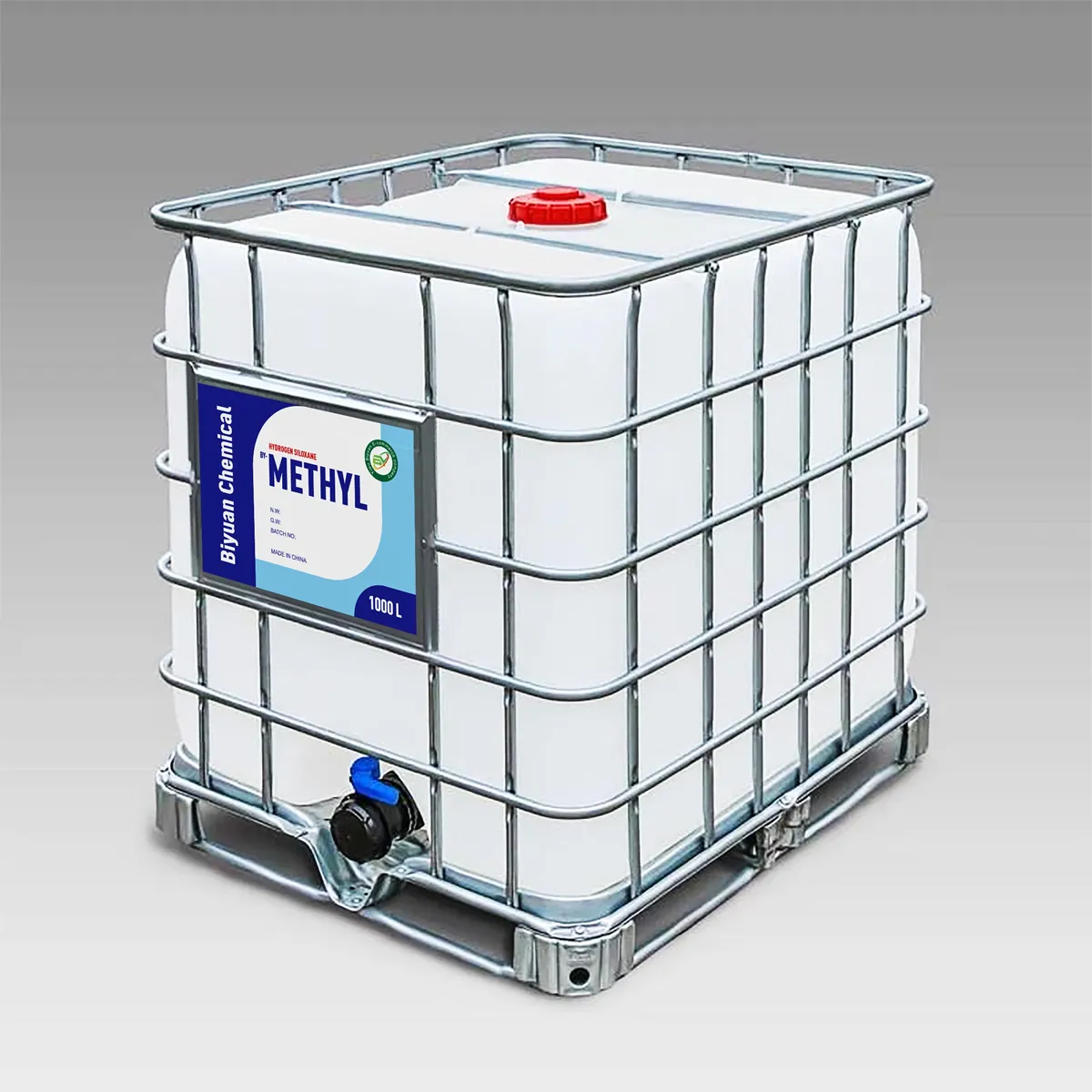
Biyuan, a leading name in silicone solutions, provides high-purity MHHSF tailored to industrial needs. Their products meet global specifications (e.g., equivalent to Dow Corning TSF484), ensuring compatibility with diverse applications—from construction to cosmetics .
5. Future-Proofing with MH Silicone Fluid
As industries prioritize humidity-resistant materials, MHHSF’s demand is rising. Its role in:
Smart Building Technologies: Enhancing energy efficiency through moisture control.
Sustainable Packaging: Reducing food waste by blocking humidity.
Advanced Electronics: Protecting components in humid manufacturing hubs.
Conclusion
MH Silicone Fluid is not just a moisture repellent—it’s a strategic investment for businesses operating in high-humidity environments. By combining scientific precision with industrial-grade durability, it addresses critical challenges in construction, textiles, and beyond. For suppliers and manufacturers, partnering with a trusted Methyl Hydrogen Silicone Fluid distributor ensures access to cutting-edge solutions that drive efficiency and sustainability.
Biyuan stands ready to deliver tailored MHHSF formulations, backed by rigorous quality control and global logistics expertise. Elevate your product’s performance today with a partner committed to innovation and reliability.
Nanotechnology-Enhanced MH Silicone Fluids: A New Era of Performance
In the evolving world of specialty chemicals, the convergence of nanotechnology with traditional materials is unlocking unprecedented capabilities. Methyl Hydrogen Silicone Fluid (MH Silicone Fluid), a workhorse in numerous industries, is undergoing a revolutionary transformation throu.
Understanding the Key Chemical Properties of Methyl Hydrogen Silicone Fluid
Methyl Hydrogen Silicone Fluid (MH Silicone Fluid), a specialized derivative of silicone polymers, is renowned for its unique chemical structure and versatility across industrial applications. Its distinct properties make it indispensable in fields ranging from waterproofing to.
What Determines the Curing Time of Methyl Hydrogen Silicone Fluid?
Methyl Hydrogen Silicone Fluid (MH Silicone Fluid) is a versatile material widely used in industries such as textiles, construction, and personal care for its water-repellent and release-agent properties. One of the most critical factors for its application is understanding its curing .
Mitigating Risks in Industrial Applications: The Hidden Costs of Over-Application
In industrial and commercial sectors, the pursuit of efficiency often leads to over-reliance on chemical solutions—a practice that can backfire dramatically. Methyl Hydrogen Silicone Fluid, a versatile silicone-based compound, exemplifies this dilemma. While it offers exc.
Methyl Hydrogen Silicone Fluid: Ensuring Safety and Performance in Food-Grade Packaging
The Critical Role of Methyl Hydrogen Silicone Fluid in Modern Food Packaging
In today’s competitive food industry, consumer trust in food safety is paramount, and packaging materials play a crucial role in maintaining this trust. Methyl Hydrogen Silicone Fl.
Measuring Surface Tension of Methyl Hydrogen Silicone Fluid: Methods and Applications
Understanding Methyl Hydrogen Silicone Fluid
Methyl Hydrogen Silicone Fluid, also known as polymethylhydrogensiloxane, is a versatile organosilicon compound where some methyl groups in dimethyl silicone oil are replaced by hydrogen atoms. This chemical modification .
Methyl Hydrogen Silicone Fluid vs. Fluorosilicone Fluids: A Technical and Application-Based Comparison
In the world of specialized silicone fluids, Methyl Hydrogen Silicone Fluid and fluorosilicone fluids represent two powerful classes of materials with distinct properties and applications. For engineers, product developers, and formulators, selecting .
Essential PPE for Safe Handling of Methyl Hydrogen Silicone Fluid (MHFS)
Methyl Hydrogen Silicone Fluid (MHFS), a versatile silicone-based chemical with reactive Si-H bonds, is widely used in industries like textiles, electronics, and construction for waterproofing, lubrication, and crosslinking applications. However, its chemical properties—such as t.
In the sophisticated science of silicone material engineering, the creation of durable, stable, and high-performance networks often hinges on the strategic selection of a crosslinking agent. For chemists and formulators developing addition-cure silicone rubbers, resins, gels, and coatings, the choice of a crosslinker directly dictates critical end-use prop.
Methyl Hydrogen Silicone Fluid (MH Silicone Fluid), a versatile polymer with reactive Si-H bonds, is widely used across industries for its waterproofing, lubricating, and crosslinking properties. Its price range varies significantly based on purity, viscosity, and supplier specifications. Below is a detailed analysis of its pricing trends, key applications.
Can MH Silicone Fluid Be Used in Pharmaceutical Coatings?
In the rapidly evolving pharmaceutical industry, excipient safety and functional performance are paramount. Methyl Hydrogen Silicone Fluid (MH Silicone Fluid) has emerged as a material of significant interest for advanced coating applications due to its unique chemical properties and safety profi.
Methyl Hydrogen Silicone Fluid (MH Silicone Fluid), a specialized silicone-based compound, is widely used across industries for its water-repellent, lubricating, and crosslinking properties. While it is generally regarded as safe, concerns about allergenic risks persist. This article explores the potential allergen risks associated with MH Silicone Fluid, .
Methyl Hydrogen Silicone Fluid (MH Fluid), a versatile organosilicon polymer with reactive Si-H bonds, has become indispensable across industries due to its adaptability and functional versatility. While standardized grades are widely available, the ability to customize this material unlocks tailored solutions for niche applications. Here’s how MH Silicone.
Understanding the Molecular Architecture of Methyl Hydrogen Silicone Fluid
Methyl Hydrogen Silicone Fluid (MH Silicone Fluid), chemically known as polymethylhydrosiloxane (PMHS), is a specialized silicone polymer with a unique molecular structure that defines its exceptional properties. This article delves into its molecular composition, functional cha.
Spills and leaks, whether from industrial processes, household accidents, or natural disasters, pose significant risks to safety, property, and the environment. Proper handling requires a strategic approach to mitigate damage and ensure compliance with safety regulations. This guide outlines actionable steps for managing spills or leaks, with a focus on le.
Methyl Hydrogen Silicone Fluid (MH Silicone Fluid) is a specialized silicone product widely used in industries such as textiles, construction, cosmetics, and electronics due to its unique hydrophobic, thermal stability, and crosslinking properties. As demand grows across sectors, identifying reliable manufacturers and suppliers becomes critical for busines.
Catalyst Selection for Methyl Hydrogen Silicone Fluid: Key Considerations and Applications
Methyl hydrogen silicone fluid (MH Silicone Fluid), a specialized siloxane polymer with reactive Si-H bonds, plays a pivotal role in industries ranging from adhesives to personal care. The choice of catalyst for its applications is critical to achieving optimal p.
How Methyl Hydrogen Silicone Fluid Achieves Optimal Performance: Curing Insights
Methyl Hydrogen Silicone Fluid (MH Silicone Fluid) is a versatile polymer widely recognized for its water-repellent, adhesive, and crosslinking capabilities. A common question among industrial users is whether this material requires curing to unlock its full potential. The.
In the highly competitive textile dyeing and printing industry, manufacturers are constantly seeking advanced chemical auxiliaries to enhance fabric quality, improve processing efficiency, and meet increasingly stringent environmental and performance standards. Among the various functional additives available, silicone-based softeners and finishing agents .
How Asia-Pacific Expansion Shapes Methyl Hydrogen Silicone Fluid Availability and Market Dynamics
The global Methyl Hydrogen Silicone Fluidmarket is undergoing a significant transformation, driven primarily by explosive growth in the Asia-Pacific region. This expansion is not just reshaping geographic market shares but also fundamentally altering the av.
Introduction
Methyl Hydrogen Silicone Fluid, an organic silicon polymer containing active silicon-hydrogen (Si-H) bonds, has gained significant attention for its unique combination of reactivity and stability. This versatile material, with its molecular structure featuring both methyl groups (-CH₃) and active Si-H bonds, demonstrates exceptional perfor.
The global chemical industry is undergoing a transformative shift toward sustainable manufacturing, and suppliers of Polymethylhydrosiloxane (PMHS), commonly known as Methyl Hydrogen Silicone Fluid, are at the forefront of this change. Through strategic localization of production and technological innovation, these companies are significantly reducing thei.
Optimizing Industrial Cooling Efficiency: How Methyl Hydrogen Silicone Fluid Drives Energy Savings
In today’s energy-conscious industrial landscape, cooling systems account for a staggering 30-50% of total energy consumption in facilities like manufacturing plants, data centers, and chemical refineries. For operators, rising utility costs and regulator.
Exploring the Role of Methyl Hydrogen Silicone Fluid in Sustainable Catalysis
In the quest for greener industrial processes, catalyst innovation has taken center stage. Catalysts drive efficiency in chemical reactions, but their performance often hinges on the carrier material—a component that anchors active sites while influencing stability, reactivity.
Introduction
Methyl Hydrogen Silicone Fluid (CAS No. 63148-57-2), also known as methyl hydrogen polysiloxane or PMHS, is a highly versatile silicone fluid widely used across multiple industries for its exceptional water repellency, thermal stability, and crosslinking capabilities. This clear, odorless liquid contains active silicon-hydrogen (Si-H) bonds.
Thermal Stability of Methyl Hydrogen Silicone Fluid: Effective Mitigation Strategies
Introduction to Thermal Degradation
Methyl Hydrogen Silicone Fluid (PMHS) is a versatile silicone-based material valued for its unique molecular structure containing active Si-H bonds. These bonds, while enabling various beneficial chemical reactions, also present .
Methyl Hydrogen Silicone Fluid: Certifications and Compliance for Sustainable Construction
Introduction to Green Building Materials and PMHS
The global construction industry is undergoing a fundamental transformation toward sustainability, driven by increasingly stringent environmental regulations and growing consumer demand for eco-friendly building.
The Pivotal Role of Platinum Catalysts in PMHS Cross-Linking: Technology, Applications, and Market Trends
Introduction to Platinum-Catalyzed PMHS Cross-Linking
The cross-linking of poly(methylhydrosiloxane), commonly known as methyl hydrogen silicone fluid (MH fluid), represents a sophisticated chemical process where platinum catalysts play an indi.
Flash Point Analysis: Critical Safety Protocols for Handling Methyl Hydrogen Silicone Fluid
Methyl Hydrogen Silicone Fluid (MHSF) represents a specialized category of silicone polymers characterized by reactive silicon-hydrogen (Si-H) bonds within their molecular structure. These fluids serve as crucial components across diverse industrial sectors, in.
Innovations in Low-VOC Methyl Hydrogen Silicone Fluid for Global Compliance
Introduction
The global demand for environmentally responsible chemical solutions is transforming the specialty chemicals sector. Methyl hydrogen silicone fluid (PMHS), a versatile organosilicon compound, is undergoing significant reformulation to meet increasingly stringen.
Title Interpretation & Executive Summary
The search for reliable PMHS (Polymethylhydrosiloxane) suppliers in North America requires a comprehensive understanding of both the technical specifications of Methyl Hydrogen Silicone Fluid and the stringent quality standards demanded by the automotive industry. This article explores how leading suppliers a.
Asian Methyl Hydrogen Silicone Fluid Exports to Europe: Market Dynamics and Future Outlook
Introduction: The Growing Transcontinental Trade
The export flow of Methyl Hydrogen Silicone Fluid from Asia to Europe represents a critical segment of the global specialty chemicals trade, characterized by evolving supply chains, stringent regulatory framework.
The Middle East is undergoing an unprecedented construction renaissance, with mega-projects transforming the region’s landscape and creating massive demand for high-performance building materials. At the heart of this infrastructure boom is Methyl Hydrogen Silicone Fluid (PMHS), a versatile silicone-based compound that plays a critical role in modern.
Executive Summary
The global methyl hydrogen silicone fluid market is experiencing significant transformation, with China emerging as the dominant force in production and supply chain dynamics. This versatile material, known for its exceptional thermal stability, water repellency, and lubrication properties, has become indispensable across diverse indus.
The 2025 Sustainability Awards represent a pivotal moment for the chemical industry, particularly for manufacturers of Methyl Hydrogen Silicone Fluid (PMHS). As global demand for sustainable solutions intensifies, these awards recognize companies that are pioneering eco-friendly production methods, reducing environmental impact, and advancing green technol.
Polymethylhydrosiloxane (PMHS), commonly known as Methyl Hydrogen Silicone Fluid, and dimethyl silicone oil are two important organosilicon compounds with distinct properties and applications. While they share a basic silicone-oxygen backbone, the presence of reactive silicon-hydrogen (Si-H) bonds in PMHS fundamentally differentiates its performance and fu.
Polymethylhydrosiloxane (PMHS), commonly known as Methyl Hydrogen Silicone Fluid, plays a critical role in enhancing the performance and stability of modern cosmetic and pharmaceutical products. This specialized silicone derivative offers unique chemical properties that make it particularly valuable in formulations where pH stability is essential for maint.
How the Pandemic Reshaped Medical Packaging: The Rise of Methyl Hydrogen Silicone Fluid
The COVID-19 pandemic served as a pivotal moment for the global healthcare industry, triggering unprecedented demand for advanced medical packaging solutions. At the heart of this transformation lies Methyl Hydrogen Silicone Fluid (PMHS), a specialized silicone polym.
The convergence of Industry 4.0 and advanced materials like Methyl Hydrogen Silicone Fluid (PMHS) is revolutionizing the waterproofing industry. This transformation is driven by the integration of cyber-physical systems, IoT, and data analytics into manufacturing and application processes, leading to unprecedented levels of efficiency, quality, and sustain.
Methyl Hydrogen Silicone Fluid: 2025 Market Analysis and Price Forecast
Executive Summary
The global methyl hydrogen silicone fluid market is poised for significant growth in 2025, driven by expanding demand from key industries including textiles, construction, electronics, and personal care. With technological advancements and sustainability initiat.
Methyl hydrogen siloxane serves as a multifunctional additive that significantly improves processing characteristics and final properties in silicone rubber applications. This specialized silicone fluid features reactive Si-H groups that enable efficient cross-linking through hydrosilylation reactions with vinyl-functionalized silicone rubbers.
.
Medical-grade Methyl hydrogen siloxane serves as a versatile functional material in healthcare applications, combining high purity with reactive Si-H groups for enhanced performance. This specialized silicone fluid enables precise cross-linking in implantable devices, provides controlled drug release matrices, and creates anti-fouling surface coa.
Methyl hydrogen siloxane serves as a versatile functional additive in personal care products, leveraging its unique Si-H reactivity and silicone properties to deliver enhanced performance across various applications. This specialized material acts as an effective cross-linker in hair care products, creating durable yet flexible films that provide.
Methyl hydrogen siloxane serves as a innovative processing aid that enhances both the efficiency of leather manufacturing and the quality of finished products. This reactive silicone fluid improves leather softness and flexibility through effective fiber lubrication and molecular-level modification. Its unique chemical properties enable superior .

Contact Us
We're here to help with any questions or inquiries you may have
Contact Information
Address
No. 116, Jiangdong Street, Yiwu City, Jinhua City, Zhejiang Province,China