
Methyl Hydrogen Silicone Fluid Factory
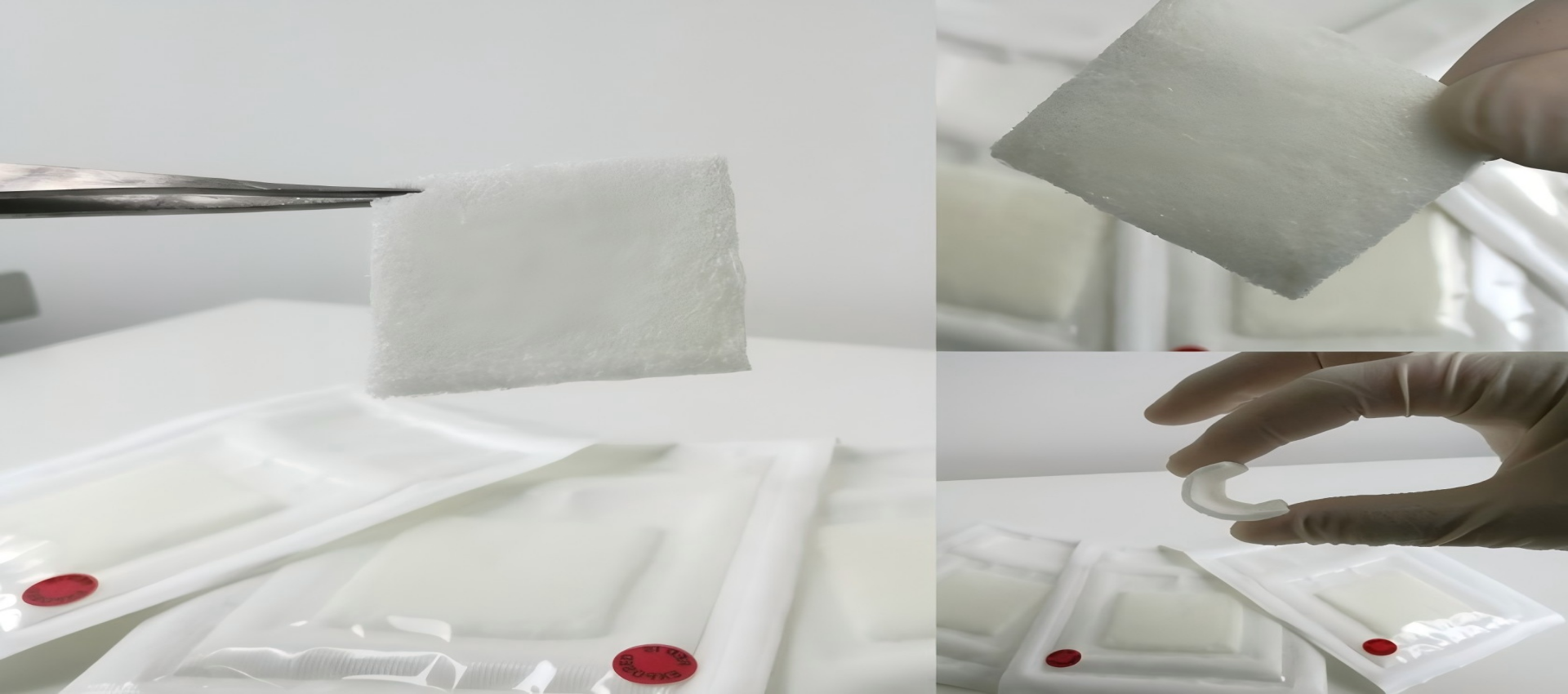
Methyl Hydrogen Silicone Fluid
Everything you need to know about our products and company
As an indispensable crosslinking core for addition-cure silicone systems, hydrogen-containing silicone oil (polymethylhydrosiloxane) features highly reactive Si-H bonds along its molecular chain. Under platinum catalysis, it undergoes hydrosilylation with vinyl silicone oil to form a three-dimensional crosslinked network with no by-products, low shrinkage and deep-curing capability. It serves as a key raw material for liquid silicone rubber (LSR), silicone gels, silicone potting compounds, hydrophobic modification and powder surface treatment. Driven by rapid expansion of new energy, automotive electronics, photovoltaic encapsulation and semiconductor computing industries, together with tightening global regulations on cyclic siloxanes, the hydrogen-containing silicone oil sector is entering a new phase of structural segmentation and accelerated domestic substitution of high-end grades.
In terms of the current market landscape, conventional industrial-grade hydrogen-containing silicone oil has sufficient production capacity and fierce competition. Targeting traditional applications such as textile waterproofing, stone protection, general release agents and standard filler modification, these grades feature medium-to-low active hydrogen content and conventional stripping treatment, with intense price competition. In sharp contrast, electronic-grade, low-cyclic and specially structured custom hydrogen-containing silicone oil remains in tight supply, a segment long dominated by overseas suppliers. These products are strictly controlled for residual D4/D5/D6 cyclic siloxanes, metal ions, volatile content and uniform active hydrogen distribution. They are designed for high-barrier applications including power battery potting, automotive-grade seals, optical LSR and medical consumables, and have become a key R&D focus for domestic manufacturers in recent years.
Downstream demand is undergoing a noticeable shift. Demand for traditional textile waterproofing, building hydrophobic treatment and powder coupling modification remains stable. New growth is mainly generated by the new energy and high-end electronics sectors. Demand for low-extractable hydrogen-containing silicone oil keeps rising for photovoltaic module sealants, energy storage BMS potting, thermal conductive gels for power devices, silicone rubber seals for new energy vehicles and interfacial elastic materials for computing servers. Meanwhile, hydrogen-containing silicone oil is also used as a synthetic intermediate for alkylsilanes, silicone-modified resins and special coating additives, forming a second growth driver.
On the supply side, China boasts a mature supporting supply of methylchlorosilane monomers. Domestic manufacturers have made continuous breakthroughs in continuous synthesis, thin-film devolatilization and short-path molecular distillation purification technologies, enabling gradual import substitution of low-cyclic grades. Competition has shifted from capacity expansion and price wars toward batch consistency, customized low-cyclic formulations, impurity control and supporting formulation technical services. Leading raw material suppliers classify products by application: general industrial grade, automotive low-fogging grade, semiconductor low-ion grade, and food & medical contact grade. Custom hydrogen content, custom viscosity and adhesion-promoting modified hydrogen-containing silicone oil are available to shorten validation cycles for downstream customers.
The industry also faces multiple challenges. First, regulatory pressure keeps mounting. EU REACH imposes stricter restrictions on D4, D5 and D6 cyclic siloxanes, with increasingly stringent limits on cyclic residues for silicone products exported to Europe. Domestic new pollutant control measures are also being rolled out. Higher capital expenditure on devolatilization equipment and testing costs place heavy compliance burdens on small and medium manufacturers. Second, formulation compatibility risks are prominent. Hydrogen-containing silicone oil is highly sensitive to sulfur, amines and heavy metal impurities, which easily poison platinum catalysts and hinder curing. Rigorous control of impurities and strict management of storage and repackaging are therefore required. Third, product standardization is inadequate. Grades with identical hydrogen values from different suppliers show large variations in molecular weight distribution, leading to deviations in curing speed, mechanical properties and aging performance, and extending validation periods for supplier switching.
In the medium and long term, three clear trends are emerging across the industry. First, high-purity grades with low cyclic content, low extractables and low ions are becoming the entry threshold for high-end markets. Automotive, optical, energy storage and semiconductor customers have incorporated near-zero cyclic content and low fogging requirements into regular tender specifications, pushing purification technology upgrades across the whole industrial chain. Second, demand for structurally customized modified hydrogen-containing silicone oil is growing. Differentiated products such as phenyl hydrogen-containing silicone oil, long-chain alkyl-modified and adhesion-enhancing grades are gaining traction. They address challenges in substrate adhesion, thermal cycling resistance and oil resistance, and are suitable for more special sealing and coating systems. Third, supply chain roles are being reshaped. Raw material suppliers are evolving from simple material vendors into joint development partners with LSR and adhesive manufacturers, delivering complete crosslinking system solutions. Supporting export compliance documents including English SDS, COA and SVHC statements are provided to meet global chemical trade requirements.
Overall, hydrogen-containing silicone oil acts as the “control switch” for addition-cure silicone systems. The industry has moved past the era of extensive volume growth and entered a cycle of high-quality, compliant and refined competition. Going forward, enterprises with stable high-purity synthesis capacity, sound compliance systems and professional formulation service capabilities will continue to capture market share in high-value tracks of new energy, electronics and photovoltaics, and drive the domestic upstream silicone additive industry toward high-end and green transformation.
Our most popular products loved by customers worldwide
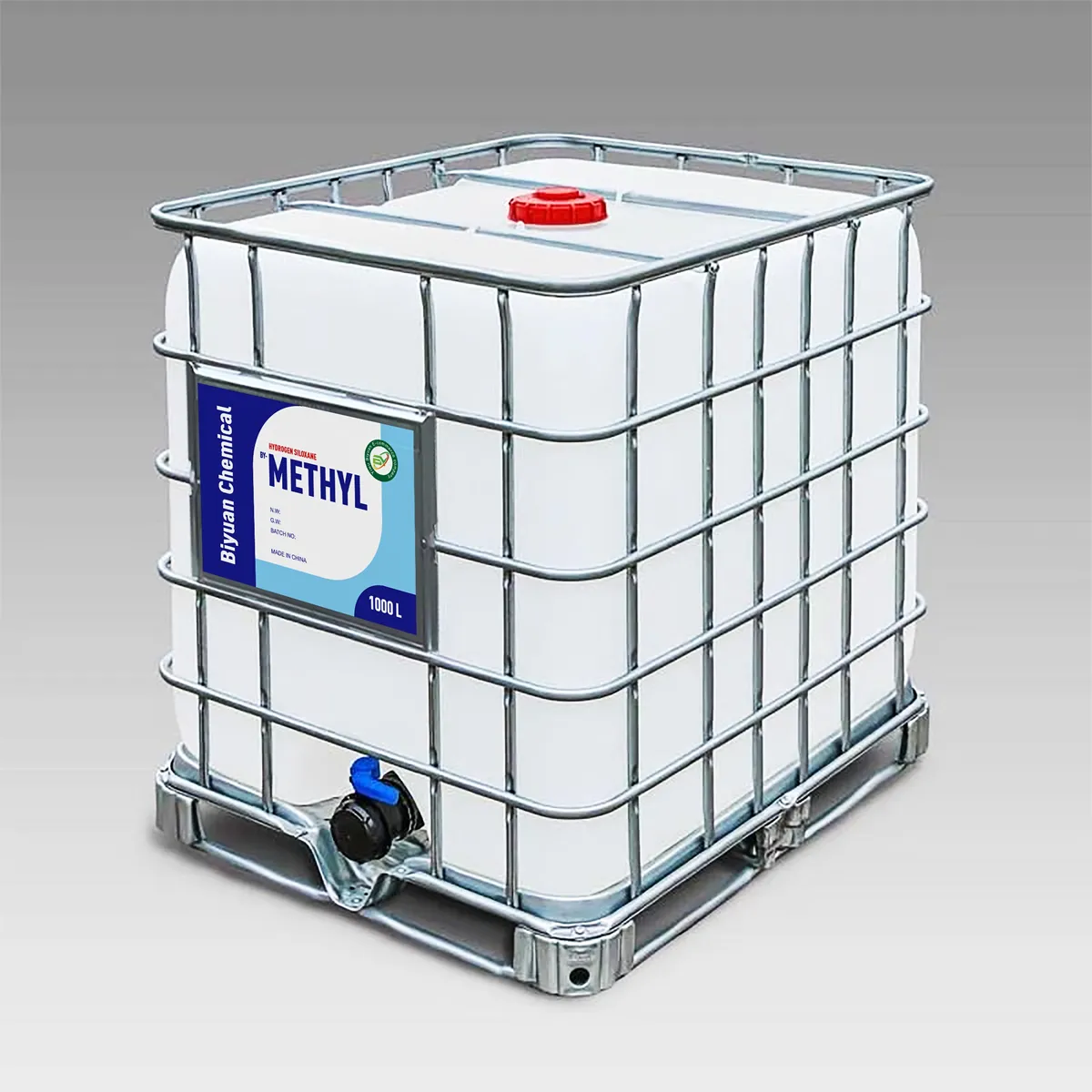
Methyl hydrogen siloxane serves as a multifunctional additive that significantly improves processing characteristics and final properties in silicone rubber applications. This specialized silicone fluid features reactive Si-H groups that enable efficient cross-linking through hydrosilylation reactions with vinyl-functionalized silicone rubbers. .
Medical-grade Methyl hydrogen siloxane serves as a versatile functional material in healthcare applications, combining high purity with reactive Si-H groups for enhanced performance. This specialized silicone fluid enables precise cross-linking in implantable devices, provides controlled drug release matrices, and creates anti-fouling surface coa.
Methyl hydrogen siloxane serves as a versatile functional additive in personal care products, leveraging its unique Si-H reactivity and silicone properties to deliver enhanced performance across various applications. This specialized material acts as an effective cross-linker in hair care products, creating durable yet flexible films that provide.
Methyl hydrogen siloxane serves as a innovative processing aid that enhances both the efficiency of leather manufacturing and the quality of finished products. This reactive silicone fluid improves leather softness and flexibility through effective fiber lubrication and molecular-level modification. Its unique chemical properties enable superior .